
When you’re camping, nature becomes your kitchen, dining room, and sometimes even your dishwasher. Many campers expect to use a stream, lake, or bottle of water to clean their dishes. But what if water is limited, or local rules say you can’t use water at all? Knowing how to clean dishes while camping without water is more than a handy trick—it’s a way to protect nature and keep yourself healthy.
Many beginners think dishes cannot get clean without soap and water. But with the right methods, you can keep your camp kitchen safe, your pack light, and your impact on the environment low. Let’s explore the best ways to clean dishes without water, what tools you need, and how to avoid common mistakes—plus learn some surprising tips even experienced campers often miss.
Why Clean Dishes Without Water?
Cleaning dishes without water isn’t just for emergencies. Dry washing is important in places where:
- Water is scarce or hard to carry
- You’re camping in cold weather and water will freeze
- Rules don’t allow dishwater dumping
- You want to follow Leave No Trace principles
Dirty dishes attract animals, bugs, and bacteria. Even a little leftover food can become a health risk or environmental problem. By learning water-free methods, you keep nature wild and your group healthy.
Essential Gear For Waterless Dish Cleaning
You don’t need expensive gadgets. But a few smart tools will make cleaning faster and easier.
Key Items To Pack
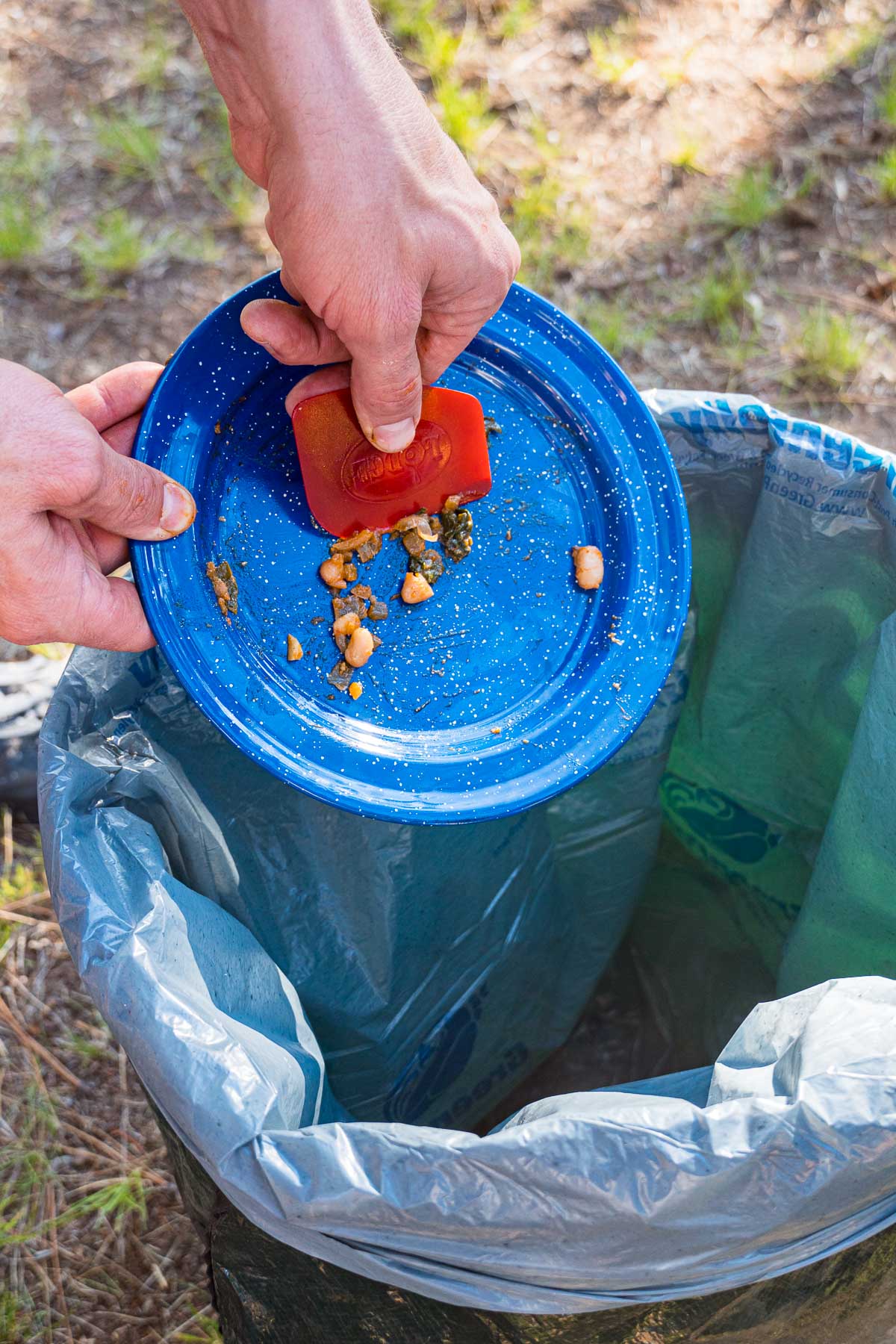
- Scraper or spatula: For removing stuck-on food.
- Biodegradable wipes: For wiping off grease and crumbs.
- Reusable cloths or paper towels: For drying or a final polish.
- Eco-friendly sanitizer: Like alcohol-based hand gel or sanitizing spray.
- Small brush: A stiff brush helps with stubborn bits.
- Disposable bags: To pack out all waste and used wipes.
Optional But Helpful
- Coffee grounds or sand: Natural scrubbers for stubborn messes.
- Portable UV sanitizer: Kills germs without water (used by some ultralight backpackers).
- Mesh drying bag: Hang dishes to air dry and keep them off the ground.
A common beginner mistake is bringing too many single-use items. Focus on gear that’s reusable, lightweight, and multi-purpose.
Step-by-step: How To Clean Dishes Without Water
It’s not just about scrubbing off food. You want to remove grease, kill germs, and leave dishes ready for the next meal. Here’s a clear, practical process:
1. Scrape Off All Food
Start by removing every bit of leftover food. Use a spatula, scraper, or even a stick. This step is critical—leftover food will make the next steps harder and can rot or attract animals.
Non-obvious tip: Scrape food into a sealed bag, not onto the ground. Even tiny crumbs can attract wildlife.
2. Wipe With A Dry Cloth Or Paper Towel
Use a cloth or strong paper towel to wipe every surface. Press hard to pick up grease and crumbs. If dishes are very greasy, use two towels: one for the first wipe, one for a final polish.
Why this matters: Grease left on dishes is a breeding ground for bacteria. Wiping also keeps your dishcloth from getting too dirty too quickly.
3. Use Biodegradable Wipes Or Sanitizing Spray
Wipe the dish with a biodegradable wet wipe or lightly spray with an eco-friendly sanitizer. Focus on places your mouth touches—like forks, spoons, and cup rims.
Expert insight: Alcohol-based sanitizers kill most germs but don’t remove all grease. For very oily dishes, add a tiny pinch of sand or coffee grounds to your wipe and scrub gently.
4. Scrub With Natural Abrasives (if Needed)
For stuck-on food, sprinkle a little dry sand (from a clean area) or used coffee grounds on the dish. Rub with your cloth or a brush. Sand acts like a scrubber, scraping off tough bits without water.
Warning: Do not use large or sharp rocks, which can scratch or damage non-stick cookware.
5. Give A Final Wipe
After scrubbing, use a clean dry cloth or towel to remove all residue. This step is easy to skip but is essential for removing germs and cleaning agents.
6. Air Dry In Sunlight
Sunlight is a natural sanitizer. Hang dishes in a mesh bag or lay them on a clean rock in direct sun for at least 10 minutes. UV rays help kill remaining bacteria.
Non-obvious tip: Don’t dry dishes near your tent or cooking area—odors can attract animals. Choose a spot at least 50 feet away.
Comparing Waterless Dish Cleaning Methods
Let’s see how these methods stack up for common camping dish situations:
| Method | Best For | Downsides | Speed |
|---|---|---|---|
| Dry Wiping | Lightly soiled dishes, snack plates | Doesn’t sanitize, not for greasy messes | Very Fast |
| Biodegradable Wipes | Eating utensils, cups, oily surfaces | Creates waste, can dry out hands | Fast |
| Sand/Coffee Grounds Scrub | Pots, pans with stuck-on food | Messy, must rinse or wipe well after | Medium |
| Sanitizing Spray | Final clean, sensitive items | Some sprays leave taste, not for all cookware | Fast |
| Sun Drying | All dishes after wiping/sanitizing | Needs sunlight, takes time | Slow |
When Is It Safe To Skip Water?
You can safely clean dishes without water if:
- You remove all visible food and grease
- You sanitize after wiping
- Dishes are not used for raw meat or fish
Never skip water cleaning for dishes that held raw meat, eggs, or fish. These foods leave bacteria that dry methods can’t remove. In these cases, it’s best to pack a small water reserve or use only single-use eating gear.
Choosing The Right Dishes For Waterless Cleaning
Some materials are much easier to clean without water than others.
| Dish Material | Waterless Cleaning Suitability | Notes |
|---|---|---|
| Stainless Steel | Excellent | Doesn’t absorb odors, easy to scrape |
| Plastic | Good | Can hold stains, use only for light meals |
| Enamelware | Excellent | Very smooth, dries quickly |
| Non-stick Aluminum | Fair | Scratches easily, avoid sand scrubbing |
| Wood/Bamboo | Fair | Can absorb grease, harder to sanitize |
Pro tip: Stick to stainless steel or enamel dishes for multi-day trips. They clean up best with wipes and natural abrasives.
Smart Meal Planning: Make Dish Cleaning Easier
How you cook affects how hard your dishes are to clean. Here’s how to plan meals that leave less mess:
- Choose one-pot meals: Fewer dishes means less cleaning.
- Avoid sticky or cheesy foods: These are hard to wipe clean without water.
- Use tortillas instead of plates: Eat your food, then eat your “dish.”
- Eat dry snacks: Like nuts or jerky, which don’t leave greasy residue.
- Pre-wrap meals in foil or parchment: These can be tossed after cooking.
Non-obvious insight: Bring a small silicone spatula. It scrapes every last bit of food out of your pot, making cleaning much easier.
Reducing Waste While Cleaning
Many campers worry about creating trash when cleaning without water. Here’s how to stay green:
- Use reusable cloths instead of paper towels where possible
- Choose large, multi-use biodegradable wipes and cut them into smaller pieces
- Carry all used wipes and food scraps out in a sealed bag
- For longer trips, bring a small “wet bag” for dirty cleaning items
Never bury used wipes or food scraps, even if labeled “biodegradable. ” Animals will dig them up.
Preventing Germs And Odors
Dry cleaning removes most visible dirt, but it’s easy to miss hidden germs. Here’s how to keep dishes truly safe:
- Always wipe with sanitizer after cleaning
- Let dishes dry fully in sunlight—UV light is a strong germ killer
- Store cleaned dishes in a mesh bag, not in sealed plastic (prevents mold)
- Wash hands before and after cleaning dishes
Non-obvious tip: Don’t stack dirty dishes. Clean each one right after you eat, before food dries on.
What To Do With Waste After Cleaning
Waste from dry cleaning can still harm the environment. Here’s how to handle it:
- Pack all food scraps, used wipes, and dirty towels into a sealable bag.
- Store this bag away from your tent, at least 100 feet away.
- Dispose of everything in a proper trash bin when you return to civilization.
Never burn wipes or food scraps. Burning releases chemicals and attracts wildlife.

Credit: www.oxo.com
Waterless Dish Cleaning For Large Groups
Cleaning up after a big group is harder without water. But it’s possible if you’re organized.
- Assign a “dish crew” for each meal
- Have everyone scrape and wipe their own plate before bringing it to the crew
- Use a three-stage system: Scrape, wipe, sanitize
- Set up a “clean dish” drying area in the sun, away from food prep
Non-obvious insight: Bring color-coded towels for each cleaning stage to avoid cross-contamination.
Dealing With Greasy Or Burnt Pots
Sometimes, you’ll have a pot with stuck-on cheese, sauce, or burnt bits. Here’s what works:
- Scrape with a spatula while the pot is still warm (not hot).
- Sprinkle in some sand or coffee grounds and scrub in circles.
- Wipe out all residue with a dry towel.
- For heavy grease, use a small amount of biodegradable wipe, then a clean dry towel.
- Let air dry in sun.
If the pot is still not clean, seal it in a bag and clean with water at your next stop.
Waterless Dish Cleaning In Winter Or Rain
Cold and wet conditions can make cleaning harder, but not impossible.
- Wipe dishes in your tent vestibule, not in the open rain
- Use hand warmers to keep sanitizer sprays from freezing
- Dry dishes inside your jacket or sleeping bag if there’s no sun
- Bring extra towels—wet ones won’t dry fast in winter
Never put wet or dirty dishes in your sleeping bag, even if cold—food smells can attract animals.
How Long Can You Use Waterless Cleaning?
Waterless methods are safe for a few days (up to 3–4 days) for most foods. For longer trips, try to plan for at least one deep clean with water and soap, if possible.
If you notice odors, sticky residue, or discoloration, it’s time to use water—no matter how well you wiped.
Waterless Dish Cleaning For Ultralight Backpackers
Backpackers often use the “lick clean, wipe clean” method:
- Eat all food from the dish—scrape with spoon or spatula.
- Lick the plate or utensil clean (only if it’s your own).
- Wipe with a dry cloth.
- Sanitize with a wipe or spray.
- Air dry.
This sounds unusual, but it’s common among long-distance hikers. It saves weight, time, and water.
Cleaning Cast Iron Cookware Without Water
Cast iron is popular for campfire cooking, but it needs special care.
- Scrape out all food while pan is still warm
- Sprinkle with coarse salt or sand, scrub with a cloth
- Wipe with a thin layer of oil if needed
- Never use sanitizer or wipes with chemicals—this can ruin seasoning
Store cast iron in a cloth bag, not plastic.
Credit: www.freshoffthegrid.com
Mistakes To Avoid When Cleaning Without Water
Common errors include:
- Using too many disposable wipes—creates trash
- Not scraping enough before wiping—leaves food residue
- Storing dirty wipes with clean dishes—spreads germs
- Using sand from dirty or animal-visited areas—can add bacteria
- Forgetting to sanitize after wiping—germs can remain
Always check your gear and your cleaning spot before starting.
How To Store Cleaned Dishes
Proper storage keeps your dishes safe until next use.
- Hang dishes in a mesh bag from a tree branch, away from your camp
- Do not store in sealed plastic—moisture leads to mold
- Keep utensils separate from pots and pans if possible
- If you must stack, place a clean cloth between each dish
If you notice odors or sticky spots, repeat the cleaning process before using.
Eco-friendly Alternatives And Best Practices
- Use compostable wipes and pack them out
- Choose natural fiber towels (cotton, hemp) that dry fast
- For short trips, consider edible plates (tortillas, crackers, cabbage leaves)
- Always follow Leave No Trace principles—pack out all waste, never bury or burn
To learn more about responsible camping, check the official Leave No Trace Center for Outdoor Ethics guidelines.
Frequently Asked Questions
How Clean Are Dishes After Using Only Dry Wipes?
Dishes are clean enough for most foods if you scrape, wipe, and sanitize well. However, dry wiping will not remove all bacteria, especially after raw meat or dairy. For most camp meals, this method is safe for 2–3 days.
Can I Use Baby Wipes Or Regular Kitchen Wipes?
You can use baby wipes in a pinch, but biodegradable kitchen-specific wipes are better. Regular wipes may leave chemical residue or contain scents that attract animals.
Is It Safe To Use Sand To Scrub Dishes?
Yes, if the sand is from a clean area and you wipe all grains off before storing the dish. Never use sand near water sources or in heavily used campsites—there may be hidden bacteria or contaminants.
How Do I Keep My Dish Cloths From Smelling Bad?
Rinse or air out towels in the sun daily. Store used towels in a sealed bag away from your food and sleeping area. Wash them with soap and water when you return home.
Should I Ever Use Disposable Dishes To Avoid Cleaning?
For very short trips or when water is not available at all, single-use dishes may be the best choice. However, always pack them out and try to use compostable options. For most trips, reusable gear is more eco-friendly.
Camping without water doesn’t mean giving up on cleanliness or safety. By following these methods, you’ll keep your dishes—and your group—healthy, and leave nature as wild as you found it. With a little planning, water-free dish cleaning can be just as quick and effective as traditional methods, and you’ll return from your adventure with great memories, not dirty dishes.

Credit: www.reddit.com