
Keeping your Nexgrill griddle clean isn’t just about looks—it makes food taste better, extends the life of your griddle, and keeps your cooking safe. But, for many people, cleaning a griddle can feel like a big job. Grease, burnt food, and sticky residue are common problems.
If you’ve ever struggled with rust or stubborn stains, you’re not alone. The good news is, once you know the right steps, cleaning your Nexgrill griddle becomes simple and fast.
You might have tried basic cleaning before, but there are key details most beginners miss. Using the wrong tools or cleaning products can damage the surface or leave behind a smell that affects your food. Proper cleaning also helps you avoid rust, which is a common griddle problem.
This guide will walk you through every step of cleaning a Nexgrill griddle, from daily wipe-downs to deep cleaning after months of use. You’ll learn which tools to use, which cleaning solutions are safe, and how to keep your griddle seasoned and rust-free.
Along the way, you’ll find practical tips, data-backed advice, and answers to common questions—all designed to help you get the most from your Nexgrill griddle.
Understanding Your Nexgrill Griddle
Before you start cleaning, it’s important to know your griddle’s material and design. Most Nexgrill griddles use rolled steel or cast iron for the cooking surface. These metals are tough but can rust if not cared for properly. Nexgrill griddles are designed for both indoor and outdoor use, and they come in various sizes and models. While the cleaning process is similar for all, some details change depending on your specific model.
Key parts of your Nexgrill griddle include:
- Cooking surface: The flat area where you cook food
- Grease management system: Collects oils and fats
- Heat controls: Burners or temperature dials
- Body and frame: Supports the griddle and houses the burners
Knowing these parts helps you clean each area thoroughly and avoid common mistakes, like letting water get into the burners.
Why Cleaning Matters
A clean griddle is more than just visually appealing. Here’s why cleaning is essential:
- Improved taste: Old grease and burnt bits can make food taste bad.
- Longer life: Regular cleaning prevents rust and damage.
- Better performance: Even heat and non-stick cooking depend on a clean, seasoned surface.
- Food safety: Removes bacteria and allergens left from previous meals.
In a recent survey by the National Sanitation Foundation, 36% of grill owners admitted to cleaning less than once a month, leading to rust and poor cooking results. Regular care is key to enjoying your griddle for years.

Credit: www.youtube.com
Tools And Supplies You Need
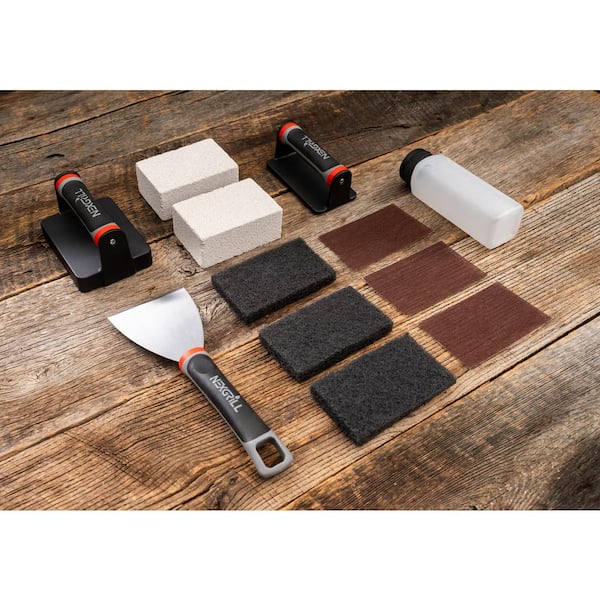
Cleaning your Nexgrill griddle is easier with the right tools. Here’s what you should have on hand:
- Grill scraper or spatula: Removes stuck-on food
- Non-abrasive scouring pad: For scrubbing without scratching
- Paper towels or microfiber cloths: For wiping down
- Warm water: Loosens food residue
- Mild dish soap: Only for deep cleaning, not daily use
- Griddle cleaning solution: Optional, but useful for heavy cleaning
- Spray bottle: For misting water or cleaning solution
- Cooking oil (vegetable or canola): For re-seasoning after cleaning
- Heat-resistant gloves: Protect your hands from hot surfaces
- Grease trap liners: Makes emptying the grease tray easier
Pro tip: Never use steel wool or harsh chemicals—they can ruin your griddle’s finish.
Step-by-step: How To Clean Nexgrill Griddle After Each Use
Cleaning after every use keeps your griddle in top shape and prevents buildup. Here’s a simple routine:
- Turn off and cool: After cooking, turn off the burners and let the griddle cool slightly. It should be warm but not hot to touch.
- Scrape debris: Use a grill scraper to push food bits and grease toward the grease trap.
- Wipe with a damp cloth: Wet a paper towel or cloth with warm water and wipe the surface. For stuck spots, use a non-abrasive pad.
- Rinse and dry: If needed, wipe again with a clean damp towel, then dry the surface thoroughly.
- Re-season lightly: Add a small amount of oil and spread it across the surface with a paper towel. Heat the griddle for a few minutes to set the oil.
Example Cleaning Routine
Let’s say you just finished cooking burgers. Scrape off the crumbs and grease, wipe the surface with a damp cloth, and apply a thin layer of oil. In less than 10 minutes, your griddle is ready for next time.
Common mistake: Skipping the re-seasoning step. This leads to sticking and rust over time.
Deep Cleaning: When And How To Do It
Even with daily cleaning, a griddle needs a deeper clean every few weeks or after messy cooks (like marinades or cheese-heavy dishes). Deep cleaning removes stubborn buildup and keeps the surface smooth.
When To Deep Clean
- After cooking sticky or sugary foods
- If the griddle surface feels rough or sticky
- Every 3–4 weeks with regular use
Deep Cleaning Steps
- Cool and disassemble: Allow the griddle to cool. Remove the grease tray and any detachable parts.
- Scrape thoroughly: Use a scraper to remove all food and grease.
- Use warm, soapy water: Mix a few drops of mild dish soap with warm water. Dip a non-abrasive pad and scrub the surface. Avoid soaking the griddle.
- Rinse well: Wipe with a clean, wet cloth to remove all soap.
- Dry completely: Water left on the griddle causes rust. Towel dry and let air dry briefly.
- Season generously: Apply a thin layer of oil and heat for 10–15 minutes. This restores the non-stick coating.
Important: Avoid Dishwasher And Submersion
Never put your griddle top in the dishwasher or soak it in water. This can warp the metal and destroy the seasoning.
Cleaning The Grease Management System
The grease tray (or cup) collects fats and oils. If not emptied regularly, it can overflow or catch fire.
How To Clean The Grease Tray
- Empty after each use. Don’t let old grease sit for days.
- Wash with warm, soapy water. Dry completely before replacing.
- Use liners. Disposable liners make cleanup easier.
Non-obvious insight: If the grease system clogs, food residue can back up onto the cooking surface. Regular checks prevent this.
Removing Rust From Your Nexgrill Griddle
Even with regular care, rust can appear—especially if your griddle is stored outdoors or cleaned with too much water.
Why Rust Happens
- Moisture left on the surface
- Storing while damp
- Using harsh cleaners
How To Remove Rust
- Heat the griddle slightly: Warm metal is easier to clean.
- Scrape off loose rust: Use a metal scraper or spatula.
- Scrub with oil and salt: Pour some cooking oil and sprinkle coarse salt. Scrub with a paper towel or pad.
- Wipe clean: Remove all salt and rust debris.
- Re-season thoroughly: Apply a generous layer of oil and heat for 20 minutes.
When To Replace
If rust has eaten deep pits into the metal, it might be time for a replacement surface. Minor rust, though, is almost always fixable.
How To Re-season Your Nexgrill Griddle
Seasoning is the process of bonding oil to the griddle’s surface. This creates a non-stick layer and protects against rust.
When To Re-season
- After deep cleaning
- If food starts sticking
- When the surface looks dull or gray
Re-seasoning Steps
- Clean and dry the griddle.
- Apply a thin layer of oil. Use vegetable, canola, or flaxseed oil.
- Heat the griddle: Turn burners to high for 10–15 minutes until the oil smokes.
- Cool and repeat: For best results, repeat the oiling and heating process 2–3 times.
Expert tip: Using too much oil can make the surface sticky. Always wipe off excess oil before heating.

Credit: www.youtube.com
Cleaning Other Parts Of Your Nexgrill Griddle
The cooking surface isn’t the only area that needs attention.
Burners And Heat Controls
- Wipe knobs with a damp cloth.
- Check burner holes for blockages. Use a toothpick or small brush.
- Never spray water directly onto burners.
Body And Frame
- Wash with soapy water and a sponge.
- Rinse and dry thoroughly.
- Cover the griddle when not in use to prevent dust and moisture buildup.
Cleaning Frequency: Daily, Weekly, And Seasonal
How often should you clean your griddle? It depends on how you use it. Here’s a quick breakdown:
| Cleaning Task | Frequency | Reason |
|---|---|---|
| Wipe and re-oil surface | After every use | Prevents buildup, rust |
| Clean grease tray | After every use | Avoids overflow, fire risk |
| Deep clean and re-season | Every 3–4 weeks | Removes stubborn residue |
| Check burners and frame | Monthly | Keeps all parts working |
Non-obvious insight: Storing your griddle with a light coat of oil during humid months can stop flash rust, which often appears overnight.
Credit: www.homedepot.com
What Cleaning Products Are Safe For Nexgrill Griddles?
Not all cleaners are safe for your griddle. Avoid harsh chemicals, oven cleaners, and abrasive powders. Stick to food-safe options.
Safe Choices
- Warm water
- Mild dish soap (sparingly)
- Vinegar and water mix (for odor removal)
- Commercial griddle cleaner (check label for compatibility)
Unsafe Choices
- Bleach
- Oven cleaner
- Steel wool
Comparison: Cleaning Solutions
Here’s a look at how common cleaning solutions compare for safety and effectiveness:
| Solution | Safe for Griddle? | Effectiveness |
|---|---|---|
| Mild dish soap | Yes (rinse well) | High |
| Vinegar and water | Yes | Medium |
| Oven cleaner | No | High (but damages surface) |
| Commercial griddle cleaner | Yes (check label) | High |
Storage And Covering: Keeping Your Griddle Clean
How you store your Nexgrill griddle affects how much cleaning you’ll need to do. Proper storage prevents dust, weather damage, and pests.
Outdoor Storage
- Use a weatherproof cover. This is the single best way to prevent rust.
- Store under a roof or awning if possible.
- Lightly oil the surface before covering.
Indoor Storage
- Clean and dry thoroughly before storing.
- Keep away from moisture.
- Check for signs of rust before next use.
Pest Prevention
- Clean all grease and crumbs.
- Seal openings with foil or mesh if storing outside.
Troubleshooting: Common Cleaning Issues
Even with the best care, problems can happen. Here’s how to handle them:
Sticky Surface After Cleaning
- Cause: Too much oil during seasoning or not enough heat
- Solution: Scrape off sticky layer, wipe with vinegar, and re-season correctly
Black Flakes On Food
- Cause: Old seasoning or burnt food debris
- Solution: Deep clean and re-season
Smelly Griddle
- Cause: Old grease or improper rinsing of soap
- Solution: Heat griddle, wipe with vinegar and water, rinse, and re-season
Water In Burners
- Cause: Over-washing or rain
- Solution: Dry thoroughly before next use; avoid spraying water near burners
Safety Tips When Cleaning Your Nexgrill Griddle
Griddles get hot, and cleaning involves tools and sometimes chemicals. Stay safe with these tips:
- Always let the griddle cool before cleaning deeply.
- Wear heat-resistant gloves when scraping a warm surface.
- Ventilate the area if using cleaning solutions.
- Keep children and pets away during cleaning.
- Dispose of grease responsibly—never pour it down the drain.
How To Make Cleaning Faster And Easier
Cleaning doesn’t have to be a chore. Try these time-saving tricks:
- Clean while warm: Food residue comes off easier when the griddle is still warm.
- Use a spray bottle: Misting water helps loosen stuck bits without soaking the surface.
- Line the grease tray: Disposable liners save time and effort.
- Keep tools nearby: Store your scraper, cloths, and oil in a handy container next to the griddle.
Comparing Nexgrill Griddle Cleaning To Other Brands
How does cleaning a Nexgrill griddle compare with popular brands like Blackstone or Camp Chef?
| Brand | Surface Material | Cleaning Difficulty | Unique Challenges |
|---|---|---|---|
| Nexgrill | Rolled steel or cast iron | Medium | Prone to rust if not oiled |
| Blackstone | Cold-rolled steel | Medium | Seasoning required often |
| Camp Chef | Pre-seasoned cast iron | Easy | Heavy to lift for cleaning |
Insight: Nexgrill griddles are similar to Blackstone but may require slightly more attention to seasoning, especially in humid climates.
Environmental Considerations
Caring for your griddle is also about caring for the planet. Here’s how to clean responsibly:
- Use biodegradable soap and cleaners.
- Dispose of grease in compost or trash, not down the drain.
- Reuse cleaning cloths when possible.
Some cities have rules about grease disposal. Always check local regulations.
When To Call For Professional Help
If your griddle has severe rust, major structural damage, or problems you can’t solve, it may be time to contact Nexgrill customer service or a professional repair service. If you’re unsure, the Nexgrill official site has resources and contact information.
Frequently Asked Questions
How Often Should I Clean My Nexgrill Griddle?
You should wipe and oil your griddle after every use. Deep clean and re-season it every 3–4 weeks, or more often if you cook sticky or sugary foods.
Can I Use Soap To Clean My Griddle?
Yes, but only mild dish soap and only for deep cleaning. Rinse thoroughly to avoid leaving residue that can affect taste or damage seasoning.
What Type Of Oil Is Best For Seasoning?
Vegetable, canola, or flaxseed oil are all good choices. They bond well to the metal and create a durable non-stick layer. Avoid butter or olive oil for seasoning, as they burn at lower temperatures.
Is It Safe To Store My Griddle Outdoors?
Yes, but always use a weatherproof cover. Lightly oil the surface before covering, and check for rust before your next use. If possible, store under a roof to protect from rain and humidity.
My Griddle Is Rusty. Can I Still Use It?
Light rust can be removed with oil, salt, and a scraper. Clean and re-season before cooking. If rust is deep or pitted, consider replacing the griddle top.
Keeping your Nexgrill griddle clean isn’t just about following steps—it’s about building good habits. With regular care, your griddle will deliver delicious meals and last for years. If you ever feel stuck, remember that help and advice are always available at the Nexgrill official site. Happy cooking and happy cleaning!