
Cleaning an enamel stove top may seem like a simple chore, but doing it right makes a big difference. With regular use, food spills, grease, and burnt stains can build up quickly. If you clean it the wrong way, you can scratch or dull the shiny surface. But with the right method, your stove will look new for years and stay safe for cooking. This guide walks you through every step, from daily cleaning to removing tough, baked-on stains. You’ll also learn about the best cleaning products, the tools you need, and common mistakes to avoid. Whether you’re a busy parent, a student, or just want a sparkling kitchen, you’ll find practical advice for every situation.
Understanding Enamel Stove Tops
Enamel stove tops are made by fusing powdered glass onto metal at high temperatures. This process creates a hard, glossy surface that resists stains and heat. The smooth finish is one reason why many people prefer enamel over stainless steel or glass. However, enamel can chip or scratch if you use harsh tools or chemicals. Understanding your stove’s surface helps you choose the safest cleaning methods.
Most modern gas and electric stoves use enamel for their cooktop. The color can be white, black, or other shades, but the cleaning rules are similar. One thing many people miss: although enamel resists stains, it can get discolored if spills are left too long. Regular cleaning is the best way to prevent permanent marks.
Why Proper Cleaning Matters
Keeping your enamel stove top clean is not just about appearance. There are several important reasons to clean it well:
- Safety: Grease and food build-up can catch fire.
- Efficiency: A clean surface heats evenly, so your food cooks better.
- Durability: Scratches and chips from wrong cleaning can shorten the life of your stove.
- Hygiene: Old spills can attract bugs or cause bad smells.
A study by the U. S. Food and Drug Administration found that kitchen surfaces, including stove tops, are often a source of bacteria. Regular cleaning helps avoid this risk.
Tools And Materials You Will Need
Using the right tools protects your enamel stove top and makes cleaning easier. Here’s what you’ll need:
- Microfiber cloths: Soft and gentle, don’t scratch the surface.
- Non-abrasive sponge: For wiping and scrubbing light stains.
- Soft-bristle brush or old toothbrush: Useful for corners and edges.
- Rubber gloves: Protect your hands from chemicals.
- Mild dish soap: Cuts grease without harming enamel.
- Baking soda: Natural gentle abrasive for tough stains.
- White vinegar: Removes grease and shines the surface.
- Spray bottle: For easy application of vinegar or cleaning mixes.
- Paper towels: For drying and spot cleaning.
- Plastic scraper: Only if needed, to lift burnt-on food without scratching.
Avoid: Steel wool, metal brushes, or harsh powders. These can scratch the enamel and ruin the shine.
Daily Cleaning Routine
A quick daily routine keeps your stove top looking good and prevents hard-to-clean stains. Here’s how to do it right:
- Let the stove cool: Never clean while it’s hot.
- Remove grates and burner caps: Lift them off carefully.
- Wipe loose debris: Use a dry cloth or paper towel to remove crumbs and food bits.
- Prepare cleaning solution: Mix a few drops of mild dish soap in warm water.
- Wipe surface: Dip a microfiber cloth in soapy water, wring it out, and wipe the stove top.
- Rinse: Use a clean, damp cloth to remove soap residue.
- Dry: Polish the surface with a dry microfiber cloth for extra shine.
- Clean grates and caps: Wash these separately with soapy water, rinse, and dry.
- Replace grates and caps: Make sure they’re completely dry before putting them back.
Non-obvious tip: Even if your stove looks clean, grease can build up near the burners. Wipe these areas daily to prevent sticky residue.

Credit: www.reddit.com
Deep Cleaning For Tough Stains
Sometimes, food boils over or spills burn onto the enamel stove top. These stains need more attention. Follow these steps for deep cleaning:
- Soften stubborn stains: Place a wet, warm towel over the stain for 10-15 minutes. This loosens dried food.
- Make a baking soda paste: Mix 3 tablespoons of baking soda with 1 tablespoon of water.
- Apply paste: Spread it over the stain and let it sit for 15-20 minutes.
- Gently scrub: Use a non-abrasive sponge or a soft-bristle brush to scrub the area.
- Rinse well: Wipe with a clean, damp cloth to remove all paste and residue.
- Use vinegar for shine: Spray a little white vinegar and wipe for a streak-free finish.
- Dry and polish: Buff with a microfiber cloth.
Expert insight: For very stubborn burnt spots, repeat the process. Never use sharp objects to scrape, as this can chip the enamel.
Cleaning The Grates And Burner Caps
Grates and burner caps usually get greasy and dirty after cooking. Cleaning them well is as important as cleaning the stove top.
- Remove grates and burner caps: Always let them cool first.
- Soak in hot, soapy water: Fill a sink or large bowl with hot water and a few drops of dish soap. Soak for 15-30 minutes.
- Scrub gently: Use a non-abrasive sponge or brush to clean off grease and food.
- Tackle tough spots: For stubborn grease, sprinkle baking soda on the grates and scrub with a damp sponge.
- Rinse and dry: Rinse under running water and dry with a clean towel before putting them back.
Insider tip: Don’t put enamel grates in the dishwasher unless your stove’s manual says it’s safe. The dishwasher’s strong jets can chip the coating.

Credit: www.reddit.com
How To Deal With Burnt-on Residue
Burnt-on stains are the hardest to remove from an enamel stove top. But with patience and the right steps, you can get rid of them without damage.
- Cover with a wet towel: As with deep cleaning, cover the stain with a wet towel for up to 30 minutes.
- Use baking soda paste: Apply and let it sit for 20-30 minutes.
- Scrape gently: Use a plastic scraper to lift softened residue. Never use metal.
- Try vinegar spray: For extra stubborn spots, spray vinegar, let it fizz, then wipe clean.
- Repeat if needed: Sometimes two or three rounds are necessary.
Common mistake: Rushing and scrubbing too hard. This can scratch or dull the enamel. Always use gentle pressure and the right tools.
Comparing Cleaning Methods
Different cleaning methods work for different stains. Here’s a quick comparison to help you choose:
| Cleaning Method | Best For | Time Needed | Risk of Damage |
|---|---|---|---|
| Soapy water & cloth | Everyday cleaning | 5-10 mins | Very low |
| Baking soda paste | Tough stains, grease | 20-30 mins | Low |
| White vinegar spray | Shine, mild stains | 2-5 mins | Very low |
| Commercial cleaner | Baked-on stains | 15-30 mins | Medium (check label) |
Using Commercial Cleaners
Some stains may not respond to home remedies. There are special enamel stove top cleaners available in stores. If you choose to use one, read the label carefully to make sure it’s safe for enamel surfaces.
- Apply only as directed: Some cleaners need to be left on for a few minutes; others work instantly.
- Ventilate the area: Open windows or use a fan, as some cleaners have strong smells.
- Use gloves: Protect your skin from harsh chemicals.
- Rinse well: Always wipe the surface with a damp cloth after cleaning to remove any chemical residue.
Expert advice: Never mix different cleaners. For example, never use bleach and ammonia together. This can create dangerous fumes.
Safe Homemade Cleaning Solutions
Many people prefer homemade cleaners because they are safe, cheap, and eco-friendly. Here are a few simple recipes:
- Baking soda paste: Good for stains and grease.
- Vinegar and water spray: Mix equal parts white vinegar and water. Spray and wipe for shine.
- Lemon juice and salt: For natural bleaching and deodorizing, sprinkle salt on a cut lemon and rub on stains. Wipe clean.
- Hydrogen peroxide and baking soda: For stubborn stains, mix a little hydrogen peroxide with baking soda to make a paste.
Non-obvious benefit: These cleaners are safe for kids and pets, as they don’t leave harmful residues.
What To Avoid When Cleaning Enamel Stove Tops
Some common cleaning mistakes can damage your stove top. Here’s what not to do:
- No steel wool or metal scrapers: These scratch and dull the enamel.
- No harsh chemicals: Avoid oven cleaner, bleach, or anything labeled “abrasive.”
- Don’t soak the stove top: Water can seep into parts and cause rust.
- No high heat after cleaning: Let everything dry before using the stove to avoid cracking.
Quick tip: Always check your stove’s manual. Some enamel tops have special coatings that need extra care.
Cleaning Other Parts Of The Stove
An enamel stove top also has knobs, seams, and edges that collect dirt. Here’s how to clean them:
- Knobs: Remove if possible. Wash with soapy water, rinse, and dry.
- Seams and edges: Use an old toothbrush dipped in soapy water to scrub.
- Control panel: Wipe with a damp cloth, never spray directly to avoid moisture inside.
Practical insight: Small food bits often hide around burner bases. Use a toothpick or cotton swab to clean these areas.
How Often Should You Clean?
How often you clean your enamel stove top depends on your cooking habits:
| Cleaning Task | Light Use | Heavy Use |
|---|---|---|
| Wipe after cooking | Every meal | Every meal |
| Deep clean | Once a week | 2-3 times/week |
| Clean grates/caps | Every 1-2 weeks | Weekly |
| Polish for shine | As needed | Weekly |
Non-obvious tip: Even if you don’t cook much, dust can settle on your stove top. Wipe it at least once a week to keep it looking fresh.
Preventing Future Stains And Damage
Keeping your enamel stove top clean is easier if you prevent stains in the first place:
- Wipe spills right away: The longer a spill sits, the harder it is to clean.
- Use burner liners: These catch drips and can be removed for cleaning.
- Cook with lids: Reduces splatter from sauces and oil.
- Rotate grates: This helps wear them evenly and prevents chipping.
- Check cookware: Pans with rough bottoms can scratch enamel.
Pro tip: Place a silicone mat or paper towel under pots if you expect spills, but never cover the burners during cooking.
How To Restore Shine To Enamel Stove Tops
Over time, even well-cleaned enamel can lose its shine. Here’s how to bring back the glossy look:
- Polish with vinegar: After cleaning, wipe the stove top with a vinegar-dampened cloth.
- Buff with a dry cloth: Microfiber works best for a streak-free finish.
- Use specialty polish: Some stores sell polish made for enamel surfaces.
Advanced tip: If your stove top is very dull, check for fine scratches. Sometimes, a car polish made for enamel can restore shine, but always test a small spot first.
Handling Chips And Scratches
If your enamel stove top gets chipped or scratched, act quickly to prevent further damage:
- Don’t scrub the area: Use only a soft cloth for cleaning.
- Apply a repair kit: Many hardware stores sell enamel touch-up paint.
- Keep dry: Moisture can cause rust under chips.
Important: Repairs are for small chips only. If you have a large damaged area, call a professional.
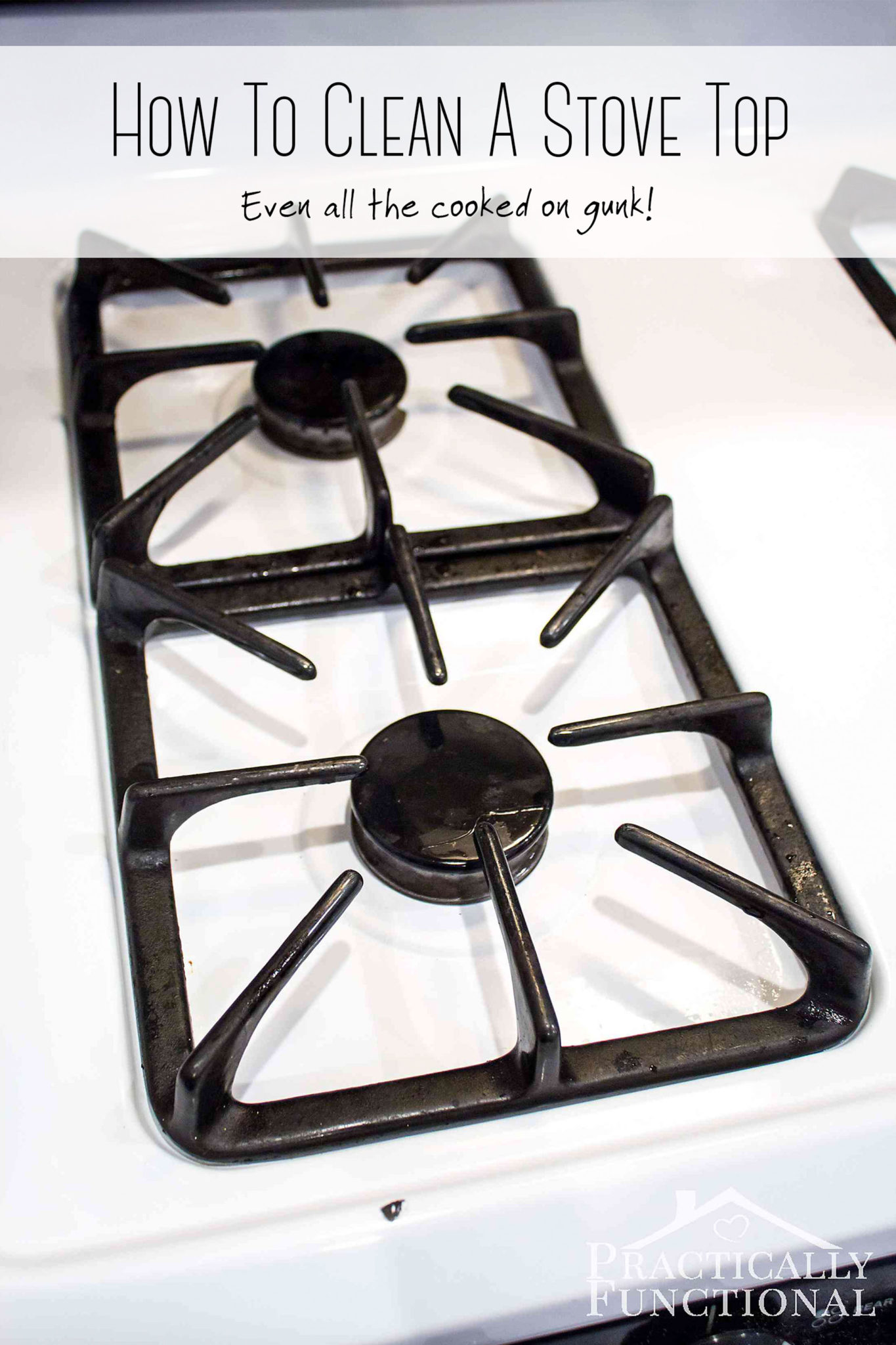
Credit: www.practicallyfunctional.com
Common Mistakes And How To Avoid Them
Many people unknowingly damage their enamel stove top. Here are frequent mistakes and how to prevent them:
- Using abrasive pads: Always use soft cloths or sponges.
- Letting spills sit: Clean up as soon as it’s safe.
- Not drying after cleaning: Water spots can leave marks.
- Mixing chemicals: Stick to one cleaning product at a time.
- Overheating empty burners: This can weaken the enamel.
Practical insight: If you’re unsure about a cleaner, test it on a small, hidden area first.
When To Call A Professional
Most cleaning jobs can be done at home, but sometimes you need expert help:
- Deep chips or cracks: These can cause rust and need professional repair.
- Unusual stains: Some stains may be from chemical reactions and need special treatment.
- Gas smell or burner problems: If you notice a gas leak or burners not working after cleaning, stop and call a technician.
Safety tip: Don’t try to fix gas lines or electrical parts on your own.
Comparing Enamel With Other Stove Top Surfaces
It helps to know how enamel stove tops compare to other popular surfaces:
| Surface Type | Cleaning Difficulty | Scratch Risk | Stain Resistance |
|---|---|---|---|
| Enamel | Easy | Medium | High |
| Stainless steel | Medium | Low | Medium |
| Glass/ceramic | Medium | High | Medium |
Key takeaway: Enamel is easy to clean but needs gentle care to avoid scratches.
Real-life Example: Cleaning A Burnt Enamel Stove Top
Let’s walk through a practical example. Suppose you boiled pasta and the water spilled over, leaving a brown ring on your white enamel stove top:
- Let the stove cool completely.
- Remove grates and burner caps.
- Wipe away loose crumbs.
- Soak the stain: Place a wet towel over the ring for 20 minutes.
- Apply baking soda paste: Cover the stain, wait 20 minutes.
- Scrub gently: Use a soft sponge.
- Rinse and check: If the stain remains, repeat the process.
- Polish with vinegar: For extra shine and to remove odors.
- Dry and replace grates.
In most cases, the stain will lift after two rounds. If not, a safe commercial cleaner can be used as a last resort.
Expert Advice And Advanced Tips
- Test new cleaners: Always try a new product on a small area.
- Keep cleaning supplies nearby: Store cloths and spray in a kitchen drawer for quick access.
- Ventilate: Cleaning releases odors; keep windows open.
- Read the manual: Brands sometimes recommend special products for their stoves.
- Don’t ignore small stains: Even tiny spills can become hard stains if left for days.
For more information about kitchen hygiene, you can check the Wikipedia page on cleaning.
Frequently Asked Questions
How Can I Remove Yellow Stains From A White Enamel Stove Top?
Yellow stains often come from oil or burnt food. Use a baking soda paste and let it sit for 20-30 minutes. Scrub gently with a soft sponge. If the stain is still visible, try lemon juice for natural bleaching. Avoid harsh chemicals, as they can damage the surface.
Is It Safe To Use Magic Erasers On Enamel Stove Tops?
Magic erasers can be used, but with care. They are mildly abrasive, so test on a small spot first. Don’t scrub hard. For regular cleaning, soft sponges are safer.
Can I Put Enamel Stove Grates In The Dishwasher?
Check your stove’s manual. Some enamel grates are dishwasher-safe, but many are not. The strong water jets and heat can chip the enamel. Hand washing is usually the safest option.
How Do I Prevent Scratching My Enamel Stove Top?
Always use soft cloths or sponges. Never use steel wool or rough pads. Avoid dragging heavy pots across the surface. Place cookware gently and rotate grates to wear them evenly.
What Should I Do If My Enamel Stove Top Gets Chipped?
Clean the area gently and keep it dry. Use an enamel repair kit from a hardware store for small chips. For large chips or cracks, call a professional to prevent rust and further damage.
Cleaning your enamel stove top well is easy if you follow the right steps and use gentle tools. Regular care not only keeps your kitchen looking great but also ensures safe and efficient cooking. With these tips, you’ll enjoy a spotless stove top for years to come.