
If you use an Instant Pot often, you know how important it is to keep it clean. Many people focus on the lid, inner pot, and sealing ring, but the heating element is often forgotten. Over time, food spills, grease, and residue can collect on this part. If not cleaned, it can cause smells, affect cooking, or even damage your Instant Pot. Cleaning the heating element might sound scary, but with the right steps, it’s simple and safe.
This guide will show you exactly how to clean your Instant Pot heating element. You’ll learn what tools you need, how to avoid common mistakes, and how to keep your Instant Pot working like new. You’ll also discover tips that experienced users know, but beginners often miss. Whether you’re a first-time owner or a seasoned cook, this article will help you care for your Instant Pot and enjoy safe, tasty meals every time.
Why Cleaning The Instant Pot Heating Element Matters
The heating element is the heart of your Instant Pot. It turns electricity into heat to cook your food. If it gets dirty, several problems can happen:
- Uneven heating: Food residue or grease can block heat, causing uneven cooking.
- Burnt smells: Old spills can burn when you cook, making your kitchen smell.
- Shorter lifespan: Dirt can make the element work harder, which can wear it out faster.
- Safety risks: In rare cases, heavy buildup can cause smoke or even fire.
Cleaning the heating element is not just about appearance. It’s about keeping your Instant Pot safe, efficient, and long-lasting.
Understanding The Instant Pot Heating Element
If you want to clean something well, you need to know what it looks like and where it is.
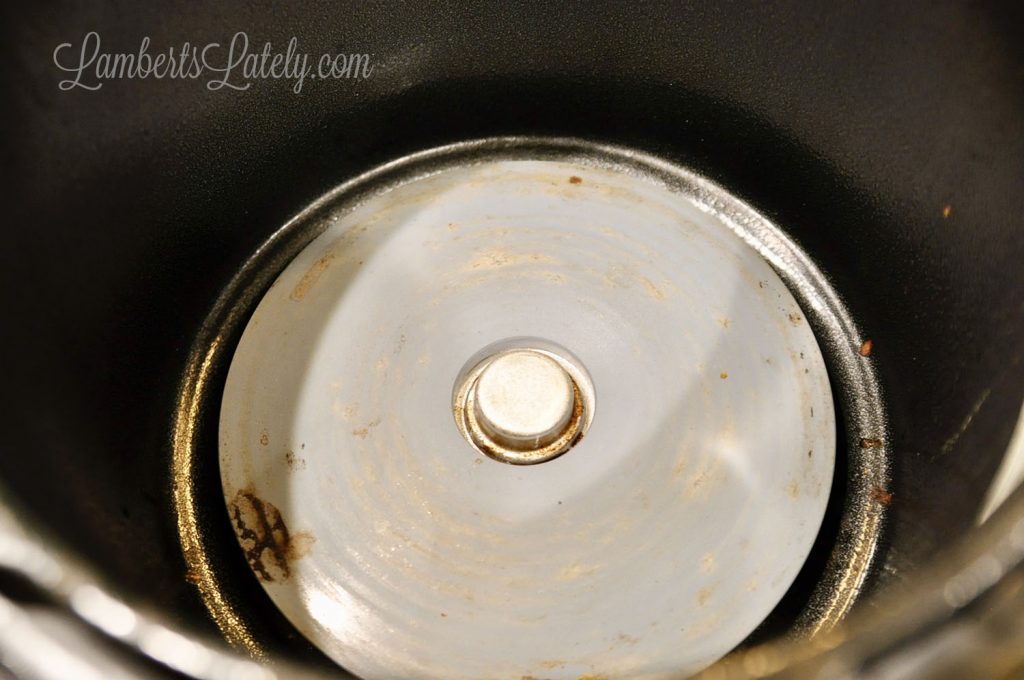
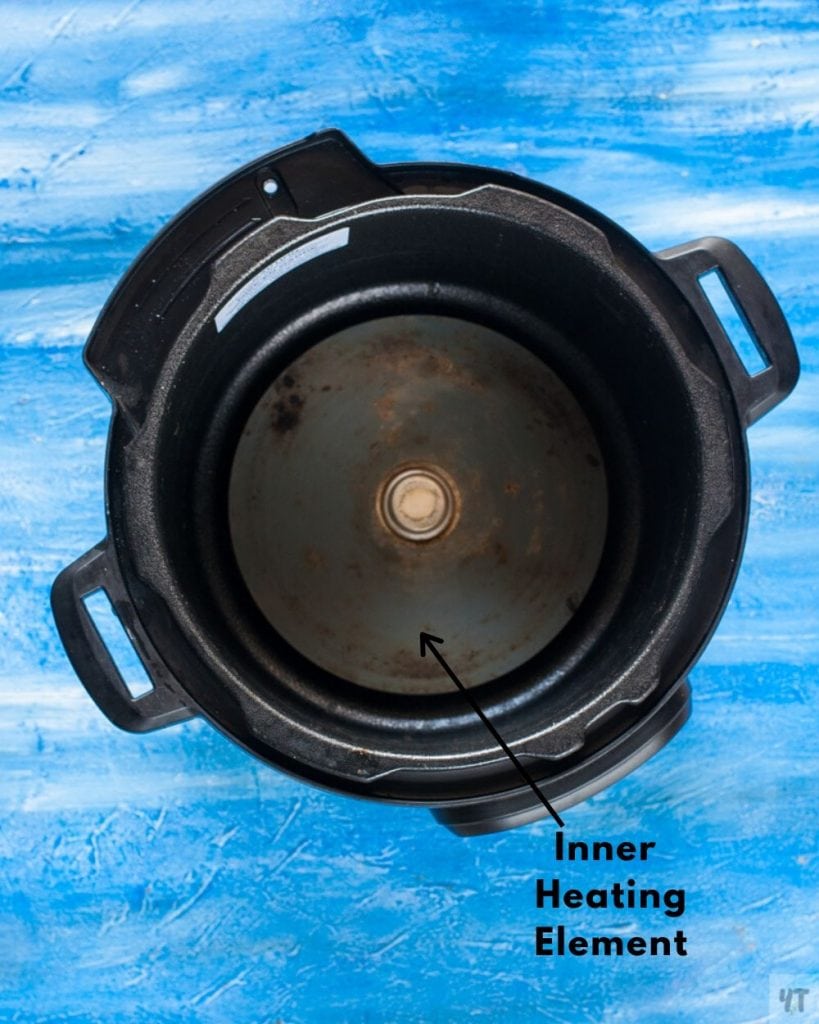
The heating element in most Instant Pots is a round metal coil at the bottom of the base unit (the part that plugs into the wall). You can see it when you remove the inner stainless steel pot. There are different designs, but the main idea is the same.
Some important points:
- Never pour water directly into the base (where the element is).
- The heating element is not removable.
- The base contains electrical parts, so it must stay dry.
Knowing these facts helps you clean safely and avoid damaging your Instant Pot.
Tools And Materials You’ll Need
Before you start, gather these items:
- Soft dry cloth: For wiping dust and loose crumbs.
- Damp cloth or sponge: For sticky spots.
- Cotton swabs: For cleaning tight spaces.
- Soft brush: A clean, dry toothbrush works well.
- Mild dish soap: For greasy residue (never use harsh chemicals).
- White vinegar: For tough stains or smells.
- Paper towels: For drying.
- Vacuum with brush attachment: Optional, but useful for crumbs.
Never use metal scrubbers, strong chemicals, or lots of water. These can damage the heating element.
How To Clean The Instant Pot Heating Element Step By Step
Cleaning the Instant Pot heating element is not hard if you follow these steps. Take your time, and don’t rush.
1. Unplug And Cool Down
Always make sure your Instant Pot is unplugged and completely cool before cleaning. Even a warm element can cause burns, and electricity and water don’t mix.
2. Remove The Inner Pot And Accessories
Take out the stainless steel inner pot, steam rack, and any accessories. This gives you access to the heating element in the base.
3. Wipe Away Loose Debris
Use a dry cloth or a soft brush to gently sweep away crumbs or loose food from the heating element and the base. For the space between the element and the walls, a small brush or cotton swab helps.
4. Clean Sticky Residue
If you see sticky or oily spots:
- Dampen a cloth or sponge with a little water and mild dish soap.
- Wring out the cloth until it’s just damp, not wet.
- Wipe the heating element and the area around it gently.
- For stubborn spots, let the damp cloth rest on the spot for a minute, then wipe again.
Never pour or spray water into the base. You want to avoid any liquid getting into the electrical parts.
5. Use Vinegar For Smells Or Stubborn Stains
If you notice burnt smells, or if soap and water don’t remove a stain:
- Dampen a cloth with white vinegar.
- Gently rub the stained area.
- Wait a few minutes, then wipe again with a damp cloth (water only) to remove vinegar.
Vinegar helps break down mineral deposits and removes odors.
6. Clean Tight Spaces
Use cotton swabs or a dry toothbrush to gently clean crumbs or residue from narrow spaces. Pay attention to the edges where the element meets the base.
7. Dry Everything
Use a paper towel or dry cloth to remove any moisture. Make sure the base and the heating element are completely dry before putting the inner pot back or plugging in the Instant Pot.
8. Check The Cord And Plug
While cleaning the base, inspect the power cord and plug. If you see damage, do not use the Instant Pot until it’s fixed or replaced.
9. Reassemble And Store
Once everything is clean and dry, replace the inner pot and accessories. Your Instant Pot is now ready for your next recipe.
How Often Should You Clean The Heating Element?
The right cleaning schedule depends on how often you use your Instant Pot and what you cook. Here’s a simple guide:
| Usage | Recommended Cleaning |
|---|---|
| Daily/Heavy Use | Check after every 2-3 uses; wipe if needed |
| Weekly Use | Check weekly; clean monthly or as needed |
| Occasional Use | Check before each use; clean if you see residue |
If you spill food or liquid into the base, clean the heating element right away. Waiting makes stains harder to remove and can lead to smells or damage.
Common Mistakes To Avoid
Cleaning the heating element seems simple, but beginners often make mistakes that can harm their Instant Pot. Here are the most common errors:
- Using too much water: Even a little excess water can seep into the base and damage electrical parts. Always use a damp, not wet, cloth.
- Spraying cleaner directly: Spray cleaner onto the cloth, not the element or base.
- Scrubbing with metal or rough tools: These can scratch or damage the heating element.
- Plugging in before dry: Even small amounts of moisture can cause a short circuit.
- Ignoring burnt spots: Burnt residue can get worse over time. Clean as soon as you notice it.
- Using harsh chemicals: Bleach, oven cleaners, or strong chemicals can corrode the element.
What If Food Or Liquid Spills Into The Base?
Sometimes, food or liquid spills into the base unit, not just on the heating element. This can be scary, but here’s what to do:
- Unplug immediately: Safety first.
- Tip the base gently: Turn it upside down over a towel to help liquid drain out.
- Let it dry: Place the base in a warm, dry area for at least 24 hours. Some people use a fan to speed up drying.
- Do not use until completely dry: If any moisture remains, you risk electric shock or damage.
- Check for smells or visible residue: Once dry, clean the heating element as described above before using your Instant Pot again.
If you spilled a lot of liquid or if you’re unsure, contact Instant Pot customer service for advice.
Preventing Messes On The Heating Element
Prevention is better than cleaning. These tips help you avoid spills and keep your heating element clean:
- Use enough liquid: Always follow Instant Pot recipes, which require a minimum amount of liquid.
- Check the sealing ring: A loose or misplaced ring can cause leaks.
- Don’t overfill: Stay below the ‘Max’ line. Overfilling can cause food to bubble over.
- Clean the inner pot and lid: A dirty inner pot can lead to spills inside the base.
- Wipe the base after each use: Even if you don’t see a mess, a quick wipe prevents buildup.
How The Heating Element Gets Dirty
Many people wonder why the heating element gets dirty, even if they use the Instant Pot carefully. Here are some reasons:
- Boiling over: Starchy foods like rice or pasta can bubble up and spill.
- Condensation: Steam from cooking can carry small particles, which settle on the element.
- Accidental drops: When moving the inner pot, drops of sauce or soup can fall into the base.
- Oil splatter: Sautéing at high heat can cause oil to splatter below the pot.
Knowing these causes helps you pay attention and prevent messes.
Deep Cleaning: When And How
Most of the time, regular cleaning is enough. But sometimes you need a deep clean if:
- You notice burnt smells you can’t remove.
- The heating element has visible discoloration or heavy buildup.
- You bought a used Instant Pot.
Here’s how to deep clean safely:
1. Gather Materials
- White vinegar
- Baking soda (optional)
- Soft brush
- Cotton swabs
2. Unplug And Cool
Always start with the Instant Pot unplugged and cool.
3. Make A Vinegar Solution
Mix one part white vinegar with one part water. Dip a cloth in the solution and wring it out so it’s damp, not wet.
4. Wipe And Scrub
Gently wipe the heating element and base. For stubborn spots, sprinkle a little baking soda on a damp cloth and rub gently. Avoid getting baking soda into the base.
5. Clean Small Areas
Use cotton swabs dipped in vinegar to clean tight spaces.
6. Remove Odors
If odors remain, leave a vinegar-dampened cloth on the element for 10 minutes, then wipe dry.
7. Dry Thoroughly
Let the unit air dry for at least 12 hours before use.
Deep cleaning should not be done often—only when regular cleaning isn’t enough.
Comparing Instant Pot Models: Heating Element Differences
Not all Instant Pots are built the same. Let’s compare a few popular models:
| Model | Heating Element Design | Cleaning Difficulty |
|---|---|---|
| Instant Pot Duo | Exposed coil | Easy |
| Instant Pot Lux | Exposed coil | Easy |
| Instant Pot Ultra | Partially covered | Moderate |
| Instant Pot Pro | Fully covered plate | Most difficult |
If your model has a covered element, you may need to use a thin brush or more cotton swabs to reach residue. Always check your owner’s manual for advice.
When To Replace Your Instant Pot Heating Element
Most heating elements last for many years. But sometimes, they wear out or get damaged. Signs you may need a replacement:
- Uneven cooking: Food takes longer, or some spots burn while others are raw.
- Strange noises: Clicking, popping, or buzzing from the base.
- Visible damage: Cracks, heavy corrosion, or burnt areas that don’t clean off.
- Instant Pot won’t heat: No heat, even when plugged in and powered on.
If you notice these problems, contact Instant Pot support. Never try to replace the heating element yourself unless you are a trained technician—there are electrical risks.
Credit: www.lambertslately.com
Troubleshooting: Problems Related To A Dirty Heating Element
Sometimes, cleaning the heating element can solve Instant Pot problems. Here are a few examples:
- “Burn” error: This warning sometimes appears if the element has burnt-on residue.
- Food not cooking: A dirty or greasy element may not heat properly.
- Bad smells: Old spills on the element can cause smells that stick to new food.
- Smoke or steam from base: This can mean food or oil is burning on the element.
If you see these issues, try cleaning the heating element first before calling for repairs.
Instant Pot Heating Element Vs. Other Appliances
You might wonder: How is cleaning an Instant Pot’s heating element different from a stove or air fryer?
| Appliance | Heating Element Location | Cleaning Method |
|---|---|---|
| Instant Pot | Inside base, non-removable | Damp cloth, no water inside base |
| Air Fryer | Top, often exposed | Brush and wipe, avoid water |
| Electric Oven | Bottom or top, exposed coils | Dry brush, sometimes oven cleaner |
The key difference: the Instant Pot’s base contains sensitive electronics. Always keep it dry.

Credit: www.reddit.com
Extra Tips For A Spotless Heating Element
Here are a few bonus tips many people don’t know:
- Store with lid upside down: This lets moisture escape, preventing smells and corrosion.
- Use a silicone mat under the inner pot: This catches spills before they reach the element (but only use approved mats).
- Vacuum crumbs: A small vacuum with a brush attachment quickly removes crumbs without risk.
- Inspect after cooking sticky foods: Sauces, syrups, and beans are more likely to cause spills.
- Travel carefully: If you carry your Instant Pot to events, secure the inner pot and lid to avoid spills in the base.
What Not To Do: Myths And Bad Advice
You may read advice online that is not safe. Avoid these mistakes:
- Putting the base in water: Never wash the base in the sink.
- Using compressed air: This can force crumbs deeper into the unit.
- Running the unit empty to “burn off” residue: This can damage the element and is not effective.
- Using bleach or ammonia: These chemicals can corrode the metal.
Stick to gentle cleaning and mild products to keep your Instant Pot safe.
Why Some Heating Elements Last Longer
Some Instant Pot heating elements seem to last longer than others. Why? Here are a few factors:
- Regular cleaning: Prevents buildup and corrosion.
- Avoiding spills: Less exposure to liquids and food.
- Proper storage: Storing in a dry area avoids rust.
- Not overloading recipes: Less mess keeps the heating element safe.
If you want your Instant Pot to last, take a minute to clean the heating element after messy meals.
Where To Find More Help
If you’re unsure about cleaning your model or have a tough problem, check your Instant Pot manual or visit the official Instant Pot support page. They have guides, videos, and expert advice.
Credit: www.yellowthyme.com
Frequently Asked Questions
How Do I Know If My Instant Pot Heating Element Needs Cleaning?
If you see crumbs, sticky spots, or discoloration, or if you notice burnt smells while cooking, it’s time to clean the heating element. It’s also smart to check after cooking starchy or sticky foods.
Can I Use Baking Soda To Clean The Heating Element?
Yes, but only in small amounts. Make a paste with water and apply it to stubborn spots using a damp cloth. Wipe clean with a damp cloth afterward. Do not let baking soda get into the base.
What Happens If I Get The Base Of The Instant Pot Wet?
If water gets into the base, unplug the unit right away. Let it dry for at least 24 hours in a warm, dry place before using it. Do not use the Instant Pot if it’s still wet inside.
Is It Safe To Use Vinegar On The Heating Element?
Yes, white vinegar is safe and helps remove stains and smells. Use a damp (not wet) cloth with vinegar, and wipe again with plain water to remove any residue.
How Often Should I Deep Clean The Heating Element?
Deep cleaning is usually only needed if you notice burnt smells, heavy buildup, or buy a used Instant Pot. For most users, regular wiping after spills is enough.
Caring for your Instant Pot heating element is simple, but it makes a big difference. Clean it regularly, avoid common mistakes, and your Instant Pot will reward you with many years of safe, delicious meals.