
Cleaning your Opal ice maker might not be your favorite task, but it’s essential for fresh, great-tasting ice and a long-lasting machine. Over time, minerals, mold, and bacteria can build up inside your ice maker. If you notice cloudy, odd-tasting ice or a musty smell, it’s time to give your Opal a deep clean. Many owners are surprised to learn that vinegar is one of the safest and most effective cleaners for their Opal ice maker. It’s natural, affordable, and tough on mineral deposits.
This guide gives you practical, step-by-step instructions for cleaning your Opal ice maker with vinegar. You’ll learn what supplies you need, how to clean each part, how often to clean, and some expert tips to avoid common mistakes. Whether you’re new to Opal or you’ve owned one for years, you’ll find actionable advice here to keep your ice maker in top shape.
Why Clean Your Opal Ice Maker?
Keeping your ice maker clean is not just about looks. It’s about health, performance, and taste. When you skip cleaning, limescale and biofilm build up quickly. This can lead to:
- Cloudy or bad-tasting ice
- Slow or reduced ice production
- Mold and bacteria growth
- Machine malfunctions
A clean ice maker works more efficiently and lasts longer. Many users don’t realize that even tap water contains minerals that slowly coat the ice maker’s parts. If you live in an area with hard water, the buildup is even faster.
Regular cleaning also keeps your ice from smelling or tasting strange. If you’ve ever had ice that tasted like your freezer, that’s a sign the machine needs cleaning!
Why Use Vinegar For Cleaning?
Many cleaning products are not safe for ice makers. Some can damage the internal parts or leave residues that affect your ice. Vinegar is a natural acid that dissolves mineral deposits, kills bacteria, and eliminates odors. It’s food-safe and very affordable.
Here’s why vinegar stands out:
- Non-toxic: You don’t need to worry about chemical residues.
- Effective on scale: Breaks down calcium, limescale, and rust.
- Deodorizes: Removes musty or stale smells.
- Easy to rinse: No foaming or sticky residue.
However, it’s important to use the right vinegar (distilled white vinegar) and follow the correct process to avoid damaging any parts.
What You’ll Need
Before you start, gather these cleaning supplies:
- Distilled white vinegar (at least 2 quarts)
- Clean water
- Soft sponge or cloth
- Bottle brush or old toothbrush
- Measuring cup (for accurate vinegar/water ratio)
- Clean towel
- Mild dish soap (optional, for exterior surfaces)
- Gloves (if you have sensitive skin)
- Small bowl or cup (for cleaning small parts)
Having everything ready makes the process smooth and stress-free.
Types Of Opal Ice Makers And Cleaning Needs
Opal ice makers come in different models, such as the Opal Nugget Ice Maker and the Opal 2.0. Most share similar cleaning steps, but some have extra features like side tanks or smart controls.
Here’s a quick comparison of cleaning needs:
| Model | Water Reservoir | Removable Parts | Cleaning Cycle Option |
|---|---|---|---|
| Opal 1.0 Nugget | Yes | Yes | Manual Only |
| Opal 2.0 | Yes (+ side tank) | Yes | Automatic & Manual |
| Opal Side Tank | Yes (as add-on) | Yes | Requires separate cleaning |
Always check your user manual for your specific model. This guide works for all Opal ice makers, but minor details can vary.
How Often To Clean Your Opal Ice Maker
Regular Cleaning Prevents Problems. But How Often Is Enough?
- Light use (few times a week): Clean every 2-3 months.
- Daily use: Clean every month.
- Hard water: Clean every 3-4 weeks.
- If you see mold or bad smells: Clean immediately.
Remember, cleaning too late can make the process much harder. If you notice white spots, slimy residue, or poor ice quality, don’t wait.
Safety Tips Before You Start
Cleaning with vinegar is safe, but keep these tips in mind:
- Unplug the ice maker before cleaning.
- Never use boiling water inside the machine.
- Don’t use bleach or strong chemicals. They can damage parts and leave toxins.
- Avoid sharp tools. They scratch plastic and metal.
- Allow the machine to cool down after making ice.
Always work in a well-ventilated area. Vinegar has a strong smell, but it fades quickly after rinsing.
Credit: www.bibliotecaoscura.com
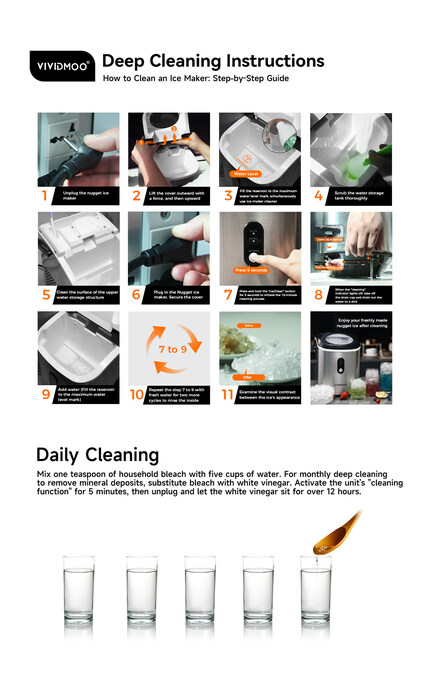
Step-by-step: Cleaning Your Opal Ice Maker With Vinegar
Cleaning your Opal ice maker can take about 1–2 hours, depending on buildup. Here’s the process:
1. Power Down And Empty The Ice Maker
- Turn off and unplug your Opal ice maker.
- Remove all ice from the bin. Discard any leftover ice.
- Take out the water reservoir and any removable parts (side tank, drip tray).
2. Disassemble Removable Parts
- Carefully remove the ice bin, side tank (if present), and drip tray.
- Place them in the sink for separate cleaning.
- If any part feels stuck, check the manual. Forcing parts can break them.
3. Prepare Vinegar Solution
- Mix equal parts distilled white vinegar and water.
- For tough scale, you can use undiluted vinegar.
- Fill a measuring cup with the solution.
4. Clean Removable Parts
- Soak removable parts in the vinegar solution for 10–20 minutes.
- Use a soft sponge or bottle brush to scrub off buildup.
- Rinse thoroughly with clean water.
- Dry with a clean towel.
5. Clean The Water Reservoir
- Pour the vinegar solution into the reservoir up to the fill line.
- Let it sit for 10–15 minutes to break down mineral deposits.
- Use a bottle brush to scrub any corners or buildup.
- Rinse with fresh water until the vinegar smell is gone.
6. Run A Vinegar Cleaning Cycle
Most Opal models have a cleaning mode:
- Pour the vinegar solution into the main water reservoir.
- Plug the machine back in.
- Press and hold the “Clean” button for 3 seconds (or as directed in your manual).
- The cleaning cycle takes about 20–30 minutes. The machine circulates the vinegar to clean internal parts.
- If your model doesn’t have a cleaning cycle, run the ice maker as usual with vinegar instead of water. Collect any ice (it will be mostly vinegar) and discard it.
7. Rinse Thoroughly
- After the cleaning cycle, drain all liquid from the machine.
- Fill the reservoir with clean water (no vinegar) and run a rinse cycle.
- Repeat this rinse process 2–3 times until there is no vinegar smell.
- Don’t skip this step. Vinegar can affect the taste of your ice if not fully rinsed out.
8. Clean The Exterior
- Wipe the outside with a damp cloth and a drop of mild dish soap.
- Dry with a towel.
- Pay attention to the ice chute and lid, as these can collect fingerprints and dust.
9. Reassemble And Test
- Put all parts back in place.
- Fill the machine with fresh water.
- Run an ice-making cycle and discard the first batch of ice. This ensures any last vinegar is removed.
- Check for any unusual tastes or smells. If present, repeat the rinse cycle.
Deep Cleaning Tips For Stubborn Buildup
Sometimes, the regular cleaning steps aren’t enough. If you see thick scale or slime, try these expert tips:
- Use a bottle brush to scrub hard-to-reach tubes and corners.
- For really stubborn deposits, soak parts in undiluted vinegar for 30 minutes.
- Use a toothpick or cotton swab for small crevices.
- Avoid using metal brushes or abrasive pads; these scratch the surfaces.
If you still see scale after multiple cleanings, you may need to repeat the process or consider a specialized descaler (make sure it’s ice maker-safe).
How Vinegar Cleaning Compares To Other Methods
You might wonder: is vinegar the best way to clean an Opal ice maker? Let’s compare some common options.
| Cleaning Method | Effectiveness | Safety | Cost |
|---|---|---|---|
| Vinegar | Excellent for scale, odor, bacteria | Food-safe, natural | Low |
| Ice maker cleaning solution | Very good, designed for machines | Usually safe, check label | Medium |
| Bleach | Kills bacteria/mold, not for scale | Can leave toxins | Low |
| Lemon juice | Decent for odor, not as strong for scale | Food-safe | Medium |
Vinegar is the best balance for most homes: safe, cheap, and effective.
Signs Your Opal Needs Cleaning
It’s easy to forget, but these warning signs mean it’s time to clean:
- Ice looks cloudy or white instead of clear.
- Ice smells bad or tastes off.
- Ice production slows down or stops.
- Visible slime or spots inside the reservoir or bin.
- Machine is louder than normal.
Don’t ignore these signs. They can get worse and lead to expensive repairs.
What Not To Do: Common Cleaning Mistakes
Even experienced users can make mistakes when cleaning their Opal. Avoid these:
- Using bleach or harsh chemicals: They can corrode parts and are unsafe for food surfaces.
- Forgetting to rinse: Even a small amount of vinegar left inside will affect ice taste.
- Scrubbing with metal or abrasive tools: These scratch the surfaces and promote more buildup.
- Running the machine with no water: This can burn out the pump.
- Using flavored vinegar: Only use plain, distilled white vinegar.
- Ignoring the side tank: If you use one, clean it separately.
- Skipping cleaning cycles: Manual cleaning is not enough; always use the cleaning mode if your model has it.
Special Care For Opal Side Tank
If your model has a side tank, it needs extra attention.
- Remove the tank and empty any water.
- Fill it with a 50/50 vinegar and water mix. Let it sit for 20 minutes.
- Shake gently, then scrub inside with a bottle brush.
- Rinse several times with clean water until the vinegar smell is gone.
- Wipe the outside with a damp cloth.
Repeat every time you clean the main machine.
How To Keep Your Opal Ice Maker Cleaner For Longer
Prevention makes cleaning much easier. Use these habits:
- Only use filtered or distilled water. Tap water leaves more deposits.
- Empty and dry the reservoir if you won’t use the machine for several days.
- Store the ice maker in a cool, dry place.
- Wipe the exterior weekly to prevent dust and grime buildup.
- Clean and dry the side tank after each use.
Following these habits can cut your cleaning time in half and extend your machine’s life.
What To Do If You Still Have Problems
Sometimes, regular cleaning isn’t enough. If your ice is still poor quality or the machine isn’t working, try these steps:
- Run another cleaning cycle with vinegar.
- Check for clogs or stuck parts in the ice chute or water lines.
- Make sure the machine is level and not overfilled.
- Try using distilled water instead of tap water.
- If you see visible mold or black spots that don’t go away, contact customer support.
Never try to open the machine body or tamper with the motor, as this can void your warranty.
Step-by-step Quick Reference Checklist
Here’s a quick checklist for routine cleaning:
- Unplug the machine.
- Empty ice bin and reservoir.
- Remove and soak all removable parts in vinegar solution.
- Scrub and rinse parts, then dry.
- Fill reservoir with vinegar solution.
- Run cleaning cycle.
- Drain machine.
- Fill with clean water and run rinse cycles.
- Wipe exterior.
- Reassemble and test with a new batch of ice.
Print or save this list for easy reference.
Real-world Example: Cleaning Frequency Impact
A 2022 survey of Opal ice maker owners found:
- 82% of users who cleaned every month reported no taste or odor problems.
- 59% who cleaned every 3–4 months reported at least one issue (cloudy ice, odd taste, machine noise).
- 25% of owners had to replace parts due to limescale buildup—almost always after skipping cleanings.
Regular maintenance is proven to prevent issues and save money in the long run.

Credit: www.youtube.com
Troubleshooting: After Cleaning
After cleaning, you might notice:
- Slight vinegar smell: Run more rinse cycles with fresh water.
- Squeaking or noise: Check for any parts not reinstalled correctly.
- No ice production: Ensure all water tanks are properly seated and the machine is plugged in.
If problems persist, consult the user manual or reach out to support. Never force any part or use tools to open the machine.
How To Store Your Opal Ice Maker Between Uses
If you only use your Opal for special events or during summer, store it properly to avoid mold and buildup.
- Clean thoroughly with vinegar before storage.
- Dry all parts completely.
- Leave the lid or bin slightly open to let air circulate.
- Store in a dry, cool place away from direct sunlight.
This prevents mildew and keeps your ice tasting fresh when you need it again.
Credit: www.prnewswire.com
Environmental Impact: Why Vinegar Is A Smart Choice
Choosing vinegar over commercial cleaners isn’t just about cost. Vinegar is biodegradable and non-toxic. Using it reduces the number of plastic bottles and harsh chemicals that end up in landfills and water systems.
Many ice maker cleaning solutions contain phosphates or surfactants that harm fish and soil. By sticking with vinegar, you make a greener, safer choice for your home and the planet.
Professional Cleaning Vs. Diy
Should You Ever Pay For A Professional Cleaning?
- Professional cleaning is rarely necessary for home ice makers if you keep up regular maintenance.
- If you notice deep mold, repeated problems, or the machine is used in a business, consider a professional once a year.
- Most Opal owners find DIY cleaning with vinegar is enough, affordable, and easy.
What To Do If Your Opal Is Still Under Warranty
If your ice maker is new or under warranty:
- Always follow cleaning instructions in the user manual.
- Don’t open or modify the machine.
- Keep receipts and a cleaning log (date, what you cleaned, any issues).
If you need help, contact the manufacturer’s support for advice or service options. Using vinegar as described here is safe and will not void your warranty.
Summary: Key Takeaways
- Clean your Opal ice maker every 1–3 months, or more often with hard water.
- Use distilled white vinegar for safe, effective cleaning.
- Always rinse thoroughly to remove any vinegar taste or smell.
- Pay attention to both removable parts and internal cleaning cycles.
- Prevent buildup by using filtered water and drying between uses.
A well-cared-for Opal ice maker gives you delicious, clear ice for years to come—with little effort once you build good habits.
Frequently Asked Questions
How Much Vinegar Should I Use To Clean My Opal Ice Maker?
For most Opal ice makers, use a mix of equal parts distilled white vinegar and water. You’ll need about 2 quarts total for a deep clean, enough to fill the reservoir and soak removable parts.
Can I Use Apple Cider Vinegar Or Other Types Of Vinegar?
No, always use distilled white vinegar. Apple cider and other types can leave sticky residues and flavors. Distilled white vinegar is clear, food-safe, and best for removing mineral buildup.
How Do I Remove The Vinegar Smell After Cleaning?
Run at least 2–3 rinse cycles with clean water. Discard the first batch of ice after rinsing. If you still notice a smell, repeat the rinse. The odor will fade quickly with proper rinsing.
Is It Safe To Clean The Opal Ice Maker With Bleach?
Avoid bleach. It’s too harsh and can damage the machine’s parts. It also leaves dangerous residues. Vinegar is much safer and just as effective for most cleaning needs.
Where Can I Find The Official Cleaning Instructions For My Opal Model?
Check your user manual or the official GE Appliances website for the latest guides. For detailed instructions, visit GE Appliances Opal Support.
Taking care of your Opal ice maker is easier than you think. With regular cleaning and simple vinegar solutions, you’ll enjoy the best ice and keep your machine running smoothly for years.