
Grease stains on painted kitchen cabinets are a common problem for many homes. Over time, cooking oils, smoke, and food splatters create sticky, tough layers that stick to surfaces. These greasy patches can make cabinets look dull and dirty, even if you clean regularly. But there is good news: you can remove grease and restore the shine to your painted cabinets without damaging the paint. This guide will show you step-by-step methods, useful tips, and explain what products and tools work best. You will learn how to clean painted kitchen cabinets grease safely, avoid mistakes, and keep your kitchen looking fresh.
Many people worry about ruining the paint or leaving marks when they clean grease. Others try strong chemicals or scrub too hard, which can cause more harm than good. The truth is, you can clean cabinets well with simple methods if you understand the right approach.
Whether your cabinets are glossy, matte, or satin painted, this article will give you practical advice from real cleaning experts. Let’s explore how to tackle grease, protect your paint, and make your kitchen cabinets look beautiful again.
Why Grease Builds Up On Painted Kitchen Cabinets
Grease is everywhere in kitchens. Cooking, frying, and baking release oils and fats into the air. These tiny droplets float and land on surfaces, especially cabinets near the stove. Over time, these droplets mix with dust, creating thick, sticky spots.
Painted surfaces attract grease because:
- Smooth paint holds oil more easily than wood grain.
- Heat and steam from cooking soften paint, making it more porous.
- Frequent handling spreads oils from hands to cabinet doors.
Grease buildup is worse in kitchens with poor ventilation or if you cook often. Even small daily splatters add up, and after a few months, the cabinets can look yellow, dull, or sticky. Understanding why grease sticks helps you choose the right cleaning method.
The Risks Of Cleaning Grease On Painted Cabinets
Cleaning painted cabinets needs care. Paint is not as tough as laminate or metal. If you use the wrong products or scrub too hard, you can:
- Remove paint or cause peeling.
- Scratch the surface.
- Leave behind streaks or dull areas.
- Make the finish uneven.
Common mistakes include using bleach, strong degreasers, or rough pads. These can strip color and damage the look of your kitchen. Some people also forget to dry the cabinets, leading to water spots or swelling.
It’s important to use gentle cleaners, soft tools, and proper technique. This keeps the paint safe and removes grease fully. If you know the risks, you can avoid costly repairs and keep your cabinets looking new.
What You Need Before You Start
Preparation is the key to easy cleaning. Gather these items before you begin:
- Soft microfiber cloths (at least 3–4)
- Warm water
- Mild dish soap (no bleach or ammonia)
- White vinegar
- Baking soda
- Spray bottle
- Soft sponge (no rough side)
- Old toothbrush (for corners)
- Rubber gloves
- Dry towels
Optional extras:
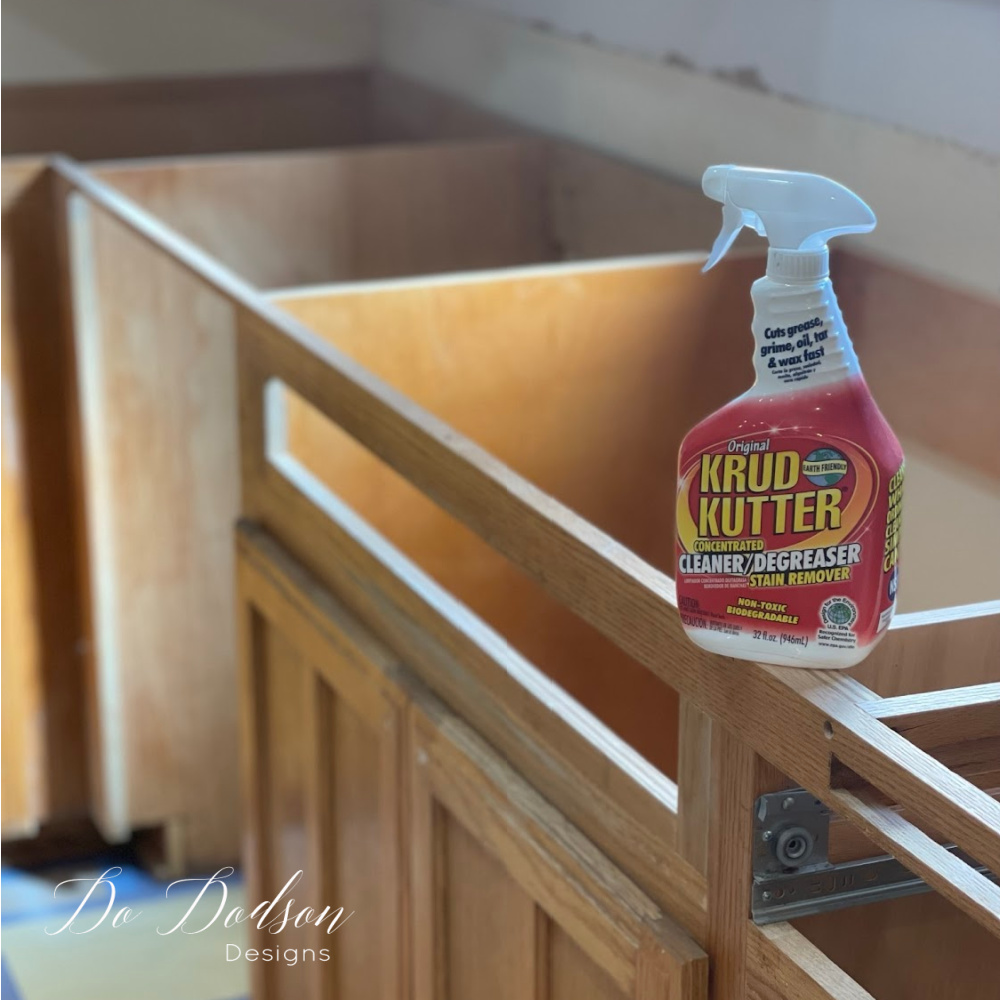
- Wood or paint-safe degreaser (if grease is very thick)
- Magic eraser (for stubborn marks)
- Paint touch-up kit (for chips)
Check that your cleaning products are safe for painted surfaces. Always test a small area first to make sure the paint does not react.
Step-by-step Cleaning Method For Painted Cabinets
Cleaning painted kitchen cabinets grease requires a gentle but effective approach. Here’s how to do it:
1. Remove Surface Dust And Loose Dirt
Start by wiping down the cabinets with a dry microfiber cloth. Dust and crumbs mix with grease, making cleaning harder. Focus on door edges, handles, and corners where dirt collects.
2. Prepare A Gentle Cleaning Solution
Mix warm water with a few drops of mild dish soap in a bowl or spray bottle. This solution is safe for most painted surfaces and breaks down grease without harsh chemicals.
For extra cleaning power, add 1–2 tablespoons of white vinegar. Vinegar helps dissolve sticky oils but is mild enough for paint.
3. Wipe Cabinets With The Solution
Dip a soft cloth into the soapy water, wring out excess liquid, and gently wipe the cabinet doors and frames. Move in circles to lift grease. Avoid soaking the cabinets—too much water can damage paint.
Pay attention to:
- Areas near the stove
- Door handles
- Lower cabinet edges
If grease is thick, let the solution sit for 2–3 minutes before wiping.
4. Tackle Stubborn Grease Spots
For tough spots, sprinkle a small amount of baking soda on a damp cloth. Rub gently. Baking soda is abrasive but soft enough not to scratch paint. Use an old toothbrush for grooves and corners.
Never use steel wool or rough pads. These leave scratches and can ruin paint.
5. Rinse And Dry
Wipe cabinets with a clean, damp cloth to remove soap residue. Then, dry immediately with a towel. This prevents water marks and protects paint.
6. Clean Cabinet Hardware
Handles, knobs, and hinges often collect grease. Remove them if possible, soak in soapy water, scrub, and dry. If you can’t remove them, use a toothbrush to clean around the edges.
7. Polish For Extra Shine
If your paint is glossy, you can use a small amount of furniture polish or cabinet-safe wax for extra shine. Apply with a dry cloth and buff gently.
8. Touch Up Paint If Needed
If you notice chips or dull spots after cleaning, use a paint touch-up kit. Match the paint color and apply as needed.
The Best Cleaning Solutions For Grease Removal
Many products promise to remove grease, but not all are safe for painted cabinets. Here are the best options:
| Cleaner | Safe for Paint? | Effectiveness | Notes |
|---|---|---|---|
| Mild dish soap | Yes | Moderate | Best for regular cleaning |
| White vinegar | Yes | High | Good for sticky grease |
| Baking soda | Yes | High | Use for tough spots only |
| Paint-safe degreaser | Yes (check label) | Very high | For thick buildup |
| Bleach/ammonia | No | High | Can damage paint |
Always read labels and test on a hidden area. Strong products like bleach may clean well but can ruin cabinet paint.
Comparing Different Painted Cabinet Types
Not all painted cabinets are the same. The cleaning method may vary depending on the paint type.
| Paint Type | Durability | Cleaning Difficulty | Best Cleaning Method |
|---|---|---|---|
| Glossy | High | Easy | Soap and water, polish after |
| Matte | Medium | Moderate | Soap and water, avoid polish |
| Satin | Medium-high | Easy | Soap and water, light polish |
| Chalk paint | Low | Hard | Very gentle cleaning, avoid water |
Glossy paint is the easiest to clean, while chalk or matte finishes need extra care. If you have chalk-painted cabinets, avoid too much moisture and use only mild soap.
How Often Should You Clean Painted Kitchen Cabinets?
Cleaning frequency depends on your cooking habits and cabinet location. Most experts recommend:
- Weekly: Quick wipe with a damp cloth and soap. Prevents buildup.
- Monthly: Deep clean with vinegar or baking soda for tough spots.
- After spills: Clean immediately to stop stains from setting.
If you fry or cook with oil often, clean more frequently. Cabinets near the stove need extra attention.
Practical Tips For Easy Grease Removal
Cleaning can be easier with a few smart tricks:
- Start from the top: Grease drips down. Clean upper cabinets first.
- Use two cloths: One for cleaning, one for drying.
- Don’t oversaturate: Too much water damages paint.
- Protect the floor: Put a towel below cabinets to catch drips.
- Try lemon juice: Mix with water for a fresh scent and mild degreasing.
- Clean handles last: They are the dirtiest and spread grease if cleaned first.
- Rotate cleaning tools: Change cloths often to avoid spreading grease.
Many people forget to dry cabinets after cleaning. This step is important because water can seep into paint and cause swelling or peeling.
Credit: www.dododsondesigns.com
Common Mistakes When Cleaning Painted Cabinets
Avoid these errors to protect your cabinets:
- Using harsh chemicals: Strong cleaners can strip paint.
- Scrubbing too hard: This scratches the surface.
- Skipping rinsing: Soap residue attracts more grease.
- Not drying: Water causes paint to bubble.
- Ignoring corners: Grease builds up in small spaces.
- Cleaning only the fronts: Sides and edges also need attention.
One non-obvious mistake is cleaning during hot weather. Warm air softens paint, making it easier to scratch. Clean when the kitchen is cool.
How To Prevent Grease Buildup
Prevention saves time and keeps cabinets looking better longer. Here’s how:
- Use the kitchen hood: Always turn on the extractor fan when cooking.
- Cook with lids: This reduces oil splatters.
- Wipe cabinets weekly: Even a quick clean prevents buildup.
- Wash hands before opening cabinets: This reduces oily fingerprints.
- Apply a cabinet-safe sealant: Some products protect paint and make cleaning easier.
If you cook often, consider adding a splash guard behind the stove. This stops grease from reaching cabinets.
Natural Cleaning Alternatives
Some people prefer natural cleaners. They are safer for paint and healthier for your family.
- Vinegar and water: Mix 1 part vinegar with 2 parts water. Spray and wipe.
- Baking soda paste: Mix baking soda with a few drops of water. Apply to tough spots.
- Lemon juice: Mix with water for a mild degreaser.
- Castile soap: A gentle, plant-based soap safe for painted surfaces.
Natural cleaners are effective but may take longer to dissolve heavy grease. For thick buildup, combine methods for best results.
Dealing With Old, Thick Grease
If you haven’t cleaned in months or years, grease can be very stubborn. Here’s what to do:
- Soften the grease: Spray with warm soapy water and let sit for 5–10 minutes.
- Use a paint-safe degreaser: Check the label for compatibility.
- Scrape gently: Use a plastic scraper or old credit card, not metal.
- Repeat cleaning: You may need several rounds.
- Touch up paint: After cleaning, check for chips or dull spots.
Some old stains may never fully disappear. If grease has soaked into the paint, consider repainting or refinishing the cabinets.
Best Practices For Long-term Maintenance
Keeping cabinets clean is easier with a regular routine:
- Weekly dusting: Stops grease from mixing with dirt.
- Monthly deep clean: Use vinegar or baking soda for extra shine.
- Immediate spill cleanup: Prevents stains and damage.
- Annual paint check: Inspect for chips, bubbles, or peeling.
Set reminders on your phone or calendar. Consistency is the secret to beautiful cabinets.
Cleaning Painted Cabinets After Renovation
If you just painted or installed new cabinets, wait before cleaning. Fresh paint needs 2–3 weeks to cure fully. Cleaning too soon can remove color or cause streaks.
After the paint cures:
- Use only mild soap and water.
- Avoid harsh chemicals for the first 6 months.
- Touch up chips immediately to prevent grease from entering.
New cabinets are easier to clean, but need gentle care to keep the finish perfect.
The Science Behind Grease Removal
Grease is made of fats and oils. These molecules stick to surfaces and resist water. Soap works because it has molecules that attach to both grease and water, breaking the bond and lifting oil away.
Vinegar helps dissolve sticky fats. Baking soda scrubs off tough spots without scratching. The right combination of these cleaners can remove grease safely, without harming paint.
According to research from Consumer Reports, mild dish soap and vinegar are the most effective and safest for painted surfaces. Harsh products, while fast, risk damaging your kitchen cabinets.
Professional Cleaning Vs. Diy
Some people hire professionals for deep cleaning. Professional cleaners use special products, steam, or commercial degreasers. This is useful for:
- Severe buildup
- Old cabinets
- High-end painted finishes
DIY is cheaper and works well for most homes. If you have thick, years-old grease, a professional may be needed. Always ask about their products to make sure they are paint-safe.
When To Repaint Or Refinish Cabinets
If grease has damaged the paint, cleaning may not fix it. Signs you need repainting:
- Paint is peeling or bubbling.
- Deep yellow stains remain after cleaning.
- Surface feels rough or sticky.
Refinishing is more expensive but gives cabinets a fresh look. Choose high-quality, washable paint for your next renovation. This makes future cleaning much easier.
Eco-friendly Cleaning Products
Many brands now offer eco-friendly, paint-safe cleaners. They use plant-based ingredients and avoid harsh chemicals. Look for products with:
- No bleach
- No ammonia
- Biodegradable formula
- Certified safe for painted surfaces
Eco products are safer for your family and the environment. They also protect cabinet paint better over time.
Credit: www.reddit.com
Cleaning Painted Cabinet Interiors
Don’t forget the inside of cabinets. Grease can seep inside, especially near the stove. Clean interiors with:
- Mild soap and water
- Soft cloths
- Dry towels
Remove all items before cleaning. Let interiors dry fully before replacing dishes or food.
Real-life Examples: Kitchen Cabinet Cleaning Success
Sarah, a home cook, used weekly soap-and-water cleaning and wiped spills immediately. Her white painted cabinets stayed bright for years. When grease built up near the stove, she used baking soda paste and a soft sponge. No chips, no streaks.
John, who loves frying, had thick yellow stains. He tried vinegar and baking soda, but needed a paint-safe degreaser. With careful cleaning and touch-up paint, his cabinets looked new again.
These real stories show regular cleaning and gentle products are the best way to keep painted cabinets grease-free.
Credit: www.paintedbykaylapayne.com
Cleaning Cabinets Without Removing Paint
Many people worry about losing paint during cleaning. If you follow these steps, you can clean without damage:
- Use mild soap and soft cloths.
- Avoid harsh chemicals and rough pads.
- Dry immediately after cleaning.
If you see paint fading, stop and use touch-up paint. This protects the cabinet and keeps the color even.
Cleaning Painted Cabinets In Rental Homes
Renters often want clean cabinets but worry about causing damage. Use only mild soap and water, and test a small area first. Report chips or peeling to your landlord. Never use bleach or abrasive pads.
If you leave the cabinets cleaner than you found them, you may get a better impression from your landlord.
Cleaning Painted Cabinets With Kids Or Pets
Kids and pets touch cabinets often, spreading oils and dirt. Clean handles and lower doors more often. Use natural cleaners to avoid harsh smells.
Teach kids to wash hands before touching cabinets. Place pet food away from cabinet doors to reduce splatters.
Cleaning Painted Cabinets Before Selling Your Home
If you plan to sell, clean cabinets thoroughly. Buyers look for clean, well-maintained kitchens. Remove all grease, touch up paint, and polish for shine.
A clean kitchen can raise your home value and make a better impression.
Frequently Asked Questions
How Can I Remove Thick Grease From Painted Kitchen Cabinets?
Start by softening the grease with warm, soapy water. Let it sit for 5–10 minutes. Use a paint-safe degreaser if needed. Scrub gently with a soft cloth or old toothbrush. Repeat if necessary, and dry immediately.
Is Vinegar Safe For All Painted Cabinets?
Vinegar is safe for most painted surfaces, but test a small area first. Avoid vinegar on chalk paint or newly painted cabinets. Dilute with water for best results.
Can I Use Baking Soda To Clean Painted Cabinets?
Baking soda is good for tough spots. Apply with a damp cloth and rub gently. Avoid using it on large areas or rough finishes, as it can cause dull spots.
How Often Should I Deep Clean My Kitchen Cabinets?
Deep clean cabinets once a month. Do a quick wipe weekly. Clean spills and stains immediately to prevent buildup.
What Is The Best Way To Prevent Grease On Painted Cabinets?
Use your kitchen hood, wipe cabinets weekly, and wash hands before touching doors. Apply a cabinet-safe sealant for extra protection.
Cleaning painted kitchen cabinets grease is easy if you use gentle methods and regular care. With the right approach, your kitchen will stay fresh, beautiful, and free of sticky stains.