
Connecting a dishwasher power cord is a job many homeowners try themselves, but it’s often more complicated than expected. You need to understand electrical safety, recognize the right tools, and follow exact steps. If you skip something or make a mistake, you could damage your dishwasher—or worse, cause a fire hazard.
This guide covers everything you need to know, using plain English and clear steps. You’ll learn how to connect a dishwasher power cord safely, avoid common errors, and understand why each step matters.
Many people think connecting a dishwasher is just plugging in a cord. But in reality, most dishwashers come without a power cord, so you must install one yourself. This task is both electrical and mechanical. Whether you’re replacing an old cord or installing a new dishwasher, you’ll find everything you need in this article.
Let’s start by understanding the basics and then dive into step-by-step instructions, safety tips, troubleshooting, and practical advice for every situation.
Understanding Dishwasher Power Connections
Dishwashers need electricity to run their pumps, motors, and electronic controls. Most dishwashers use 120-volt power in the US or 220-240 volts in other regions. The power cord connects the dishwasher to your home’s electrical system.
There are two main ways dishwashers connect to power:
- Hardwired: The dishwasher is connected directly to the house wiring.
- Plug-in: The dishwasher has a power cord that plugs into a wall outlet.
Many new dishwashers are designed for plug-in cords, but older models may be hardwired. If you’re installing a new dishwasher, you’ll likely need to attach a power cord unless your home already has a dedicated plug.
Why Most Dishwashers Don’t Include A Cord
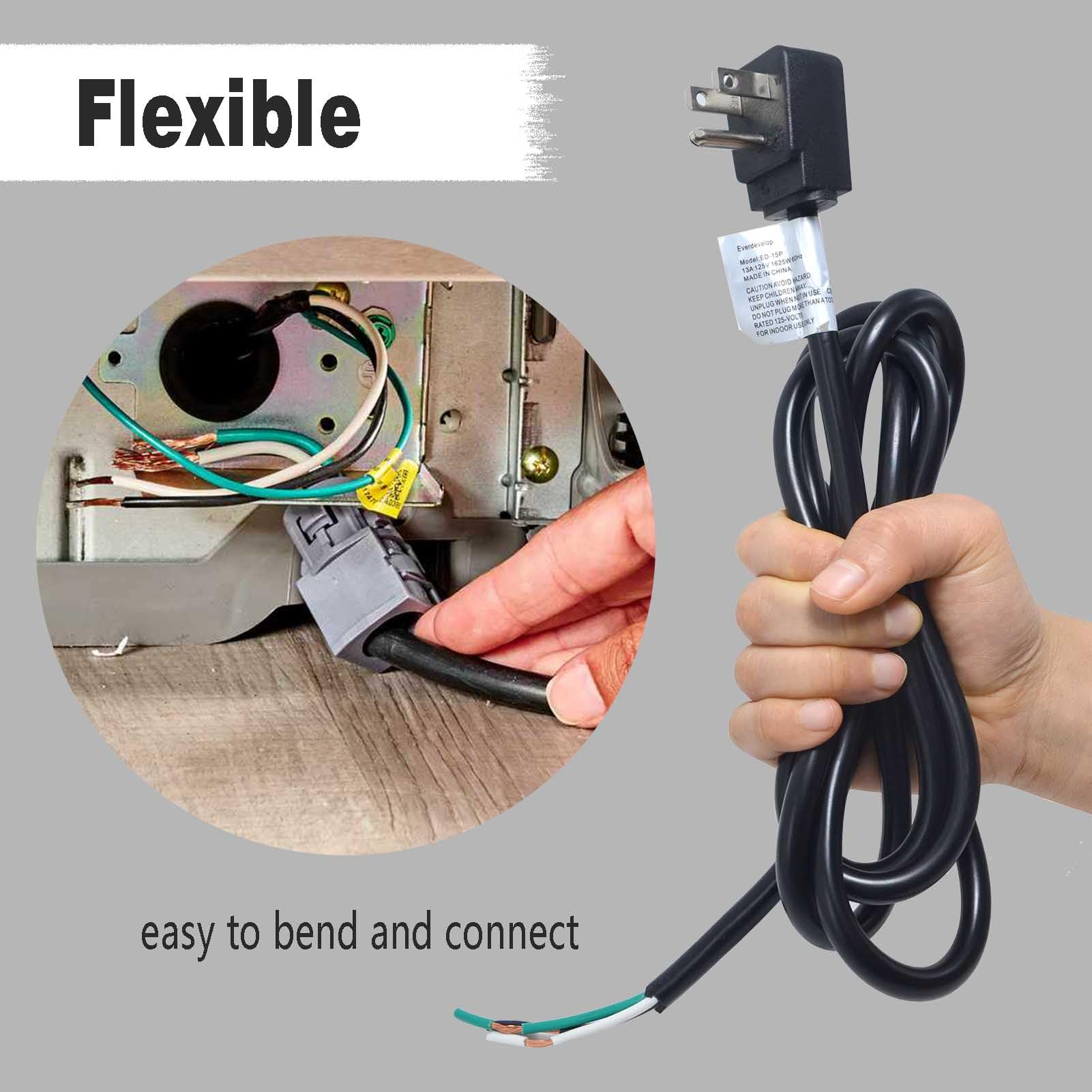
Manufacturers often leave out the cord because electrical codes and outlet types vary. You must buy a dishwasher power cord kit separately, which usually includes:
- Power cord (usually 6 feet long)
- Wire nuts (connectors)
- Strain relief clamp
- Instructions
Check your dishwasher manual to see what’s required. Buying the right kit saves time and prevents mistakes.
Safety First: What You Need To Know
Dishwashers are powerful appliances. Electricity and water are a dangerous mix. Always:
- Turn off power at the circuit breaker before starting.
- Use a dedicated circuit (no other appliances on the same line).
- Follow local electrical codes.
If you’re unsure, consult an electrician. However, with careful attention, most homeowners can install a power cord safely.
Tools And Materials You’ll Need
Before you begin, gather these essential tools and materials:
- Dishwasher power cord kit
- Flathead screwdriver
- Phillips screwdriver
- Wire stripper/cutter
- Pliers
- Voltage tester
- Electrical tape
- Strain relief clamp (usually in cord kit)
- Wire nuts
- Safety gloves
Having everything ready avoids interruptions and helps you work safely. Quality tools make wiring easier and reduce risk of mistakes.
Optional Tools
- Flashlight (for dark spaces)
- Cordless drill (for screws)
- Zip ties (for organizing wires)
These extras help with tight spaces and neat installation.
Step-by-step: How To Connect Dishwasher Power Cord
Let’s walk through the complete process. Take your time and follow each step closely. Missing a step can create big problems later.
1. Turn Off Power
Find your kitchen’s circuit breaker and switch off the power to the dishwasher circuit. Use a voltage tester to confirm the power is off. This is the most important safety step. Never work on live wires.
2. Pull Out The Dishwasher
Carefully slide the dishwasher out from the cabinet. Leave enough space behind the unit to access the electrical box. Be gentle to avoid damaging hoses or pipes.
If your dishwasher is already installed, you may need to disconnect the water supply and drain line. For new installations, skip this.
3. Locate The Junction Box
Most dishwashers have a small junction box under the unit, usually near the front. Open the box using a screwdriver. Inside, you’ll see three wires:
- Black (hot)
- White (neutral)
- Green or bare (ground)
These wires connect to the power cord.
4. Prepare The Power Cord
Remove the outer plastic sheath from the cord, exposing about 6 inches of wires. Strip 1/2 inch insulation from each wire end. Twist the wire strands to make them neat.
Check the cord’s color coding:
- Black = hot
- White = neutral
- Green = ground
If your cord has different colors, check the manual or label.
5. Install The Strain Relief Clamp
A strain relief clamp prevents the cord from pulling out or damaging the wires. Insert the cord through the clamp, then secure the clamp to the junction box. Tighten the screws so the cord is snug but not crushed.
This step is often missed by beginners. Without the clamp, the cord can loosen over time, causing electrical hazards.
6. Connect The Wires
Match the cord wires to the dishwasher wires:
- Black to black (hot)
- White to white (neutral)
- Green to green/bare (ground)
Twist the wires together, then screw on wire nuts. Pull gently to check the connection is tight. Wrap electrical tape around the wire nuts for extra safety.
Make sure no copper wire is exposed. If needed, trim and redo the connection.
7. Close The Junction Box
Carefully tuck the wires inside. Replace the junction box cover and tighten the screws. This protects the wires and prevents accidental contact.
8. Plug In The Cord
If your home has a dedicated outlet, plug in the cord. If not, you may need to install a dishwasher outlet box. Never use a regular kitchen outlet; dishwashers need their own circuit for safety.
9. Restore Power
Switch the circuit breaker back on. Test the dishwasher by running a short cycle. Listen for any unusual sounds and check for leaks.
If the dishwasher doesn’t start, check the connections again. If you see sparks, smell burning, or trip the breaker, turn off power and recheck the wiring.
10. Slide Dishwasher Back
Push the dishwasher back into place. Make sure the cord isn’t pinched or stretched. Attach the mounting brackets if needed.
Reconnect the water supply and drain line if you had to disconnect them earlier.
Common Mistakes And How To Avoid Them
Many people make small errors that can cause big problems. Here are the most frequent mistakes:
- Skipping the strain relief clamp: Leads to cord damage.
- Loose wire nuts: Causes sparks or intermittent power.
- Wrong wire connections: Dishwasher won’t run or may be damaged.
- Using a shared outlet: Can overload circuit, trip breaker.
- Exposed copper wires: Risk of shock or fire.
- Not turning off power: Serious injury or death.
Take extra time to check each step. If something doesn’t look right, stop and double-check.
Comparing Hardwired Vs Plug-in Dishwashers
Some homes have hardwired dishwashers, others use plug-in cords. Here’s a simple comparison:
| Feature | Hardwired | Plug-In |
|---|---|---|
| Installation Difficulty | Higher | Lower |
| Flexibility | Fixed, not easily moved | Easy to unplug/move |
| Code Compliance | May require permit | Usually meets code |
| Replacement | Harder | Easier |
| Safety | Depends on wiring quality | Depends on cord/outlet quality |
Most modern kitchens use plug-in dishwashers for convenience and safety. However, some older homes may still have hardwired units.
How To Replace An Old Dishwasher Power Cord
If your dishwasher cord is damaged or you’re upgrading, follow these steps:
- Turn off power at the breaker.
- Unplug the old cord.
- Open the junction box.
- Remove wire nuts and disconnect old wires.
- Install new cord using steps from earlier.
- Close junction box and plug in.
- Restore power and test.
Always use a cord rated for dishwasher use. Cheap or incorrect cords can overheat. Look for UL-listed cords for safety.
Troubleshooting Dishwasher Power Issues
If your dishwasher doesn’t start after connecting the cord, check these points:
- Is the circuit breaker on?
- Is the outlet live? Test with voltage tester.
- Are wire nuts tight?
- Are wires matched correctly?
- Is the cord damaged?
Sometimes, dishwashers have a reset button or fuse. Check your manual for details.
Dishwasher Trips Circuit Breaker
If the breaker trips, it means too much current is flowing. Common causes:
- Loose or crossed wires
- Water leak inside dishwasher
- Damaged cord
- Shared circuit with other appliances
Fix wiring and ensure the dishwasher is on its own circuit.
Dishwasher Won’t Start
If nothing happens:
- Check power at outlet.
- Recheck wire connections.
- Test cord with another appliance.
If all else fails, consult a professional.
Safety Tips For Electrical Work
Working with electricity is risky. Here are proven safety tips:
- Always turn off power before starting.
- Wear safety gloves to avoid shocks.
- Use tools with insulated handles.
- Never touch bare copper wires.
- If unsure, call an electrician.
Electrical codes vary by region. Check local rules if you’re not sure.
Data: Dishwasher Power Cord Ratings
Dishwasher cords are not all the same. Here’s a quick comparison of common ratings:
| Cord Length | Wire Gauge | Max Amps | Suitable For |
|---|---|---|---|
| 6 feet | 14 AWG | 15 amps | Standard dishwashers |
| 10 feet | 12 AWG | 20 amps | Large units |
| 6 feet | 16 AWG | 13 amps | Compact models |
Always match the cord to your dishwasher’s requirements. Using a thinner or shorter cord can cause overheating or failures.
Understanding Electrical Codes For Dishwashers
Electrical codes exist to keep your home safe. In most areas:
- Dishwashers must use a dedicated circuit (usually 15 or 20 amps).
- Cords should be UL-listed and rated for kitchen appliances.
- Cord length should not exceed manufacturer’s recommendation.
- Junction box must be covered and secured.
Ignoring codes can cause failed inspections or insurance claims denied.
Credit: www.amazon.com
Real-life Example: Successful Installation
John, a homeowner in Ohio, installed his new dishwasher with a power cord kit. He followed each step, but forgot the strain relief clamp. Two months later, the cord pulled loose, causing the dishwasher to stop working. After re-reading the instructions, he added the clamp and solved the issue.
This shows how small steps can make a big difference. Always double-check your work.
How To Install A Dishwasher Outlet Box
If your kitchen doesn’t have a dedicated outlet, you’ll need to install one. This usually requires:
- Turning off main power.
- Cutting a hole in the cabinet wall.
- Installing a new electrical box.
- Running wire from the circuit breaker.
- Attaching outlet and cover.
This is more advanced and often requires a permit. If you’re not comfortable, hire an electrician.
Cost And Time Estimates
Installing a dishwasher power cord is a simple job for most homeowners. Here are typical numbers:
- Cord kit cost: $15–$30
- Tools: $0–$50 (if you need new ones)
- Installation time: 30–60 minutes
- Electrician cost: $80–$200 (if you hire one)
DIY saves money, but you must be careful.
Environmental Impact: Proper Disposal Of Old Cords
When replacing an old cord, don’t throw it in the trash. Electrical cords contain copper and plastics that can be recycled. Check your local recycling center for drop-off locations. Proper disposal reduces waste and helps the environment.
Dishwasher Power Cord Vs Extension Cord
Never use an extension cord for a dishwasher. Extension cords are not designed for high-power appliances. They can overheat, melt, and cause fires.
Here’s a quick comparison:
| Feature | Dishwasher Power Cord | Extension Cord |
|---|---|---|
| Designed for high power | Yes | No |
| UL-listed | Usually | Sometimes |
| Permanent installation | Yes | No |
| Risk of overheating | Low | High |
Always use the correct cord for your dishwasher.
What To Do If Your Dishwasher Has No Junction Box
Some compact dishwashers, especially from Europe or Asia, don’t have a junction box. Instead, they come with a plug attached. In this case:
- Find a dedicated outlet near the installation site.
- Plug in directly.
- Avoid adapters or extension cords.
If you’re unsure, contact customer support or check the manual.

Credit: www.cafeappliances.com
Upgrading Your Kitchen For Dishwasher Power
If you’re remodeling, consider these upgrades:
- Add a dedicated outlet behind the dishwasher.
- Use high-quality wiring (12 AWG for 20 amps).
- Install a GFCI outlet for extra safety.
- Ensure water and drain lines are accessible.
Proper planning makes installation easier and safer.
Hidden Insights: What Beginners Miss
- Not all outlets are safe: Some kitchen outlets are shared with other appliances. Dishwashers need their own circuit. Using a shared outlet can trip breakers and damage appliances.
- Cord length matters: If the cord is too short, you may have to move the outlet or use a longer cord. Never stretch or pinch a cord—it can fail over time.
These details are easy to overlook but affect performance and safety.
Maintenance Tips After Installation
Once your dishwasher is running, keep it safe with these tips:
- Check the cord for damage every 6 months.
- Clean dust or debris near the outlet.
- If you smell burning or see sparks, turn off power and inspect.
- Don’t overload the circuit with other appliances.
Proper maintenance keeps your kitchen safe and your dishwasher running for years.
Where To Find Reliable Dishwasher Power Cord Kits
Most hardware stores and appliance shops offer cord kits. Look for UL-listed products and check reviews. Official manufacturer kits often fit better and last longer.
For more info on appliance safety and installation, visit NFPA.org.

Credit: www.youtube.com
Frequently Asked Questions
How Do I Know If My Dishwasher Needs A Power Cord Or Is Hardwired?
Check your dishwasher manual or look for a junction box under the unit. If you see three loose wires, you need to install a power cord. If you see a plug, it’s already set up for a cord.
Can I Use Any Power Cord For My Dishwasher?
No. Use a cord designed for dishwashers, with the correct gauge and UL listing. Using a generic cord can cause overheating or failure.
Is It Safe To Install A Dishwasher Power Cord Myself?
Yes, if you follow all steps and turn off power at the breaker. If you’re unsure about wiring, hire a professional.
What Happens If I Connect The Wires Incorrectly?
Wrong connections can cause the dishwasher not to run, damage the appliance, or create a fire hazard. Always match wire colors and use wire nuts.
Can I Use An Extension Cord With My Dishwasher?
Never use an extension cord. Dishwashers require a dedicated, permanent cord for safety.
Connecting a dishwasher power cord is a practical skill that saves money and improves your kitchen’s safety. By following these steps, checking your work, and understanding why each step matters, you can install your dishwasher with confidence. Take your time, use quality materials, and don’t hesitate to ask for help if you need it.
Your kitchen—and your family—will thank you for it.