
Starting a Miele dishwasher for the first time or even as a daily user can feel a bit confusing, especially if you want sparkling dishes and trouble-free operation. Many people buy a high-quality dishwasher like Miele but don’t make full use of its features. You might wonder, “Am I loading it right? Which buttons do I press? How do I get the best clean?” This guide is designed to give you everything you need, step by step, so you can start your Miele dishwasher with confidence. You’ll also discover tips that even some long-time owners miss.
Miele dishwashers are known for their advanced technology, quiet performance, and durability. But with modern features come extra options and controls. Whether you’re a first-time user, someone switching from another brand, or just want to avoid mistakes, this article will walk you through every stage: preparation, loading, choosing the right cycle, using detergent, setting up options, and pressing start. You’ll also find troubleshooting advice, maintenance tips, and answers to common questions.
Let’s make sure your Miele dishwasher delivers its best. You’ll learn not just how to start it, but how to use it wisely for clean dishes, energy savings, and a longer machine life.
Understanding Your Miele Dishwasher
Before you start, it helps to know the main parts and features of your Miele dishwasher. Miele offers different models, but most have similar controls and loading systems.
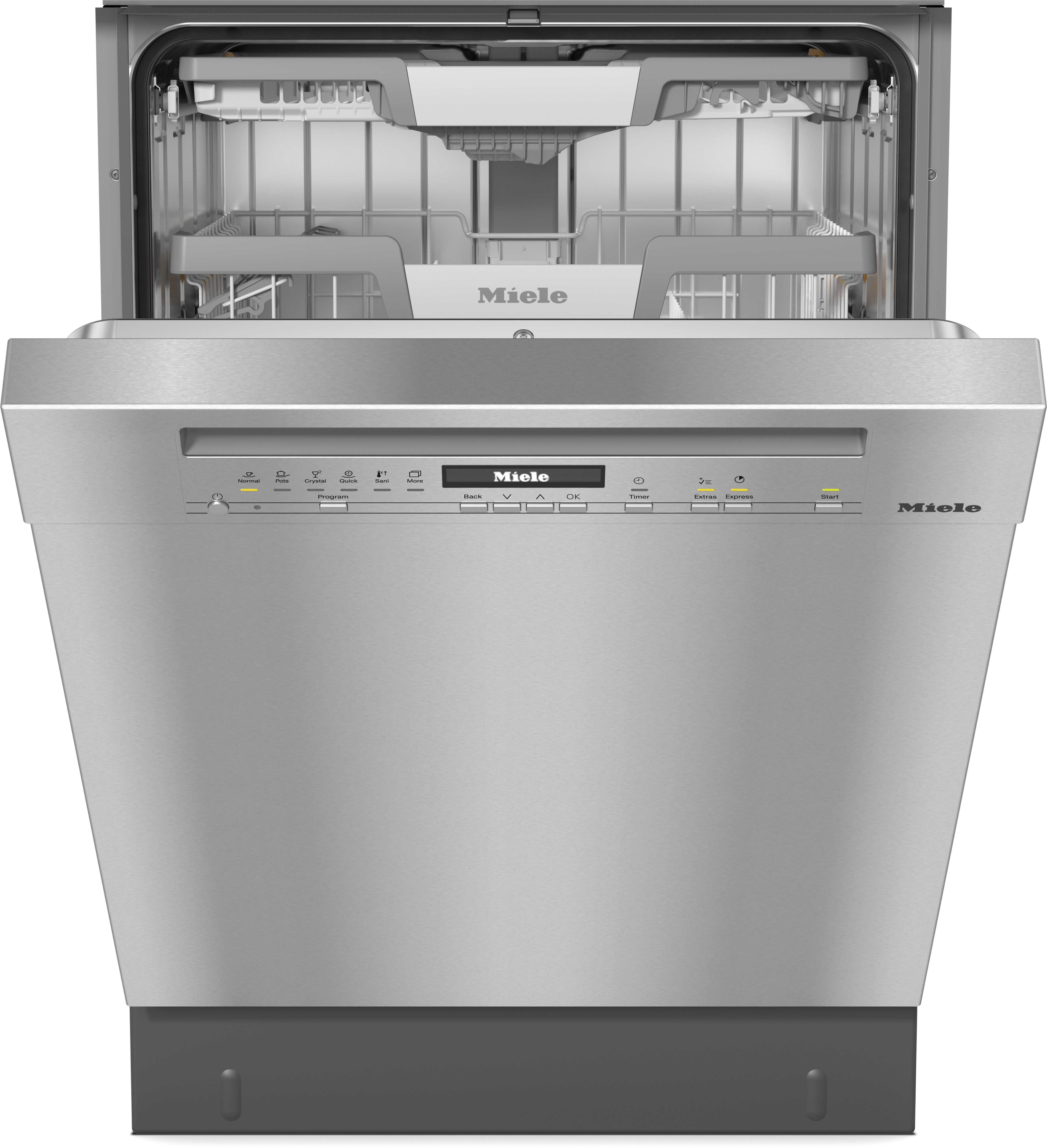
- Control Panel: Located on the front or top edge of the door, it includes the power button, cycle selector, and display.
- Cutlery Tray or Basket: For silverware and small utensils.
- Upper and Lower Racks: For plates, bowls, cups, glasses, and pots.
- Detergent Dispenser: Usually inside the door, where you add dishwasher detergent and rinse aid.
- Spray Arms: Below each rack, these spin and spray water to clean the dishes.
- Filters: At the bottom, these catch food particles.
Many Miele models include extra features like AutoDos (automatic detergent dispensing), Eco mode for saving energy, and even Wi-Fi controls. Always check your user manual for model-specific features, but the basics stay the same.
Preparing To Start: What You Need
Starting your dishwasher is more than just pressing a button. Preparation makes a big difference in results and machine health.
1. Check Water And Power
Your Miele dishwasher needs a steady supply of hot water and electricity. Make sure:
- The water tap connected to the dishwasher is open.
- The power cord is plugged in and the outlet works.
- The door can close fully—nothing should block it.
2. Choose The Right Detergent
Miele recommends using dishwasher-specific detergent. Regular dish soap can cause too many suds and damage the machine.
Types of detergent:
- Powder: Easy to dose, good for adjusting to load size.
- Tablets: Convenient, but may not dissolve fully in short cycles.
- Gel: Fast-dissolving but sometimes less powerful.
Miele also suggests using rinse aid to prevent spots on glassware and help with drying.
Non-obvious insight: Many users don’t realize that “All-in-one” tablets often contain salt and rinse aid, but not always enough for hard water areas. Check your water hardness and adjust the machine’s settings or add extra salt/rinse aid as needed.
3. Inspect And Clean Filters
At the bottom of the dishwasher is a filter system. Before starting, pull it out and check for food debris. A clogged filter reduces cleaning power and can cause smells.
Tip: Clean the filter at least once a week, especially if you use the dishwasher daily.
Credit: www.mieleusa.com
Loading Your Miele Dishwasher Correctly
How you load your Miele dishwasher affects cleaning results, water usage, and even machine life. Let’s break it down by rack.
Upper Rack
This is where you place glasses, cups, small bowls, and plastic items.
- Place glasses upside down for best cleaning and draining.
- Angle items so water can run off.
- Avoid stacking items, which blocks water spray.
Lower Rack
This is for plates, pots, large bowls, and serving dishes.
- Place plates between the prongs, facing the center.
- Larger items (like pots) should go on the sides or at the back, not blocking the spray arm.
Cutlery Tray Or Basket
Miele often includes a third rack (tray) at the top for silverware.
- Lay utensils flat, with space between each piece.
- Mix forks, knives, and spoons to prevent nesting.
- For baskets, place knives with the handle up for safety.
Non-obvious insight: Avoid placing stainless steel and silver cutlery together; contact can cause discoloration.
What Not To Put In The Dishwasher
Some items can be damaged or cause problems:
- Wooden utensils (may crack or warp)
- Hand-painted or gold-trimmed china
- Non-stick pans (unless dishwasher-safe)
- Crystal or delicate glass (unless marked dishwasher-safe)
- Aluminum (may discolor)
Adding Detergent, Rinse Aid, And Salt
Your dishwasher needs the right cleaning agents for best results.
Detergent
- Open the detergent dispenser on the inside of the door.
- Add the amount recommended by your detergent’s instructions (usually 20-30g for powder, or 1 tablet).
- Close the dispenser lid.
Rinse Aid
- Open the small cap next to the detergent dispenser.
- Fill with rinse aid until the indicator shows full.
- Wipe up any spills to avoid suds.
Dishwasher Salt
If you live in an area with hard water, dishwasher salt helps prevent limescale. Miele dishwashers have a special compartment (usually at the bottom left, inside the tub):
- Unscrew the cap and pour in salt until full.
- Wipe away spilled grains to avoid rust spots.
- Only use dishwasher-specific salt, not table salt.
Tip: Set your dishwasher’s water hardness level (see your manual) for best results. Many people skip this step, but it directly affects cleaning quality.
Choosing The Right Cycle
Miele dishwashers offer a range of cycles, each designed for different types of loads.
| Cycle Name | Best For | Typical Time | Water Temp |
|---|---|---|---|
| Automatic | Mixed loads, daily use | 90-150 min | 45-65°C |
| Intensive | Pots, pans, baked-on food | 120-170 min | 70°C |
| Eco | Energy saving, lightly soiled | 150-200 min | 50°C |
| QuickPowerWash | Everyday dishes, normal soil | 58-60 min | 65°C |
| Gentle/Glass | Fine glassware | 80-90 min | 45°C |
| Short | Lightly soiled, fast wash | 30-40 min | 40-55°C |
- Automatic: Sensors adjust water and time based on load. Good for mixed loads.
- Intensive: Strong cleaning for pots and heavy soil.
- Eco: Saves energy and water, best for regular use with not-too-dirty dishes.
- QuickPowerWash: Fast and powerful, but uses more energy.
- Gentle: Lower temperature for delicate items.
- Short: Quick, but less effective on tough stains.
Pro tip: For hygiene (baby bottles, cutting boards), use a hot cycle (Intensive or Hygiene). For most everyday dishes, Eco or Automatic is best.
Setting Extra Options
Miele dishwashers let you adjust for extra needs:
- Extra Dry: For plastic dishes or faster drying.
- Half Load: Saves water if the machine isn’t full.
- Delay Start: Run the machine later (e.g., during off-peak electricity hours).
- Turbo: Speeds up cycles, but uses more energy.
How to set options:
- After selecting your wash cycle, press the desired option button.
- Confirm on the display (if your model has one).
- The indicator light shows active options.
Tip: Use Extra Dry for plastic lunchboxes. They often stay wet without it.

Credit: www.youtube.com
Starting The Dishwasher
Now, you’re ready to go.
- Close the door firmly. You should hear a click.
- Press the Power button to turn on the machine.
- Select your wash cycle using the knob or buttons.
- Choose extra options if needed.
- Press the Start button. Some models need you to hold it for a second.
- The dishwasher will lock and begin the cycle. The display or indicator light will show progress.
Note: If the door isn’t closed properly or a filter isn’t in place, most Miele dishwashers won’t start.
During The Wash: What To Expect
Miele machines are quiet (often below 45 dB), so you might barely hear them running. Some models project a small light (“In Operation” indicator) onto the floor, so you know it’s working.
You may hear the spray arms spinning, water filling, and pumps draining. The display will often show time remaining. If you need to add a forgotten dish:
- Press the Start/Stop button to pause.
- Wait for the lock to release (a few seconds).
- Open the door carefully (hot steam may escape).
- Add the item, close the door, and press Start.
Warning: Never open the door during a drying phase—hot steam can escape quickly.
End Of Cycle: Unloading Safely
When finished, the display will show “End” or beep, and the light may turn off.
- Wait a few minutes after the cycle ends before opening. Steam and heat inside can burn.
- Open the door slightly to let steam escape.
- Unload the lower rack first. This prevents water from the upper rack dripping onto clean dishes below.
- Dry any wet spots with a towel.
Non-obvious insight: If dishes are still wet, especially plastics, it’s often due to the shape of the items (they hold water) or not enough rinse aid. Try the Extra Dry option next time.
Common Mistakes To Avoid
Many problems with dishwashers come from simple mistakes. Here’s what to watch out for:
- Overloading: Dishes stacked too close block water spray.
- Wrong detergent: Hand soap or too much detergent causes suds and poor cleaning.
- Skipping salt/rinse aid: Leads to water spots, cloudy glasses.
- Not cleaning filters: Reduces cleaning power and causes odors.
- Mixing metals: Stainless steel and silver together can cause black spots.
Tip: If you see white spots or cloudy glasses, check the rinse aid and salt levels, and consider adjusting the water hardness setting.
Troubleshooting: If It Won’t Start
If your Miele dishwasher doesn’t start, don’t panic. Check these common causes:
- Door not closed: Try closing firmly.
- Power issue: Is it plugged in and switched on? Check your circuit breaker.
- Water supply off: Make sure the valve is open.
- Cycle not selected: Some models need you to press Start after choosing a cycle.
- Display shows error: Refer to your manual for specific codes.
If the problem continues, call Miele customer support or visit their official support site for help.
Regular Maintenance For Best Results
To keep your dishwasher working perfectly, follow these maintenance tips:
Clean The Filters
Remove and rinse under warm water weekly. Scrub with a brush if needed.
Wipe The Door Seals
Food and grease can collect in the rubber seal. Wipe with a damp cloth every few days.
Clean Spray Arms
If dishes aren’t coming clean, food may be blocking the spray holes. Remove the arms (see your manual) and rinse under water.
Check Rinse Aid And Salt
Keep these topped up for spot-free dishes and long machine life.
Run A Maintenance Wash
Once a month, run the hottest cycle with the machine empty. You can add a dishwasher cleaner product for deeper cleaning.
How Miele Compares To Other Brands
Many choose Miele for quality, but how does it stack up? Here’s a quick comparison:
| Feature | Miele | Bosch | Samsung |
|---|---|---|---|
| Noise Level | 41-45 dB (very quiet) | 44-48 dB | 44-50 dB |
| Build Quality | Stainless steel tub, long life | Stainless steel/plastic mix | Plastic tub in some models |
| Cycle Variety | 7-12 options | 5-8 options | 6-10 options |
| Cutlery Tray | Standard in most models | Optional | Rare |
| Price Range | $$$ (premium) | $$ | $$ |
| Average Lifespan | 15-20 years | 10-15 years | 8-12 years |
Insight: Miele costs more upfront, but often lasts longer and cleans better, especially on tough loads.
Smart Features: Using Miele@home And Wi-fi
Many newer Miele dishwashers support Miele@home, letting you control and monitor your machine from a phone app.
- Start cycles remotely: Great if you forget before leaving home.
- Get notifications: When a cycle ends, or if detergent is low.
- Diagnose problems: The app can show error codes and solutions.
To set up:
- Download the Miele app for your phone.
- Connect the dishwasher to your Wi-Fi (see manual for steps).
- Pair your machine in the app.
Tip: Smart features are optional—you can always use the dishwasher with buttons only.
Energy And Water Saving Tips
Dishwashers today use less water and energy than washing by hand—but only if used wisely.
- Run full loads. Don’t waste water on a half-empty machine unless you use the Half Load option.
- Use Eco mode. It takes longer but uses less power and water.
- Skip pre-rinsing. Modern detergents work best with some food on dishes. Scrape, but don’t rinse under running water.
- Run at night if your utility company offers off-peak rates.
Fact: A full Miele dishwasher uses about 6-10 liters of water per cycle. Washing the same dishes by hand can use 30-40 liters!
Protecting Your Dishwasher: Dos And Don’ts
To keep your machine in top shape:
Dos
- Do scrape large food pieces off dishes.
- Do check and refill salt and rinse aid.
- Do clean filters and spray arms regularly.
- Do use dishwasher cleaner monthly.
Don’ts
- Don’t overload or block the spray arms.
- Don’t use regular dish soap.
- Don’t wash sharp knives (can dull blades and damage baskets).
- Don’t put in items not marked “dishwasher-safe.”
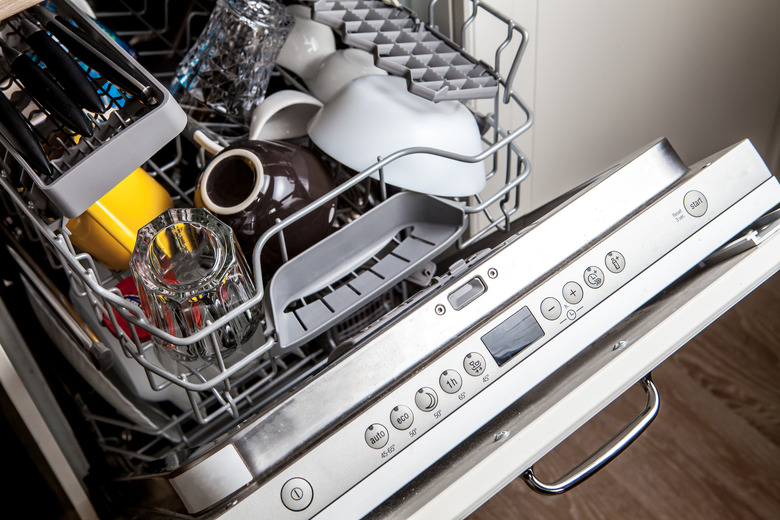
Tip: Many people forget to check the spray arms for small obstructions—like toothpicks or bones—which can cause poor cleaning.
Credit: www.hunker.com
When To Call For Service
Some problems need expert help:
- Dishwasher leaks or won’t drain.
- Error codes you can’t clear.
- Unusual noises (grinding, banging).
- Electronic display not working.
Miele offers reliable service and support. For more, visit the official Miele Service & Support page.
Frequently Asked Questions
What Detergent Should I Use In My Miele Dishwasher?
Miele recommends using dishwasher-specific detergents—powder, tablets, or gel. Never use regular dish soap. Some Miele models support AutoDos PowerDisk, which is automatic and very convenient. Adjust your detergent type if you notice spots or poor cleaning.
My Dishes Are Not Drying Well. What Can I Do?
Check the rinse aid level and use the Extra Dry option. Plastic items often don’t dry as well as glass or ceramic—try placing them at an angle. Make sure the door opens slightly after the cycle to let steam escape.
Can I Open The Dishwasher During A Wash Cycle?
Yes, but only during the wash or rinse phases. Pause the machine first, then open carefully. Do not open during drying, as hot steam can escape. Always press Start again after closing to resume.
How Often Should I Clean The Filters?
Clean the filters at least once a week if you use the dishwasher daily. Rinse under warm water and brush off food debris. This keeps cleaning power high and prevents odors.
Is It Normal For Water To Stay At The Bottom After A Cycle?
A small amount of water in the sump area is normal and prevents seals from drying out. If you see standing water covering the filter, check for blockages or drainage problems.
Starting your Miele dishwasher doesn’t have to be stressful. With these steps, tips, and insights, you can get sparkling dishes and a reliable machine for years. Treat your dishwasher well, and it will reward you with hassle-free cleaning and peace of mind.