
Many people love a strong shower, but sometimes the water pressure is simply too high. High pressure can waste water, damage pipes, and make showers uncomfortable. If you are searching for ways to decrease water pressure in shower, you’re not alone. Many homes and apartments suffer from this issue, especially in cities where the water supply is powerful. In this guide, you’ll learn simple methods, advanced solutions, and important safety tips for fixing high shower water pressure. You’ll discover how to check your pressure, understand the reasons behind it, and choose the best solution for your needs.
This article is written for everyday people—no advanced plumbing knowledge is required. Whether you rent or own your home, you’ll find practical advice and step-by-step instructions. By the end, you’ll have a clear plan to lower your shower’s water pressure and enjoy a safer, more comfortable shower.
Let’s get started.
Understanding Water Pressure In Showers
Water pressure is the force that pushes water through pipes and out of your shower. It is measured in pounds per square inch (PSI). Most homes have a pressure between 40 and 60 PSI. If your pressure is above 80 PSI, it is considered high and can cause problems. High water pressure can make your shower feel harsh, lead to leaks, or damage appliances.
Why does water pressure get too high? There are several reasons:
- The city water supply may deliver water at high pressure.
- Your home may have a pressure booster pump.
- Plumbing systems may not have a pressure regulator.
- Sometimes, mineral deposits or faulty showerheads can create a “jet” effect.
Before you start fixing the pressure, it’s important to measure it.
Measuring Your Shower Water Pressure
You can’t fix what you don’t know. The first step is to measure your shower’s water pressure. This helps you understand how serious the problem is.
How To Measure Water Pressure
- Buy a water pressure gauge. You can find these at hardware stores. They cost around $10-$20.
- Attach the gauge to your shower arm or a faucet closest to your shower.
- Turn on the water fully and read the gauge. It will show the pressure in PSI.
If the reading is over 80 PSI, your pressure is too high. If it’s between 40 and 60 PSI, your pressure is normal. Anything below 40 PSI is low.
Example
Suppose your gauge reads 95 PSI. This is above safe limits, and you need to lower it. If it reads 60 PSI, you don’t need to change anything unless you find it uncomfortable.
Effects Of High Water Pressure In The Shower
High water pressure can cause many problems:
- Wasted water: Higher pressure means more water used in less time.
- Damage to pipes: Pipes may burst or leak, especially old ones.
- Uncomfortable showers: Water may feel like needles hitting your skin.
- Shorter lifespan for appliances: Washing machines and water heaters can fail sooner.
According to the Environmental Protection Agency (EPA), homes with high water pressure can waste up to 6,000 gallons of water per year. This increases your water bill and hurts the environment.
Simple Ways To Decrease Water Pressure In Shower
Not every solution requires a plumber. Here are easy ways you can try first.
1. Clean Or Replace The Showerhead
Mineral deposits and dirt can block holes in your showerhead. This can make water come out in sharp jets.
- Remove the showerhead.
- Soak it in vinegar for 30 minutes to dissolve deposits.
- Brush the holes with a toothbrush.
- Rinse and reattach.
If cleaning doesn’t help, buy a low-flow showerhead. These are designed to reduce water pressure and save water.
2. Adjust The Shower Valve
Some showers have a small valve behind the handle or under the sink. This valve controls how much water flows to the shower.
- Turn off the water supply.
- Find the valve and turn it slightly to reduce flow.
- Turn water back on and test the shower.
Be careful not to turn it too much, or you may reduce pressure too far.
3. Install A Flow Restrictor
Flow restrictors are small devices that go inside the showerhead. They reduce water flow and lower pressure.
- Remove the showerhead.
- Insert the flow restrictor according to instructions.
- Reattach the showerhead.
Most modern showerheads have restrictors already. If yours doesn’t, you can buy one for $5–$10.
4. Use A Shower Hose With Smaller Diameter
A hose with a smaller diameter limits how much water passes through. This naturally reduces pressure.
- Buy a hose with a diameter of 1/2 inch instead of 3/4 inch.
- Install it by unscrewing the old hose and attaching the new one.
This is a simple fix for handheld showers.
5. Try Using Multiple Faucets
If you turn on another faucet in your home while showering, it shares the water supply. This can lower the shower’s pressure.
- Turn on the kitchen or bathroom sink while showering.
- Notice if the shower pressure drops.
This is not a permanent fix, but it helps in emergencies.
Advanced Ways To Decrease Water Pressure
Some homes need more serious solutions. If the simple steps don’t help, try these advanced methods.
1. Install A Pressure Regulator
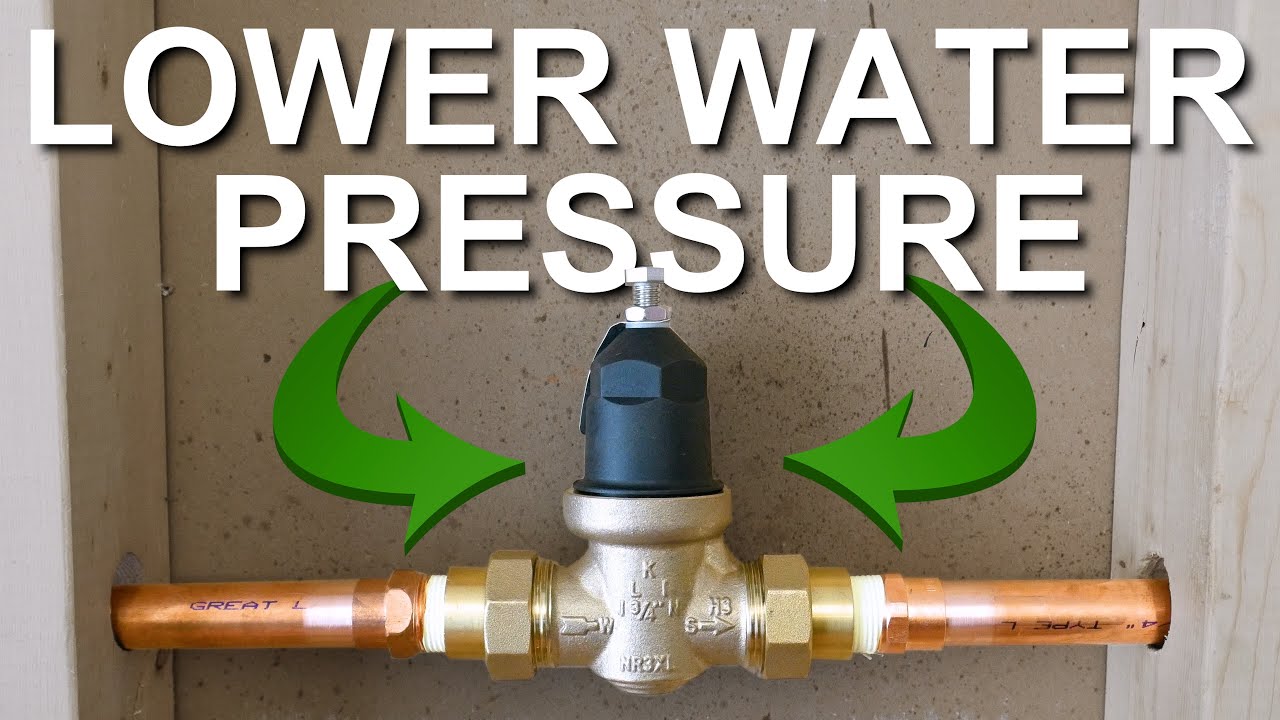
A pressure regulator (also called a pressure reducing valve) is a device that controls water pressure for your entire home.
- Find your main water line, usually near where water enters the house.
- Turn off the water supply.
- Cut the pipe and install the regulator.
- Adjust the regulator to 50-60 PSI.
This fix may require a plumber, especially for older homes.
2. Adjust The Existing Pressure Regulator
If you already have a regulator, it may be set too high.
- Locate the regulator on your main water pipe.
- Turn the adjustment screw counterclockwise to lower pressure.
- Test the shower after each adjustment.
Many homeowners forget about this device. Checking it can solve pressure problems fast.
3. Replace Booster Pumps
Some homes use booster pumps to increase water pressure. If your shower feels too strong, the pump may be set incorrectly.
- Locate the booster pump.
- Adjust the pressure setting to a lower value.
- If the pump is old or faulty, consider replacing it.
4. Upgrade Your Plumbing
Old pipes with narrow diameters can create high pressure at the shower.
- Replace narrow pipes with wider ones.
- Check for bends or blockages that increase pressure.
This is expensive and usually done during home renovation.
5. Install A Water Softener
Hard water creates mineral deposits that block pipes and showerheads, causing pressure spikes.
- Install a water softener near your main water supply.
- It removes minerals and keeps pressure stable.
Tip: This also protects appliances and makes water feel softer.
Comparison Of Methods: Effectiveness And Cost
Let’s compare the main ways to decrease shower water pressure. The table below shows effectiveness, difficulty, and price.
| Method | Effectiveness | Difficulty | Cost |
|---|---|---|---|
| Clean/Replace Showerhead | Medium | Easy | $10–$30 |
| Install Flow Restrictor | High | Easy | $5–$15 |
| Adjust Shower Valve | Medium | Medium | $0 |
| Pressure Regulator | Very High | Hard | $50–$200 |
| Upgrade Plumbing | Very High | Hard | $500+ |
Credit: www.youtube.com
Common Mistakes When Trying To Decrease Shower Pressure
It’s easy to make errors when fixing water pressure. Here are mistakes to avoid:
- Ignoring measurement: Always check pressure before making changes.
- Over-tightening valves: Turning valves too much can stop water completely.
- Using wrong showerhead: Not all low-flow showerheads fit every shower.
- Skipping professional help: Some jobs require a plumber for safety.
- Not checking for leaks: Sometimes, pressure problems come from leaks, not supply.
Non-obvious insight: Many people forget to clean the showerhead regularly, leading to false pressure readings.
Safety Tips When Lowering Shower Water Pressure
Safety is important when working with water systems.
- Turn off water supply before making changes.
- Use proper tools. Don’t force fittings; this can break pipes.
- Wear gloves and eye protection if working with chemicals or pipes.
- If you’re unsure, call a licensed plumber.
Non-obvious insight: Even small leaks after changing fittings can cause mold and damage over time.
Credit: www.youtube.com
How Water Pressure Affects Shower Experience
Lowering water pressure changes how your shower feels. You may notice:
- Water feels softer on skin.
- Less splashing or noise.
- Shampoo and soap rinse off more slowly.
Some people worry that lower pressure means a bad shower. In fact, many modern showerheads are designed to give a strong feeling with less water. This saves money and protects the environment.
Choosing The Right Low-pressure Showerhead
If you decide to buy a new showerhead, it’s important to pick the right one. Look for:
- Flow rate: Choose showerheads with a flow rate of 1.5–2.5 gallons per minute (GPM).
- Spray settings: Some have multiple spray types for different comfort levels.
- Easy installation: Most screw on without tools.
Here’s a comparison of popular low-pressure showerheads.
| Showerhead | Flow Rate | Spray Settings | Price |
|---|---|---|---|
| Moen Eco-Performance | 1.75 GPM | 3 | $25 |
| Delta H2Okinetic | 2.0 GPM | 5 | $40 |
| Niagara Earth | 1.5 GPM | 1 | $15 |

Credit: lifehacker.com
Real-life Examples: Lowering Shower Water Pressure
Let’s look at some real situations.
Example 1: Apartment With High City Water Pressure
A tenant noticed the shower was too strong, making it uncomfortable. After measuring, the pressure was 100 PSI. The building had no pressure regulator. The tenant contacted the landlord, who installed a regulator for the whole building. Shower pressure dropped to 60 PSI, and everyone was happy.
Example 2: House With Old Plumbing
A homeowner found the shower pressure was high, but other faucets were normal. Cleaning the showerhead helped, but not enough. After installing a flow restrictor, the shower became gentle and comfortable.
Example 3: Handheld Shower Hose Fix
A family used a wide hose for their handheld shower. Water came out too strong. Switching to a thinner hose reduced pressure and made the shower safer for children.
Environmental Benefits Of Lower Water Pressure
Lowering shower water pressure helps the environment.
- Less water used: Reduces waste and protects local water supplies.
- Lower energy use: Hot water heaters don’t work as hard.
- Less pollution: Fewer chemicals used in water treatment.
The EPA says that using low-flow fixtures can save up to 30% on water bills and reduce water use by thousands of gallons each year.
When To Call A Professional Plumber
Some problems need expert help:
- Installing a pressure regulator on the main water line.
- Upgrading pipes or fixing leaks.
- Adjusting booster pumps.
If you’re unsure, it’s safer and often cheaper to hire a professional. They can measure pressure accurately and prevent mistakes.
Comparing High And Low Water Pressure Effects
Here’s a quick look at how high and low pressure affect your shower.
| Pressure Level | Comfort | Water Use | Pipe Safety | Appliance Life |
|---|---|---|---|---|
| High (>80 PSI) | Too strong | High | Risk of leaks | Shorter |
| Normal (40–60 PSI) | Comfortable | Normal | Safe | Longer |
| Low (<40 PSI) | Weak | Low | Safe | Longer |
Maintenance Tips For Stable Shower Pressure
Regular maintenance helps keep your shower pressure stable.
- Clean showerheads every 3–6 months.
- Check for leaks in pipes and fittings.
- Inspect pressure regulators yearly.
- Replace old hoses and washers.
If you live in an area with hard water, install a softener to prevent mineral buildup.
How To Lower Shower Pressure Without Changing Plumbing
If you can’t change pipes or install a regulator, try these tricks:
- Use a bucket test: Fill a bucket under the shower. If it fills too quickly, use a flow restrictor.
- Shower at off-peak times. Water pressure can drop when fewer people use water.
- Use multiple faucets to share the water supply.
These solutions are helpful for renters or people in shared housing.
The Role Of Water Pressure In Saving Money
Lower shower pressure means lower bills. Here’s how:
- Reduces water used per shower.
- Saves energy by heating less water.
- Prevents costly pipe repairs.
If you use a low-flow showerhead, you can save $100–$200 per year on water and energy.
Troubleshooting: If Pressure Stays High
Sometimes, fixes don’t work. Here’s what to check:
- Is the pressure regulator installed correctly?
- Are there leaks or blockages in pipes?
- Is the showerhead really low-flow?
- Are booster pumps set too high?
If you’ve tried everything, call a plumber for a detailed inspection.
Frequently Asked Questions
What Is The Ideal Water Pressure For A Shower?
The best pressure is 40–60 PSI. This is comfortable and safe for pipes and appliances.
Can High Water Pressure Damage My Shower?
Yes. High pressure can wear out showerheads, cause leaks, and damage tiles and pipes.
How Often Should I Clean My Showerhead?
You should clean your showerhead every 3–6 months to prevent mineral buildup and keep pressure stable.
Do All Showerheads Have Flow Restrictors?
Most modern showerheads include flow restrictors. Older models may not have them, but you can add one.
Is It Possible To Lower Shower Pressure Without A Plumber?
Yes. You can clean the showerhead, install a flow restrictor, or adjust valves yourself. For major changes, like installing a regulator, you may need a plumber.
Lowering water pressure in your shower is not difficult, but it does require careful steps. Start by measuring your pressure, then try simple solutions like cleaning the showerhead or adding a flow restrictor. If you need more control, consider installing a pressure regulator or upgrading your plumbing. Remember that high pressure can cause damage and waste money. Regular maintenance and smart choices will keep your shower comfortable and safe. If you ever feel unsure, don’t hesitate to ask a professional. For more details on water pressure and plumbing, you can visit the Wikipedia Water Pressure page.
By following the advice in this guide, you’ll enjoy a better, safer shower and help protect your home’s plumbing for years to come.