
A fresh-smelling kitchen sink is something every home deserves. But sometimes, an unpleasant odor creeps in, making even a clean kitchen feel dirty. If you have ever wondered why your sink smells bad, you are not alone. Many people struggle with this problem, whether the smell is musty, rotten, or just odd.
The good news is, you can remove these odors—and keep them away—with a few smart steps.
This guide will show you everything you need to know about removing smell from your kitchen sink. You will learn why these smells happen, how to get rid of them for good, and how to prevent them in the future. We will cover natural methods, chemical solutions, and even a few pro-level tricks. By the end, you will have all the tools to restore your kitchen’s freshness and keep it that way.
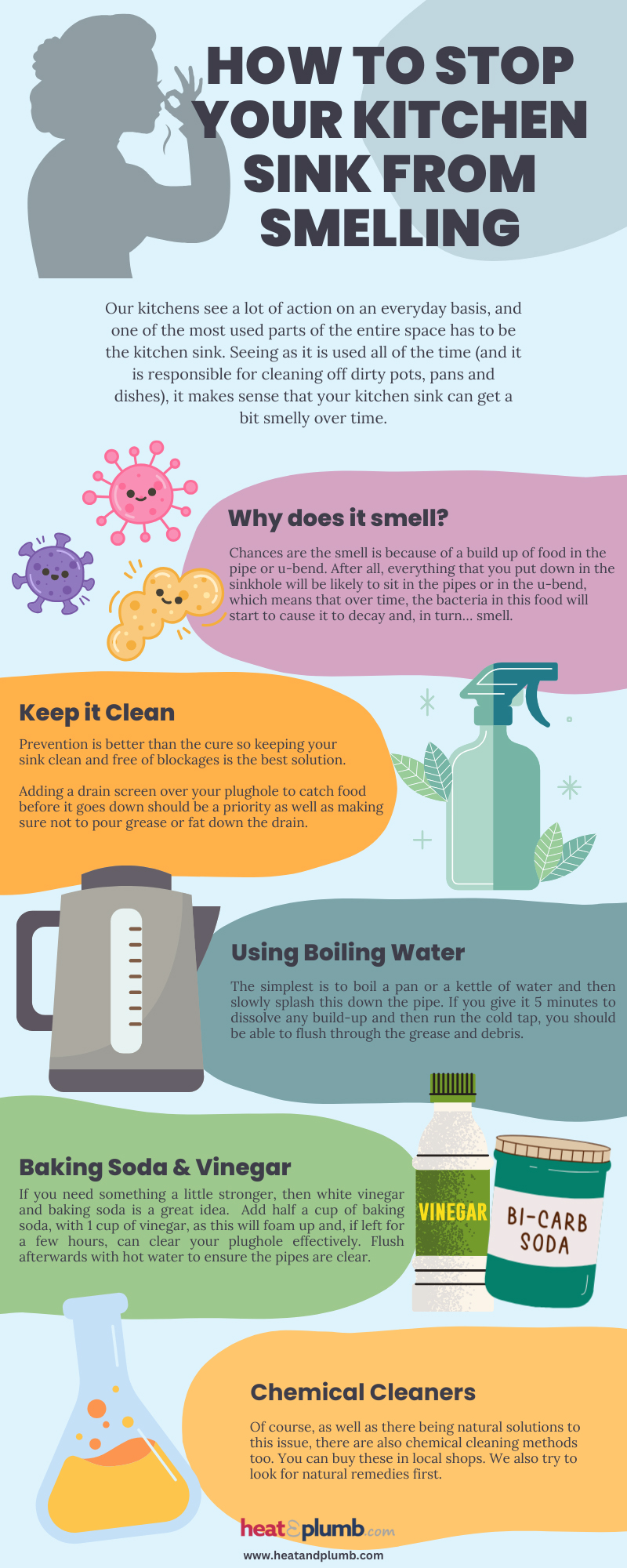
Why Do Kitchen Sinks Smell?
Understanding the source of the smell is the first step to fixing it. Most kitchen sink odors come from a few main causes:
- Food particles: Tiny bits of food can get stuck in the drain or garbage disposal. Over time, these break down and produce a sour or rotten smell.
- Grease buildup: Grease or oil can coat your pipes. As it spoils, it can make your sink stink.
- Bacteria and mold: Moisture and organic matter create a perfect place for bacteria and mold to grow. These can give off a musty or earthy odor.
- Clogged pipes: Slow drains or blockages trap water and waste, leading to a foul smell.
- Dry P-trap: The curved pipe under your sink holds water that blocks sewer gases. If it dries out, bad smells can come up from the sewer.
Sometimes, more than one of these problems happens at once. For example, a clogged pipe can trap food and grease, which then feeds bacteria. That’s why a full cleaning routine is often needed.
How To Identify The Source Of Kitchen Sink Odor
Before you start cleaning, it helps to know where the smell is coming from. Here is how you can check:
- Sniff around: Is the odor strongest at the drain, the garbage disposal, or under the sink? This gives you a clue.
- Look for slow draining: If water drains slowly, you may have a clog.
- Check the P-trap: If your sink is not used often, the P-trap might be dry. Shine a flashlight down the drain; if you don’t see water, pour some in.
- Inspect under the sink: Sometimes leaks or mold under the sink are to blame.
If you find the main cause, you can pick the best method to fix it.
Quick Fixes: How To Remove Smell Fast
Sometimes you need a quick solution, especially if guests are coming. These methods can help in minutes:
- Flush with boiling water: Pour a full kettle of boiling water down the drain. This can melt away grease and wash out some food bits.
- Lemon or orange peel: Drop a few peels in the garbage disposal and run it. The oils smell fresh and help clean the blades.
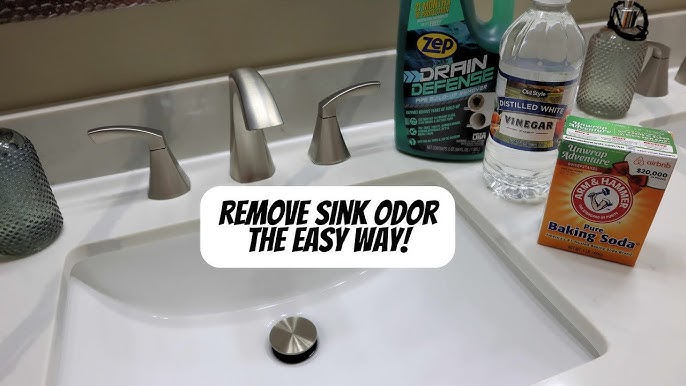
- Baking soda and vinegar: Pour 1/2 cup of baking soda into the drain, then 1 cup of white vinegar. Let it fizz for 10-15 minutes, then flush with hot water.
These fixes are quick, but for lasting results, you need a deeper clean.
Natural Ways To Remove Kitchen Sink Smell
Many people prefer natural cleaning methods. They are safe, cheap, and usually effective. Here are some of the best options:
Baking Soda And Vinegar Deep Clean
Baking soda is a gentle scrubber and odor neutralizer. Vinegar kills bacteria and dissolves mineral deposits.
How to do it:
- Remove any visible debris from the drain.
- Pour 1/2 cup of baking soda down the drain.
- Follow with 1 cup of white vinegar.
- Cover the drain with a plate or plug to keep the fizzing action inside.
- After 15 minutes, flush with boiling water.
Repeat weekly for best results.
Salt And Ice For Garbage Disposal
This method cleans the grinding blades and removes trapped debris.
How to do it:
- Pour 1 cup of ice cubes and 1/2 cup of coarse salt (like rock salt) into the disposal.
- Run the disposal with cold water for 30 seconds.
The ice scrubs the blades, and the salt helps disinfect.
Lemon And Baking Soda Paste
Lemon is a natural deodorizer.
How to do it:
- Mix 2 tablespoons of baking soda with the juice of half a lemon to make a paste.
- Scrub the sink and drain area with a sponge.
- Rinse with warm water.
This leaves your sink shiny and fresh.
Chemical Solutions: When To Use Them
Natural methods work for light smells and regular cleaning. But if you have a stubborn or strong odor, you might need a chemical cleaner.
Enzyme Drain Cleaners
These use natural enzymes to break down organic material (like food and grease). They are safer for pipes than harsh chemicals.
- Pour the recommended amount into the drain.
- Wait as directed (often overnight).
- Flush with hot water.
These are great for regular maintenance.
Bleach Solution
Bleach kills bacteria and mold, but use it with caution. Never mix bleach with other cleaners.
- Mix 1 tablespoon of bleach with 1 gallon of water.
- Carefully pour down the drain.
- Let sit for 5 minutes, then flush with plenty of water.
Tip: Too much bleach can damage pipes or harm the environment. Use rarely, not for every cleaning.
Commercial Drain Deodorizers
Many stores sell products made to remove drain odors. Read labels and follow instructions. Some are foaming, others are liquid.
How To Deep Clean Your Kitchen Sink Drain
For long-term odor control, you need to clean the parts you can’t see. Here’s how:
Step 1: Clean The Sink Strainer
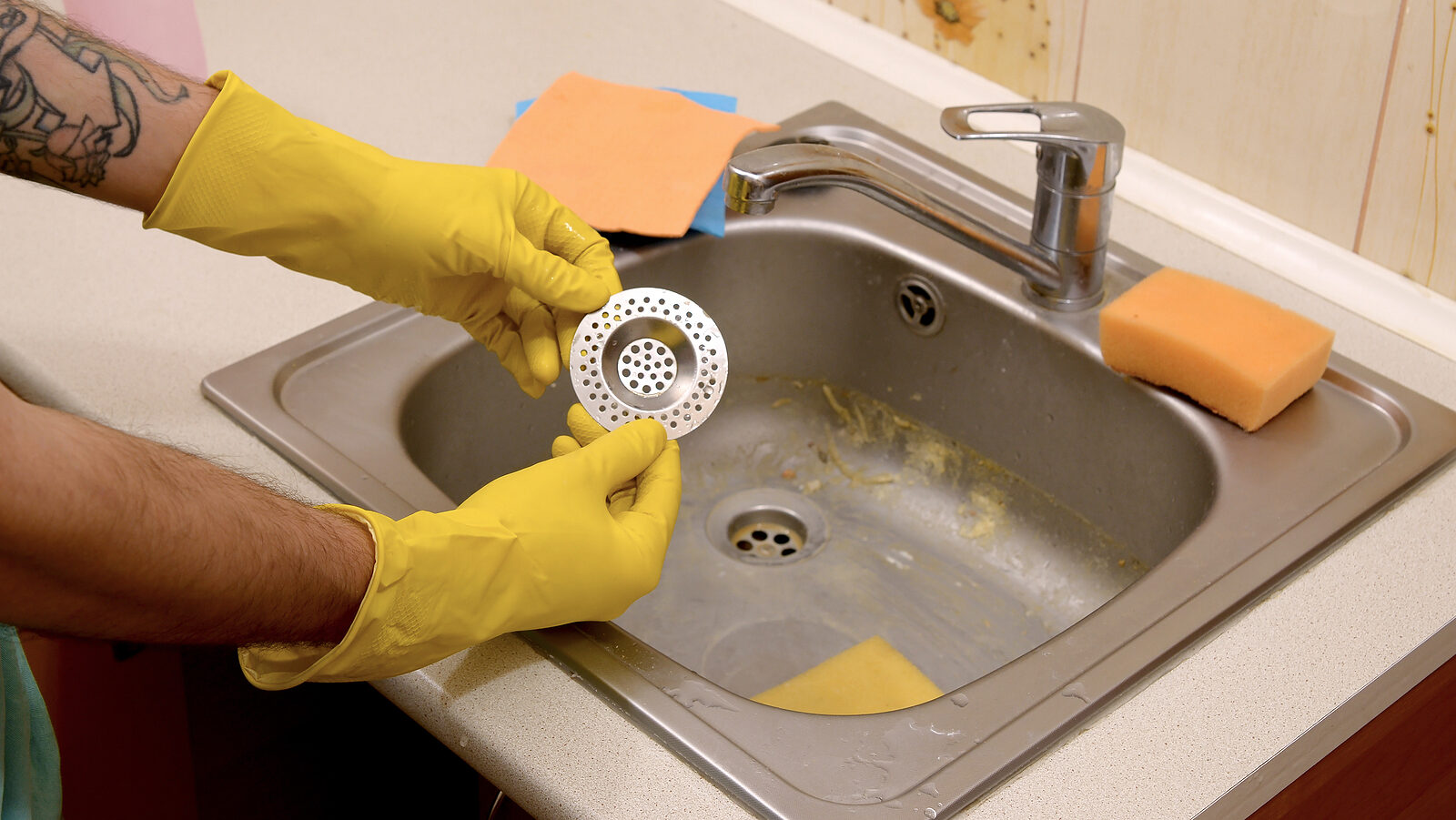
- Remove and wash the strainer with hot, soapy water.
- Use a toothbrush for stubborn gunk.
Step 2: Scrub The Visible Drain
- Use a small brush or old toothbrush with baking soda paste.
Step 3: Clean The Garbage Disposal
- Unplug the disposal for safety.
- Scrub the rubber splash guard (the black ring inside the drain) with a brush and soapy water.
- Rinse well.
Step 4: Remove And Clean The P-trap (if Needed)
If you are comfortable with basic plumbing:
- Place a bucket under the P-trap (the U-shaped pipe).
- Loosen the nuts and remove the trap.
- Clean out any sludge or buildup.
- Rinse and reattach.
If you are unsure, call a plumber.
Step 5: Flush With Hot Water
After cleaning, run hot water for a few minutes. This washes away loose debris and helps prevent new smells.
How To Prevent Kitchen Sink Odors
Prevention is easier than constant cleaning. Here are proven ways to keep your sink smelling good:
- Run water after each use: This flushes food and debris down the pipes.
- Avoid pouring grease down the drain: Let it cool and throw it in the trash instead.
- Use the garbage disposal properly: Run water before, during, and after use. Only put small amounts of food at a time.
- Clean the sink and drain weekly: A quick scrub keeps smells from starting.
- Flush with hot water regularly: Once a week, pour a kettle of boiling water down the drain.
These habits make a big difference over time.
Common Mistakes When Cleaning Sink Smells
Many people try to fix odors but make mistakes that can make things worse:
- Using too much chemical cleaner: This can damage pipes and harm the environment.
- Ignoring the P-trap: If this dries out, nothing else will help.
- Pouring coffee grounds down the drain: These can clog pipes and make odors worse.
- Relying only on air fresheners: These mask, but do not solve, the smell.
Avoid these errors for better results.
How Different Sinks Handle Odor
Sinks can be made from stainless steel, ceramic, or composite materials. Each has a different surface, which can affect odor control and cleaning.
Here’s a quick comparison:
| Sink Type | How It Handles Odor | Cleaning Tips |
|---|---|---|
| Stainless Steel | Resists bacteria; easy to clean | Use baking soda and a non-scratch pad |
| Ceramic | Less odor absorption; can stain | Avoid harsh chemicals, use gentle cleaners |
| Composite | Can trap food in tiny cracks | Scrub well, rinse often |
No matter the material, regular cleaning is key.
When To Call A Plumber
Sometimes, home methods are not enough. Consider professional help if:
- The smell does not go away after deep cleaning.
- You see leaks or water damage under the sink.
- The drain is completely blocked and home tools won’t clear it.
- Sewer gas smell is strong and sudden (this can be dangerous).
A licensed plumber can fix hidden problems and check for pipe damage.
Using Diy Drain Cleaners: Pros And Cons
People often try to make their own drain cleaners at home. Let’s look at the advantages and risks:
| Method | Pros | Cons |
|---|---|---|
| Baking Soda + Vinegar | Natural, safe, cheap | May not clear tough clogs |
| Salt + Hot Water | No harsh chemicals, easy | Limited effect on strong smells |
| Lemon Peels | Fresh scent, easy for disposal | Scent fades quickly |
DIY cleaners are great for regular maintenance, but not always enough for major problems.
Signs Of A Bigger Problem
Kitchen sink odors can sometimes mean there is a bigger issue in your plumbing system. Watch for these warning signs:
- Sewer smell: A strong rotten-egg or gas smell can mean a broken pipe or vent.
- Frequent clogs: Constant blockages mean something deeper is wrong.
- Slow drains in many sinks: This suggests a problem in your main drain line.
If you notice these, don’t wait—get expert help.
Credit: www.heatandplumb.com
The Role Of Garbage Disposals In Kitchen Sink Smell
Garbage disposals can be a source of odor if not cleaned properly. They trap food inside the grinding chamber, and bacteria can grow.
How to care for your disposal:
- Run cold water for 15 seconds before and after using.
- Clean the splash guard (it often collects slimy debris).
- Use ice and salt monthly to scrub inside.
- Avoid putting fibrous or starchy foods down the disposal.
A clean disposal means a cleaner-smelling kitchen.
How Often Should You Clean Your Kitchen Sink Drain?
Regular cleaning keeps odors away. Here is a simple schedule:
- Weekly: Flush with boiling water; scrub the sink and drain area.
- Monthly: Use baking soda and vinegar or enzyme cleaner.
- As needed: Deep clean if you notice slow draining or bad smells.
Setting reminders can help you stay on track.
Safe Cleaning Products For Kitchen Sink Odors
Not all cleaning products are created equal. Some can damage pipes, the environment, or even your health. Here are safe choices:
- Enzyme-based cleaners: Non-toxic, break down organic matter.
- Baking soda and vinegar: Natural, effective, safe for all pipes.
- Lemon juice: Mild acid, fresh scent.
- Hydrogen peroxide: Diluted, kills bacteria without harsh fumes.
Avoid products with strong acids or lye unless nothing else works.
The Impact Of Hard Water On Sink Odor
Hard water contains minerals that can build up in pipes. This creates a rough surface for bacteria and food to stick to, increasing odor risk.
How to manage hard water:
- Install a water softener if possible.
- Use vinegar to break down mineral deposits monthly.
- Clean strainers and splash guards more often.
In hard water areas, more frequent cleaning is needed.
Credit: blockbusters.co.uk
How To Make Your Own Sink Freshener
If you want a natural way to keep your sink fresh, try a homemade deodorizer.
Simple DIY Sink Freshener:
- Mix 1 cup of baking soda with 10 drops of essential oil (like lemon or lavender).
- Sprinkle a few tablespoons down the drain weekly.
- Rinse with hot water.
This keeps your drain smelling good between deep cleans.
The Science Behind Sink Smells
Most kitchen sink odors are caused by anaerobic bacteria—microbes that grow without oxygen. They break down food waste and produce sulfur compounds, which smell bad (like rotten eggs).
Keeping the drain clean and dry interrupts this process. That’s why weekly cleaning and good airflow are so important.
Credit: www.youtube.com
What To Do If The Smell Returns
Sometimes, odors come back even after cleaning. Here is what to do:
- Repeat the cleaning steps: Sometimes gunk is deep in the pipes.
- Check for leaks or moisture under the sink.
- Try a different method: If natural cleaners fail, consider a safe chemical or enzyme cleaner.
- Call a plumber if nothing works.
Persistent smells mean you may have a hidden problem.
How Kitchen Sink Smells Affect Your Home
Bad sink odors do more than annoy you. They can attract pests like fruit flies or cockroaches. They also make your kitchen feel less clean and welcoming.
A fresh-smelling kitchen improves your mood, your family’s health, and even the value of your home.
What The Experts Say
Most professional cleaners recommend a combination of:
- Flushing with hot water weekly
- Regular use of baking soda and vinegar
- Cleaning the garbage disposal splash guard
- Not pouring grease or coffee grounds down the drain
For more on the science of cleaning and odor, the EPA’s household cleaner guide is a trusted resource.
Frequently Asked Questions
Why Does My Kitchen Sink Smell Even After Cleaning?
If odors remain, there may be a hidden clog, dry P-trap, or bacteria deep in the pipes. Sometimes, leaks or mold under the sink are the cause. Try a deep clean or call a plumber.
Can I Use Bleach To Clean My Kitchen Sink Drain?
Yes, but use bleach sparingly. Too much can harm pipes and the environment. Never mix bleach with other cleaners like ammonia or vinegar. Rinse well after use.
How Often Should I Clean My Kitchen Sink Drain?
For best results, do a basic clean (boiling water, baking soda) weekly and a deep clean (with vinegar or enzyme cleaner) monthly.
Is It Safe To Pour Coffee Grounds Down The Kitchen Sink?
No. Coffee grounds can stick to grease and cause clogs and odors. Throw them in the trash or compost instead.
What Is The Best Way To Prevent Kitchen Sink Odors?
Flush with hot water after each use, avoid pouring grease or coffee grounds down the drain, and clean the drain and disposal regularly.
A fresh, odor-free kitchen sink is not hard to achieve. With a mix of regular cleaning, smart habits, and the right products, you can remove smells for good. Your kitchen will be cleaner, safer, and more enjoyable every day.