
Draining a septic tank is one of those home maintenance tasks that most people prefer to avoid thinking about. But if you have a septic system, knowing how to care for it is essential. Ignoring your septic tank can lead to blockages, foul smells, and even costly repairs.
For homeowners who want to understand the process, or for those who want to be sure their hired professional is doing things right, learning how to drain a septic tank is extremely valuable. This guide will walk you through everything you need to know, from preparation to disposal, safety, legal considerations, and tips that even experienced homeowners sometimes miss.
Understanding Your Septic System
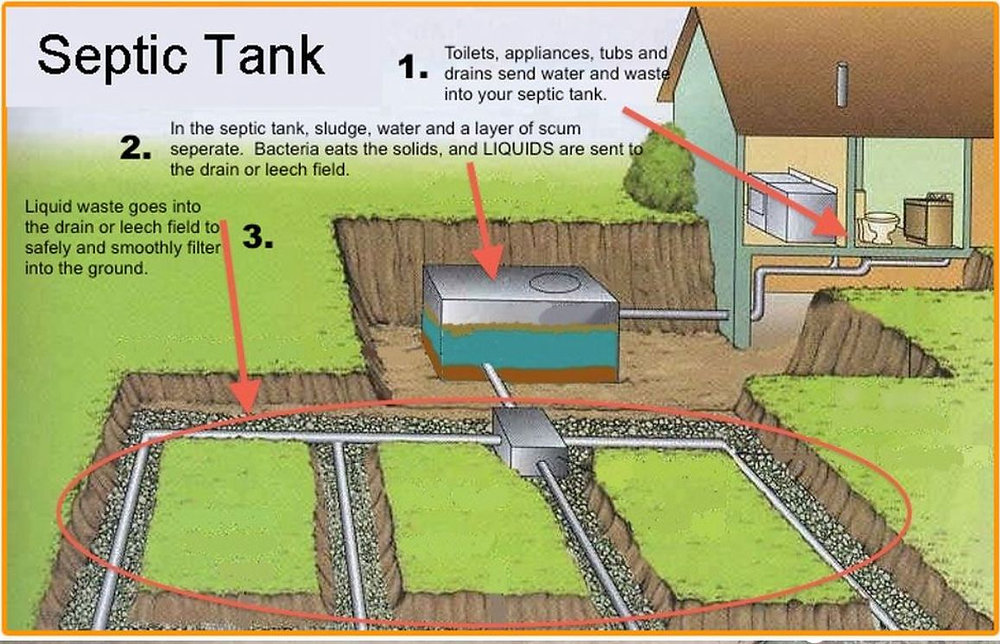
Before you try to drain a septic tank, it helps to know what you’re working with. A septic system is an underground wastewater treatment structure. It’s common in rural areas where houses are not connected to a public sewer system. Wastewater from your home flows into the tank, where solids settle to the bottom and lighter materials like oils float to the top. The liquid in the middle then moves out into a drain field.
A typical septic tank is made of concrete, fiberglass, or plastic. They can hold between 1,000 and 2,000 gallons (about 3,800 to 7,600 liters), serving a family of four for three to five years. The more people in your home, the faster your tank fills.
Key Parts of a Septic System:
- Inlet pipe: Where wastewater enters the tank
- Tank chamber(s): Where solids settle and bacteria break them down
- Outlet pipe: Where clarified liquid leaves for the drain field
- Manhole cover: Access point for inspection and pumping
Understanding how these parts work together helps you spot issues before they become serious. For example, if the outlet pipe is blocked, liquids can back up into your home. If the inlet pipe cracks, soil or roots might get into the tank and disrupt its function.
While the tank itself is buried, the drain field is also critical. This is where most of the cleaning happens, as bacteria in the soil finish breaking down waste.
One detail beginners often miss: septic tanks need bacteria to function. These bacteria are naturally present, but harsh chemicals or antibiotics flushed into the system can kill them, slowing the breakdown process. If the bacteria die off, solids build up faster and the tank needs more frequent draining.
Another common oversight is not knowing the tank’s exact size or age. Older properties may have tanks that are smaller or built with materials that degrade faster, which impacts how often they need maintenance.
Signs Your Septic Tank Needs Draining
Not sure if your tank is full? There are warning signs, and ignoring them can lead to bigger problems.
- Slow Drains: If sinks, toilets, and showers are draining slowly, your tank may be full. Sometimes, only one drain is slow at first, but the problem often spreads as the tank fills up.
- Unpleasant Odors: Bad smells inside or outside your house can mean the tank is overflowing. These odors are often strongest near bathrooms, kitchens, or the area above the tank.
- Pooling Water: Water gathering above the drain field or near the tank is a warning sign. Even if it’s just a small puddle, it means the system isn’t draining properly.
- Lush Grass: If grass over the tank or drain field is greener than the rest, it could mean leakage. This happens because sewage acts as a fertilizer, but it’s also a sign of trouble.
- Sewage Backup: The most serious sign—wastewater backing up into your home. This can cause damage to floors, walls, and personal items, and it’s a health hazard.
Some signs are easy to miss, especially in the early stages. For example, you might notice a faint odor only after it rains, or the drains slow down only when you use a lot of water in a short time.
Paying attention to these small changes helps you catch problems before they get worse.

Credit: www.butlerswcd.org
Tools And Equipment Needed
Draining a septic tank is not a simple DIY job for most people. However, understanding the tools helps you communicate with professionals and check their work.
Essential Equipment:
- Vacuum Pump Truck: The main tool for pumping out waste. It uses strong suction to remove solids and liquids. These trucks often have large holding tanks and powerful pumps designed to handle thick sludge.
- Protective Gear: Gloves, boots, eye protection, and sometimes a respirator mask. Professionals may also wear coveralls to keep contaminated material off their skin.
- Sewer Hose and Attachments: To connect the tank to the pump truck. Hoses need to be long enough to reach buried tanks, and must be tightly sealed to avoid spills.
- Manhole Cover Lifter: For opening heavy tank lids safely. Some covers weigh over 100 pounds and can break toes or fingers if handled carelessly.
- Rake or Shovel: For clearing debris or soil from the tank cover. Sometimes, heavy rain or shifting soil can bury the access point.
- High-Pressure Water Jet: Sometimes used to break up solids or clean tank walls. This tool helps remove stubborn sludge that sticks to the sides or bottom.
Optional Tools:
- Inspection Mirror/Camera: To inspect the inside of the tank. Cameras are especially useful for spotting cracks or blockages without entering the tank.
- Measuring Stick or Sludge Judge: To check the level of solids and scum. Knowing these levels helps decide if a full pump-out is needed.
Notably, homeowners should not attempt to enter a septic tank. Gases inside are toxic and can be deadly within minutes. Even professionals only enter tanks when absolutely necessary, using special breathing gear and safety lines.
If you hire a professional, ask them to show you the tools they’ll use. Good providers are happy to explain their process, and you’ll learn a lot by seeing the equipment up close.
Step-by-step: How To Drain A Septic Tank
Let’s break down the process as a professional would do it. Each step is important for safety and effectiveness.
1. Locate The Septic Tank
Most tanks are buried about 1-2 feet below the surface. Look for a large manhole cover or ask the local health department for records. If you can’t find it, professionals use electronic locators.
If your home is new, you may have a map or diagram showing the tank’s exact location. In older homes, previous owners or neighbors might know. Avoid guessing, as digging in the wrong spot can damage pipes or landscaping.
2. Clear The Access Area
Remove any grass, soil, or debris covering the tank’s manhole cover. Make sure the area is clear for the pump truck to park as close as possible.
If the cover is under a deck or patio, you may need to remove boards or stones. This is why it’s smart never to build permanent structures over your tank or drain field. Clearing the area also prevents pets or children from wandering into the work zone.
3. Open The Manhole Safely
Use a proper lifter or pry bar, not your hands. Be careful—sometimes gases or pressure can cause a sudden release.
When the cover is removed, stand back for a moment to let any trapped gases escape. The first whiff can be strong, and it’s best to avoid breathing it in.
4. Inspect The Tank
Before pumping, check the level of solids (sludge), scum, and liquid. Professionals use a long stick or a transparent tube called a Sludge Judge.
A quick visual check can reveal if the tank is overfull, if there are roots growing in, or if anything unusual is present (like floating trash). If the tank is not filling evenly, it could signal a problem with the inlet or outlet pipes.
5. Pump Out The Tank
Insert the vacuum hose into the tank. The truck’s pump will suck out the waste. The operator will move the hose around to remove as much solid and liquid waste as possible.
The process usually takes about an hour, depending on tank size and how full it is. Good operators will work slowly to avoid stirring up too much sludge at once, which can clog the hose. It’s a good sign if the technician explains what they’re doing as they work.
6. Break Up Remaining Sludge
Sometimes, thick solids stick to the bottom. The operator may use a water jet or a long pole to break them up for removal.
If a lot of hard material is left, it could mean the tank hasn’t been pumped in a long time or that non-biodegradable items have been flushed. The technician may recommend more frequent pumping in the future or a camera inspection for damage.
7. Rinse And Inspect
Some companies rinse the inside walls with clean water to remove residue. After pumping, the tank is inspected for cracks, roots, or other problems.
This inspection is vital. Cracks let water leak out (or in), which can cause the tank to fail. Roots from trees and shrubs can force their way into seams, breaking the tank or blocking pipes. If problems are found, the technician will advise you on the next steps.
8. Close And Seal The Tank
Replace the manhole cover securely. Fill in any soil or grass that was disturbed.
A loose cover is a safety hazard, especially for children or animals. Make sure the area looks as close to its original state as possible. Some companies offer to reseed grass if a large area was disturbed.
9. Proper Waste Disposal
The waste is transported to an approved treatment facility. It’s illegal to dump it elsewhere.
If you want to be extra careful, ask your provider for paperwork showing where your waste was taken. This protects you if there are ever questions from neighbors or local authorities.
How Often Should You Drain A Septic Tank?
Most households need to drain their septic tanks every 3 to 5 years. But this depends on:
- Tank size
- Number of people in the house
- Amount of wastewater produced
- Volume of solids (food waste, wipes, etc.)
Here’s a quick guide for common tank sizes and home sizes:
| Household Size | Tank Size (gallons) | Drain Interval (years) |
|---|---|---|
| 1–2 people | 1,000 | 5–7 |
| 3–4 people | 1,250 | 3–5 |
| 5–7 people | 1,500 | 2–4 |
| 8+ people | 2,000+ | 1–3 |
Pro Tip: Keeping a record of each pumping helps you plan and spot problems early.
Another non-obvious point: If you have a garbage disposal, you may need to pump more often. Food waste adds solids that don’t break down as quickly as toilet waste or paper.
Also, if your house has water-saving toilets and fixtures, your tank may fill more slowly, extending the time between pump-outs. But it’s still important to check sludge levels every few years.
Safety Precautions
Septic tank work is dangerous. Toxic gases like methane and hydrogen sulfide can build up inside. These can cause suffocation in seconds. Here’s how to stay safe:
- Never enter the tank. Only trained professionals with safety gear should open the tank.
- Keep children and pets away from the area during maintenance.
- Wear gloves, boots, and eye protection to avoid direct contact with waste.
- Be careful with open flames or sparks near the tank. Some gases are explosive.
- Wash hands and clothes thoroughly after working near the tank.
One common mistake: Some homeowners try to “freshen” their tank with bleach or chemical additives. These can kill the useful bacteria inside and harm your system.
For added safety, ask your provider about their emergency procedures. Good companies train their workers to handle spills, leaks, or accidental exposures.
Another tip: If you notice a strong odor or feel dizzy when near the tank, leave the area immediately and get fresh air. Symptoms can come on quickly and are a sign that dangerous gases are present.

Credit: greengobbler.com
Legal And Environmental Considerations
Local laws regulate how septic tanks are drained and how waste is disposed of. In the U. S. , the Environmental Protection Agency (EPA) and state health departments set rules.
- Only licensed professionals can remove and transport septic waste.
- Illegal dumping can lead to heavy fines and environmental damage.
- Permits may be required for new tanks, repairs, or in sensitive areas.
If you’re unsure, check with your local health department. They may also offer a list of approved septic service providers.
Rules are often stricter if your property is near a waterway, wetland, or protected area. Following the rules not only protects the environment but also keeps your home’s records clean if you ever sell the property.
Diy Vs. Hiring A Professional
Some homeowners wonder if they can drain their own septic tank to save money. The truth: draining a septic tank is not a safe or practical DIY job for most people. Here’s why:
- Specialized equipment is needed to pump out solids and liquids.
- Waste disposal is strictly regulated. You can’t dump septic waste just anywhere.
- Risk of exposure to harmful gases and bacteria is high.
- Inspection and repairs require experience.
Trying to do it yourself can result in injury, property damage, or legal trouble.
When to Call a Professional:
- You notice signs of a full tank (slow drains, smells, pooling water)
- You’re not sure when the tank was last drained
- There are visible cracks or leaks
- You need an inspection for a property sale
Even handy homeowners should call a pro for pumping. However, you can help by keeping the area clear, knowing your tank’s location, and watching for early warning signs.
Common Mistakes To Avoid
Even experienced homeowners can make errors with their septic systems. Here are some things to avoid:
- Waiting too long: Regular maintenance is cheaper than emergency repairs.
- Flushing the wrong things: Wipes, diapers, grease, and chemicals can block or damage the system.
- Using additives: Most additives are unnecessary and can harm bacteria.
- Ignoring the drain field: Don’t park, build, or plant trees on it. Roots and weight can damage pipes.
- Not keeping records: Tracking service dates helps prevent problems.
Another mistake: ignoring wet spots or odors in the yard. These are often early signs of drain field failure, not just a full tank. Call a professional if you notice anything unusual, even if it seems minor.
What Happens To The Waste After Pumping?
After your tank is pumped, the waste (called septage) is taken to a treatment plant. There, it’s processed to remove harmful bacteria and contaminants. In some areas, treated septage is used as fertilizer, but only after meeting strict safety rules.
Dumping waste in fields, woods, or drains is illegal and dangerous. It can pollute water supplies and spread disease. Always ask your service provider where the waste will go.
In rare cases, septage may be treated on-site with special equipment, but this is only allowed in certain areas and must meet strict guidelines.
One hidden detail: If your area experiences heavy rain or flooding, treatment plants can be overwhelmed, causing delays in septage disposal. Responsible companies plan ahead to avoid overloading local systems.
The Cost Of Draining A Septic Tank
Prices vary by region, tank size, and ease of access. Most homeowners pay between $250 and $500 for a standard septic tank pumping. Some factors that affect the price:
- Tank size: Larger tanks cost more to pump.
- Accessibility: If the tank is hard to reach, costs go up.
- Amount of waste: Extra thick sludge may require more work.
Here’s a quick comparison:
| Service | Estimated Cost (USD) | Included |
|---|---|---|
| Basic pumping | $250–$400 | Pumping, minor cleaning |
| Inspection & cleaning | $400–$600 | Pumping, inspection, washing walls |
| Emergency pumping | $500–$1,000 | After hours, severe backup |
Tip: Get quotes from several licensed providers, and ask what’s included in the service.
Some companies charge extra for digging up buried lids, cleaning filters, or hauling waste long distances. Ask for a written estimate before work begins, so you’re not surprised by hidden fees.
How To Prepare For Your Septic Tank Pumping
If you’re hiring a professional, a little preparation can make the job easier and faster.
- Know the tank location: If you have an old property, find the records or ask the health department.
- Clear access: Move vehicles, furniture, or anything blocking the path to the tank.
- Keep pets inside: Trucks and hoses can be dangerous for animals.
- Note any problems: Tell the technician about slow drains, smells, or other issues.
Non-obvious tip: Mark the tank’s location for future reference. A simple stake or painted rock can save time next time.
You can also ask the technician to show you the tank’s access points. Take a photo for your records. If you have a septic filter, ask if it needs cleaning or replacement at the same time—this can prevent blockages later.
How To Maintain Your Septic System After Draining
Draining is just one part of keeping your septic system healthy. Good habits help prevent problems:
- Don’t overload the system: Space out laundry and dishwasher loads.
- Avoid flushing non-biodegradable items: Only human waste and toilet paper.
- Fix leaks: A running toilet or dripping tap can flood the tank.
- Protect the drain field: Don’t drive or build over it.
- Monitor for signs of trouble: Catching issues early can save money.
Extra insight: Using too much water softener can add excess salt, which may affect tank bacteria and the drain field.
An additional tip: If you use a well for drinking water, test the water regularly. A failing septic system can contaminate your well without obvious signs. This is especially important if your property is on a slope or near a water source.
Some homeowners install risers—vertical pipes that bring the manhole cover up to ground level. This makes future inspections and pumping easier, especially if the tank is buried deep.
Environmental Impact Of Septic Tank Maintenance
Proper septic tank maintenance protects your property and the environment. A leaking or overflowing tank can contaminate groundwater, streams, and soil.
Key facts:
- One failing septic tank can pollute thousands of gallons of water.
- Nitrates and bacteria from waste can cause health risks for humans and animals.
- Proper disposal and maintenance prevent these problems.
The EPA provides guidelines and resources for septic system owners. For more details, visit the EPA’s official septic care page.
If you notice a bad smell near a stream or see dead plants near your drain field, report it to your local health department. Early action can prevent big environmental problems.
Questions To Ask Your Septic Service Provider
Choosing the right professional makes a big difference. Here are some questions to help you decide:
- Are you licensed and insured?
- Where do you take the waste?
- What does your service include?
- Can you inspect for damage or blockages?
- Do you provide a written report or receipt?
A good provider will answer these questions and explain their process clearly.
Don’t be afraid to ask for references or to check online reviews. A reliable company welcomes these questions and is proud of their record.
Comparing Septic Tank Pumping Companies
If you’re comparing service providers, consider these factors:
| Factor | Why It Matters |
|---|---|
| Licensing & Insurance | Protects you if something goes wrong |
| Experience | More likely to spot problems early |
| Disposal Method | Legal and environmentally safe |
| Service Details | Some include inspection, others don’t |
| Customer Reviews | Shows reliability and professionalism |
A less obvious tip: Ask about emergency availability. If you have a problem after hours or on a holiday, it helps to know your provider can respond quickly.
Credit: www.lwdd.net
Frequently Asked Questions
How Do I Know If My Septic Tank Needs Draining?
Common signs include slow drains, bad smells, and pooling water near the tank or drain field. If it’s been three to five years since your last pumping, it’s time to schedule a service.
Can I Drain My Septic Tank Myself?
It’s not recommended. Professional equipment and training are required to pump and dispose of waste safely. Attempting it yourself can be dangerous and may break local laws.
What Happens If I Don’t Drain My Septic Tank?
If you skip regular draining, solids build up and can block pipes or overflow into the drain field. This can lead to sewage backing up into your home and expensive repairs.
How Long Does Septic Tank Pumping Take?
Most standard pumping jobs take 1 to 2 hours. This depends on the tank size, how full it is, and how easy it is to access.
Are Septic Tank Additives Necessary?
Generally, no. Most tanks have enough natural bacteria to break down waste. Additives can actually harm the system by killing these helpful bacteria.
Draining a septic tank may not be glamorous, but it’s a key part of homeownership for millions of people. With regular care and a clear understanding of the process, you can avoid costly surprises and keep your system running smoothly for years to come.