
Finding the right kitchen cabinets is a lot like choosing the perfect outfit. You want everything to look good together, feel right, and work for your lifestyle. But matching kitchen cabinets can feel confusing, especially if you’re updating only part of your kitchen, mixing old and new, or trying to fit a certain style.
Many people are afraid of making the wrong choice—will the colors clash, will the styles look strange, or will the new cabinets make the old ones look worn out? The good news is, you don’t need to be a professional designer to find cabinets that match beautifully.
With some careful planning, understanding of materials, and a few smart tricks, you can have a kitchen that looks like it was designed by an expert.
In this article, you’ll learn how to match kitchen cabinets with confidence—even if you’re starting with an existing set, building from scratch, or working with a designer. We’ll cover everything from colors and styles to hardware and finishes. You’ll see examples, get practical tips, and learn from common mistakes.
By the end, you’ll know exactly how to bring your kitchen cabinets together for a space that feels complete, stylish, and functional.
Understanding What “matching” Means For Kitchen Cabinets
Before you start looking for cabinets, it’s important to understand that “matching” doesn’t always mean “identical.” In fact, some of the most beautiful kitchens use cabinets that are different but work together. You can match cabinets in several ways:
- Color harmony: Using colors that look good together, even if they’re not the same.
- Style consistency: Choosing cabinet shapes and details that fit the same theme.
- Material and finish: Picking woods, paints, or stains that complement each other.
- Hardware coordination: Using similar or compatible knobs, handles, and hinges.
Matching is about creating a look that feels balanced and intentional. Sometimes, a little contrast can make your kitchen more interesting. For example, pairing white upper cabinets with dark lower cabinets is a popular trend. The key is to plan carefully so your choices look connected, not random.
Decide What Needs To Match
The first step is to decide what “matching” means for your kitchen. Are you replacing all cabinets or just a few? Are you adding new cabinets to old ones? Your answer will shape your approach.
Matching All New Cabinets
If you’re starting from scratch, you have the most control. You can pick any style, material, or color you like. The main challenge is choosing a look that you’ll love for years.
Blending New Cabinets With Existing Ones
Many people only replace part of their cabinets to save money or because the old cabinets are still in good shape. In this case, your goal is to make the new cabinets look like they belong with the old ones.
Creating A Mixed-style Kitchen
Some kitchens use two or more cabinet styles on purpose. This might mean a different color for the island or glass doors on a few upper cabinets. Here, matching means making sure the different elements feel coordinated.
How To Match Cabinet Colors
Color is often the first thing people notice. Getting cabinet colors to match—or at least to work well together—is one of the most important steps. Here’s how to do it:
1. Identify Your Base Color
Start by looking at the cabinets you already have or the main color you want to use. Is it white, wood, gray, blue, or something else? This will be your starting point.
2. Choose A Matching Approach
There are three main ways to match cabinet colors:
- Exact match: Find cabinets in the same color and finish as your existing ones. This is the safest choice if you want everything to look uniform.
- Similar shades: Pick a color that’s close but not identical, such as two shades of white or gray. This can add subtle depth.
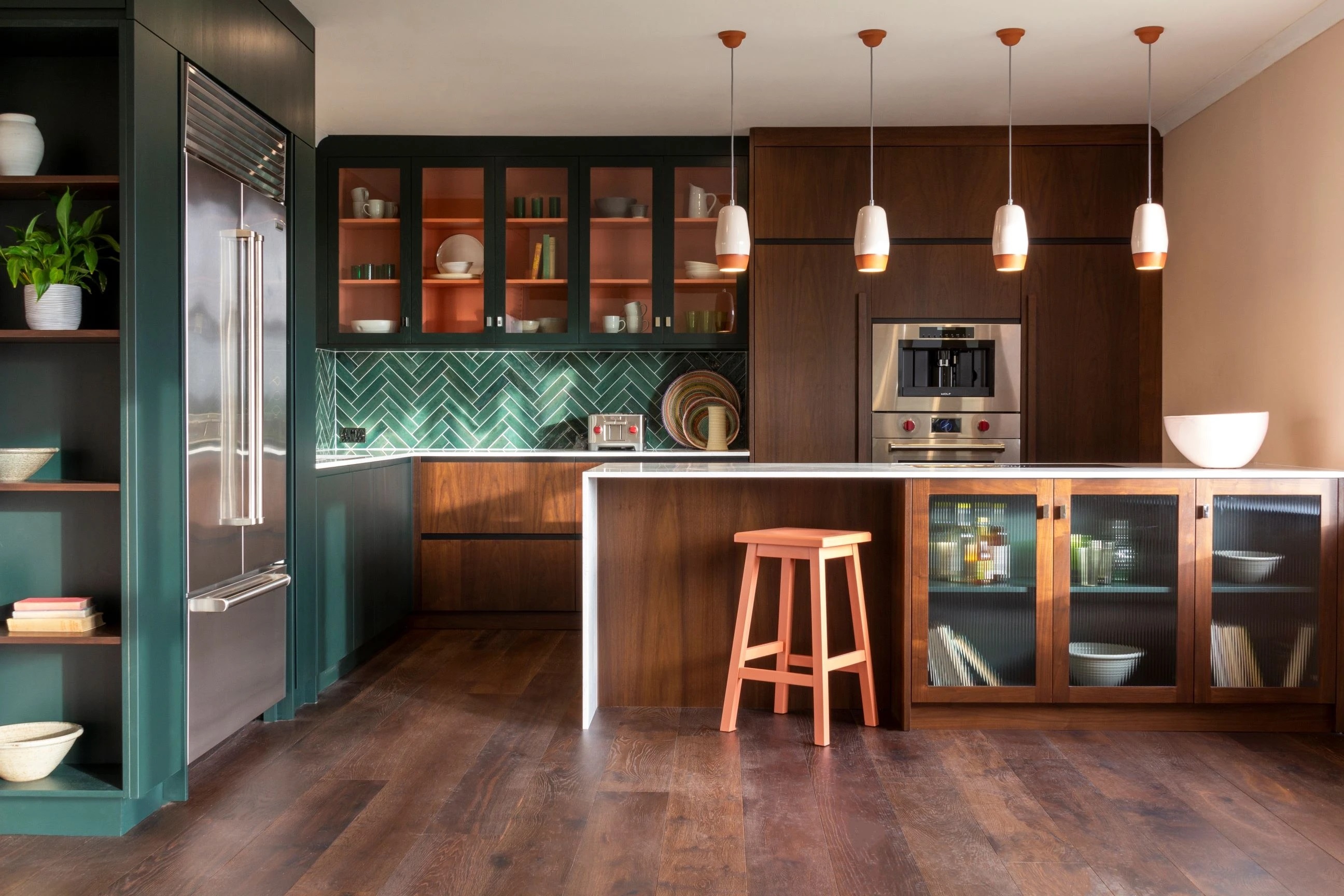
- Contrasting colors: Use a completely different color for some cabinets (like a navy island with white main cabinets). The key is to choose colors that complement each other.
3. Use Paint Samples And Swatches
Never trust photos or online images alone. Order real paint or finish samples. Hold them next to your existing cabinets under your kitchen lighting. Natural light changes how colors look, so check at different times of day.
4. Consider Undertones
Two whites can look very different if one has a yellow undertone and one has a blue undertone. The same goes for grays, creams, and even woods. Try to keep undertones the same for a more harmonious look.
5. Think About The Rest Of The Room
Your cabinets should also work with your countertops, backsplash, flooring, and appliances. If your floor is a warm wood, cool gray cabinets might clash.
Common Color Matching Mistakes
- Ignoring undertones (the hidden hint of color in paint or stain).
- Using too many bold colors without a neutral to balance them.
- Forgetting about how cabinet color looks in morning vs. evening light.
Example: Matching New Cabinets To Old Oak
Suppose your kitchen has old oak cabinets in a honey finish. If you can’t find an exact match, look for new cabinets in a similar warm wood tone. If you want a fresh look, painted cabinets in cream or soft gray often pair well with oak.
Matching Cabinet Styles
Cabinet style refers to the shape of the doors, the trim, and the details. Even if colors are different, similar styles can help cabinets match.
1. Identify The Main Style
Is your kitchen traditional, modern, farmhouse, or something else? Typical cabinet styles include:
- Shaker: Simple, flat panels with a square frame.
- Raised panel: Decorative, with a raised center panel.
- Slab: Flat, smooth door (modern look).
- Beadboard: Vertical grooves for a cottage feel.
2. Match Door Profiles
Try to keep door shapes similar. If your old cabinets are Shaker, new Shaker doors will blend best. If you mix styles, choose ones that don’t compete for attention.
3. Coordinate Decorative Details
Look at things like molding, glass inserts, or open shelving. If your existing cabinets have crown molding, adding it to the new cabinets creates unity.
4. Know When To Mix Styles
Sometimes, mixing styles works—like combining glass-front uppers with solid lowers. The secret is consistency in other areas, such as color or hardware.
Practical Example
If your old cabinets are classic Shaker, but you want a modern touch, try adding slab-style cabinets in a matching color just on the island. This gives your kitchen an update without losing harmony.
Choosing Materials And Finishes
Even two cabinets in the same color can look different if one is glossy and one is matte. Here’s how to make smart choices:
1. Identify Existing Materials
Are your cabinets solid wood, MDF, or laminate? Matching the same material gives a seamless look, but you can also blend materials if the finishes are similar.
2. Select A Finish
Cabinet finishes include:
- Matte: No shine; hides fingerprints well.
- Satin: Soft sheen; easy to clean.
- Glossy: High shine; modern but shows smudges.
If your current cabinets are satin, try to get new cabinets in the same finish. If you want to mix, keep finishes in the same family (all matte or all glossy).
3. Wood Grain And Stain
Matching wood grain is tricky. Try to line up the direction of the grain (horizontal or vertical). For stains, if you can’t get an exact match, choose a shade that’s at least in the same warm or cool family.
4. Paint Vs. Stain
Painted cabinets are easier to match than stained wood. If your old cabinets are wood, painting both sets the same color can make them look unified—even if they’re different materials.
Non-obvious Insight
Many beginners forget to check the edge profiles of the doors. Even with the same style, an angled edge vs. a rounded edge can make cabinets look mismatched.
Coordinating Hardware And Accessories
Knobs, handles, and hinges are the small details that tie cabinets together. You don’t need identical hardware everywhere, but it should look intentional.
1. Choose A Metal Finish
Popular options include:
- Brushed nickel
- Oil-rubbed bronze
- Matte black
- Polished chrome
Pick one metal finish and use it across all cabinets for instant unity.
2. Match Or Coordinate Hardware Shapes
If your old cabinets have round knobs, adding similar ones to new cabinets works well. You can also mix knobs and pulls if they share the same finish and general style.
3. Hinges And Drawer Slides
Visible hinges should match the hardware. For hidden hinges, this matters less, but don’t mix old, rusty hardware with new, shiny pieces.
4. Accessory Coordination
Other accessories—like toe kicks, crown molding, or under-cabinet lighting—should also match or complement each other.
Example
If your kitchen has brushed nickel handles, adding a few matte black pulls might look like a mistake unless you repeat black in other parts of the room (like light fixtures or faucets).
Mixing Old And New Cabinets
Many kitchen updates involve keeping some old cabinets and adding new ones. Here’s how to make them work together:
1. Clean And Refresh Old Cabinets
Before you compare, clean your old cabinets well. Dirt and grease can change the way colors look. Sometimes, simply refinishing or painting the old cabinets can make matching easier.
2. Match Key Features
Focus on the most visible features—door style, color, and hardware. If you can’t match everything, match the door style and repaint both sets.
3. Use Transition Pieces
Add open shelving, a wine rack, or glass-front cabinets between old and new sections. This creates a “bridge” that helps the two sets blend together.
4. Accept Some Variation
If perfect matching isn’t possible, aim for “coordinated contrast. ” For example, use white paint on old cabinets and a soft gray on new ones, but keep the same style and hardware.
5. Professional Color Matching
Some paint stores can custom-match cabinet colors. Bring in a door or drawer and ask for a match.
Non-obvious Insight
Sometimes, the age of your old cabinets shows in the sheen (how shiny they are). Old paint often loses its gloss. If you add new, shiny cabinets, consider giving the old ones a fresh coat to match the sheen.
Using Two-tone Or Mixed Cabinets
More homeowners are choosing two-tone cabinets—different colors or styles on uppers and lowers, or on an island. This can look stylish and modern if done right.
1. Pick A Dominant Color
Choose one color or finish as the “main” look, and use the second color as an accent.
2. Keep Styles Consistent
Even if you use different colors, keep door styles and hardware consistent.
3. Use Balance
If your kitchen is small, keep darker colors below and lighter ones above. This makes the room feel bigger.
4. Repeat Colors Elsewhere
If you use navy blue cabinets, add navy in bar stools, rugs, or window treatments for a coordinated look.
Example
A popular style is white upper cabinets with natural wood or navy lowers. The white keeps things bright, while the darker color adds interest and grounds the space.
Working With Cabinet Manufacturers And Stores
Finding matching cabinets is easier if you know how to communicate with stores or cabinetmakers.
1. Bring Samples And Photos
Take a door or drawer from your current cabinets. Bring paint or stain samples. Photos help, but real samples are best.
2. Ask About Custom Colors
Many cabinet companies offer custom color matching for a fee.
3. Check Lead Times
Custom cabinets can take weeks or months to arrive. If you need something faster, ask about in-stock options.
4. Compare Samples At Home
Store lighting is different from your kitchen. Always check samples at home before making a decision.
5. Ask For Professional Advice
Most cabinet stores have designers who can help match style, color, and hardware. Take advantage of their experience.
Using Technology To Visualize Your Cabinets
Modern tools make it easier to see how different cabinets will look together.
1. Online Kitchen Visualizers
Many cabinet brands and home improvement stores offer online tools. You can upload a photo of your kitchen and test different cabinet styles and colors.
2. Augmented Reality Apps
Some smartphone apps let you “see” new cabinets in your space using your camera.
3. Digital Design Services
For a small fee, some companies will create a digital rendering of your kitchen with new cabinets.
4. Why Visualization Matters
Colors and finishes often look different in person. Visualization tools help avoid surprises and make you more confident in your choices.
Budget Considerations And Price Matching
Matching cabinets isn’t just about looks—it’s about budget, too.
1. Compare Materials And Prices
Solid wood cabinets cost more than MDF or laminate. Custom colors or finishes also add cost.
| Cabinet Material | Average Cost per Linear Foot | Durability |
|---|---|---|
| Solid Wood | $100–$300 | High |
| MDF | $60–$150 | Medium |
| Laminate | $50–$120 | Medium |
| Thermofoil | $70–$130 | Medium |
2. Consider Refacing Or Painting
If you can’t afford new cabinets, refacing (replacing doors and drawer fronts) or painting is a lower-cost way to get a matching look.
3. Mix High And Low
Use pricier cabinets in the most visible spots (like the island) and budget cabinets in less seen areas.
4. Don’t Forget Installation
Professional installation adds to your budget. Ask for a quote before you buy.
5. Plan For The Future
If you might add more cabinets later, choose widely available colors and styles.
Practical Steps For Matching Cabinets
Let’s break down the steps for matching kitchen cabinets, whether you’re mixing old and new or starting fresh.
- Assess your current cabinets: Look at color, style, material, and hardware.
- Decide what you want to match: Is it color, style, both, or just the overall feeling?
- Collect samples: Take doors, paint chips, and photos.
- Visit stores or showrooms: Compare samples in person, not just online.
- Order samples: Get paint or finish samples to test at home.
- Use visualization tools: Try kitchen visualizer apps or websites.
- Check lighting: View your samples under your kitchen lighting at different times of day.
- Choose hardware: Decide on knobs, pulls, and hinges that tie everything together.
- Get professional input: Ask designers or contractors for advice if you’re unsure.
- Order and install: Once you’re confident in your choice, place your order and plan installation.

Credit: newreplacementkitchendoors.co.uk
Comparing Matching Approaches
Here’s a quick comparison of different ways to match kitchen cabinets:
| Approach | Best For | Pros | Cons |
|---|---|---|---|
| Exact Match | Uniform look | Seamless, professional | Hard to find exact materials/colors |
| Similar Shades | Subtle updates | More options, hides age differences | Risk of clashing undertones |
| Contrasting Colors | Modern or custom look | Stylish, adds interest | Can look unplanned if not balanced |
| Two-Tone Cabinets | Large kitchens | Trendy, defines spaces | Requires careful color selection |
Real-world Examples And Inspiration
Seeing how others have matched their cabinets can spark ideas for your own kitchen.
Example 1: Updating A Small Kitchen
Maria wanted to add more storage to her 1980s kitchen with cream laminate cabinets. She chose new cabinets in a matching cream color but updated the hardware to brushed nickel. She also added open shelves between old and new cabinets to “bridge” the styles. The result: a kitchen that feels fresh and unified, even though some cabinets are 30 years older.
Example 2: Blending Old Wood With New Paint
Jorge’s kitchen had dark cherry wood cabinets. He added new upper cabinets painted in pale gray. By keeping the door style and hardware the same, and repeating the gray in the backsplash, his kitchen feels coordinated—not mismatched.
Example 3: Two-tone For A Modern Look
Lisa used white cabinets on the walls and a navy blue island with gold hardware. She kept the cabinet style (flat panel) and the hardware style consistent. The two-tone look gives her kitchen a designer feel, but everything still matches.
Expert Tips For A Professional Look
- Paint can be your best friend. If old and new cabinets are different, painting them the same color (and finish!) Makes them look like a set.
- Don’t forget lighting. Under-cabinet lights can “wash out” slight color differences.
- Replacing just the hardware on old cabinets can make them look new—and match new additions.
- Keep samples of all paints, stains, and hardware for future repairs or replacements.
- If you’re unsure, stick with classic colors like white, gray, or wood tones. They’re easier to match over time.
Mistakes To Avoid
- Rushing the process. Always check samples in your own kitchen before buying.
- Mixing too many styles or colors without a clear plan.
- Ignoring undertones, which can make two “matching” whites look off.
- Forgetting that new cabinets may look different once installed next to old ones.
- Picking trendy colors or styles that may be hard to match in the future.
When To Hire A Professional
If your kitchen has a complex layout, or if you’re combining many cabinet types, consider working with a kitchen designer or contractor. They can help with color matching, layout, and installation. While this costs more, it often saves money in the long run by avoiding costly mistakes.
Sustainability And Eco-friendly Matching
If you’re environmentally conscious, look for cabinets made from sustainable woods or recycled materials. Many companies offer low-VOC paints and finishes, which are better for your home’s air quality.
Credit: www.nakedkitchens.com
Where To Find Matching Cabinets
- Home improvement stores: Like Home Depot or Lowe’s, with a wide range of styles and samples.
- Cabinet showrooms: More choices, often with designers on staff.
- Online retailers: Huge selection, but always request samples first.
- Local cabinetmakers: Can create custom cabinets to match anything.
- Salvage or reuse centers: For older or vintage cabinets.
For more information on cabinet materials and styles, see this resource from the National Kitchen & Bath Association.
Frequently Asked Questions
How Can I Match New Kitchen Cabinets To Old Ones?
First, identify the style, color, and finish of your old cabinets. Get samples from stores and compare them under your kitchen lighting. If an exact match isn’t possible, consider painting both old and new cabinets the same color or using transition pieces like open shelves to blend the two.
Can I Mix Different Cabinet Colors In My Kitchen?
Yes, mixing cabinet colors (like white uppers and dark lowers) is a popular trend. The key is to keep the styles and hardware consistent. Make sure the colors complement each other and work with your floors and countertops.
What If My New Cabinets Look Different Once Installed?
Lighting, wall color, and even the age of your old cabinets can affect how new cabinets look. Always check samples in your kitchen before buying. If there’s a mismatch, painting or changing hardware can help them blend.
Is It Cheaper To Reface Or Paint Old Cabinets Instead Of Buying New Ones?
Usually, yes. Refacing or painting is often 30–50% less expensive than installing new cabinets. It’s a good way to match old and new if your cabinet boxes are in good shape.
How Do I Choose The Right Hardware To Match My Cabinets?
Pick one metal finish (like brushed nickel or matte black) and use it on all cabinets. If mixing knobs and pulls, keep the finish and general style the same. Changing hardware is an easy, affordable way to make cabinets match.
Bringing your kitchen together with matching cabinets doesn’t have to be stressful. With careful planning, real samples, and a clear vision, you can create a kitchen that feels harmonious and welcoming—whether you’re updating a few cabinets or redoing the whole room.

Credit: www.nadinefloors.com