
Keeping your pantry cool during the summer months is more than just a matter of comfort—it’s essential for keeping food fresh, safe, and waste-free. Warm weather brings challenges: higher temperatures, humidity, and the risk of pests. All these factors can shorten the shelf life of your food and even make it unsafe to eat. Many people underestimate how quickly heat damages staples like grains, flour, and canned goods. If you’ve ever opened a bag of flour to find it clumpy or found mold on bread, you know how frustrating this can be. The good news? With the right strategies, you can protect your pantry and your groceries, even when the temperature outside soars.
This guide will show you practical, effective ways to keep your pantry cool in summer. You’ll learn not only what works, but also why these methods matter. Whether you have a small kitchen cupboard or a walk-in pantry, these tips are flexible and easy to apply.
Along the way, you’ll discover insights and solutions that many homeowners miss. Small changes can make a big difference in food quality, family health, and your grocery budget.
Why Pantry Temperature Matters
Many foods last much longer when kept at the right temperature. Experts recommend pantry temperatures between 50–70°F (10–21°C) for dry goods. Heat speeds up spoilage, encourages mold, and attracts bugs. For example, rice stored at 77°F (25°C) can last 8–12 months, but at 95°F (35°C), it may spoil in less than 3 months. Oils and nuts can turn rancid, and canned foods may lose flavor or even become unsafe.
Humidity is another factor. High humidity can make dry foods clump together, promote mold, and even cause labels to peel off cans—making it hard to check expiry dates. When you keep your pantry cool, you’re not just making life easier.
You’re saving money and avoiding health risks.
Key Principles For A Cool Pantry
Before jumping into techniques, it helps to understand a few core principles:
- Airflow: Good ventilation prevents hot spots and keeps humidity down.
- Insulation: Stopping heat from getting in is often easier than cooling air that’s already hot.
- Organization: Smart storage makes it easier to spot issues quickly and keep cool air flowing.
- Location: Where your pantry sits can affect its temperature by several degrees.
These principles guide the strategies that follow.
Assessing Your Pantry Situation
Start by checking the current state of your pantry. Use a thermometer to measure temperature and a hygrometer for humidity. Take readings at different times of day. Note any walls that face the sun or appliances that give off heat, like ovens or refrigerators, nearby.
Check for gaps, vents, or windows that may let in warm air.
Create a simple log for a week. This gives you a baseline and helps you see which changes make a real difference.
Improving Ventilation
One of the easiest ways to cool a pantry is by improving airflow.
Install A Vent Or Grille
If your pantry is a separate room or closet, consider adding a small vent or grille at the top and bottom of the door. This helps hot air escape and allows cooler air to enter. For windowless pantries, even a small vent can make a difference.
Use A Small Fan
Place a compact fan inside the pantry to move air, especially if you have deep shelves. A fan running for a few hours in the evening can reduce heat build-up from the day. Some people use USB fans that are quiet and energy-efficient.
Leave The Door Open Strategically
Leaving the pantry door open during the coolest parts of the day, like early morning or late evening, can let cooler air circulate. Close the door when your kitchen gets hot (during cooking times) to keep heat out.
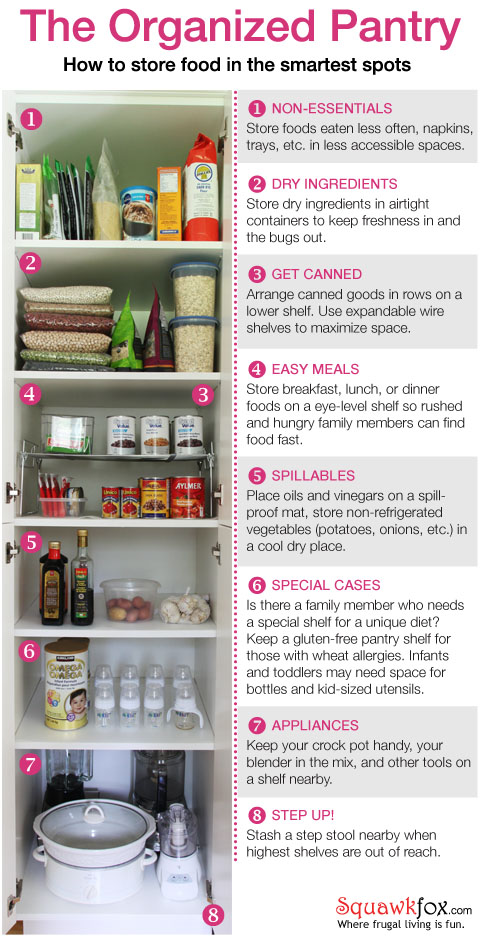
Credit: www.cashandkerry.com
Insulating Your Pantry
Insulation is the barrier that keeps heat outside. Even small upgrades can have a big impact.
Add Weatherstripping
Install weatherstripping around the pantry door to seal any gaps. This prevents hot air from leaking in, especially if your pantry is near a sun-heated hallway or kitchen.
Line Walls With Insulated Panels
Attach rigid foam panels or reflective insulation boards to pantry walls that face the sun. These materials are affordable, easy to cut, and can lower interior temperature by several degrees.
Insulate The Door
If your pantry door is thin or hollow, upgrade to a solid-core door or add an insulated layer to the back. You can use peel-and-stick foam sheets or even a heavy curtain as a temporary fix.
Managing Light And Heat Sources
Light generates heat, and many pantries have a window, a glass door, or a strong overhead light.
Block Sunlight
For pantries with windows, use blackout curtains or adhesive window film to block sunlight. Even a thin curtain can reduce solar heat by 30–50%.
Use Led Lighting
Replace incandescent or halogen bulbs with LED lights. LEDs produce almost no heat and use less electricity. Motion-sensor LEDs are a smart upgrade, so the light is on only when you need it.
Relocate Appliances
If possible, avoid placing your pantry next to ovens, dishwashers, or fridges. These appliances leak heat into surrounding walls and can raise pantry temperature by 5–10°F (2–5°C).
Organizing For Better Cooling
How you arrange pantry items affects how cool the space stays.
Leave Space Between Items
Don’t pack shelves tightly. Leave gaps between containers and walls to allow air to circulate. This prevents hot spots and keeps humidity from building up.
Use Open Shelving
Solid doors and shelves can trap warm air. Wire shelving or open racks let air move freely, helping maintain a more even temperature throughout.
Store Sensitive Foods Low
Heat rises. Put heat-sensitive foods like flour, chocolate, oils, and nuts on lower shelves, close to the floor. Save higher shelves for canned goods and other items less affected by warmth.
Rotate Stock Frequently
Use the first-in, first-out method. Place new items at the back, and move older items to the front. This reduces the risk of spoilage, especially if the pantry does get warm.
Humidity Control
Humidity is just as important as temperature for pantry health.
Use Silica Gel Packs Or Desiccants
Place silica gel packs or natural desiccants like charcoal bags on each shelf. These absorb excess moisture, keeping the air dry and food fresher. Replace them every few weeks.
Try A Mini Dehumidifier
Electric mini dehumidifiers are perfect for pantries. They are small, silent, and can lower humidity by 10–20% in a matter of hours. Some models use rechargeable silica beads and need no wiring.
Keep Pantry Dry
Wipe up spills right away. Moisture left on shelves or containers can raise humidity, attract pests, and cause mold. Use washable shelf liners for easier cleanup.
Smart Storage Solutions
The right containers make a big difference in fighting heat and humidity.
Use Airtight Containers
Store grains, flour, sugar, and snacks in airtight glass or plastic containers. This keeps out moisture, bugs, and even odors that can come from warm, closed spaces.
Prefer Light-colored Or Reflective Containers
Dark containers absorb heat. Clear or light-colored containers reflect more light and keep contents cooler. Metal tins also work well if sealed tightly.
Label Everything Clearly
Heat and humidity can make labels fall off or ink smudge. Use permanent markers or printed labels and place them on the lids or sides of containers.
Pest Control Measures
Warm, humid pantries attract insects and rodents. Cooling your pantry helps, but you need extra steps during summer.
Seal Entry Points
Check for cracks, holes, or gaps around pantry walls, baseboards, and shelving. Seal with caulk or foam filler to keep pests out.
Store Food Properly
Never leave food in open bags or boxes. Always move dry goods into sealed containers as soon as you bring them home.
Clean Regularly
Wipe shelves and sweep the floor weekly. Even small crumbs can attract ants or weevils. Consider monthly deep cleans in summer.
Use Natural Repellents
Place bay leaves, cloves, or sachets of dried mint on shelves. These natural scents help deter many pantry bugs.

Credit: www.youtube.com
Monitoring And Maintenance
Keeping your pantry cool is not a one-time task. It needs regular checks.
Use A Digital Thermometer And Hygrometer
Keep a digital thermometer and hygrometer in your pantry. Check readings daily in the hottest months. This helps you spot changes before they become problems.
Maintain Cooling Devices
If you use a fan or dehumidifier, clean it monthly to keep it working well. Dust can block airflow and reduce efficiency.
Check For Spoilage
Inspect food for signs of spoilage—like odd smells, clumping, or mold—every week. Remove any suspicious items right away to avoid spreading to other foods.
When To Invest In Extra Cooling
In extremely hot climates or during heatwaves, passive methods may not be enough.
Try A Portable Air Conditioner
A compact AC unit can cool a large pantry, especially if it’s walk-in. Only use units with thermostat control and set them to 65–70°F. Make sure the unit vents heat outside, not into your kitchen.
Use A Wine Fridge Or Beverage Cooler
For very sensitive items—like chocolate, nuts, or specialty flours—consider a wine fridge or beverage cooler. These fit under counters or on shelves and keep temperature steady.
Consider A Basement Or Cellar Pantry
If you’re renovating, consider moving your pantry to a basement or shaded area of your home. Earth-insulated rooms stay naturally cooler, even during peak summer.
Common Mistakes To Avoid
Many well-meaning efforts to cool a pantry can backfire. Watch out for these pitfalls:
- Over-sealing without ventilation: Sealing every crack is good for pests, but your pantry still needs some airflow. Otherwise, humidity can build up.
- Using ice packs or water bowls: These can raise humidity, leading to mold.
- Ignoring appliance heat: Placing a pantry next to a stove or fridge makes cooling much harder.
- Storing all foods together: Some items, like onions and potatoes, give off gases that speed up spoilage when stored with other foods.
- Leaving lights on: Incandescent bulbs can heat a small pantry quickly.
Case Study: Small Kitchen Cabinet Pantry
Let’s look at a real-world example. Sara, who lives in a hot apartment, struggled with a small kitchen cabinet pantry. In summer, the inside would reach 85°F (29°C) during the day. Bread molded quickly and her pasta clumped together.
Here’s how she solved it:
- She installed a vent grille in the cabinet door and used a small USB fan at night.
- She added reflective insulation to the back wall, which faced the sun.
- She switched to clear airtight containers for all dry goods.
- She kept a silica gel pack on each shelf.
- She started storing bread in the fridge during summer, instead of in the pantry.
- She monitored temperature daily with a digital thermometer.
Within two weeks, her pantry stayed below 75°F (24°C) even on hot days. Her food lasted longer and she noticed fewer bugs.
Table: Impact Of Pantry Temperature On Food Shelf Life
Here’s how temperature affects common pantry items:
| Food Item | At 70°F (21°C) | At 85°F (29°C) |
|---|---|---|
| White Rice | 12 months | 6 months |
| All-purpose Flour | 8 months | 3 months |
| Cooking Oil | 6 months | 2-3 months |
| Chocolate | 6-9 months | 2-3 months |
| Canned Soup | 18-24 months | 12 months |
As you can see, keeping your pantry cool has a big impact on how long your food stays fresh.
Table: Cooling Methods Compared
Wondering which cooling method fits your pantry? This comparison can help:
| Method | Cost | Cooling Effect | Best For |
|---|---|---|---|
| Ventilation Grille | Low | 1-3°F drop | Small pantries |
| Fan | Low | 2-5°F drop | All pantries |
| Reflective Insulation | Medium | Up to 10°F drop | Sunny walls |
| Mini Dehumidifier | Medium | Reduces humidity | Humid climates |
| Portable AC | High | 10-20°F drop | Large/walk-in pantries |
Table: Pantry Storage Container Comparison
Choosing the right container can help keep foods cool and dry. Here’s a quick comparison:
| Container Type | Heat Protection | Humidity Protection | Pest Protection |
|---|---|---|---|
| Glass Airtight Jars | Good | Excellent | Excellent |
| Plastic Airtight Boxes | Average | Good | Good |
| Metal Tins | Excellent | Good | Good |
| Original Packaging | Poor | Poor | Poor |
Two Insights Many People Miss
- The role of wall insulation: Most people focus on the pantry door but forget about walls facing sunlight. A single layer of foam board or reflective panel can lower inside temperature by 5–10°F.
- Humidity control matters as much as cooling: Even if your pantry isn’t hot, high humidity can ruin food quickly. Dry air is just as important as cool air for food safety.
Practical Tips For Every Home
Even if you rent or have a tiny kitchen, you can keep your pantry cooler:
- Use a clip-on fan or battery-powered fan if outlets aren’t available.
- Store small amounts of sensitive foods in the fridge or freezer during heat waves.
- Line the back of a cabinet with aluminum foil as a cheap, temporary reflector.
- Hang a light-colored curtain over open shelves to block heat.
- Place a small bowl of baking soda to absorb odors and some moisture.
When To Call A Professional
If your pantry is always hot (over 80°F/27°C) even after trying all tips, consult an insulation or HVAC specialist. There may be hidden problems—like air leaks, poor wall insulation, or appliance heat transfer. A pro can diagnose and suggest the best long-term fix.
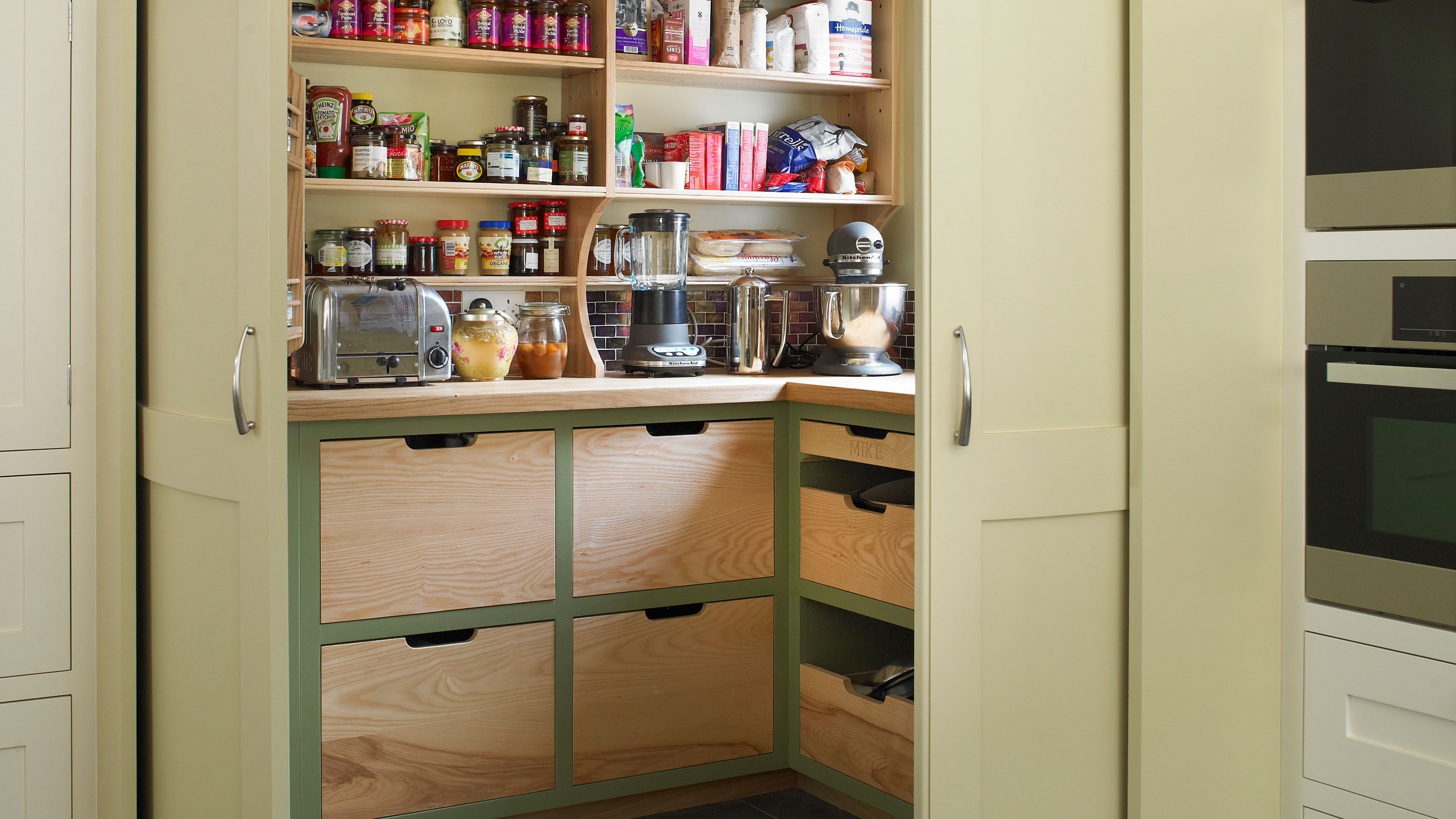
Credit: www.homesandgardens.com
External Resource
For more science on food storage and pantry design, you can check this article from the USDA Food Safety and Inspection Service.
Frequently Asked Questions
How Cool Should My Pantry Be In Summer?
Aim for 50–70°F (10–21°C). If you can’t reach this, try to keep it below 75°F (24°C). Most dry foods stay safe and fresh in this range.
Can I Use Ice Packs To Cool My Pantry?
No. Ice packs add moisture, which increases humidity and mold risk. Instead, use fans, insulation, or dehumidifiers.
Is It Safe To Store All Foods Together?
Not always. Some foods, like onions and potatoes, should not be stored together. They give off gases that speed up spoilage. Store them in separate, cool, dry places.
What Foods Should I Move Out Of The Pantry During Summer?
Move chocolate, nuts, specialty flours, and bread to the fridge or freezer in hot weather. These foods spoil faster above 75°F (24°C).
How Often Should I Check My Pantry Temperature?
Check once a day during summer, especially in the afternoon when it’s hottest. Use a digital thermometer for accuracy.
Keeping your pantry cool in summer takes a bit of planning, but the rewards are worth it. With the right strategies, you’ll keep food fresh, save money, and avoid the stress of waste or spoilage. Start with simple changes, monitor your results, and adjust as needed.
Your pantry—and your groceries—will thank you.