
A slow kitchen sink drain can turn simple tasks like washing dishes into frustrating chores. You might notice water pooling around your sink, strange smells, or even odd gurgling noises. Many people ignore these signs, hoping the problem will fix itself.
But a slow drain rarely gets better on its own. In fact, small clogs can quickly become big blockages if left untreated. Fixing a slow drain is not just about convenience; it also helps prevent expensive plumbing repairs and keeps your kitchen clean and hygienic.
This guide shows you, step by step, how to fix a slow kitchen sink drain. You’ll learn how to spot the cause, what tools and materials you need, and how to apply proven solutions. From quick DIY fixes to deep cleaning methods, everything is covered in clear, simple English.
You’ll also discover common mistakes, expert tips, and how to keep your drain running smoothly in the future. Whether you’re a complete beginner or have some experience, you’ll find practical advice you can use right away.
Understanding Why Kitchen Sink Drains Slow Down
Before you fix the problem, it helps to know what’s causing it. Kitchen sink drains can slow down for many reasons, and not all of them are obvious.
Common Causes Of Slow Drains
- Food debris: Small pieces of food often slip past the strainer. Over time, they collect in the pipes and slow the flow of water.
- Grease and fat: When you pour cooking oil or grease down the drain, it cools and sticks to pipe walls. This sticky layer traps other debris and creates a clog.
- Soap scum: Some dish soaps contain fats that build up inside pipes, especially if combined with hard water minerals.
- Mineral deposits: Hard water leaves behind calcium and magnesium. These minerals build up over months or years, narrowing the pipe.
- Foreign objects: Sometimes, small utensils, bottle caps, or even children’s toys fall into the drain and block it.
- Old plumbing: Pipes can corrode or rust, making it easier for debris to stick and harder for water to flow freely.
How To Recognize A Slow Drain
Some signs are easy to spot:
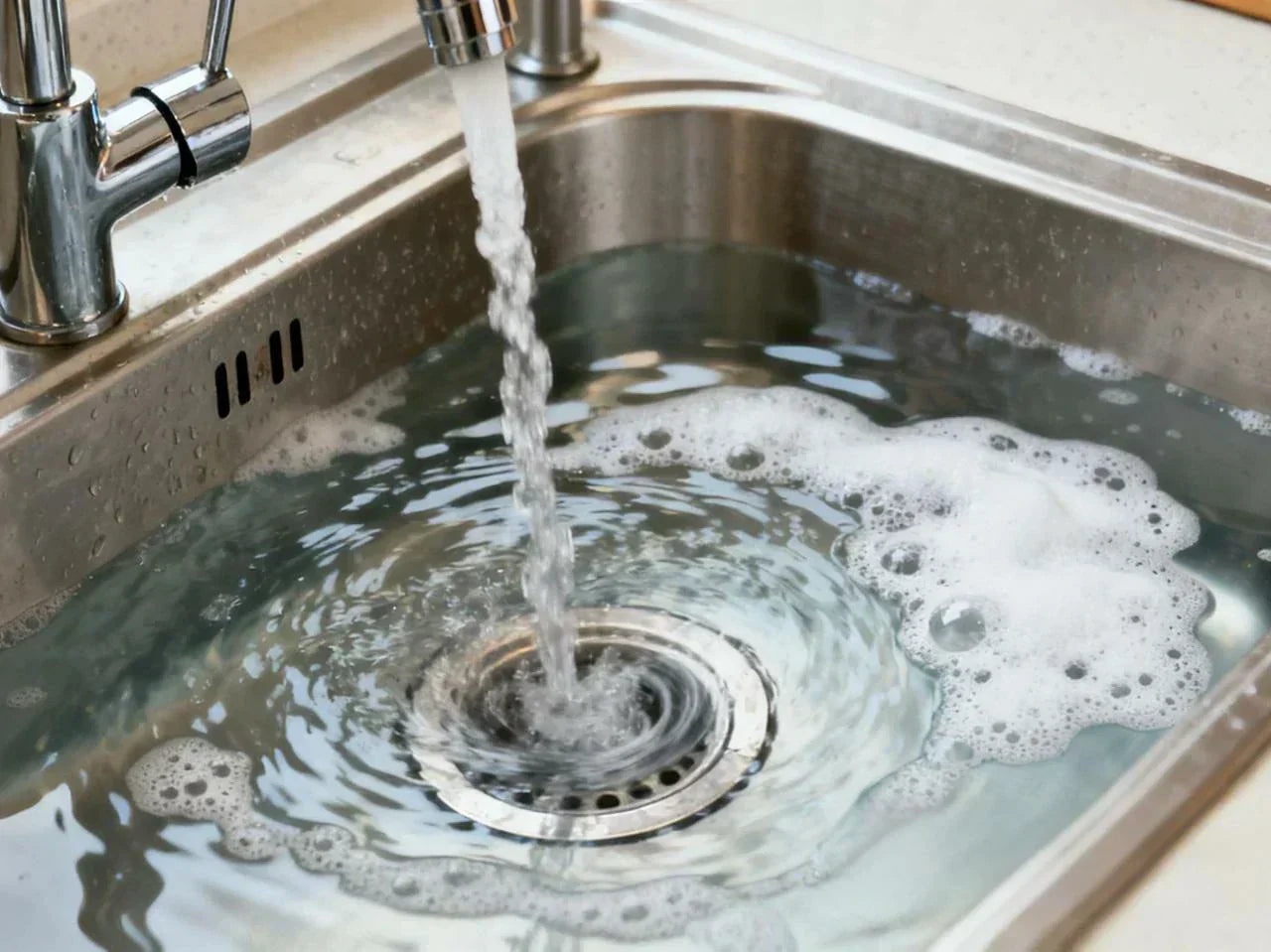
- Water pools in the sink and takes a long time to drain.
- You notice a bad smell from the drain.
- Gurgling sounds come from the drain or pipes.
- Water backs up into the sink when using other plumbing, like the dishwasher.
Knowing the cause helps you choose the best fix. For example, a grease clog may need a different approach than a blockage caused by minerals.
Safety First: Preparing To Work On Your Sink
Fixing a slow drain is usually safe, but it’s smart to take a few precautions.
- Turn off the garbage disposal: If you have one, make sure it’s off and unplugged before working.
- Protect your hands: Wear rubber gloves. Drains can hold bacteria, sharp food scraps, or broken glass.
- Ventilate the area: Some cleaning solutions release strong fumes. Open a window or turn on a fan.
- Keep children and pets away: Tools, chemicals, and dirty water can be dangerous.
Having the right tools and safety gear makes the job faster and safer.
Credit: www.homedepot.com
Quick Fixes For A Slow Kitchen Sink Drain
Sometimes, a slow drain needs only a simple fix. Try these methods first—they’re easy, cheap, and often work for minor clogs.
1. Boiling Water Method
Pouring boiling water down the drain is the easiest fix. It can melt grease and loosen small blockages.
Steps:
- Boil a kettle or large pot of water.
- Slowly pour the boiling water directly into the drain.
- Wait a few minutes. Test the flow with cold water.
Tip: Don’t use this method if your pipes are PVC plastic. Extreme heat can damage them. For metal pipes, it’s safe.
2. Baking Soda And Vinegar
This classic home remedy uses a natural chemical reaction to break up clogs.
Steps:
- Pour about half a cup of baking soda into the drain.
- Add one cup of white vinegar. You’ll hear fizzing.
- Cover the drain with a plug or wet cloth to keep the reaction inside the pipes.
- Wait 15–20 minutes.
- Flush with hot (not boiling) water.
Why It Works: The fizz loosens grease, food, and soap scum. It’s gentle on pipes and safe for most kitchens.
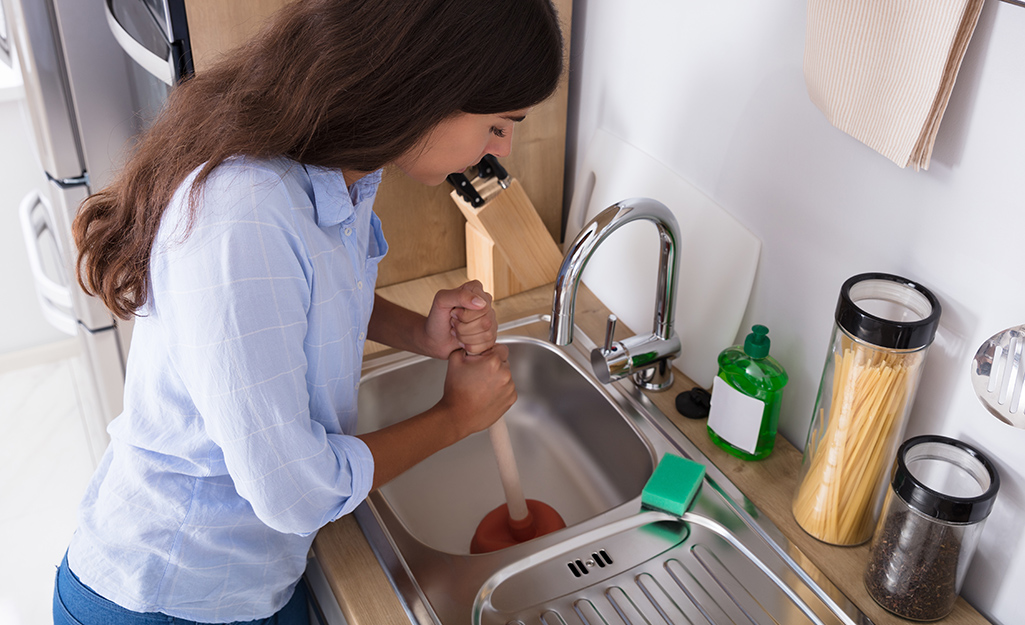
3. Use A Plunger
A plunger is not just for toilets. It can create suction to dislodge soft clogs in your kitchen sink.
Steps:
- Remove the sink strainer.
- Fill the sink with enough water to cover the plunger’s rubber cup.
- Place the plunger over the drain and push down firmly, then pull up quickly. Repeat 10–15 times.
- Check if water drains faster.
Pro Tip: If you have a double sink, seal the other drain with a wet cloth to get maximum suction.
4. Remove And Clean The Sink Stopper
Sometimes, the stopper itself traps hair, food, and grease.
Steps:
- Twist or pull out the stopper, depending on your sink design.
- Clean off any debris.
- Rinse and replace.
This simple step can make a big difference, especially if you see a buildup on the stopper.
Deep Cleaning Methods For Persistent Clogs
If the quick fixes don’t work, don’t worry. There are deeper cleaning methods that target tough or hidden blockages.
1. Clean The P-trap
The P-trap is the U-shaped pipe under your sink. It collects debris and stops sewer gases from coming back up.
Steps:
- Place a bucket under the P-trap to catch water and debris.
- Use pliers to loosen the slip nuts on both ends of the trap.
- Remove the trap and empty the contents into the bucket.
- Clean the trap with a brush or old toothbrush.
- Reattach the trap and check for leaks.
Common Mistake: Forgetting to use a bucket can create a big mess. Always protect the area first.
2. Use A Drain Snake (plumber’s Auger)
A drain snake is a flexible tool that goes deep into the pipe to remove stubborn clogs.
Steps:
- Insert the snake into the drain and push gently.
- When you feel resistance, turn the handle to break up or grab the clog.
- Pull out the snake and clean off debris.
- Run hot water to clear any leftovers.
When to Use: This works best for clogs that are deeper in the pipe, beyond the P-trap.
3. Wet/dry Vacuum Method
If you have a wet/dry vacuum, it can suck out tough blockages.
Steps:
- Set the vacuum to liquid mode.
- Seal the drain opening with a wet cloth to create suction.
- Turn on the vacuum for 1–2 minutes.
- Check if the drain is clear.
Warning: Never use a regular household vacuum for this job. Only use a wet/dry (shop) vacuum rated for liquids.
4. Enzyme Cleaners
Enzyme-based drain cleaners use natural bacteria to eat away at organic clogs like food and grease.
- Pour the cleaner into the drain as directed on the package.
- Leave it overnight for best results.
- Flush with warm water in the morning.
Enzyme cleaners are eco-friendly and safe for most plumbing but may take longer to work than chemical products.
Chemical Drain Cleaners: Use With Caution
Chemical drain cleaners are widely available, but they should be a last resort. They use strong chemicals to dissolve blockages, but they can also damage pipes, harm the environment, and create dangerous fumes.
When To Consider Chemical Cleaners
- If all mechanical and natural methods fail.
- For clogs caused by organic matter (not for mineral or plastic blockages).
- When you need a quick, emergency solution.
How To Use Chemical Cleaners Safely
- Read and follow the instructions on the label.
- Use gloves and eye protection.
- Ventilate the area.
- Never mix different cleaners (dangerous gases can form).
- Rinse the drain with plenty of water after use.
Expert Insight: Frequent use of chemical cleaners can weaken pipes over time, especially old or plastic plumbing. Try to rely on safer methods whenever possible.
When To Call A Professional Plumber
Most slow drains can be fixed at home, but sometimes you need expert help. Call a plumber if:
- The clog keeps coming back, even after cleaning.
- There’s water leaking under the sink.
- You notice bad smells or gurgling in several drains at once (could mean a main line problem).
- You find mold or water damage under the sink.
- DIY methods have not worked after several tries.
Hidden Insight: Some clogs are deep in the house’s main pipes. Fixing these requires special tools and experience. Trying to fix them yourself can make things worse.
Preventing Future Slow Drains
Fixing a slow kitchen sink drain is good—but preventing the problem is better. Simple habits and regular care can keep your sink draining fast and smooth.
1. Watch What Goes Down The Drain
- Scrape plates and pans into the trash or compost before rinsing.
- Don’t pour oil, grease, or fat down the sink. Instead, collect it in a container and throw it away.
- Use a mesh strainer to catch food scraps and empty it daily.
2. Regular Flushing
- Once a week, pour hot (not boiling) water down the drain to melt grease and soap buildup.
- Every month, use the baking soda and vinegar method to keep pipes fresh.
3. Avoid Chemical Cleaners For Maintenance
Chemical products are not meant for regular cleaning. Stick to natural or enzyme-based cleaners.
4. Clean The P-trap Seasonally
Every three to six months, clean the P-trap as described above. This keeps debris from building up.
5. Install A Garbage Disposal Carefully
If you install or use a garbage disposal, run cold water while grinding food, and avoid fibrous foods (like celery), coffee grounds, and eggshells. These can tangle or block the disposal.
6. Check For Leaks And Corrosion
Look under your sink for signs of water damage or rust. Fixing small leaks early prevents bigger problems later.
7. Educate Family Members
Explain to everyone in your home which items should never go down the sink. Children, especially, may not know the rules.
Kitchen Drain Cleaning Tools: What You Need
Having the right tools can make fixing a slow drain much easier. Here’s a comparison of common kitchen drain cleaning tools:
| Tool | Best For | Ease of Use | Cost |
|---|---|---|---|
| Plunger | Surface clogs, soft blockages | Very easy | Low |
| Drain Snake | Stubborn, deep clogs | Moderate | Medium |
| Wet/Dry Vacuum | Loose, hard-to-reach debris | Easy | Medium |
| Pliers/Wrench | Removing P-trap | Easy | Low |
| Enzyme Cleaner | Organic buildup, maintenance | Very easy | Medium |
Tip: Investing in a good drain snake can save you many plumber visits over the years.
Comparing Diy Fixes Vs. Professional Help
It helps to know when a DIY fix is enough and when to call for professional help. Here’s how the options compare:
| Method | Cost | Skill Needed | Risk Level | Success Rate |
|---|---|---|---|---|
| DIY (Boiling water, plunger) | Very low | Beginner | Very low | High (for small clogs) |
| DIY (Drain snake, P-trap cleaning) | Low | Intermediate | Low | Medium-High |
| Chemical cleaner | Low | Beginner | Moderate | Medium |
| Professional plumber | High | None | Very low | Very high (for all clogs) |
Non-obvious insight: Even if you solve the clog yourself, a plumber can check for deeper problems like cracked pipes or poor installation, which are easy to miss.
The Role Of Water Quality In Drain Problems
Hard water is a hidden cause of many slow drains. It contains minerals like calcium and magnesium that stick to pipe walls.
- Signs of hard water: White, chalky deposits on faucets, cloudy drinking glasses, slow drains even when you’re careful.
- Fix: Install a water softener if hard water is a common problem in your area. This reduces mineral buildup and protects your pipes.
If you want to learn more about hard water and its effects, see this Wikipedia article.

Credit: www.youtube.com
How Clogs Develop Over Time
Clogs rarely happen overnight. Here’s how a slow drain problem builds up:
| Week | What Happens |
|---|---|
| 1–2 | Small bits of food, grease, or soap start to coat the pipes. Water drains only a bit slower. |
| 3–4 | More debris sticks to the buildup. You notice water pooling after washing dishes. |
| 5–6 | The buildup gets thicker. Strange smells or gurgling noises begin. Plunging may work for now. |
| 7+ | The clog is solid. Water backs up, and simple fixes don’t work. Deep cleaning or a plumber is needed. |
Smart move: By acting quickly at stage one or two, you can avoid most serious blockages.
Frequently Asked Questions
Why Does My Kitchen Sink Drain Slowly Even After Using A Plunger?
A plunger works best for soft, surface-level clogs. If the blockage is deep in the pipe or made of grease or minerals, plunging may not be enough. Try cleaning the P-trap or using a drain snake to reach deeper clogs.
Is It Safe To Use Chemical Drain Cleaners Regularly?
No, frequent use can damage your pipes and harm the environment. Chemical cleaners are best saved for emergencies. For regular maintenance, use natural solutions like baking soda and vinegar or enzyme cleaners.
What Should I Never Put Down My Kitchen Sink?
Never pour grease, oils, fats, coffee grounds, eggshells, or fibrous foods like celery down the drain. Also, avoid putting non-food items, such as plastic, paper towels, or small utensils, in the sink.
How Often Should I Clean My Kitchen Sink Drain?
For best results, flush the drain with hot water weekly, use a baking soda and vinegar solution monthly, and clean the P-trap every 3–6 months. Adjust more often if you notice slow draining or bad odors.
When Is It Time To Replace My Kitchen Plumbing?
Consider replacing pipes if you see signs of corrosion, frequent leaks, or recurring clogs that don’t respond to cleaning. Older metal pipes are more likely to need replacement, especially if your water is hard or acidic.
A slow kitchen sink drain is more than a small annoyance—it’s a warning sign. By understanding the causes, using the right tools, and following the clear, step-by-step methods above, you can fix most slow drains yourself and keep your kitchen running smoothly.
Remember, prevention is just as important as the fix. A few simple habits and regular care will save you time, money, and stress in the long run. If you ever feel stuck or notice bigger problems, don’t hesitate to ask a professional for help.
With this complete guide, you’re ready to tackle any slow kitchen sink drain with confidence.
Credit: horow.com