
Fixing warped cabinet doors can seem like a big problem, but you don’t always need to replace the whole door or call a carpenter. Many homeowners face this issue, especially in kitchens and bathrooms where moisture and temperature changes are common.
A warped cabinet door can make the whole cabinet look old and can stop the door from closing properly. Luckily, with the right approach, you can often fix a warped cabinet door yourself and save money.
This guide will show you how to spot warped doors, understand why they warp, and walk you through step-by-step fixes for different types of warping. Whether your cabinet door is solid wood, plywood, or MDF, you’ll find practical solutions here.
We’ll also cover when to repair, when to replace, and how to keep your cabinet doors straight in the future. By the end, you’ll know exactly what to do next time you see a bent or twisted door.
Why Cabinet Doors Warp
Before jumping into the repair methods, it helps to know why cabinet doors warp. Warping happens when one part of the door changes shape differently than another. This usually comes from changes in moisture, heat, or improper installation.
Main causes of warping:
- Humidity changes – Wood swells with moisture and shrinks as it dries. Uneven humidity can bend doors.
- Direct water exposure – Leaks or spills that are not cleaned up quickly can soak into the wood.
- Poor sealing – If the finish on the door is damaged or missing, moisture gets in more easily.
- Heat from appliances – Cabinet doors near ovens, dishwashers, or kettles face extra heat and steam.
- Thin or low-quality materials – MDF and plywood are more stable than solid wood, but thin panels or bad manufacturing can still warp.
- Uneven mounting – Tight or crooked hinges force the door to twist.
Non-obvious insight: Sometimes, warping starts from inside the cabinet. For example, a leaking pipe under the sink can add moisture to the door from behind, which is easy to miss.
How To Identify A Warped Cabinet Door
Not all cabinet door problems are due to warping. Before you try to fix it, check carefully.
Signs your cabinet door is warped:
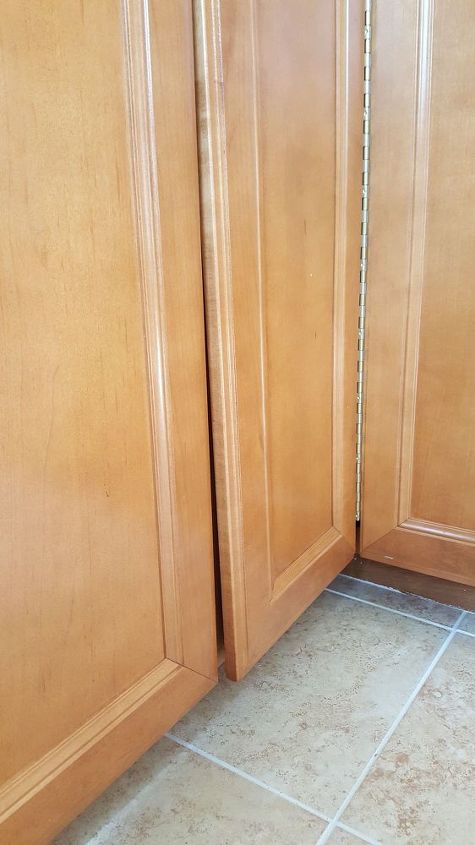
- The door will not close fully or sticks out at the bottom or top.
- There is a visible bend, bow, or twist when you look along the edge.
- The gap between the door and cabinet frame is uneven.
- The door rubs against the cabinet or adjacent doors.
Test for warping:
- Remove the door from the cabinet.
- Place it on a flat surface, like a table or floor.
- Look for gaps between the door and the surface.
- Use a straightedge or level to check for unevenness.
If the door rocks or you can see light under parts of it, you have a warp.
Non-obvious tip: Sometimes, what looks like warping is just loose or misaligned hinges. Always check and tighten hinges before assuming the door is warped.
Types Of Warping And How They Affect Repair
Not all warps are the same. Understanding the type helps you choose the best fix.
| Type of Warp | How It Looks | Common Cause | Repair Difficulty |
|---|---|---|---|
| Bowing | Curves in the middle, ends lift up or down | Humidity, weak material | Medium |
| Cupping | Edges curl up or down, like a shallow “U” | Direct water, poor finish | Easy to Medium |
| Twisting | One corner higher than the rest, spiral shape | Poor installation, uneven drying | Hard |
Some warps are easy to fix at home, but severe twists may need professional help or a new door.
Step-by-step Methods To Fix Warped Cabinet Doors
You have several options to repair a warped cabinet door. The right method depends on the severity and type of warp, your tools, and the door material.
1. Tighten And Adjust Hinges
Sometimes, the problem is not the door but the hinges. Before anything else:
- Remove the door.
- Clean the hinges and check for rust or bent metal.
- Tighten all screws.
- Reattach and check if the door is still warped.
Why this matters: Hinges that move or are not tight can make a straight door look warped. This fix is fast and often solves the problem.
2. Moisture And Weight Method
This is the most common DIY method. It works best for solid wood or plywood doors with a slight bow or cup.
Steps:
- Remove the door and all hardware.
- Dampen the concave side (the inside of the warp) with a slightly wet towel. Don’t soak—just make it slightly moist.
- Place the door flat on the floor, with the damp side down.
- Add weight (books, bricks, or a heavy object) evenly across the door.
- Let it sit for 24-48 hours. Check every 12 hours.
- Remove the weight and let the door dry completely before reinstalling.
Tips for success:
- Protect the door with a clean towel between the weight and wood.
- Don’t oversaturate; too much water can cause more warping.
- This method may not work well for MDF.
Non-obvious insight: Some people try to speed up drying with a hair dryer or heater. This can make warping worse. Always dry slowly at room temperature.
3. Clamp And Straighten
For more severe warps, use clamps and a flat surface.
Steps:
- Place the door on a flat workbench.
- Lay a straight board (like a 2×4) across the warped area.
- Clamp both ends of the board tightly to the door.
- Leave it clamped for 24-72 hours.
- Release and check the straightness.
If needed, repeat or combine with the moisture method for better results.
When to use: Works best for doors up to 1 inch thick, and for bowing or cupping warps.
4. Apply Steam For Deep Warps
For solid wood doors with deep warps, controlled steam can help reset the wood fibers.
Steps:
- Boil water in a kettle.
- Hold the warped area above the steam for 5-10 minutes.
- Quickly clamp the door flat as above.
- Let cool and dry for 24 hours before unclamping.
Warning: Too much steam can damage finishes or veneers. Test on a small area first.
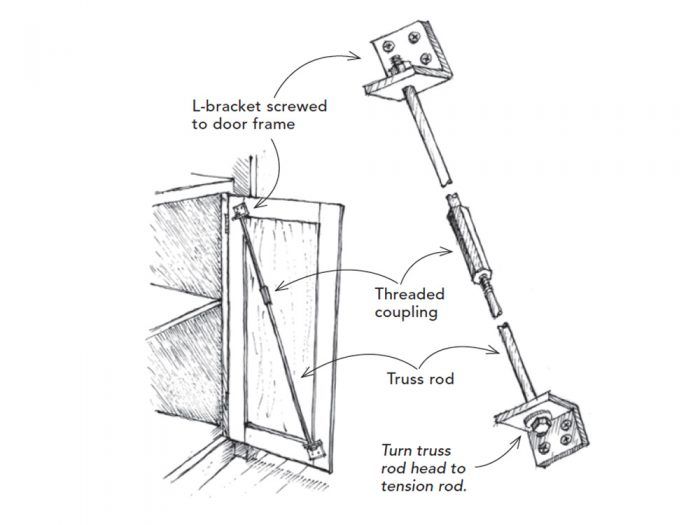
5. Add A Stiffener Strip
If the warp keeps returning, or the door is thin, add a stiffener to the back.
How To Do It:
- Cut a straight piece of wood (like a 1×2) the length of the door.
- Glue and screw it to the inside/back of the door, across the warp.
- Fill and sand screw holes, then paint or finish to match.
This method is effective for persistent warps but does change the look inside the cabinet.
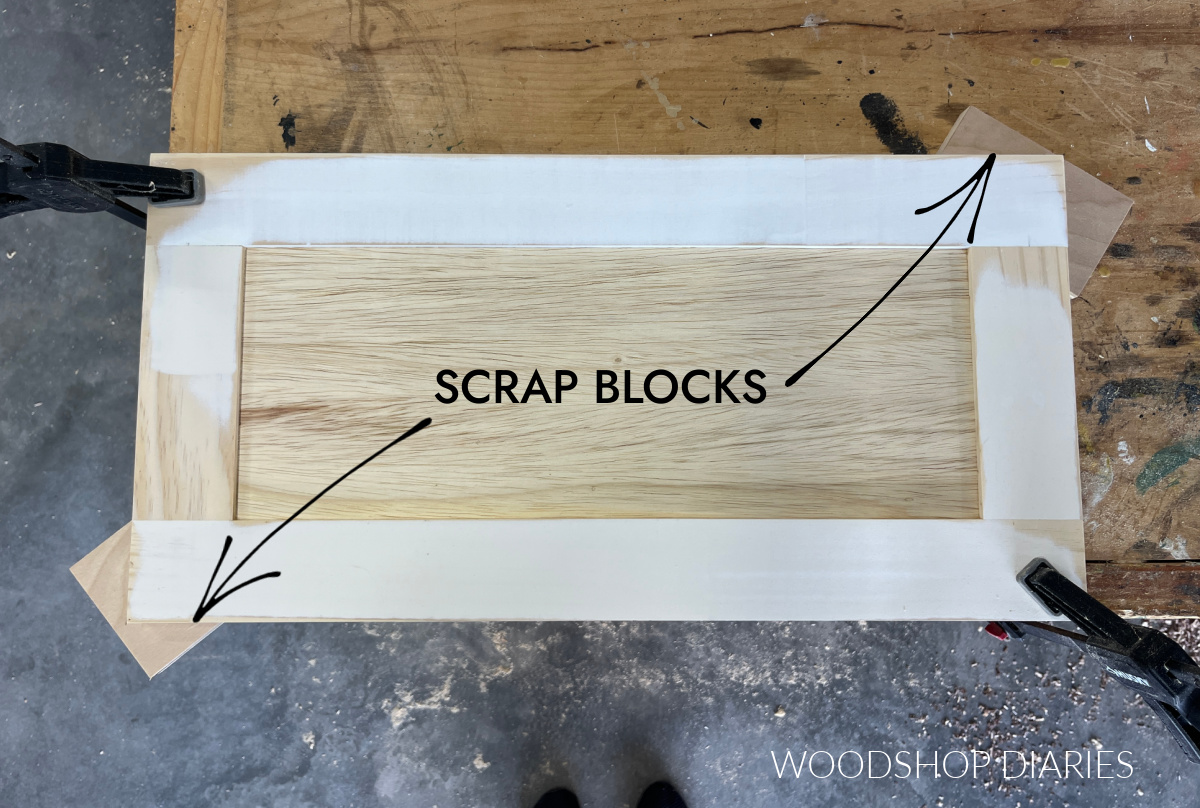
6. Replace The Panel (for Framed Doors)
If the center panel in a frame-and-panel door is warped, you can sometimes replace just the panel.
- Remove the frame carefully.
- Cut a new panel from plywood or MDF.
- Glue and reassemble.
Note: This is more advanced and may need woodworking skills.
7. Use Heat (for Veneered Or Mdf Doors)
Sometimes, applying gentle heat with an iron can soften the glue and allow the door to settle.
- Place a damp towel over the warped area.
- Use a warm iron (no steam) for a few seconds at a time.
- Press flat and let cool with a weight.
This works for minor warps in veneered doors.
8. Sanding And Refinishing
If the warp is minor and only at the edge, sanding can help.
- Sand the high side to match the low side.
- Refinish the area for protection.
Caution: Only use for small warps, as too much sanding weakens the door.
9. Replace The Door
If all else fails, or the warp is severe, replacing is the safest long-term choice.
- Measure carefully for a match.
- Buy a new door of the same size and material.
- Finish or paint to match your cabinets.
Common mistake: People sometimes try to fix a badly cracked or split door. This usually fails and wastes time.
Choosing The Right Method Based On Door Material
Not all cabinet doors are the same. Here’s a quick comparison:
| Door Material | Best Fix Methods | What to Avoid |
|---|---|---|
| Solid Wood | Moisture & Weight, Clamping, Steam | Excessive heat, Over-sanding |
| Plywood | Moisture & Weight, Stiffener Strip | Soaking in water, Steam |
| MDF | Clamping, Stiffener Strip | Water, High heat, Steam |
| Veneered | Iron & Damp Towel, Clamping | Soaking, Steam, Overheating |
Pro tip: Always test any method on a small hidden area before applying it to the whole door.
Preventing Cabinet Doors From Warping Again
Fixing a warped door is only part of the solution. To keep your cabinet doors straight for years, take these steps:
- Control moisture – Use a dehumidifier if your kitchen or bathroom is damp.
- Fix leaks fast – Check for leaks under sinks and around appliances.
- Seal wood properly – Paint or varnish all sides and edges of doors, including the back and top/bottom edges.
- Don’t overload cabinets – Too much weight pulls doors out of shape.
- Install soft-close hinges – These reduce slamming and stress on the door.
- Avoid hanging wet towels – Hanging wet cloths over doors adds moisture.
- Let new wood acclimate – If replacing doors, let them sit in your home for a few days before installing.
Advanced tip: For new installations, ask for plywood or MDF core doors with a good veneer. These resist warping better than solid wood, especially in humid areas.
Credit: www.hometalk.com
Common Mistakes To Avoid
Many DIYers try to fix warps but make things worse. Avoid these pitfalls:
- Using too much water – Over-wetting can cause new warps or swelling.
- Drying too fast – Heaters and hair dryers can split wood or loosen glue.
- Ignoring the cause – If you don’t fix leaks or humidity, the warp will return.
- Forgetting to refinish – Any sanding or repair should be resealed to block moisture.
Non-obvious insight: Sometimes, a cabinet’s frame is out of square, which pushes the door out of shape. Always check the cabinet box with a level before blaming the door.
When To Call A Professional
Some situations need expert help:
- The door is severely twisted (more than ½ inch out of flat).
- The wood is cracked, split, or rotten.
- You have custom, antique, or expensive doors you don’t want to risk.
- The cabinet frame is damaged, not just the door.
A carpenter or cabinetmaker can often repair or replace doors quickly and with a perfect match.
Credit: www.finehomebuilding.com
Tools And Supplies You’ll Need
Most repairs need only basic tools:
- Screwdriver (for removing doors)
- Clamps (C-clamps or bar clamps)
- Clean towels or rags
- Straightedge or level
- Heavy objects (books, bricks)
- Wood glue and screws (for stiffeners)
- Sandpaper (various grits)
- Iron (for veneered doors)
- Wood finish or sealant
Optional: Dehumidifier, Moisture Meter, Small Saw (for Panel Replacements)
Practical tip: If you plan to do several doors, buy or borrow extra clamps. The more clamps, the better the results.
How Long Does It Take To Fix A Warped Cabinet Door?
The time depends on the method and severity:
- Hinge adjustment: 10–15 minutes
- Moisture & Weight: 24–48 hours
- Clamping: 1–3 days
- Steam method: 1–2 hours plus drying time
- Panel replacement: 2–3 hours (plus finishing)
Remember, patience is key. Rushing can cause more problems.
Cost Comparison: Repair Vs. Replace
Here’s a quick look at what you might spend:
| Method | Typical Cost | DIY or Pro? |
|---|---|---|
| Hinge Adjustment | $0 (just time) | DIY |
| Moisture & Weight | $0–$10 (if you need towels or weight) | DIY |
| Clamping & Stiffener | $10–$30 (for clamps, wood strip) | DIY |
| Panel Replacement | $30–$80 (tools, wood, finish) | DIY/Pro |
| Full Door Replacement | $50–$200 (per door) | Pro recommended |
If your door is unique or high-end, a professional repair is often cheaper than trying to match a new door yourself.
Where To Find Replacement Cabinet Doors
If you need to replace a door, you have options:
- Home improvement stores – Standard sizes are usually in stock.
- Online retailers – Custom sizes and materials can be ordered.
- Local cabinet shops – Can match style, size, and finish.
- Salvage yards – For older or vintage cabinets.
Pro tip: Always take the old door with you when shopping, to match size and hinge placement exactly.
Credit: www.woodshopdiaries.com
Caring For Your Repaired Cabinet Door
Once your door is straight again, keep it looking good:
- Clean with a damp (not wet) cloth.
- Avoid harsh chemicals that strip finishes.
- Check hinges every few months.
- Reseal scratches or chips immediately.
Well-cared-for cabinet doors can last decades, even in busy kitchens and bathrooms.
Frequently Asked Questions
Why Do My Kitchen Cabinet Doors Warp So Often?
Kitchen cabinets face a lot of moisture and temperature changes from cooking, steam, and cleaning. If your home has high humidity or poor ventilation, wood doors are especially at risk. Sealing all edges, fixing leaks quickly, and using a dehumidifier can help reduce warping.
Can I Fix A Warped Mdf Cabinet Door?
MDF is harder to repair than solid wood because it absorbs moisture quickly and can swell permanently. For small warps, clamping and stiffeners may help. Avoid using water or steam. If the warp is severe, replacement is usually best.
How Can I Tell If The Warp Is In The Door Or The Cabinet Frame?
Remove the door and place it on a flat surface. If it rocks or has gaps, the door is warped. If it’s flat, the problem is with the cabinet frame or hinge mounting. Check both before making repairs.
Should I Paint Or Seal The Inside Edges Of My Cabinet Doors?
Yes. The inside, top, and bottom edges are often left unfinished but are the most exposed to moisture. Sealing every side helps prevent future warps, especially in kitchens and bathrooms.
Is It Worth Hiring A Professional For Warped Doors?
If the doors are expensive, custom, or have severe warping, a professional can often save the door or match a replacement perfectly. For minor warps, most repairs can be done at home with patience and the right tools.
For more information on cabinet door construction and repair, you can check resources such as Wikipedia Cabinetry.
Fixing warped cabinet doors is a satisfying DIY project that can bring your kitchen or bathroom back to life. With these steps, you can confidently handle most door warps and prevent them in the future. Remember, the key is patience and understanding the cause—when you fix both the symptom and the source, your cabinets will look great for years.