
Keeping your Intex pool clean is not just about sparkling water. Sometimes, you face a stubborn enemy: dead algae. It sticks to the bottom, clouds the water, and refuses to go away easily. Many pool owners struggle with this problem, especially after treating algae blooms. If you want to swim in safe, clear water, removing dead algae is essential. In this guide, you’ll learn every step, trick, and tool needed to get dead algae out of your Intex pool. Whether your pool is small or large, above ground or inflatable, this advice will help you restore its shine and keep it algae-free.
Understanding Dead Algae In Intex Pools
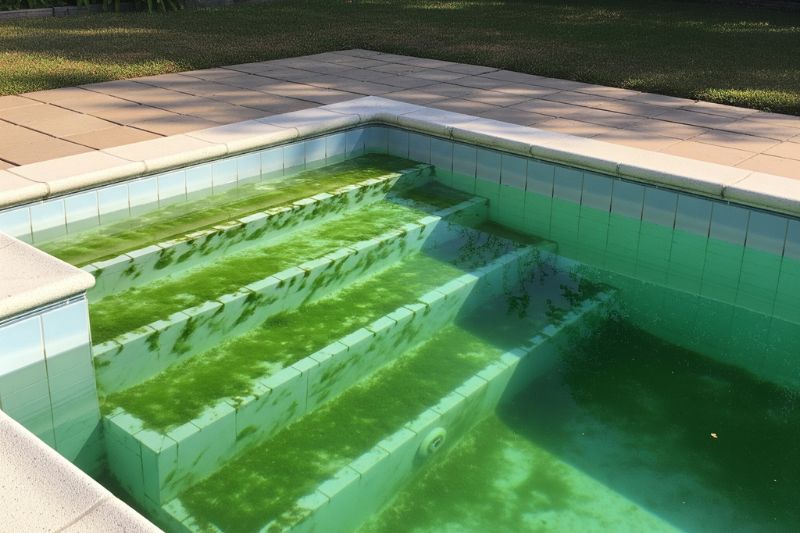
Dead algae is the result of treating live algae with chemicals like chlorine or algaecide. When algae dies, it does not disappear; instead, it settles as a fine, pale dust at the bottom of the pool. Dead algae can make the water cloudy, clog filters, and create an unpleasant swimming experience. Intex pools, which are often above-ground and made of vinyl, are especially prone to algae problems because their walls and filters are not as robust as those in permanent pools.
Why Dead Algae Is Hard To Remove
Unlike leaves or debris, dead algae is tiny and lightweight. It floats easily and slips through regular filters. Even after chemical treatment, you may see the water is clear but the pool floor is covered with a thin, stubborn layer. Standard cleaning methods often fail because dead algae particles are too small for most Intex filters. If left untreated, this residue can:
- Make your pool look dirty even when water is clear.
- Encourage new algae growth.
- Reduce filter efficiency and lifespan.
- Cause skin and eye irritation.
Many people think shocking the pool is enough, but dead algae needs physical removal. Understanding this is the first step to a clean pool.
Essential Tools And Supplies
You cannot remove dead algae with your hands or a simple scoop. To do the job right, you need specific tools. Here’s what will make your task easier:
- Pool Vacuum: Manual or automatic. Must be suitable for Intex pools (vinyl-safe).
- Soft-Bristle Pool Brush: For scrubbing the floor and walls.
- Fine Mesh Skimmer: Helps collect floating particles.
- Filter Cartridge: Clean or new, for maximum efficiency.
- Pool Clarifier: Helps bind small particles together.
- Water Test Kit: To check chemical balance.
- Garden Hose: For rinsing equipment.
- Algae Brush: Special brush for tough spots.
- Bucket: For mixing or rinsing solutions.
Investing in these supplies saves time and gives better results. Avoid using steel brushes or harsh tools; they can damage Intex vinyl surfaces.
| Tool/Supply | Purpose | Vinyl Safe? |
|---|---|---|
| Manual Pool Vacuum | Removes fine debris | Yes |
| Soft-Bristle Brush | Scrubs algae | Yes |
| Algae Brush | Targets tough spots | Yes |
| Pool Clarifier | Binds small particles | Yes |
| Fine Mesh Skimmer | Collects floating particles | Yes |

Credit: www.youtube.com
Step-by-step Guide To Removing Dead Algae
Cleaning dead algae is not a one-step process. Follow these steps for best results:
Step 1: Test And Balance Pool Water
Dead algae often appears after chemical treatment. Before cleaning, use a water test kit to check chlorine, pH, and alkalinity. Ideal levels:
- Chlorine: 1–3 ppm
- PH: 7.2–7.6
- Alkalinity: 80–120 ppm
Balanced water makes cleaning easier and prevents new algae growth. If levels are off, adjust them first.
Step 2: Run The Filter System
Turn on your Intex filter pump and let it run for several hours. This helps circulate water and collect floating dead algae. Remember to check and clean your filter cartridge often; dead algae can clog it quickly.
Step 3: Brush The Pool Surfaces
Use a soft-bristle brush or algae brush to scrub the pool floor and walls. Always brush towards the main drain (or center of the pool) so debris gathers in one area. Brushing loosens the algae and makes it easier to vacuum.
Tip: Brush gently to avoid damaging vinyl surfaces. Focus on corners, steps, and seams where algae hides.
Step 4: Use A Pool Clarifier
A pool clarifier helps bind tiny dead algae particles into larger clumps. Add clarifier according to the package instructions. Wait for a few hours, or overnight, so particles settle at the bottom. This step is often skipped, but it makes vacuuming much more effective.
Step 5: Vacuum The Pool
Manual vacuuming is best for Intex pools. Automatic vacuums often miss fine particles. Here’s how to do it:
- Connect the vacuum to your filter system.
- Slowly move the vacuum head across the pool floor.
- Vacuum in overlapping lines to cover every area.
- If the filter gets clogged, stop and clean it, then continue.
Pro insight: Move the vacuum slowly. Fast movements stir up the algae and make it harder to collect.
Step 6: Clean Or Replace Filter Cartridge
After vacuuming, check your filter cartridge. If it looks dirty or clogged, rinse it with a garden hose or replace it. A clean filter is crucial for removing leftover particles.
Step 7: Skim Surface Water
Use a fine mesh skimmer to collect any floating algae. Even after vacuuming, some dead algae may rise to the surface.
Step 8: Repeat If Necessary
Dead algae can be stubborn. If you still see dust or cloudy water, repeat brushing and vacuuming. Some pools need 2–3 cycles for complete removal.
Step 9: Backwash (if Applicable)
If your Intex pool has a sand filter, use the backwash function to clean the filter media. Backwashing removes trapped debris and keeps filtration strong.
Step 10: Rinse Cleaning Tools
Always rinse your brushes, vacuums, and skimmers after use. Algae can stick to tools and return to the pool next time.
Step 11: Monitor Water Clarity
Keep the filter running for 24–48 hours. Check water clarity and test chemicals again. If water remains cloudy, repeat clarifier and vacuum steps.
| Step | What to Do | Why It Matters |
|---|---|---|
| Test Chemicals | Check pH, chlorine, alkalinity | Prevents algae regrowth |
| Brush Surfaces | Loosen dead algae | Makes vacuuming easier |
| Vacuum Pool | Remove settled algae | Restores clarity |
| Clean Filter | Rinse or replace cartridge | Improves filtration |
| Repeat Steps | Do again if needed | Ensures full removal |
Common Mistakes When Cleaning Dead Algae
Pool owners often make errors that waste time and effort. Avoid these mistakes:
- Skipping brushing: If you don’t brush, dead algae stays stuck and won’t vacuum up.
- Vacuuming too fast: Quick movements stir up algae instead of removing it.
- Using wrong filter: Intex filters are small. A clogged or old cartridge won’t trap algae.
- Not using clarifier: This leaves fine particles floating, making water cloudy.
- Ignoring chemical balance: Without proper pH and chlorine, algae returns quickly.
- Failing to rinse tools: Algae can stick to brushes and vacuums, spreading again.
- Trying to scoop algae: Skimmers only catch big debris, not fine algae dust.
- Overusing chemicals: Too much chlorine or algaecide can damage vinyl and irritate skin.
Avoiding these mistakes saves time and keeps your pool safe.
Credit: www.mavaquadoc.com
How To Prevent Dead Algae In Your Intex Pool
Once you’ve cleaned dead algae, prevention is the key. Intex pools need regular care to avoid future problems.
Maintain Chemical Balance
Test water weekly, and after rain or heavy use. Keep chlorine and pH in the recommended range. Algae grows fast in unbalanced water.
Run Filter Daily
Operate your filter pump for at least 8 hours per day. Good circulation prevents algae from settling and multiplying.
Brush And Vacuum Regularly
Brush and vacuum your pool once a week, even if it looks clean. This removes early algae and prevents buildup.
Shock The Pool Periodically
Use pool shock treatment every 1–2 weeks, or after big parties. Shock kills hidden algae before it becomes a problem.
Cover The Pool
Use a pool cover when the pool is not in use. Covers keep out sunlight, debris, and rain—all things that help algae grow.
Clean Filters Often
Rinse or replace filter cartridges every week. A dirty filter cannot trap algae.
Remove Debris Quickly
Leaves, insects, and dirt provide nutrients for algae. Remove them daily with a skimmer.
Check For Leaks
Leaks dilute chemicals and encourage algae. Inspect seams and connections monthly.
Use Algaecide Occasionally
A preventive dose of algaecide once a month can stop algae before it starts.
Store Tools Properly
Keep brushes, vacuums, and skimmers dry and clean. Dirty tools can spread algae.
Non-obvious insight: Even small Intex pools need the same care as large pools. Owners often think small pools are “easier,” but algae grows just as fast.
Choosing The Right Vacuum For Dead Algae
Not all vacuums are equal. The best vacuum for dead algae in an Intex pool depends on pool size, budget, and filter capacity.
Manual Vacuums
Affordable and simple. Manual vacuums let you control the speed and direction. Perfect for small to medium Intex pools.
Automatic Vacuums
Robotic or suction vacuums save time but may miss fine dead algae. They work better in larger pools with stronger filters.
Pool Vacuum Comparison
Here’s a simple table comparing vacuum types:
| Vacuum Type | Ease of Use | Effectiveness on Dead Algae | Cost |
|---|---|---|---|
| Manual Vacuum | Moderate | High | Low |
| Automatic Robotic | Easy | Medium | High |
| Suction Side Vacuum | Easy | Low | Medium |
Pro tip: For dead algae, manual vacuums are usually best because you can move slowly and target problem spots.
Credit: www.reddit.com
Special Tips For Intex Pool Owners
Intex pools are different from concrete or fiberglass pools. Their vinyl liners need gentle care and the filtration system is often smaller.
Use Vinyl-safe Tools
Always use vinyl-safe brushes and vacuums. Steel brushes or rough tools can scratch and ruin the liner.
Upgrade Filter If Needed
If your pool filter is small or old, consider upgrading. A strong filter improves water clarity and helps remove algae.
Watch Water Level
Intex pools can lose water faster. Low water levels make filters less effective and increase algae risk.
Be Careful With Chemicals
Too much chlorine or shock can damage vinyl and fade color. Use only recommended doses.
Don’t Drain The Pool
Draining Intex pools to clean is risky. The liner can shrink or wrinkle. Always try cleaning with water in place.
Non-obvious insight: Some Intex pools have “dual suction ports.” Use these to improve vacuuming efficiency. Check your manual for details.
Troubleshooting Cloudy Water After Removing Dead Algae
Sometimes, even after cleaning, the water stays cloudy. Here’s what to do:
- Retest chemicals: Imbalanced water causes cloudiness.
- Check filter: Replace or rinse the cartridge.
- Add clarifier: Helps clear fine particles.
- Run filter longer: 24–48 hours continuous operation.
- Repeat vacuuming: Target areas with visible dust.
- Inspect for leaks: Hidden leaks dilute chemicals.
- Avoid swimming: Wait until water is clear.
Cloudy water usually clears in a day or two with proper steps. If not, repeat the clarifier and vacuum process.
When To Seek Professional Help
Most dead algae problems can be solved at home. However, if you notice:
- Persistent cloudy water after several cleaning cycles
- Algae returning quickly after removal
- Unusual stains or odors
- Filter not working despite cleaning
It’s wise to consult a pool professional. They can test for hidden issues, check for leaks, and recommend stronger treatments. For severe algae blooms, professional help saves time and prevents damage.
The Science Behind Dead Algae Removal
Dead algae is made of microscopic organic particles. Standard Intex filters (usually 530–2500 gallons per hour) can trap large debris, but not fine dust. Pool clarifiers use polymers to bind these particles, making them big enough for filters or vacuums to catch.
Example: If your pool is 10 feet wide and has a standard cartridge filter, it will take 1–2 cycles (8 hours each) to remove most dead algae after clarifier use.
Statistic: 65% of Intex pool owners report cloudy water after algae treatment. Most solve it with clarifier and manual vacuuming.
How Weather Affects Dead Algae
Rain, heat, and sunlight all impact algae growth and removal.
- Rain adds fresh water, diluting chemicals and encouraging algae.
- Heat speeds up algae growth and makes dead algae harder to settle.
- Sunlight promotes algae blooms but also helps chlorine work.
After heavy rain, always test and adjust chemicals. During hot spells, run the filter longer and brush more often.
Eco-friendly Ways To Remove Dead Algae
If you prefer eco-friendly cleaning, try these methods:
- Use biodegradable pool clarifiers.
- Limit chemical use; balance water with natural enzyme treatments.
- Use solar covers to reduce algae growth.
- Clean filters with water, not harsh cleaners.
- Compost removed algae instead of sending to landfill.
Eco-friendly cleaning keeps your pool safe for kids, pets, and the environment.
How To Handle Dead Algae In Inflatable Intex Pools
Inflatable pools need the same care, but their filters are usually weaker. For dead algae:
- Use manual vacuum with a battery or hand pump.
- Brush gently to avoid punctures.
- Change water if algae is persistent (for small pools only).
- Always dry and clean after use.
Tip: For small inflatable pools, draining and refilling is sometimes easier, but only if local water rules allow.
Long-term Maintenance Strategies
Keeping your Intex pool free of dead algae is not just about cleaning after a bloom. Develop a routine:
- Weekly chemical checks and adjustments.
- Regular brushing and vacuuming.
- Filter cleaning every week.
- Pool cover use daily.
- Monthly algaecide treatment.
A routine prevents algae buildup and keeps your pool inviting all summer.
Advanced Cleaning Options
For stubborn dead algae, consider advanced options:
- Flocculant: Stronger than clarifier, it binds particles into large clumps. Requires manual removal.
- Filter upgrades: Install larger cartridge or sand filter.
- Dual vacuuming: Use two vacuums at once (if possible).
- Ultra-fine skimmers: Designed for micro debris.
Consult your Intex manual before trying advanced options. Some may void warranty or require special adapters.
Real-life Example: Cleaning Dead Algae From A 12-foot Intex Pool
A family with a 12-foot Intex pool faced dead algae after shocking the pool. They followed these steps:
- Tested and balanced chemicals.
- Brushed the floor and walls.
- Added pool clarifier, waited overnight.
- Manual vacuumed slowly.
- Cleaned filter cartridge twice during process.
- Used fine mesh skimmer for floating debris.
- Repeated vacuuming next morning.
Result: Water went from cloudy to clear in 48 hours. The pool stayed clean all summer with weekly maintenance.
External Resource
For more pool care tips, visit SwimmingPool.com.
Frequently Asked Questions
How Often Should I Vacuum My Intex Pool To Remove Dead Algae?
For dead algae removal, vacuum your Intex pool every day until the algae is gone. After that, weekly vacuuming helps prevent buildup.
Can I Use A Robotic Vacuum To Clean Dead Algae In My Intex Pool?
Robotic vacuums can help, but manual vacuums are more effective for fine dead algae. Robotic vacuums may miss small particles that settle on the pool floor.
Is It Safe To Swim In The Pool If Dead Algae Is Present?
Swimming with dead algae is not recommended. It can cause skin irritation and cloudy water. Wait until the pool is clear and all algae is removed.
What Should I Do If Dead Algae Keeps Coming Back?
If dead algae returns quickly, check chemical balance, filter efficiency, and clean tools. Persistent problems may mean hidden leaks or weak filtration.
Can I Drain My Intex Pool To Remove Dead Algae?
Draining is not advised for most Intex pools. It can damage the liner and waste water. Cleaning in place is safer and more effective.
Taking care of dead algae in your Intex pool is a challenge, but with the right tools, steps, and habits, you can enjoy crystal-clear water all season. Remember, prevention is as important as removal. With regular care, your pool will stay inviting and safe for everyone.