
Cooking fish in a cast iron pan can make your meal taste delicious. But after dinner, you might notice a strong fish smell that does not go away easily. This odor can stick to your pan and even affect the taste of your next dish. Many people struggle with this problem, and some give up using cast iron for fish. You do not have to do that. There are smart ways to get the fish smell out of your cast iron. If you understand how cast iron works and why odors stick, you can clean your pan without ruining its surface.
This guide will show you many tested methods to remove fish smell from cast iron. You will learn why the smell stays, how to use natural cleaners, and which mistakes to avoid. With these steps, you can keep your pan in great condition and enjoy cooking any food, anytime.
Let’s dive into the best ways to make your cast iron fresh and odor-free again.
Why Fish Smell Lingers In Cast Iron
When you cook fish, oils and proteins seep into the porous surface of cast iron. Unlike stainless steel or nonstick pans, cast iron is not smooth. It has tiny holes and cracks where food particles and smells can hide. If you do not clean your pan correctly, these odors build up over time. Old fish oils mix with the pan’s seasoning layer—the thin coat of oil that protects the iron and gives the pan its nonstick quality.
Some types of fish, like salmon or mackerel, have stronger smells than others. These scents are not just on the surface. They go deep into the seasoning and can stay there for days or even weeks. Water and soap alone are usually not enough to remove them.
If you keep using the pan, the smell can come back every time you heat it.
The Importance Of Proper Cleaning
Many people worry that cleaning cast iron will damage the seasoning. While it is true that harsh chemicals or aggressive scrubbing can strip the oil layer, there are ways to clean deeply without harm. If you clean your pan the right way, you can remove fish smell, keep the seasoning, and make your pan last for decades.
A well-seasoned pan does not hold onto smells as much as a poorly maintained one. So, regular care is key. Cleaning your pan properly after each use, especially after cooking fish, helps prevent stubborn odors from building up.
Step-by-step Methods To Remove Fish Smell
Let’s look at several ways to get rid of fish smell from your cast iron. These methods are arranged from the simplest to the most thorough. Start with the gentle options before moving to stronger ones.
1. Hot Water And Scrubbing
Right after cooking, let your pan cool slightly but do not wait too long. While it is still warm:
- Rinse the pan with hot water. Hot water helps melt fish oils and makes them easier to remove.
- Use a stiff brush or a non-metal scrubber. Avoid soap if possible, or use only a tiny bit of mild soap.
- Scrub the surface in circles, making sure to reach all corners.
- Rinse well and dry the pan completely with a towel.
This basic method works well if the smell is not too strong and you clean right away.
2. Kosher Salt Scrub
For stronger odors, kosher salt is a great tool. The large grains act as a gentle abrasive.
- Pour 2-3 tablespoons of kosher salt into the pan.
- Add a few drops of water to make a paste.
- Use a paper towel or cloth to rub the salt around the pan’s surface.
- Focus on areas where fish was cooked.
- Rinse with hot water and dry completely.
Kosher salt lifts away oils and smells without damaging the seasoning.
3. Baking Soda Paste
Baking soda is famous for absorbing odors. It is safe for cast iron if you do not leave it on too long.
- Mix 1 tablespoon of baking soda with a little water to make a thick paste.
- Spread the paste over the pan’s surface.
- Let it sit for 10-15 minutes. Do not let it dry out.
- Scrub with a brush or sponge, then rinse with hot water.
- Dry the pan right away.
If needed, repeat the process for stubborn smells.
4. Heating In The Oven
Heat can burn away leftover oils and smells from the seasoning layer.
- Preheat your oven to 400°F (200°C).
- Place your clean, dry pan upside down on the oven’s middle rack.
- Put a tray or foil on the rack below to catch drips.
- Bake for 1 hour.
- Let the pan cool in the oven.
This method also refreshes the seasoning, making the pan less likely to absorb future odors.
5. Vinegar Rinse
Vinegar is a natural acid that can neutralize fish smell. Use it carefully, as acid can strip seasoning if left too long.
- Mix equal parts white vinegar and water.
- Pour the mixture into the pan and let it sit for 5-10 minutes.
- Do not soak for longer.
- Scrub gently, then rinse with hot water.
- Dry the pan thoroughly.
- Rub a small amount of oil into the surface and heat for 5-10 minutes to restore seasoning.
Vinegar is strong, so only use this if other methods do not work.
6. Re-seasoning The Pan
If smells will not go away or if you had to scrub hard, it may be time to re-season your cast iron.
- Wash the pan well and dry it completely.
- Rub a thin layer of vegetable oil or flaxseed oil all over the pan, inside and out.
- Place the pan upside down in a 450°F (230°C) oven for 1 hour.
- Let it cool in the oven with the door slightly open.
Re-seasoning builds a fresh layer of oil that covers old smells and protects your pan.
7. Sunlight And Fresh Air
This is a lesser-known but effective method for mild smells.
- Wash and dry your pan.
- Place it outside in direct sunlight for a few hours.
- The sun and fresh air help break down odors naturally.
This method is slow but safe, and works well if you prefer not to use chemicals.
8. Boiling Water With Lemon
Lemon has natural deodorizing power.
- Fill the pan with water and add a few slices of fresh lemon.
- Bring to a boil on the stove and let it simmer for 5-10 minutes.
- Pour out the water and scrub the pan.
- Dry completely and add a touch of oil.
This method removes light odors and gives a fresh scent.
9. Char And Burn-off (for Heavy Odor)
If nothing else works, you can use high heat to burn off all the old oil and smell, but this will remove your seasoning.
- Place the pan in a very hot oven (500°F/260°C) for 1-2 hours.
- You may see smoke—this is normal, but make sure your kitchen is well-ventilated.
- Let the pan cool. It will look dry and gray.
- Wash, dry, and re-season the pan.
This method is a last resort, but it guarantees the smell is gone.
Comparison: Cleaning Methods For Fish Smell
Sometimes, seeing the strengths and weaknesses of each method helps you choose the right one. Here’s a simple comparison.
| Method | Strength | Best For | Risk |
|---|---|---|---|
| Hot Water & Scrub | Gentle, fast | Light odors | May not remove all smells |
| Kosher Salt Scrub | Deep cleaning | Moderate odors | None if gentle |
| Baking Soda | Odor removal | Persistent smells | Can dull seasoning if overused |
| Vinegar Rinse | Strong deodorizer | Strong, old odors | Can strip seasoning |
| Oven Heating | Restores seasoning | Deep odors | Uses energy, must monitor |
The Science Behind Odor Removal
Fish smells come from amines—chemical compounds released when fish proteins break down. These amines are oily and stick to cast iron’s surface and seasoning. High heat, acids (like vinegar or lemon), and abrasives (like salt) can break these molecules and remove their odor.
For example, baking soda is alkaline. It reacts with acidic fish oils to form neutral compounds, which do not smell. Vinegar is acidic and can cut through oily residues, but it also attacks the seasoning, so use it with care.
How To Prevent Fish Smell In Cast Iron
It is easier to prevent odor than to remove it later. Here are some good habits:
- Clean promptly: Do not let the pan sit overnight after cooking fish.
- Dry thoroughly: Water helps smells grow. Always dry your pan fully after washing.
- Season regularly: A strong seasoning layer acts as a barrier against smells.
- Use enough oil: Cooking with a thin oil layer prevents fish from sticking and reduces odor absorption.
- Alternate pans: If you cook fish often, consider a second pan just for fish dishes.
Many people skip regular seasoning, not realizing it is the main defense against smells. Keeping your seasoning healthy is the best long-term solution.
Common Mistakes When Cleaning Fish Smell
Even experienced cooks make mistakes with cast iron. Here are the most frequent problems:
- Using too much soap: Soap can strip seasoning, making odor problems worse later.
- Soaking the pan: Leaving cast iron in water leads to rust and does not remove smells.
- Scrubbing with steel wool: This can scratch the pan and remove seasoning unevenly.
- Not drying completely: A damp pan can rust and hold onto smells.
- Skipping oil after cleaning: Always apply a light oil coat after cleaning to restore protection.
It is easy to think more scrubbing equals cleaner pans, but cast iron needs a gentle touch.
Natural Deodorizers Vs. Commercial Products
You might see special cleaners for cast iron in stores. Some work well, but many are just expensive versions of baking soda or salt. Natural methods are often safer and cheaper.
Here’s a look at how natural and commercial options compare.
| Product | Effectiveness | Price | Safety |
|---|---|---|---|
| Baking Soda | Very good | Low | Very safe |
| Kosher Salt | Good | Low | Very safe |
| Vinegar | Excellent | Low | Safe if not overused |
| Cast Iron Cleaner | Good | High | Varies |
| Lemon | Good | Low | Very safe |
Natural products are usually all you need. Only use a specialty cleaner if you have tried everything else.
Special Tips For Sensitive Noses
Some people are more sensitive to smells. If you notice even a faint fish odor, try these extra steps:
- Store your pan in a place with good airflow, not in a closed cupboard.
- Rub a little lemon oil on the surface after cleaning (wipe off excess).
- When re-seasoning, use an oil with a neutral scent, like grapeseed.
- Do a “sniff test” before cooking other foods. If you smell fish, repeat a deodorizing step.
Being proactive helps you catch odors before they build up.
What If Fish Smell Comes Back?
Sometimes, you do everything right, but the smell returns after the next use. This usually means the odor is deep in the seasoning. Try these steps:
- Scrub with salt and baking soda again.
- Bake the pan in the oven for an hour at high heat.
- Let the pan cool, then re-season.
- If needed, repeat the process.
If you still smell fish after several tries, it may be time for a full strip and re-season. This is rare but sometimes necessary for old pans.
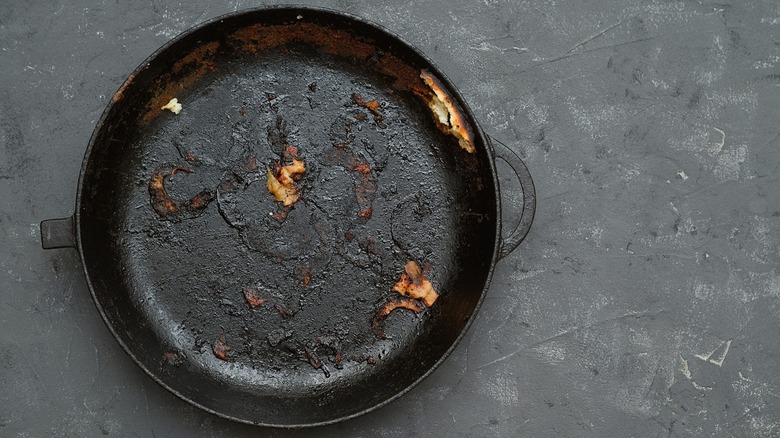
Credit: www.tastingtable.com
When To Replace Your Cast Iron
Cast iron can last a lifetime, but very old pans with deep cracks or thick rust may never lose strong smells. If your pan still smells after many cleanings and re-seasonings, and the odor affects your food, it might be time for a new one.
However, most pans can be saved. Do not give up after one or two tries. With patience and the right methods, almost any cast iron pan can be restored.
How Often Should You Deep Clean?
You do not need to use vinegar, baking soda, or high-heat methods after every use. For most people:
- Do a deep clean only after cooking fish or other strong-smelling foods.
- For everyday use, hot water and a brush are enough.
- Re-season every few months, or when the pan looks dull or smells odd.
Over-cleaning can wear down the seasoning, so balance is important.

Credit: fieldcompany.com
Expert Advice: What Chefs Do Differently
Professional chefs use cast iron for many dishes, including fish. Here are some extra tips from the pros:
- Always heat the pan well before adding oil or fish. This helps create a temporary nonstick layer and reduces sticking (and odor).
- Use a fish spatula to turn fish gently, so you do not break the seasoning.
- After cooking, wipe out as much oil and residue as possible before washing.
- Chefs sometimes “smoke out” the pan by heating it empty for a few minutes, which can help burn off light odors.
These habits make cleaning easier and keep pans in top shape.
Can You Use Soap On Cast Iron?
You may hear different opinions about using soap. Today’s mild dish soaps are safe in small amounts. If you use a little soap to remove fish smell, rinse well and re-oil the pan after drying. Avoid soaking or using strong detergents, as these can strip the seasoning.
If you are worried about losing the nonstick layer, stick with salt or baking soda.
How To Store Cast Iron After Cleaning
Proper storage also helps prevent odors.
- Store your pan in a dry, airy place.
- Place a paper towel or cloth inside the pan to absorb any moisture or smells.
- Do not stack heavy pans inside each other, as this can scratch the surface.
If you notice a musty or fishy smell after storage, repeat a deodorizing step before cooking.
Myths About Fish Smell And Cast Iron
Some common myths can lead to mistakes:
- “Once a pan smells, it is ruined.” (Not true—almost all smells can be removed.)
- “You can never use soap.” (A little soap is fine if you re-oil the pan.)
- “High heat always ruins seasoning.” (If you re-season, high heat is safe for cleaning.)
- “You must buy special cleaners.” (Most home products work just as well.)
Knowing the facts helps you care for your cast iron with confidence.
Real-world Example
Maria loves to cook salmon in her cast iron pan but noticed that pancakes the next day tasted like fish. She tried washing with hot water, but the smell stayed. She then used a kosher salt scrub, dried the pan, and baked it in the oven for an hour.
After cooling, she re-oiled the pan and made pancakes again—no fishy taste! This shows that using more than one cleaning method can solve stubborn odor problems.
When To Seek Professional Help
If your cast iron pan is a family heirloom or very valuable, and you worry about damaging it, you can take it to a professional restorer. Some companies specialize in restoring old or smelly pans using food-safe methods. This is rarely needed, but it is an option for special cases.
Additional Resources
For more details on cast iron care and cleaning, you can check Wikipedia’s cast iron cookware page.
Frequently Asked Questions
Why Does My Cast Iron Pan Still Smell After Cleaning?
Sometimes, fish oils soak deep into the seasoning layer. Simple cleaning may not reach these spots. Try a baking soda scrub, oven heating, or re-seasoning. Dry and oil the pan well after each cleaning.
Can I Use Bleach Or Strong Chemicals To Remove Fish Smell?
No, never use bleach or harsh chemicals on cast iron. These can damage the metal and seasoning, and may leave unsafe residues. Stick to natural cleaners like salt, baking soda, or vinegar.
Does Cooking Other Foods Remove Fish Smell?
Cooking strong-smelling foods like onions or bacon may mask fish odor for a short time, but does not remove it. For best results, deodorize the pan using methods listed above before cooking something new.
Will Re-seasoning Always Remove Fish Smell?
Re-seasoning usually covers and seals in odors, but if the smell is very strong, you may need to clean with baking soda or use high heat first. In rare cases, you may need to strip all seasoning and start over.
Is It Safe To Use A Cast Iron Pan With A Faint Fish Smell?
It is safe, but your food may taste or smell like fish. If you do not want this, clean and re-season the pan. A healthy seasoning layer should not carry strong odors.
Removing fish smell from cast iron is possible with the right steps. With care and regular maintenance, your pan can stay fresh, nonstick, and ready for any recipe. Take your time, follow these methods, and you will enjoy cast iron cooking without unwanted smells.

Credit: www.rd.com