
Choosing the right hardware for your cabinets can transform your kitchen or bathroom from ordinary to stunning. If you want a space that feels custom, mixing cabinet pulls and knobs is a smart design move. But it’s easy to make mistakes—mixing the wrong styles can look messy or unbalanced. Whether you’re updating old cabinets or designing a new space, learning how to mix pulls and knobs with confidence is essential. Let’s explore the secrets to a stylish, cohesive look.
Why Mix Cabinet Pulls And Knobs?
Mixing pulls and knobs is more than just a trend—it’s about functionality and style. Knobs are often easier to grip on smaller doors and add a classic touch. Pulls, with their long handles, make drawers effortless to open and add a modern edge.
When you blend both, you unlock new design possibilities:
- Visual interest: Different shapes and sizes make your cabinets less uniform and more eye-catching.
- Practicality: Pulls are better for heavy drawers, while knobs work well on lighter cabinet doors.
- Personal style: Mixing lets you combine vintage, modern, or even industrial looks.
Interior designers use this mix to create depth. But the magic is in the details—shape, finish, placement, and balance matter just as much as the hardware itself.
Understanding Cabinet Pulls And Knobs
Before you start choosing, it helps to know the basics. Both pulls and knobs have unique features that affect how they look and feel.
What Are Cabinet Knobs?
Knobs are small, single-screw pieces. They’re usually round, square, or novelty-shaped. You’ll find them on upper cabinets, pantries, or even furniture like dressers.
- Best for: Light doors, traditional or cottage styles
- Sizes: Most are 1” to 2” wide
- Materials: Metal, glass, ceramic, wood
What Are Cabinet Pulls?
Pulls are longer handles, attached with two screws. They come in bar, arch, cup, and finger styles.
- Best for: Drawers, heavier doors, modern or transitional designs
- Sizes: From 3” to 10” or more
- Materials: Metal, leather, acrylic, wood
Table: Key Differences
| Feature | Knobs | Pulls |
|---|---|---|
| Attachment | Single screw | Two screws |
| Common Placement | Doors | Drawers |
| Style Range | Classic, vintage | Modern, industrial |
| Ease of Use | Simple grip | Better leverage |
The Psychology Of Hardware Choices
You might not realize it, but hardware impacts how a room feels. Small details can make a space seem more expensive or more comfortable.
- Knobs tend to feel classic, homey, and approachable.
- Pulls feel substantial, sturdy, and more contemporary.
Mixing them lets you control these feelings. For example, using pulls on lower drawers and knobs on upper cabinets can make a kitchen feel grounded and open at the same time.
How To Start: Analyzing Your Space
Before picking styles, take a close look at your cabinets and your overall space. This step is often skipped, but it’s key.
- Map your cabinets: Count how many doors and drawers you have. Note which are large, small, tall, or wide.
- Check your style: Is your kitchen modern, rustic, farmhouse, or transitional? Hardware should match or complement the style.
- Consider use: Which cabinets or drawers get the most use? For example, a heavy pot drawer needs a strong pull.
Non-obvious insight: Take photos of your cabinets in daylight and at night. Hardware finishes can look very different depending on lighting.
Design Principles For Mixing Pulls And Knobs
To avoid a random or clashing look, stick to some basic design rules. These will guide your choices and make sure your mix feels intentional.
Rule 1: Consistent Finish
The finish is the color and surface treatment—like brushed nickel, matte black, or brass. Mixing finishes can work, but for beginners, it’s safer to keep all hardware in the same finish. This creates unity, even if the shapes differ.
- Tip: If you want to experiment, mix matte and shiny in the same color family (like matte black with polished black).
Rule 2: Balance Proportion
Large drawers need bigger pulls. Small doors look better with small knobs. Always match the hardware size to the cabinet size.
- Guideline: Pulls should be about 1/3 the width of the drawer.
Rule 3: Repeat Shapes
If your pulls are square, choose square or angular knobs. If pulls are curved, match with round knobs. This subtle detail keeps the look harmonious.
Rule 4: Function First
Place pulls where you need leverage—typically on wide drawers or heavy doors. Use knobs for light, easy-to-open doors.
Rule 5: Odd Numbers For Interest
If you have three drawers in a row, try knobs on the top and pulls on the bottom two. Odd groupings create visual interest.
Classic Mixing Strategies
There are a few time-tested ways to mix pulls and knobs. These work in most kitchens and bathrooms.
1. Knobs On Doors, Pulls On Drawers
This is the most common, designer-approved formula. It’s simple and always looks balanced.
- Why it works: Most drawers need more force to open, and pulls provide better grip.
- Where to use: Standard kitchens, bathrooms, laundry rooms.
2. All Pulls, But Different Styles
Use bar pulls on drawers and cup pulls on doors, but keep the finish the same.
- Why it works: Consistent finish ties the look together, but different shapes add subtle detail.
- Where to use: Transitional or farmhouse kitchens.
3. Statement Pulls With Simple Knobs
Choose bold, oversized pulls for a few key drawers (like under the cooktop) and use small, simple knobs everywhere else.
- Why it works: Draws attention where you want it, but keeps the rest clean.
- Where to use: Large kitchens, modern homes.
4. Vertical Pulls On Tall Cabinets, Horizontal Elsewhere
Use vertical pulls on pantry doors or tall cabinets, and horizontal pulls on drawers.
- Why it works: Follows the lines of the cabinets, making the space feel taller or wider.
- Where to use: Galley kitchens, narrow spaces.
Choosing Finishes: What Really Matters
Selecting the right finish is one of the most important decisions. It affects both style and maintenance.
Popular Finishes
- Brushed Nickel: Soft, classic, easy to keep clean.
- Matte Black: Bold, dramatic, hides fingerprints.
- Polished Chrome: Shiny, modern, reflects light.
- Satin Brass: Warm, vintage, develops patina over time.
- Oil-Rubbed Bronze: Dark, rustic, good for farmhouse style.
Table: Finish Durability And Care
| Finish | Durability | Cleaning Needs |
|---|---|---|
| Brushed Nickel | High | Low |
| Matte Black | Medium | Low |
| Polished Chrome | Medium | Frequent |
| Satin Brass | Medium | Occasional |
| Oil-Rubbed Bronze | Medium | Low |
Non-obvious insight: If you have kids or cook often, avoid polished finishes—they show fingerprints and water spots more easily.
Size And Scale: Getting Proportions Right
Even beautiful hardware can look wrong if it’s the wrong size. Here’s how to get it right:
- Small drawers (12” or less): Use 3”-4” pulls or 1”-1.25” knobs.
- Medium drawers (12”-24”): Use 4”-8” pulls or 1.25”-1.5” knobs.
- Large drawers (24”+): Use 8”-12” pulls, or two smaller pulls spaced evenly.
For extra-long drawers, consider two knobs or two pulls. This not only looks balanced but also makes the drawer easier to open.
Placement: Where To Install Pulls And Knobs
The placement of pulls and knobs isn’t just about looks—it affects how comfortable your kitchen feels.
Knobs
- Upper cabinets: Place 2.5” to 3” from the bottom corner.
- Lower cabinets: Place 2.5” to 3” from the top corner.
Pulls
- Drawers: Centered on the face, both horizontally and vertically.
- Tall doors: Place vertically, about 2.5” to 3” from the edge.
- Wide drawers: Use two pulls, spaced evenly.
Practical tip: Use painter’s tape to “mock up” hardware positions before drilling. This lets you see and adjust the look.
Style Pairings: What Works Together
Certain combinations always look good. Here are some classic pairings:
- Shaker cabinets: Square pulls and round knobs.
- Raised panel cabinets: Cup pulls and decorative knobs.
- Flat-panel cabinets: Sleek bar pulls and disc-shaped knobs.
- Beadboard cabinets: Vintage glass knobs and bin pulls.
Mixing modern and vintage? Try matte black pulls with clear glass knobs for a timeless twist.
Mixing Materials: When And How
If you want to get more creative, you can mix materials like metal and wood or metal and glass. But do this carefully.
- Keep finishes in the same color family: For example, brushed nickel with polished chrome.
- Limit to two materials: Too many can make the space feel chaotic.
- Use one material for pulls, the other for knobs: For example, metal pulls and wood knobs.
Common Mistakes And How To Avoid Them
It’s easy to get excited and make mistakes. Here are the most common ones—and how to avoid them.
- Too many styles: Stick to two types—one for pulls, one for knobs.
- Mixing finishes without a plan: If you mix, do it intentionally and repeat the finish at least three times.
- Oversized hardware on small cabinets: Always match the scale to the cabinet size.
- Ignoring comfort: Test hardware in person. Some styles look great but feel awkward to use.
- Random placement: Keep placement consistent from cabinet to cabinet.
Pro tip: Order a few samples before buying everything. Test them on your actual cabinets.
The Role Of Cabinet Color
Cabinet color affects which hardware will look best.
- White cabinets: Almost any finish works, but black or brass stands out.
- Dark cabinets: Brushed nickel or chrome adds brightness.
- Wood cabinets: Oil-rubbed bronze, antique brass, or matte black add warmth.
If you’re unsure, hold samples against your cabinet in natural light.
Case Studies: Real-life Examples
Let’s look at how some homeowners and designers got it right.
Example 1: Modern Farmhouse Kitchen
- Cabinets: White shaker
- Knobs: Matte black round on upper doors
- Pulls: Matte black bar on drawers and pantry
- Result: Clean, cohesive look with a modern touch.
Example 2: Classic Victorian Bath
- Cabinets: Painted blue with raised panels
- Knobs: Brass floral on doors
- Pulls: Brass cup on drawers
- Result: Elegant, timeless, and true to period style.
Example 3: Minimalist Loft
- Cabinets: Flat panel, light gray
- Knobs: None (all pulls)
- Pulls: Stainless steel bar pulls, horizontal on drawers, vertical on doors
- Result: Sleek and functional, with a professional finish.
Budgeting For Hardware
Hardware costs can add up fast. Here’s what to expect:
- Basic knobs: $2-$5 each
- Designer pulls: $10-$25 each
- Custom or artisan hardware: $30+ each
For a standard 30-cabinet kitchen, you might spend $200 for budget hardware or $1,000+ for high-end options.
Tip: Spend more on the most-used drawers and doors; save on rarely-used cabinets.
Diy Installation Tips
Installing hardware is a project you can do yourself with the right tools.
What you need:
- Drill and bits
- Tape measure
- Screwdriver
- Hardware jig (optional but helpful)
- Pencil and painter’s tape
Steps:
- Measure and mark all locations before drilling.
- Use a jig for consistent placement.
- Drill holes carefully—go slow to avoid chipping.
- Install hardware and check alignment.
When To Hire A Pro
If your cabinets are custom, antique, or if you’re nervous about making mistakes, a professional installer is worth the cost. They’ll make sure everything lines up perfectly and can handle tricky materials like high-gloss or glass-front cabinets.
Sustainability And Material Choices
If you care about the environment, choose hardware made from recycled materials, or opt for wood and glass. Some companies now offer knobs and pulls made from reclaimed metals.
Look for certifications or ask about the material’s source. This not only helps the planet but can add a unique story to your home.
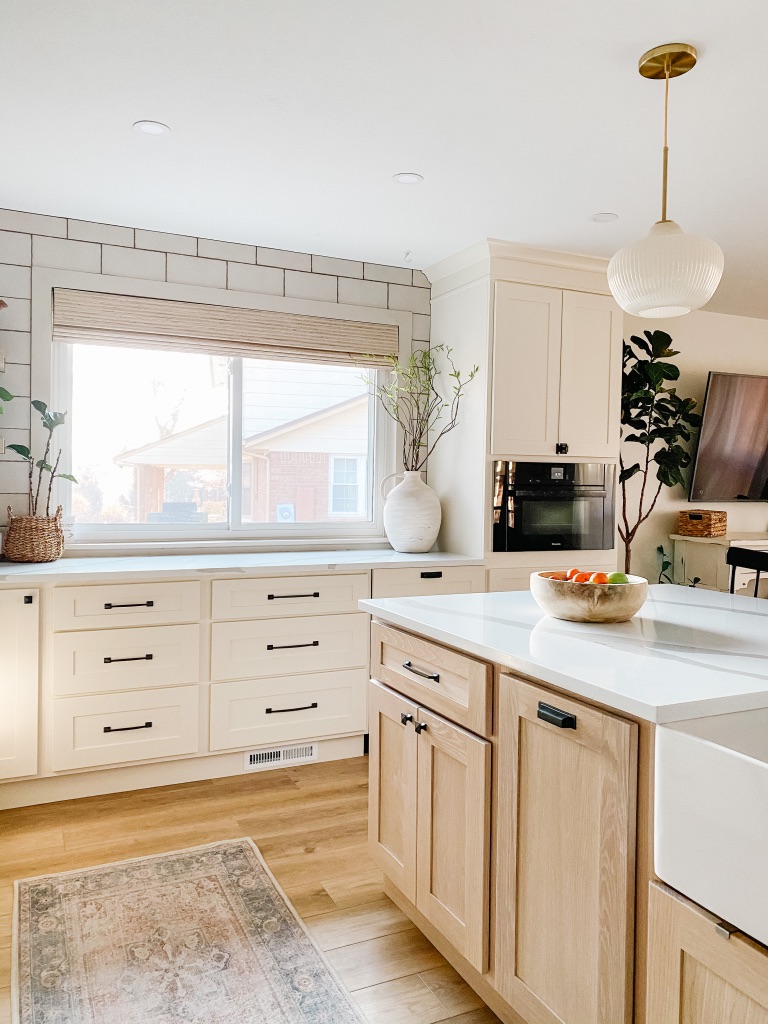
Credit: sprucingupmamahood.com
Trends In Mixing Cabinet Pulls And Knobs
Styles change, but a few trends stand out:
- Mixed metals: Combining brass and black for a modern look.
- Oversized pulls: Especially on large islands or pantries.
- Backplates: Adding a decorative plate behind a knob or pull for extra style.
- Textured hardware: Knurled or hammered finishes for more grip and interest.
Table: Quick-start Guide For Beginners
If you’re feeling overwhelmed, here’s a quick reference.
| Cabinet Type | Recommended Hardware | Finish Suggestion |
|---|---|---|
| Upper cabinets | Knobs | Brushed Nickel |
| Lower drawers | Pulls | Matte Black |
| Panty/utility | Long Pulls | Brass |
| Accent doors | Decorative Knobs | Oil-Rubbed Bronze |
:max_bytes(150000):strip_icc()/Screenshot2023-07-31at2.21.03PM-618b5e98974b407f88809fa718071c55-1a0c2c4e3cbe49ed861b4b7bb2a184a1.png)
Credit: www.thespruce.com
Where To Buy Quality Hardware
You can find hardware at big box stores, specialty showrooms, or online. For unique or custom options, check local artisans or reputable online platforms. Always check return policies—sometimes the hardware looks different in person than in photos.
Tip: Read reviews and look for brands with a warranty. High-quality hardware should last for years.
For more inspiration and practical design advice, visit Houzz Magazine.
Final Thoughts
Mixing cabinet pulls and knobs is both an art and a science. With the right approach, you can create a space that’s beautiful, functional, and uniquely yours. Take your time, test combinations, and remember: the best designs reflect your personal taste while staying practical. Don’t be afraid to experiment—sometimes the most interesting kitchens come from mixing things up.

Credit: hapnyhome.com
Frequently Asked Questions
What Is The Most Common Way To Mix Cabinet Pulls And Knobs?
The most popular approach is knobs on cabinet doors and pulls on drawers. This method creates visual balance and makes opening drawers easier since pulls offer more grip. It’s a simple formula used by many designers because it works in almost any style of kitchen.
Can I Mix Different Hardware Finishes In One Room?
Yes, but do so carefully. Limit to two finishes and repeat each finish at least three times in the room. For beginners, it’s easier to stick to one finish for a more cohesive look. Mixing finishes works best in larger kitchens or when you want to highlight certain areas.
How Do I Choose The Right Size For Cabinet Pulls?
A good rule is to select a pull that is about one-third the width of the drawer. For very wide drawers, you can use two smaller pulls. Always check the manufacturer’s recommendations and try out samples before buying in bulk.
Should I Use Pulls Vertically Or Horizontally?
For drawers, pulls look best installed horizontally. For tall cabinet doors, install pulls vertically. This matches the natural movement of opening and closing and keeps the look consistent.
What If I Make A Mistake During Installation?
If you drill in the wrong spot, don’t panic. Fill the hole with wood filler, sand it smooth, and touch up with paint or stain. Most mistakes are fixable. Consider hiring a professional if you’re unsure about drilling into expensive or antique cabinets.