
If you’ve spotted tiny ants crawling across your kitchen counter, especially around greasy or oily foods, you’re not alone. Grease ants—also called sugar ants or thief ants—are some of the most stubborn kitchen pests. They sneak through the smallest cracks, multiply fast, and are hard to fully remove if you don’t act quickly. The presence of these ants is more than just a nuisance; it’s a sign that your kitchen offers the food, water, and shelter they need. Left unchecked, they can contaminate your food and even damage electrical appliances.
Getting rid of grease ants requires more than a quick wipe or a single spray of insecticide. You need to understand what attracts them, how they behave, and which strategies actually work to keep your kitchen ant-free. In this guide, you’ll learn everything you need to know—from how to identify grease ants, to proven methods for eliminating them, to long-term prevention.
You’ll also discover mistakes that many homeowners make, and a few professional tricks that even experienced pest controllers use.
What Are Grease Ants?
Grease ants are small, yellowish to light brown ants, usually measuring only 1. 5 to 2. 2 millimeters long. They’re called “grease ants” because they are especially attracted to greasy, fatty foods. However, you might also hear people call them thief ants, because they invade other ant colonies to steal food.
These ants build colonies with thousands of workers and several queens. Their nests are often hidden deep inside walls, behind baseboards, or under floors—places you can’t easily reach. Because they’re so small, they squeeze through tiny gaps that other insects can’t use.
A common confusion is between grease ants and pharaoh ants. Both are similar in size and color, but grease ants are even smaller and more likely to be found around oily foods. Pharaoh ants tend to nest in warm, humid places like bathrooms or inside electrical outlets, while grease ants prefer kitchens and pantries. Grease ants also have a more segmented, almost bead-like body when viewed closely. Knowing the difference can help you choose the right treatment and avoid using ineffective baits.
Another thing people often miss: grease ants can survive for long periods without food, especially if they have access to water. This makes them more persistent than many other household ants.
Why Grease Ants Invade Kitchens
Kitchens are perfect for grease ants. They look for:
- Food sources—especially oils, meats, peanut butter, and even pet food.
- Water—leaky sinks, condensation, or wet sponges.
- Warmth and shelter—appliance motors or behind kitchen walls.
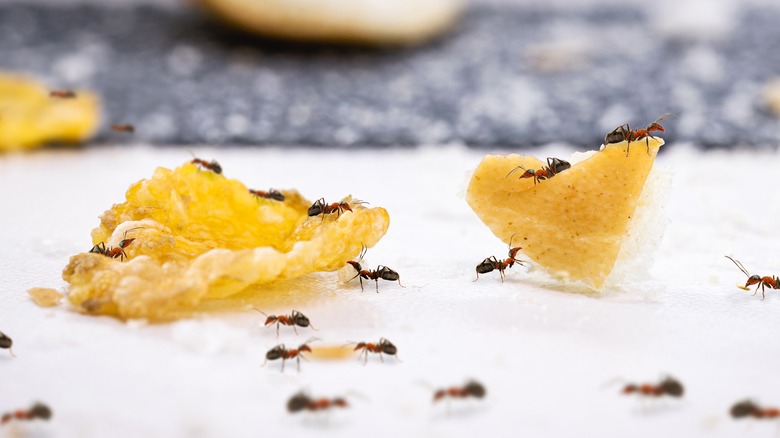
Even tiny crumbs or a few drops of oil can attract an entire colony. Grease ants leave invisible scent trails for other ants to follow, so one ant can quickly become hundreds.
It’s not just human food that attracts them—grease ants will also target cooking oil spills, bacon fat, and even the grease left inside toasters or under burners. They can sense food from surprising distances, sometimes traveling several rooms just to reach a single drop of oil.
Another reason grease ants love kitchens is the regular human activity. Moving dishes, opening food containers, and cleaning create frequent opportunities for ants to sneak in and find something to eat. If you have pets, their food bowls are a common target.
Even a single forgotten kibble under a cabinet can become the center of an ant invasion.

Credit: positivepest.net
How To Identify A Grease Ant Infestation
Detecting grease ants early is key to stopping a large infestation. Here’s how you can tell if you have a problem:
- Tiny ants in the kitchen, especially around stoves, sinks, or near greasy food.
- Small trails of ants moving in single file, often leading to a food source.
- Ants inside food containers or pet food bowls.
- Piles of fine dirt or sawdust in corners (from nest building).
- Sudden increase in ant numbers after cleaning up spills or crumbs.
If you’re still unsure, try this: place a drop of oil or peanut butter on a piece of cardboard and leave it near where you’ve seen ants. Grease ants will swarm to it within an hour if they’re present.
An extra sign to look for is ant activity at night. Grease ants are often more active after dark, when the kitchen is quiet. Try turning on the lights late at night and checking counters or behind appliances—you may spot hidden trails you missed during the day.
If you notice ants in unusual places like electrical outlets, under dishwashers, or in the back of cupboards, this may mean the colony is nesting inside your walls. In these cases, surface cleaning alone will not be enough.
Common Mistakes People Make
Most people try to kill visible ants with sprays or wipes, but this rarely solves the problem. Here are mistakes that make infestations worse:
- Killing only visible ants—the colony and queens remain hidden and untouched.
- Using repellent sprays—these scatter ants, making them set up new nests.
- Not sealing entry points—ants will keep finding new ways in.
- Ignoring food spills or crumbs—even a little attracts ants back.
- Using the wrong bait—many store baits target sugar ants, not grease ants.
Understanding these mistakes can help you avoid wasted time and money.
A less obvious mistake: forgetting to clean under and behind appliances. Grease ants often find unnoticed crumbs or grease under ovens, toasters, and refrigerators. Also, people often assume the problem is solved after a few days without ants, only to find the colony resurfaces a week or two later. This usually means the queen survived and the nest remains active.
Another error is using homemade remedies without testing. For instance, sprinkling cinnamon or coffee grounds alone rarely works for large infestations. These can sometimes drive ants into other rooms, spreading the problem instead of solving it.
Step-by-step: How To Get Rid Of Grease Ants In The Kitchen
Eliminating grease ants is a process—not a one-time fix. Follow these steps for lasting results.
1. Find And Remove Food Sources
Grease ants need food to survive. The first—and most important—step is to take away what attracts them.
- Clean up all crumbs and grease—wipe counters, stovetops, and floors.
- Wash dishes immediately—don’t leave dirty dishes in the sink.
- Store food in airtight containers—plastic bags are not enough.
- Empty trash bins daily—especially if they contain food scraps.
- Clean under appliances—ants often hide and feed under fridges, ovens, and microwaves.
A helpful trick: use a flashlight to check for crumbs or oil splatters in dark corners and under counters.
Don’t forget less obvious sources like toaster trays, microwave vents, or the seals of your refrigerator door. Even a few drops of oil or a sticky jam spill inside a cupboard can keep ants coming back. If you have children, check for snack wrappers or food bits in drawers and backpacks left in the kitchen.
2. Eliminate Water Sources
Grease ants need water as much as food.
- Fix leaky faucets and pipes under the sink.
- Dry wet sponges and cloths—don’t leave them out overnight.
- Wipe up spills right away—especially around sinks and drinks.
If you remove both food and water, the ants will have less reason to stay.
Humidity can also be a factor, especially in warm climates or older homes with poor ventilation. Consider using a dehumidifier if your kitchen tends to stay damp, or open windows to improve airflow after cooking.
One trick professionals use is to leave a dry cloth near suspected entry points and check for moisture in the morning. If it’s damp, there may be an unseen leak or condensation problem attracting ants.
3. Identify Entry Points And Trails
Watch where ants enter your kitchen. Common entry points include:
- Cracks in walls or floors
- Gaps around windows or doors
- Spaces around pipes and cables
Ants follow scent trails. Mark these with a sticky note or take a photo so you can target them later.
Pay close attention to spots where pipes enter the wall, as even a gap the width of a toothpick is enough for grease ants. You can dust these areas with a little flour or cornstarch overnight—ant trails will leave visible tracks by morning.
For upstairs kitchens, check vents, attics, and rooflines. Ants can travel down from above, especially if you have trees or vines touching your house.
4. Use The Right Ant Baits
Baits are the most effective way to kill grease ants, because workers carry poison back to the colony.
Choosing The Right Bait
Grease ants prefer protein or fat-based baits over sugary ones. Look for products with active ingredients like borax or hydramethylnon.
If you’re unsure which bait to use, try a small test: place a bit of peanut butter and a bit of jelly on separate pieces of paper. See which attracts more ants, then choose a bait that matches their preference.
Homemade Bait Recipe
If you want a DIY solution, try this:
- Mix 1 teaspoon of peanut butter with ½ teaspoon of boric acid powder.
- Spread a small amount on a piece of cardboard.
- Place it where you see ant trails, away from children and pets.
Replace the bait every few days. It may take up to two weeks to see a major reduction.
For added effectiveness, make two batches—one with peanut butter (for protein) and one with a drop of honey (for sugar). Place both near trails to cover changes in ant preferences.
Commercial Baits
Many off-the-shelf baits target sugar ants, not grease ants. Check packaging or ask a pest control expert for advice.
Here’s a quick comparison of common bait types:
| Bait Type | Main Ingredient | Best For | Speed |
|---|---|---|---|
| Protein-based gel | Boric acid, Hydramethylnon | Grease ants | Medium (1-2 weeks) |
| Sugar-based gel | Borax | Sugar ants | Slow (2+ weeks) |
| Granular bait | Abamectin | Multiple ant species | Medium (1-2 weeks) |
Most commercial baits come with instructions for placement. For best results, place small amounts near active trails but not directly on them. Ants may avoid baits that smell too strongly or are contaminated with cleaning chemicals.
5. Seal Entry Points
Blocking the ants’ way in is critical for long-term success.
- Seal cracks and gaps with silicone caulk or weatherproof sealant.
- Install door sweeps on exterior doors.
- Use steel wool to fill holes around pipes or cables.
Check every few months for new gaps, especially if your house shifts or settles.
If you’re in a rental or can’t do permanent repairs, use clear packing tape to cover small gaps temporarily. Weatherstripping foam can also help block doors and windows.
Don’t forget hidden spots—behind outlets, under sinks, and inside cabinets. Even if you seal one gap, ants may find another if you’re not thorough.
6. Destroy Scent Trails
Ants leave behind pheromone trails. Even if you kill the ants you see, others will follow these invisible paths unless you erase them.
- Wipe surfaces with vinegar or soapy water.
- Spray white vinegar along ant trails and entry points.
- Avoid bleach or ammonia—these may only mask the scent, not remove it.
This step is often missed, but it’s essential for full removal.
Try using a spray bottle filled with equal parts vinegar and water. Clean not just where you see ants, but also along baseboards, windowsills, and under appliances. Repeat this daily for several days, especially after removing a colony.
7. Use Natural Ant Deterrents
If you prefer natural methods, some ingredients repel ants without harsh chemicals.
- Cinnamon powder—sprinkle along windowsills or baseboards.
- Peppermint oil—mix 10 drops with 1 cup of water and spray near entry points.
- Diatomaceous earth—a powder that damages ant exoskeletons. Use food-grade only.
Natural deterrents don’t kill colonies, but they can stop new ants from entering.
You can also try lemon juice, which disrupts ant scent trails, or ground black pepper. However, avoid using these directly on food surfaces. Refresh natural deterrents every few days, as their scent fades over time.
8. Monitor Progress And Repeat
Check daily for new ant trails or activity. If you still see ants after two weeks, repeat baiting and cleaning steps. Sometimes, colonies split into smaller groups (a process called “budding”), which means you need to be persistent.
A helpful tip: Keep a log of where you see ants and what methods you’ve tried. This helps track what works best in your kitchen.
If you notice fewer ants but some still appear, don’t stop too soon. Continue baiting and monitoring for another week or two. Sometimes, the queen can lay new eggs after a partial kill, and missing these can restart the problem.
When To Call A Professional
Sometimes, grease ant infestations are too large or hidden to handle alone. Signs you need help:
- Ants keep returning after weeks of cleaning and baiting.
- You find nests inside walls or electrical outlets.
- You see ants in multiple rooms.
Professional pest controllers use stronger baits and know where to look for hidden colonies. They can also use non-repellent sprays that reach deep into nests.
A professional service may cost $150–$400 for a typical kitchen infestation, but it’s worth it if DIY methods fail.
One advantage of professionals is their equipment—such as wall injectors, dusters, and thermal cameras—that let them find and treat hidden nests. They also know how to safely use commercial-grade products that are not available to the public.

Credit: yardandgarden.extension.iastate.edu
Long-term Prevention: How To Keep Grease Ants Away
Once you’ve removed grease ants, prevention is key. Here’s how to make your kitchen less attractive for future invasions.
1. Maintain A Clean Kitchen
- Wipe counters and tables after each meal.
- Sweep floors daily.
- Deep clean under appliances every month.
Pay attention to areas that are easy to forget, like under sinks, behind the trash can, or inside pantry shelves. Regularly clean toaster ovens and microwaves, as food particles can build up in small spaces.
2. Store Food Properly
Use sealed glass or thick plastic containers. Thin plastic bags or cardboard boxes won’t stop determined ants.
For extra protection, store pet food in airtight bins and keep fruit in the refrigerator if possible. If you bake often, check that flour and sugar containers are tightly closed after each use.
3. Fix Water Problems
Check for leaks under sinks, behind the fridge, or around dishwashers. Even small drips attract ants.
Also, dry out sinks and countertops before bed. If you use a dish rack, empty it at night. Ants are less likely to invade a dry kitchen.
4. Regularly Empty Trash And Compost
Take out kitchen garbage every day, especially if it contains meat, oils, or sweets. Clean bins with hot soapy water weekly.
If you compost, use a bin with a tight-fitting lid. Rinse out food cans and bottles before recycling to avoid attracting ants to your recycling area.
5. Inspect Your Home
Every few months, inspect for new cracks, gaps, or damaged screens. Early repairs prevent ant access.
Regular inspections are especially important after heavy rain, storms, or home repairs, as these events can create new entry points.
6. Manage Outdoor Sources
Trim plants and shrubs near windows or doors. Store firewood away from the house. Outdoor nests near your walls make indoor infestations more likely.
Consider applying a thin line of diatomaceous earth around the foundation of your home as a barrier (reapply after rain). Remove yard debris, and make sure gutters and downspouts drain away from the house.
Here’s a comparison of prevention actions and their effectiveness:
| Prevention Action | Ease of Use | Effectiveness | Frequency |
|---|---|---|---|
| Wiping surfaces | Easy | High | Daily |
| Sealing entry points | Medium | Very High | Quarterly |
| Fixing leaks | Medium | High | As needed |
| Outdoor maintenance | Medium | Medium | Seasonal |
Non-obvious Insights: What Most People Miss
While the basics are important, here are two insights that even experienced homeowners often overlook:
- Ant preferences change: Grease ants sometimes switch from fatty foods to sweet ones, especially if their colony is growing or other food runs out. It’s smart to offer both protein- and sugar-based baits at the same time for maximum effect. If you notice ants ignoring one bait, don’t assume they’re gone—try another type.
- Hidden nests outside: Your kitchen infestation may actually start outdoors. Grease ants often nest in soil, mulch, or under stones near your foundation. Tracing trails back outside and treating these entry points makes indoor control much easier. On warm days, follow ant trails outside to find possible nests. Treating only inside may just push ants to enter from another direction.
Another subtle tip: ants sometimes use plumbing lines or electrical wiring as “highways” between rooms. If you keep seeing ants in odd places, check behind outlet covers or around water pipes.
Safety Tips When Using Ant Control Methods
- Always keep baits and chemicals away from children and pets.
- Wash your hands after handling baits or cleaning up dead ants.
- If using boric acid or diatomaceous earth, wear gloves and a mask to avoid irritation.
- Never mix different pesticides together—this can be dangerous.
For official safety advice, check resources like the U.S. Environmental Protection Agency.
If you have allergies or respiratory issues, be especially cautious with powders and sprays. Always follow the manufacturer’s instructions, and ventilate the area well after use.
Frequently Asked Questions
What Is The Fastest Way To Get Rid Of Grease Ants?
The fastest way is to use protein-based ant baits near ant trails, while also removing all food and water sources. Clean up crumbs and seal entry points. It can take a few days to two weeks for the bait to kill the colony, but this is much more effective than sprays.
For urgent situations, combine baiting with thorough cleaning and trail removal. Remember, patience is key—don’t stop treatment as soon as ants disappear.
Are Grease Ants Dangerous To Humans?
Grease ants are not known to bite or sting humans. However, they can contaminate food and surfaces, which may spread bacteria. It’s important to remove them, especially in kitchens.
They may crawl through dirty areas before reaching your food, so always throw away food that ants have invaded.
Can I Use Vinegar To Kill Grease Ants?
Vinegar can erase scent trails and repel ants, but it doesn’t kill colonies. Use vinegar to clean surfaces after removing food and water, but combine it with baiting for full removal.
Vinegar also helps keep your kitchen smelling fresh and discourages new ants from entering, but don’t rely on it as your only method.
Why Do Grease Ants Keep Coming Back After I Clean?
If you see ants after cleaning, it’s likely you haven’t found and killed the nest. Ants may also find new entry points or be attracted by hidden crumbs or leaks. Use baits and seal all gaps to stop re-infestation.
Remember, some colonies have multiple queens, so partial removal is not enough. Stay consistent with monitoring and prevention.
Should I Use Insecticide Sprays For Grease Ants?
Sprays can kill visible ants but rarely reach the colony. Worse, they may scatter ants and cause them to make new nests. Use sprays only as a last resort, and always focus on baits and prevention first.
If you must use sprays, choose non-repellent formulas and apply them only to cracks and crevices—not on open surfaces.
Getting rid of grease ants in your kitchen is possible—but it takes a smart, thorough approach. By understanding what these ants want, using the right baits, and blocking their return, you can enjoy a clean, pest-free kitchen year-round. With a little patience and the right techniques, even the most stubborn grease ant infestations can be solved for good.
Credit: www.housedigest.com