
Nonenal smell is a problem that can make any home feel less fresh, no matter how clean it looks. This unique odor, often described as “old person smell,” is common in houses where older adults live, but it can also appear for other reasons.
Many people struggle to remove it because traditional cleaning and air fresheners don’t work. If you want to create a home that smells clean and inviting, understanding nonenal and how to get rid of it is essential.
This guide will help you identify what nonenal smell is, why it happens, and the best ways to remove it from your house for good. You’ll learn practical steps, smart prevention, and some expert tricks that are often overlooked. By the end, you’ll have clear answers and a fresh-smelling home.
What Is Nonenal Smell?
Nonenal is a chemical compound, specifically 2-nonenal, that is linked to aging. As people get older, their skin produces more nonenal, which has a distinctive, musty or greasy odor. Unlike typical body odor, nonenal is hard to wash away and can linger on clothes, bedding, and in the air. The smell is often compared to old books, stale oil, or sometimes even cucumber mixed with cardboard.
The science behind it: After age 40, skin starts to oxidize more fat (lipids), especially omega-7 unsaturated fatty acids. This process creates nonenal, which is then released through sweat and skin oils. Nonenal sticks to fabrics and surfaces, making it difficult to remove with standard cleaning.
Nonenal is not dangerous, but it can lower quality of life and cause embarrassment or discomfort. The smell is often strongest in bedrooms, living rooms, and upholstered furniture, but can spread throughout the house.
Why Does Nonenal Smell Stick Around?
Unlike regular odors, nonenal is oil-based. This means:
- It binds tightly to fabrics and porous surfaces
- It resists water-based cleaners
- It spreads through skin oils and sweat
- It can linger in the air and HVAC systems
Standard air fresheners only mask the smell. Scented sprays and candles may even mix with nonenal, making the odor worse or more obvious. Deep cleaning is often needed, plus some special products and habits.
How To Identify Nonenal Smell In Your House
Not all bad smells are nonenal. Here’s how to spot it:
- Location: Nonenal is strongest where people spend time sitting or sleeping. Check bedrooms, couches, chairs, and bedding.
- Odor: It smells musty, greasy, or like stale oil. It does not have the sour or sharp note of sweat, nor the earthy smell of mold.
- Persistence: The smell doesn’t go away after airing out or using normal cleaners.
- Surface: Fabrics and soft surfaces hold the smell longer than hard surfaces.
If you have an older family member, or you’ve tried cleaning but an odd “old” smell remains, nonenal is a likely cause.
Deep Cleaning Fabrics And Upholstery
Fabrics are nonenal’s favorite hiding place. Regular washing won’t always work, so use these steps:
1. Wash With Special Detergents
Use detergents designed to break down oils. Look for enzyme-based or degreasing laundry products. These can remove oil-based compounds better than standard soap.
- Wash bedding, clothes, and curtains in hot water if safe for the fabric.
- For tough cases, soak fabrics for 1-2 hours in detergent before washing.
2. Add White Vinegar Or Baking Soda
Both are natural deodorizers.
- Add 1 cup of white vinegar to the rinse cycle.
- Sprinkle baking soda on soft surfaces like mattresses or couches. Let it sit for several hours, then vacuum thoroughly.
3. Use Upholstery Cleaner
Upholstered furniture traps nonenal deeply. Use a steam cleaner or a professional upholstery cleaner with a degreasing agent. Avoid perfumed sprays—they only hide the smell temporarily.
4. Sun And Air Dry
Sunlight breaks down nonenal and helps kill bacteria. Whenever possible, dry bedding, pillows, and cushions outside in the sun. UV rays are a natural deodorizer.
5. Replace When Needed
Sometimes, old pillows, mattresses, or cushions hold onto nonenal permanently. If cleaning fails after several tries, it may be time to replace these items.
Credit: miraiclinical.com
Cleaning Hard Surfaces And Floors
Nonenal can also stick to floors, walls, and hard surfaces, especially if skin contact is frequent.
- Use a degreasing cleaner or a mix of warm water and mild dish soap.
- For walls and doors, wipe down with a microfiber cloth and soapy water.
- Mop floors with a solution of hot water and a small amount of vinegar or degreaser.
- Don’t forget light switches, remote controls, and handles—these high-touch areas can collect skin oils.
Improving Ventilation And Air Quality
Nonenal lingers in the air. Proper ventilation is key to removing it.
Open Windows Regularly
Fresh air dilutes and removes airborne nonenal. Open windows for at least 15–30 minutes every day, especially in bedrooms and living areas.
Use Air Purifiers
Air purifiers with activated carbon filters trap oil-based particles and reduce odors. HEPA filters alone are not enough, as they focus on dust and pollen. Look for purifiers that combine HEPA and carbon.
Clean Hvac Systems
Air ducts and filters can spread nonenal throughout the house. Change filters every 2–3 months. If the smell persists, have air ducts professionally cleaned.
Place Indoor Plants
Some houseplants, such as peace lilies and snake plants, can help remove odors and improve air quality. While they can’t break down nonenal directly, they support a fresher environment.
Personal Hygiene And Skincare Changes
Since nonenal comes from skin, changing personal care habits is critical.
Use Nonenal-targeted Body Wash
Some Japanese body washes are made to break down nonenal. Look for products with persimmon extract or green tea, as these are proven to neutralize the compound.
Shower More Frequently
Daily showers with a gentle scrub help remove skin oils before they spread to fabrics.
Wash Hair Often
Nonenal can also stick to hair. Wash hair regularly, especially if you sweat at night or wear hats.
Change And Wash Clothes Daily
Don’t re-wear clothes, pajamas, or bed linens without washing. This stops nonenal from transferring back to your skin and surfaces.
Moisturize Skin
Dry skin produces more nonenal. Use a light, non-greasy moisturizer to keep skin healthy and reduce odor production.
Preventing Nonenal Buildup In The House
Once you remove the smell, stopping it from returning is easier with good habits.
Wash Bedding And Clothes Frequently
Launder sheets, pillowcases, and blankets at least once a week. Wash clothes after each wear, especially undergarments and pajamas.
Rotate And Clean Furniture
Move furniture occasionally and clean underneath. Rotate cushions and pillows so all sides get fresh air and sunlight.
Maintain Good Airflow
Keep doors and windows open when possible. Use fans to improve circulation, especially in closed rooms.
Clean High-contact Surfaces
Regularly wipe down doorknobs, handrails, remote controls, and phones. These can collect oils and spread odor.
Treating Carpets And Rugs
Carpets and rugs absorb odors deeply. Nonenal can hide here for months if not treated.
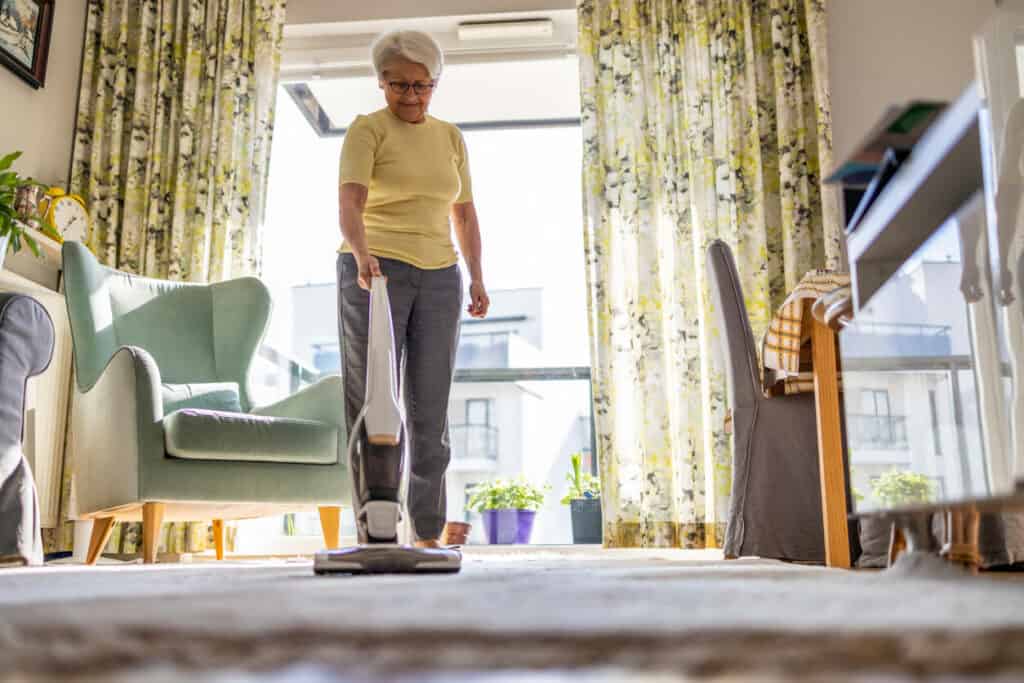
- Sprinkle baking soda generously on carpets. Let it sit overnight, then vacuum slowly and thoroughly.
- Use a carpet shampooer with a degreasing solution.
- For persistent odor, consider professional carpet cleaning.
- If all else fails, replacing old carpets may be necessary. Synthetic fibers tend to hold odors longer than natural ones.
Removing Nonenal From Mattresses And Pillows
Mattresses and pillows are often the worst offenders. Here’s how to tackle them:
- Remove all covers and wash in hot water.
- Sprinkle baking soda over the entire surface. Let it sit for 6-8 hours.
- Vacuum with a strong cleaner, using a special upholstery attachment.
- Air out in direct sunlight if possible.
- Use a mattress protector in the future—these create a barrier to skin oils.
- Replace pillows every 1–2 years, and mattresses every 7–10 years, or sooner if odor persists.

Credit: miraiclinical.com
Smart Use Of Odor Neutralizers
Some products can help, but choose carefully:
- Odor absorbers with activated charcoal are more effective than scented sprays.
- Gel-based odor removers work well in small rooms or closets.
- Place bowls of baking soda or coffee grounds in corners to absorb lingering smells.
Avoid air fresheners that only add fragrance. They may create a mix of nonenal and artificial scent, which can be unpleasant.
Home Remedies That Actually Work
Many people try home remedies, but only a few are truly effective for nonenal:
- Vinegar: Place bowls of white vinegar around the house to absorb odors.
- Baking soda: As mentioned, it’s great for fabrics and carpets.
- Lemon peels: These can freshen air in small spaces like closets or drawers.
- Sunlight: The oldest and often best trick for bedding, cushions, and small rugs.
Some people also use diluted vodka as a spray for fabrics. It evaporates quickly and takes some odor with it, but won’t remove nonenal completely.
Credit: amyseden.com
When To Call Professionals
If you’ve tried everything and the smell remains, professional help may be needed.
- Carpet and upholstery cleaning services have stronger tools and chemicals.
- Duct cleaning companies can remove odor from HVAC systems.
- Home odor removal specialists can identify hidden sources, like mold, that might combine with nonenal.
This is especially important if the smell is affecting your health, mood, or relationships.
Comparing Cleaning Methods For Nonenal
Choosing the right method depends on the type of surface and how bad the smell is. Here is a quick comparison:
| Cleaning Method | Best For | Effectiveness | Notes |
|---|---|---|---|
| Enzyme Detergent | Clothes, bedding, curtains | High | Breaks down oil-based odor |
| Vinegar Soak | Soft surfaces | Medium | Natural, may need repeat |
| Activated Charcoal | Air, small rooms | Medium | Absorbs odor, not for fabrics |
| Professional Cleaning | Carpets, upholstery | Very High | Costly but effective |
| Sunlight Exposure | Bedding, cushions | High | Best when combined with washing |
Nonenal Vs. Other Common Household Odors
Nonenal is often confused with other smells, such as mold, pet odor, or sweat. Here’s how they compare:
| Odor Type | Main Cause | Smell Description | Best Removal Method |
|---|---|---|---|
| Nonenal | Skin oils, aging | Musty, oily, old-book | Enzyme cleaners, sunlight |
| Mold | Moisture, fungus | Earthy, damp | Dry out, antifungal cleaner |
| Pet Odor | Urine, fur oils | Pungent, ammonia | Enzyme cleaner, baking soda |
| Sweat | Bacteria, body fluids | Sour, sharp | Regular washing, deodorant |
Two Insights Beginners Often Miss
- Nonenal is not just a surface problem: Many think washing bedding or spraying air freshener is enough. In reality, nonenal seeps into foam, wood, and even air ducts. Deep cleaning must include hidden places like mattress seams, under couch cushions, and inside closets.
- Routine is more important than one-time cleaning: People often get frustrated when the smell returns after a few days. The reason is ongoing production of nonenal. Regular habits (weekly laundry, daily airing out, frequent showers) prevent buildup and make your cleaning efforts last.
Common Mistakes To Avoid
- Using only air fresheners: They cover but don’t remove the smell.
- Skipping personal hygiene steps: Even with a spotless home, nonenal returns if skin and hair aren’t washed often.
- Not cleaning air filters and ducts: The HVAC system can spread odor through the house.
- Ignoring small items: Hats, scarves, and throw blankets can hold as much nonenal as larger items.
- Washing with cold water: Hot water is more effective for breaking down oils, if fabric care allows.
Products That Help Remove Nonenal
Some products are made specifically for nonenal, especially from Japan where the problem is well-known.
- Persimmon extract body wash
- Deodorizing laundry detergent with enzymes
- Odor-absorbing gels and activated charcoal bags
- Mattress and pillow protectors
Check reviews and look for products tested for nonenal or “aging odor.” For more information on these products, see this Wikipedia article on Nonenal.
How Long Does It Take To Get Rid Of Nonenal?
The time needed depends on how strong the smell is and how much deep cleaning you do. For light odors, you may notice improvement in a few days with proper cleaning. For heavy, long-term buildup, it can take several weeks of repeated washing, airing out, and using neutralizers.
If the smell doesn’t improve after a month, check for hidden sources (old carpets, ductwork, rarely washed items) or seek professional help.
Frequently Asked Questions
What Is The Fastest Way To Remove Nonenal Smell From A Room?
Open all windows for at least 30 minutes, use an air purifier with a carbon filter, and remove or wash all fabrics (bedding, curtains, cushions). For a quick fix, place bowls of white vinegar or activated charcoal in the room to absorb odors.
Can Nonenal Smell Be Removed Permanently?
With regular cleaning, good personal hygiene, and by replacing old or heavily affected items, you can remove nonenal and keep it from coming back. But if the underlying cause (skin oils) continues, routine maintenance is required.
Are There Any Health Risks From Nonenal Smell?
Nonenal itself is not dangerous, but persistent bad odors can affect mood and comfort. If you notice allergy symptoms, headaches, or breathing issues, check for mold or other problems that may be present with nonenal.
Do Air Fresheners Work On Nonenal Smell?
No, most air fresheners only mask the smell for a short time. They do not remove oil-based odors like nonenal. Use odor absorbers or enzyme cleaners instead.
Why Does Nonenal Smell Come Back After Cleaning?
If cleaning is not deep enough, or personal hygiene habits don’t change, nonenal can return quickly. Make sure to wash all soft surfaces, improve ventilation, and maintain daily cleanliness to keep the smell away.
A fresh-smelling home is possible with the right steps. By understanding nonenal and using these proven methods, you can make your house inviting and comfortable for everyone. Remember, the key is not just removing the smell once, but keeping it away with consistent care and the right products.