
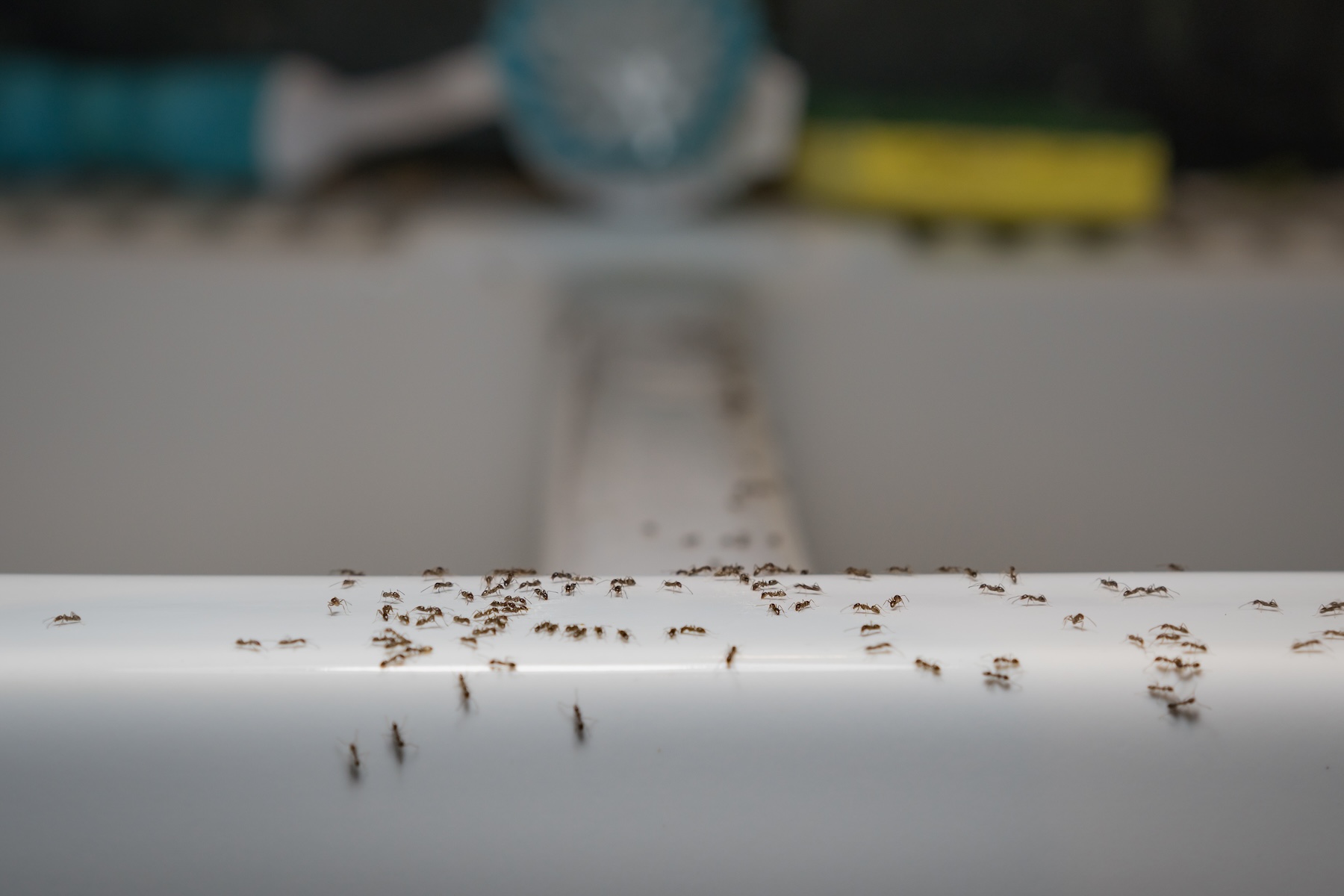
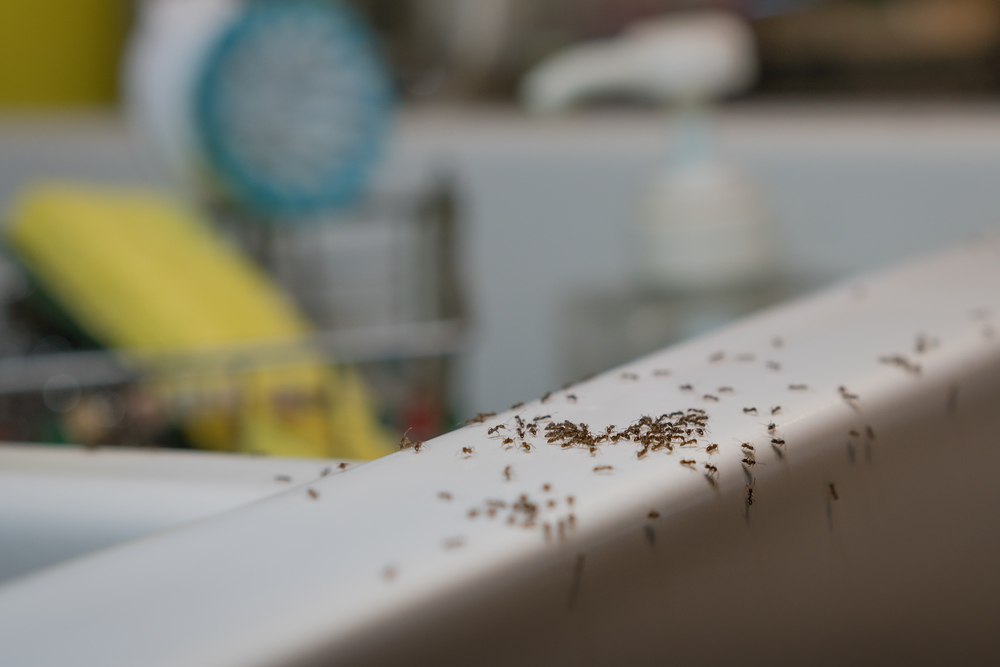
Small ants marching around your kitchen sink can quickly turn from a small nuisance into a real headache. You wipe the counters, clean the dishes, but somehow, these tiny invaders keep coming back. If you’re wondering how to get rid of small ants around your kitchen sink for good, you’re not alone.
Many people struggle with this problem, especially during warmer months or in humid climates. But the good news is, you can take control—and keep your kitchen ant-free—with the right strategies.
This guide will walk you through everything you need to know about why ants appear near your sink, how to eliminate them, and how to make sure they don’t return. You’ll learn about ant behavior, effective cleaning methods, safe ant-killing solutions, prevention tips, and even mistakes that often make the problem worse.
Whether you want natural remedies or commercial products, you’ll find practical steps that work. Let’s get started on making your kitchen a place for cooking—not for ants.
Why Small Ants Are Attracted To Your Kitchen Sink
It’s easy to blame poor cleaning for an ant problem, but even spotless kitchens can attract ants. These insects are drawn to certain things that are often found around sinks. Understanding what attracts ants is the first step to keeping them away.
Food Residues
Even small crumbs or drops of juice around the sink can lure ants. They have a keen sense of smell and can detect sweet or greasy food from a distance. The area around the sink is a common spot for food particles to collect, especially if you rinse plates before loading them into the dishwasher.
Standing Water
Ants need water to survive. A kitchen sink is often wet or damp, and even a few drops of water can keep ants coming back. Leaky faucets or wet sponges left near the sink add to the problem. If you see ants forming a line near your tap, they may be seeking moisture more than food.
Hidden Entry Points
Tiny cracks around the sink, gaps in the wall, or spaces under the countertop give ants easy access. They can fit through very small spaces you might not notice. Once inside, the sink area becomes a hub for their activity.
Nest Location
Sometimes, ants build nests inside wall voids, under the sink, or in nearby cabinets. This makes your kitchen sink a short walk from their home base. If you see ants even after cleaning, they might have a nest close by.
Key insight: Even homes without visible food can attract ants if there is moisture or easy entry. Regular cleaning is important, but blocking water and sealing cracks are just as vital.
Identifying The Type Of Small Ants
Not all small ants are the same. The most common types found near kitchen sinks are sugar ants, odorous house ants, and pharaoh ants. Knowing which ant you’re dealing with helps you choose the best method to eliminate them.
Sugar Ants
These ants are attracted to sweet foods and are often seen in kitchens. They are small, with black or brown bodies.
Odorous House Ants
When crushed, these ants emit a smell like rotten coconut. They prefer damp areas, making kitchen sinks a popular spot.
Pharaoh Ants
Pharaoh ants are tiny and yellowish. They can be hard to eliminate because they often split their colonies if disturbed.
Quick Ant Comparison
Here’s a simple way to compare the three common types:
| Ant Type | Color | Common Attraction | Unique Feature |
|---|---|---|---|
| Sugar Ant | Black/Brown | Sweet foods | Often seen in lines |
| Odorous House Ant | Dark Brown/Black | Moisture, sweets | Smells when crushed |
| Pharaoh Ant | Yellowish | Oily and sweet foods | Hard to eliminate |
If you’re unsure, try to observe the ants’ color, size, and behavior. You can also take a photo and compare it with images from an official pest control site.
Immediate Steps To Control Small Ants
When you notice ants around your sink, fast action can stop the problem from growing. Here’s what you should do right away:
- Remove all food and dishes from the area. Don’t leave dirty plates or food scraps in the sink.
- Wipe down counters and sink with soapy water. This removes scent trails that ants use to find food.
- Dry the sink and nearby surfaces. Use a clean towel to remove any standing water or moisture.
- Take out the trash. Even small food bits in the garbage can attract ants.
- Seal food items. Use airtight containers for sugar, snacks, and pet food.
- Check under the sink for leaks or standing water. Fix any plumbing issues.
- Block visible entry points. Use caulk or tape to close cracks and gaps.
Non-obvious insight: Ants leave a chemical trail (pheromones) for others to follow. Cleaning with ordinary water may not remove these trails. Use soapy water or vinegar for best results.
Deep Cleaning To Eliminate Ants
One-time cleaning is not enough. Ants can return if their trails or food sources remain. Deep cleaning removes what attracts them and makes your kitchen less inviting.
Step 1: Clean Sink Drains
Food debris often gets trapped inside sink drains. Scrub the drain with an old toothbrush and hot soapy water. Pour a mixture of baking soda and vinegar down the drain, then flush with boiling water. This removes residue and kills some ants inside.
Step 2: Clean Countertops And Cabinets
Move items away from the sink area. Clean all surfaces, even if they look spotless. Pay attention to the edges and corners where crumbs may hide.
Step 3: Wash Rags And Sponges
Wet sponges and cloths can attract ants. Wash them with hot water and let them dry completely before storing.
Step 4: Sweep And Mop Floors
Ants may start at the floor and climb up to the sink. Sweep up crumbs and mop with a mixture of water and vinegar.
Pro tip: Deep cleaning once a week prevents new ant infestations, even if you don’t see ants daily.

Credit: todayshomeowner.com
Natural Remedies To Get Rid Of Small Ants
If you want to avoid chemicals, there are safe and effective natural remedies for ant problems. Many of these use ingredients you already have at home.
1. White Vinegar Spray
Mix equal parts of white vinegar and water in a spray bottle. Spray it directly on ants and along their trails. Vinegar destroys scent trails and repels ants.
2. Lemon Juice
Squeeze fresh lemon juice around the sink, on counters, and near entry points. The acidity confuses ants’ sense of direction.
3. Baking Soda And Sugar Trap
Mix baking soda and powdered sugar in a 1:1 ratio. Place small amounts near where you see ants. The sugar attracts them, while the baking soda is fatal once eaten.
4. Cinnamon
Sprinkle ground cinnamon along baseboards and around the sink. Ants dislike the strong smell and will avoid the area.
5. Peppermint Oil
Soak cotton balls in peppermint essential oil and place them near entry points or in cabinets. This natural oil is a strong ant repellent.
6. Diatomaceous Earth (food Grade)
Sprinkle a thin layer under the sink or along ant trails. It’s safe for humans but deadly to ants because it dries out their bodies.
7. Dish Soap And Water Spray
Mix a few drops of dish soap with water in a spray bottle. Spray directly on ants to kill them quickly. It also removes their scent trail.
Non-obvious insight: Natural remedies work best when you remove the source of attraction (food/water). Alone, they may only push ants to a new spot.
Chemical Solutions And Ant Baits
Sometimes, natural methods are not enough, especially for large or persistent infestations. Chemical products can provide stronger control, but use them safely.
Ant Baits
Ant baits are one of the most effective solutions. They attract ants, which carry poison back to their nest. This kills the colony at the source.
- Place baits near the sink, under the cabinet, and along visible trails.
- Do not kill ants you see near the bait. Let them carry the poison back.
- Replace baits every few days until ants disappear.
Ant Sprays
Commercial ant sprays kill ants on contact. They’re useful for immediate relief but may not solve the problem long-term. Always follow label directions.
Gel Baits
Gel baits can be placed in cracks or under the sink. They are less visible than bait stations and target ants where they hide.
Granular Insecticides
Sprinkle granules around outside entry points or under the house. This stops ants from entering.
Safety Tips
- Keep chemicals away from food, children, and pets.
- Wear gloves when handling baits or sprays.
- Store products in their original packaging.
Data point: According to the National Pest Management Association, ant baits can reduce ant activity by up to 90% within two weeks if used correctly.
Sealing Entry Points And Preventing Re-entry
Removing ants is only half the battle. To prevent new infestations, you need to block their entry routes.
Inspect For Gaps
Check around windows, doors, pipes, and the backsplash behind your sink. Even tiny cracks can let ants inside.
Seal With Caulk
Use silicone caulk to fill gaps. It’s waterproof and long-lasting. Re-seal as needed, especially after plumbing work.
Weatherstripping
If ants come from windows or doors near your kitchen, install weatherstripping to close small openings.
Repair Leaks
Fix any plumbing leaks promptly. Even a slow drip under the sink can attract ants.
Example: If you notice ants appear after heavy rain, they may be escaping flooded nests outdoors. Sealing entry points is even more important in these cases.
Maintaining An Ant-free Kitchen
Once you’ve eliminated ants, it’s important to keep your kitchen clean and less inviting to pests. Consistency is the key.
Daily Habits
- Wipe down sinks and counters after each use.
- Sweep up crumbs and spills immediately.
- Store food in airtight containers.
- Rinse plates before placing them in the dishwasher.
- Don’t leave pet food out overnight.
Weekly Tasks
- Take out the trash regularly.
- Deep clean the area around and under the sink.
- Check for signs of new ant activity.
Seasonal Checks
- Inspect caulking and weatherstripping.
- Check for leaks or dampness.
- Monitor outdoor areas for ant nests near the house.
Non-obvious insight: Ants can switch food sources quickly. Even if your kitchen is clean, strong smells (like overripe fruit or grease in the trash) can attract them. Dispose of these quickly.
Credit: seacoastturfcare.com
When To Call A Professional Exterminator
Some ant problems require expert help. If you’ve tried the above steps and ants keep returning, or if the infestation is large, it’s time to call a professional.
Signs You Need Help
- Ants are present in multiple rooms.
- You see large numbers of ants daily.
- DIY methods don’t reduce the problem.
- You find ants inside electrical outlets or appliances.
- There are signs of structural damage (e.g., carpenter ants).
What To Expect
A professional will identify the ant species, locate the nest, and use targeted treatments. They may use stronger baits, sprays, or even dusts that are not available to the public. They will also advise on prevention.
Cost: The average cost for professional ant control ranges from $150 to $300, depending on the severity and location.
Example: If you live in a building with shared walls, ants may be nesting in areas you can’t reach. A professional can treat the whole structure.
Comparing Natural Vs. Chemical Ant Solutions
Choosing between natural and chemical methods depends on your situation. Here’s a direct comparison to help you decide:
| Method | Effectiveness | Safety | Cost | Speed |
|---|---|---|---|---|
| Natural Remedies | Good for small infestations | Very safe | Low | Moderate |
| Ant Baits (Chemical) | High, kills colonies | Safe if used properly | Moderate | Slow (1-2 weeks) |
| Ant Sprays | Immediate relief | Use with caution | Low-Moderate | Fast |
| Professional Treatment | Highest | Handled by experts | High | Varies |
Tip: Combine methods for best results. Use baits to kill colonies and natural sprays to disrupt scent trails.
Common Mistakes When Dealing With Ants
Many people accidentally make things worse when trying to get rid of ants. Avoid these mistakes:
- Killing ants near bait traps. This stops them from carrying poison back to the nest.
- Cleaning too soon after setting baits. Wait until ants stop coming.
- Using only sprays. Sprays kill visible ants but don’t affect the colony.
- Ignoring leaks or dampness. Ants need water as much as food.
- Not sealing entry points. Ants will keep returning if you don’t block their path.
Advanced Prevention: Outdoor Ant Control
Sometimes, ants around your sink are coming from outside. Treating the exterior of your home can prevent indoor problems.
Yard And Foundation Treatment
- Trim plants and bushes away from your house.
- Remove piles of wood, leaves, or debris near the kitchen wall.
- Pour boiling water into visible outdoor ant nests.
Outdoor Baits And Sprays
- Place ant bait stations around the foundation.
- Use a perimeter spray labeled for ants.
Maintain Gutters And Drains
Clogged gutters can lead to dampness near your kitchen wall, attracting ants. Clean gutters regularly and check for standing water.
Advanced tip: Sometimes, ants enter above ground level, such as through window frames or utility lines. Inspect all possible entry points.
Credit: whiteglovecleaner.com
How To Tell If The Ants Are Gone
It’s easy to miss a hidden nest or a few surviving ants. Here’s how to confirm that your methods worked:
- No visible ant trails for at least 7 days.
- No new ants around the sink, even after leaving a test crumb overnight.
- No more ants in cabinets or under the sink.
- Outdoor ant activity is also reduced.
If ants return: Repeat cleaning and baiting. Try a different bait type, as some ants can be picky. If you still have problems, consider professional help.
Frequently Asked Questions
What Household Products Can Kill Ants Instantly?
You can kill ants quickly with a spray made from water and dish soap. Mix two tablespoons of dish soap in a spray bottle of water and spray directly on ants. Vinegar also kills ants on contact, but it’s less effective than soap for immediate results.
Are Small Ants In The Kitchen Dangerous?
Most small kitchen ants, like sugar ants and odorous house ants, are not dangerous. They do not bite or carry diseases harmful to humans. However, they can contaminate food and signal a cleanliness or moisture issue.
How Long Does It Take To Get Rid Of Ants Around The Sink?
With proper cleaning and baiting, you can see a big reduction in ant activity within a week. Completely eliminating a colony may take up to two weeks. Persistent infestations may require several cycles of treatment.
Can I Use Bleach To Remove Ant Trails?
Yes, bleach can destroy ant scent trails. Mix a small amount with water and wipe down surfaces where you’ve seen ants. However, bleach has a strong smell and may damage some surfaces, so use it carefully and rinse well.
Where Can I Find More Information About Safe Pest Control?
For more detailed information about ant control and safe methods, visit the EPA’s Safe Pest Control page.
Getting rid of small ants around your kitchen sink is not just about killing the ones you see. It takes a mix of good cleaning, blocking entry, using the right remedies, and regular checks. With patience and the right steps, your kitchen can stay ant-free, safe, and enjoyable to use.
If you stay alert and act fast, small ant problems never have to become big ones.