
If you own an above ground pool, you know the importance of safe and easy entry and exit. Pool steps make swimming accessible for everyone, but sometimes you need to remove them—maybe for cleaning, repairs, winterizing, or replacing them with a better set.
The process may sound simple, but many pool owners find it more challenging than expected. Pool steps are heavy, slippery, and awkward to handle, especially when filled with water or sand for stability. If you’re facing this task for the first time, it helps to know what to expect and how to avoid common mistakes.
This guide will walk you through every step to get steps out of above ground pool safely and efficiently. You’ll find practical tips, real-life examples, and a few troubleshooting tricks that most beginners miss. Whether your steps are made of plastic, resin, or metal, and whether they’re held down by sandbags, water, or weights, you’ll learn exactly what to do, what tools you need, and how to keep your pool and yourself safe during the process.
Why Remove Steps From Your Above Ground Pool?
Removing pool steps is not something you do every day, but there are several good reasons for it. Let’s look at the most common situations:
- Deep Cleaning: Steps can trap dirt, algae, and leaves underneath or inside. Removing them lets you clean both the steps and the pool floor properly.
- Winterizing: Most pool owners take out steps before winter to prevent damage from freezing water and to make covering the pool easier.
- Maintenance: Steps can crack, fade, or get loose over time. Sometimes you need to repair or replace them.
- Resale or Storage: If you’re selling the pool or just storing the steps for a while, you’ll need to lift them out.
- Safety: Damaged or unstable steps can be dangerous. Removing them quickly prevents accidents.
Many people underestimate the weight and awkwardness of pool steps, especially after a season in the water. Knowing why you’re removing them helps you plan the right approach.
Understanding Your Pool Steps
Not all steps are built the same. Before you try to remove them, identify what type you have.
Types Of Above Ground Pool Steps
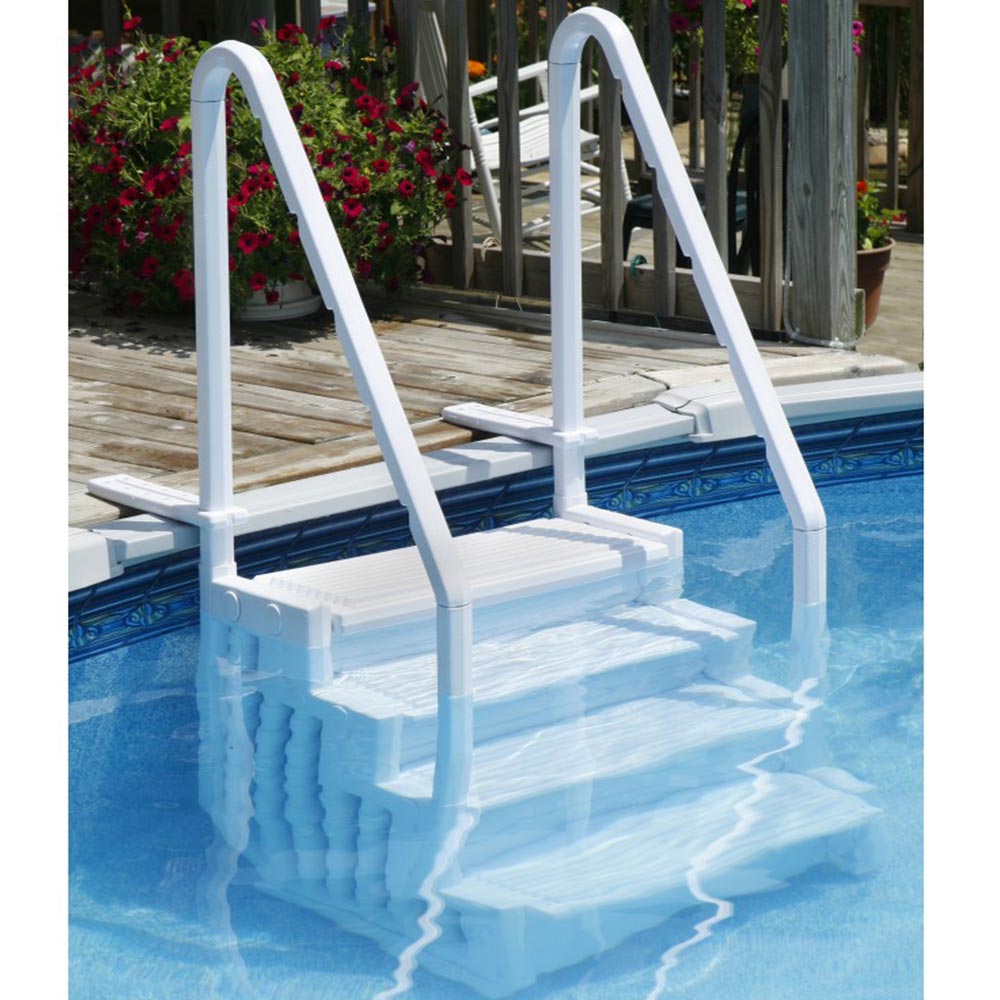
- Molded Plastic or Resin Steps: Lightweight when empty, but often filled with sand or water for stability.
- Metal Frame Steps: These usually have a steel or aluminum frame and plastic treads.
- A-Frame Ladders with Steps: Designed to sit partly inside and outside the pool.
- Drop-in Steps: Standalone units that rest on the pool floor, sometimes attached to the pool wall.
How Steps Are Weighted Down
Most pool steps won’t float because they’re held down by:
- Sandbags: Heavy but can rip or leak over time.
- Water-filled compartments: Some steps have chambers you fill with water for weight.
- External weights: Bricks or specialty pool weights placed inside or around the steps.
Understanding these details is essential. For example, if your steps are full of sand, you can’t just yank them out—you’ll need to remove the sand first.

Credit: www.youtube.com
Tools And Preparation
Jumping in without the right tools is a recipe for frustration. Here’s what you need for almost any pool step removal:
- Phillips and flathead screwdrivers
- Adjustable wrench or socket set
- Small bucket or scoop (for removing sand or water from steps)
- Utility knife (for cutting zip ties or tape)
- Work gloves (for grip and protection)
- Towels or tarps (to protect the pool liner and deck)
- Plastic bags (for holding sand if you remove it)
- Garden hose (to siphon water from weighted steps)
- Helper (not a tool, but often necessary)
If you’re not sure what your steps are filled with, check the manufacturer’s manual or website. Sometimes a quick search can save you hours.
Step-by-step Guide: How To Get Steps Out Of Above Ground Pool
Now let’s get into the process. These instructions cover the most common step designs and weight systems.
1. Assess The Situation
Before you touch anything, look at how your steps are installed. Are they attached to the pool wall? Are they held down by visible weights? Are there screws or bolts at the base? This quick inspection can save you headaches later.
- Check for any fasteners or clips.
- Look for damage or sharp edges.
- Note how deep the steps sit on the pool floor.
2. Remove Fasteners And Anchors
Most above ground pool steps are connected to the pool top rail or deck with screws, bolts, or straps.
- Use the appropriate screwdriver or wrench to remove all fasteners.
- Place screws and small parts in a cup or bag so you don’t lose them.
- If steps are strapped or zip-tied, cut the ties carefully.
Some steps might have a handrail bolted to the deck. Remove this as well.
3. Empty Out Sand Or Water Weights
This is where most people get stuck. Steps can weigh over 100 lbs when full of sand or water.
Sand-filled Steps
- Locate the fill cap (usually on the side or top of the step).
- Open the cap. Use a scoop or small cup to remove as much sand as possible.
- For stubborn sand, tilt the step slightly and tap it to loosen the sand inside.
- Place the sand in a heavy-duty plastic bag for later reuse or disposal.
Water-filled Steps
- Open the drain plug or cap.
- Insert a garden hose and start a siphon to speed up draining.
- Tilt the steps toward the plug to let water out fully.
External Weights
- Remove any sandbags, bricks, or specialty weights from around or inside the steps.
- Be careful—wet sandbags can break and spill sand into the pool.
Non-obvious tip: Always drain and remove weights before trying to lift the steps. Many beginners try to muscle out the steps with all the weight still inside, risking back injury or pool liner damage.
4. Protect The Pool Liner
Above ground pool liners are fragile. One sharp edge or heavy drag can cause a tear.
- Lay towels or a tarp on the pool floor in front of the steps.
- If you’re working alone, ask someone to help guide the steps as you move them.
- Never drag steps across the liner. Always lift and place them gently.
5. Lift The Steps Out
Now you’re ready for the main event.
- Stand inside the pool (if the water is clean and you’re comfortable).
- Grasp the sides of the steps firmly. If there are handholds, use them.
- With your helper, tilt the steps toward the pool wall.
- Carefully lift the steps up and over the pool wall or deck. Go slowly to avoid hitting the liner or top rail.
If the steps are too heavy, double-check for hidden sand or water pockets. Don’t force it—steps are much lighter when fully empty.
Experience-based insight: Some steps will “stick” to the pool floor due to suction. Wiggle them gently side to side as you lift to break the seal.
6. Place Steps On A Safe Surface
Once out, place the steps on a towel, tarp, or soft grass to prevent scratching or cracking.
- Inspect the steps for damage or algae growth.
- Wash with a garden hose and a gentle cleaner if needed.
- Allow steps to dry before storing.
7. Store Or Reinstall As Needed
If you’re winterizing, store the steps in a dry, shaded area to prevent sun damage. If you’re replacing or repairing, follow the manufacturer’s instructions for reinstallation.
Common Problems And How To Solve Them
Even with the best plan, things can go wrong. Here’s how to handle a few common challenges.
Steps Won’t Budge
- Check for hidden weights or sandbags you missed.
- Make sure all bolts and fasteners are removed.
- Try lifting from a different angle or with extra help.
Sand Or Water Won’t Come Out
- The fill hole may be clogged—poke gently with a stick or screwdriver.
- For water, tilt the step and shake it to break up clogs.
- If the sand is wet and packed, try leaving the steps in the sun for an hour to dry out, then try again.
Liner Sticks To Steps
- Slide a towel or sheet of plastic under the steps before lifting.
- Move the steps slightly side to side to break suction.
Steps Are Too Heavy To Lift
- Remove more sand or water if possible.
- Ask a second person for help.
- Use a dolly or cart if lifting over the wall isn’t possible.
Non-obvious tip: Never use a sharp tool (like a shovel) to pry up pool steps. This almost always leads to liner damage.
Safety Precautions
Lifting heavy, wet steps is not risk-free. Here’s how to stay safe:
- Wear non-slip shoes when working in or around the pool.
- Use gloves for a better grip and to protect your hands.
- If you have back issues, ask for help—don’t lift alone.
- Keep children and pets away from the pool during removal.
- Dry the deck area to prevent slips.
For winterizing, always remove steps before freezing temperatures. Ice can crack or warp plastic steps.
Credit: www.familypoolfun.com
Comparing Types Of Pool Steps And Removal Difficulty
Here’s a quick reference to help you know what to expect for different kinds of steps.
| Step Type | Common Weights Used | Ease of Removal | Risk to Liner |
|---|---|---|---|
| Plastic/Resin Steps | Sand, water | Moderate (when emptied) | Medium |
| Metal Frame Steps | Sandbags, external weights | Easy to Moderate | Low |
| A-Frame Ladders | Water, weights | Easy | Low |
| Drop-in Steps | Sand, bricks | Hard (if heavy) | High |
Mistakes To Avoid
Many first-timers damage their pool or injure themselves. Here are mistakes you can easily avoid:
- Forgetting to Remove Weights: Lifting steps before emptying them is the #1 cause of accidents.
- Dragging Steps: Always lift, never drag, to protect your pool liner.
- Working Alone: Heavy steps are safer to move with a partner.
- Missing Fasteners: Double-check for hidden bolts or straps.
- Not Protecting the Liner: Always lay down towels or tarps.
How To Clean Steps Before Storage
If you’re putting the steps away for the season, a little cleaning now saves you trouble later.
- Rinse steps with a garden hose to remove dirt and algae.
- Scrub with a soft brush and mild pool-safe cleaner.
- Rinse thoroughly—leftover chemicals can damage plastic or metal.
- Let steps dry completely before storing to prevent mold.
Non-obvious insight: Store steps indoors or under cover. Sunlight can make plastic brittle, and freezing temperatures can cause cracks.
Troubleshooting Table: Step Removal Issues
Here’s a handy reference for quick troubleshooting.
| Problem | Likely Cause | How to Fix |
|---|---|---|
| Steps won’t lift | Still weighted with sand/water | Empty weights fully, check for hidden compartments |
| Liner sticks to steps | Suction or algae growth | Gently wiggle, use towel/plastic underneath |
| Sandbags break | Old or weak material | Use double bags, replace sandbags yearly |
| Steps are slimy | Algae buildup | Clean with brush and pool-safe cleaner |
| Can’t find fill cap | Hidden or painted over | Check manual, look for seams or plugs |

Credit: www.amazon.com
When To Replace Your Pool Steps
Sometimes, removal is the perfect time to consider an upgrade. Here’s when you should think about buying new steps:
- Cracked or brittle plastic
- Rusty or corroded metal
- Loose or broken handrails
- Steps no longer fit your pool after a liner change
Modern pool steps are safer, lighter, and easier to remove than older models. If you’re struggling every year, it might be time to invest in a new set.
Real-world Example: Removing Heavy Resin Steps
Let’s say you have a set of heavy resin steps filled with 50 lbs of sand. You try to lift them but they won’t budge. You remove the top cap and scoop out as much sand as you can, but some is stuck in the bottom. Here’s what you do:
- Tilt the steps to one side inside the pool.
- Use a garden hose to flush water into the sand compartment. This loosens packed sand.
- Scoop out the loosened sand with a cup or siphon.
- Once empty, lift the steps out with your helper.
This trick saves your back and prevents pool liner tears.
Alternatives To Removing Steps
Sometimes, you may not need to remove the steps completely. Here are a few alternatives:
- Partial Removal: If only cleaning is needed, lift the steps just enough to clean underneath, then lower them back.
- On-Deck Storage: For winter, some people lift steps onto the deck and cover them with a tarp.
- Replacement with Lightweight Steps: If you struggle every year, switch to a lighter, easier-to-remove model.
If you’re not sure, check with your pool manufacturer for recommendations.
Pool Step Removal Checklist
Here’s a quick summary for reference:
- Inspect steps and pool area.
- Remove all fasteners and handrails.
- Empty sand, water, or external weights.
- Lay towels/tarps to protect liner.
- With help, lift steps out carefully.
- Place steps on a soft surface.
- Clean and dry before storage.
- Store in a dry, shaded place.
By following this order, you’ll avoid mess, damage, and injury.
Frequently Asked Questions
How Do I Know If My Pool Steps Are Filled With Sand Or Water?
Most modern pool steps have a fill cap or plug labeled “sand” or “water. ” Check the manufacturer’s instructions or look for a small cap on the side or top of the steps. If you’re still unsure, tap the step gently—a full step feels solid and heavy, while an empty one sounds hollow.
Can I Remove Pool Steps By Myself, Or Do I Need Help?
You can remove lightweight steps alone, but for any steps weighted with sand or water, it’s safest to have help. Lifting heavy steps alone increases the risk of injury or pool damage. Two people make the process smoother and safer.
What’s The Safest Way To Lift Steps Without Damaging The Pool Liner?
Always empty all weights first. Lay down towels or a tarp under the steps. Lift, don’t drag, and move slowly. If the steps stick, wiggle gently side to side to break suction before lifting completely.
Do I Need To Remove The Steps Every Winter?
Yes, in most climates, you should remove pool steps for winter. Freezing water can crack plastic, and steps left in place make it harder to cover the pool. Store steps indoors or under cover to extend their life.
Where Can I Find More Information On Above Ground Pool Maintenance?
For more detailed guidance, visit the SwimmingPool.com Maintenance Guide. They offer expert advice on all aspects of pool care.
Removing above ground pool steps might seem like a big job, but with the right approach, it’s manageable and safe. Take your time, follow these steps, and you’ll keep your pool in top shape season after season.