
Lighting a Furrion oven can seem tricky at first, especially if you’re new to RV appliances or have just upgraded to this brand. The process is different from lighting a home oven, and the first attempt can sometimes feel stressful. But once you understand the steps, it’s safe, simple, and quick. This guide will give you practical, step-by-step instructions on how to light your Furrion oven, explain how the system works, and offer troubleshooting advice if things don’t go as planned. Along the way, you’ll get clear safety guidance, expert tips, and answers to common questions—so you can cook with confidence, whether you’re on the road or at a campsite.
Why Furrion Ovens Are Different
Many RV owners are surprised by how Furrion ovens work. Unlike standard home ovens that often use electronic ignition and have an always-ready pilot, most Furrion models use a manual lighting process. This is because RVs are designed for efficiency, safety, and low power usage. The oven runs on propane, and the ignition system is mechanical, not fully automatic. This design protects your battery and ensures reliable performance, even when you’re off-grid.
One important difference is that Furrion ovens require you to light a pilot flame every time you use the oven. This small flame stays on only while you’re baking, then shuts off when you turn off the oven. The stovetop burners, however, usually have a spark ignition, so the method is not the same for all parts of the appliance.
Understanding this difference helps you avoid common mistakes, like searching for an “oven igniter button” or thinking the oven is broken if it doesn’t light itself.
Safety First: Precautions Before You Start
Before you try to light your Furrion oven, always follow these safety guidelines:
- Ventilate the area: Open a window or vent. Propane is heavier than air and can build up if there’s a leak.
- Check for gas leaks: If you smell gas, do not try to light the oven. Shut off the propane supply and investigate.
- Know where your fire extinguisher is: Always keep it close when working with any open flame.
- Turn off all controls: Make sure all oven and stovetop knobs are in the ‘OFF’ position before you begin.
- Read your manual: Each Furrion model has slight differences. If you have your manual, keep it handy.
Many new RV owners overlook the importance of ventilation. Even a small amount of propane in a closed space can be dangerous. Taking these extra seconds will help you avoid accidents.
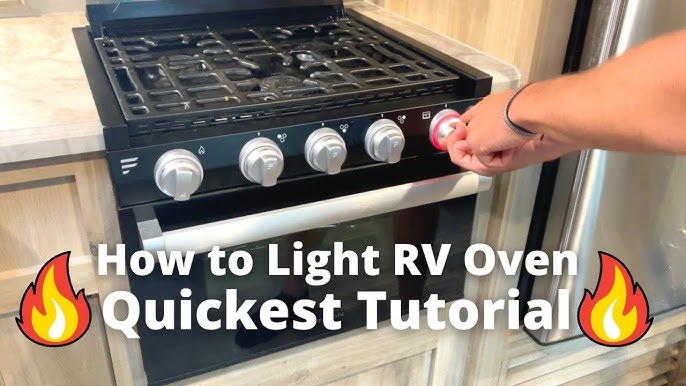
Credit: www.youtube.com
Getting To Know Your Furrion Oven: Key Parts
Understanding your oven’s design makes lighting it much easier. Here are the main parts you’ll use:
- Oven control knob: This is usually labeled “Oven” or has a flame symbol. It controls the flow of gas.
- Pilot assembly: Located at the back and bottom of the oven. This is where the flame appears when you light the oven.
- Thermocouple: A small metal sensor next to the pilot flame. It detects heat and keeps the gas flowing only when a flame is present.
- Ignition system: Some Furrion ovens have a manual igniter button (a red or black button that clicks), while others require a match or lighter.
Furrion ovens are built for reliability, but knowing these parts helps you troubleshoot issues if the oven doesn’t light right away.
Essential Tools And Supplies
You won’t need much to light a Furrion oven, but having a few items ready will make things easier:
- Long-reach lighter or long wooden match
- Flashlight (helpful for seeing the pilot area)
- Oven mitt (for safety)
- Small mirror (optional, for viewing the pilot if it’s hard to see)
A long-reach lighter is safer than a regular match because your hand stays farther from the flame. Some people use a mirror to help see the pilot assembly, especially in dim lighting or small oven spaces.
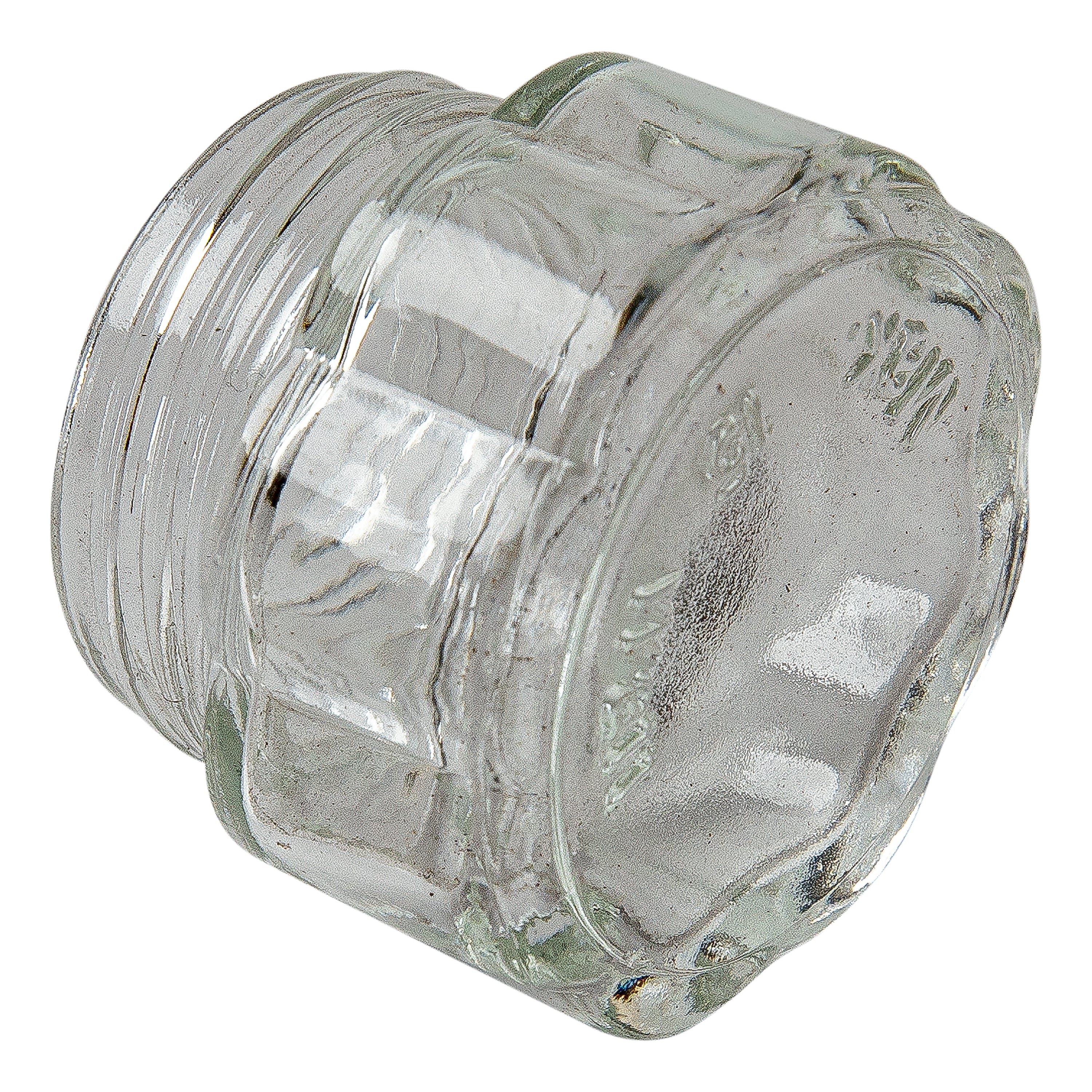
Credit: furrion.com
Step-by-step: How To Light Your Furrion Oven
Lighting your Furrion oven is a simple process once you know the steps. Here’s a practical guide:
1. Make Sure Propane Is On
Go outside your RV and check that the propane tank valve is open. If you’ve just changed tanks or haven’t used propane appliances in a while, there may be air in the lines. Turn on a stovetop burner for a few seconds to clear the air and make sure propane is flowing.
2. Prepare The Oven
Open the oven door and remove the oven rack if it’s in the way. Using your flashlight, locate the pilot assembly at the back of the oven floor. This is a small metal tube with a hole or slot, often with a thermocouple next to it.
3. Set The Oven Knob
Turn the oven control knob to the “Pilot” position or the flame symbol (usually the lowest setting). Press and hold the knob down. This starts the flow of gas to the pilot assembly.
4. Ignite The Pilot
If your oven has a manual igniter button (often red or black), press it several times while still holding the oven knob down. You should hear a clicking sound. If your oven does not have a button, carefully insert the flame from your long-reach lighter or match next to the pilot assembly while holding the knob down.
Watch for a small blue flame. It may take a few seconds for gas to reach the pilot. Keep holding the knob down for another 10-20 seconds after you see the flame. This allows the thermocouple to heat up and keep the gas flowing.
5. Release And Set Temperature
After 10-20 seconds, slowly release the oven control knob. The pilot flame should stay lit. If it goes out, repeat the previous step, holding the knob down a bit longer. Once the pilot is stable, turn the oven knob to your desired cooking temperature.
You’ll hear the main burner ignite with a “whoosh” sound. The oven will now heat up and hold the set temperature.
6. Close The Door And Preheat
Close the oven door and allow the oven to preheat for 10-15 minutes, depending on your recipe. You’re now ready to cook.
7. Turning Off The Oven
When finished, turn the oven control knob to the “OFF” position. The main burner and pilot flame will both go out. Turn off the propane supply if you’re not using any other appliances.
A Quick Look: Furrion Oven Lighting Steps Comparison
Different Furrion models might have small differences. Here’s a quick comparison of the two main types you might find:
| Model Type | Ignition Method | Special Feature |
|---|---|---|
| Standard Furrion Oven | Manual (lighter/match) | Simple, reliable design |
| Furrion with Piezo Igniter | Push-button spark | No lighter needed |
Check your oven for a push-button. If it’s there, try it first. If not, use a lighter. The basic process is the same for both.
Common Problems And How To Fix Them
Most Furrion ovens work well, but sometimes you may run into issues. Here are the most frequent problems and solutions:
Pilot Flame Won’t Light
- Possible causes: Air in the gas line, propane tank empty, pilot orifice clogged, faulty thermocouple
- Fixes: Purge air by lighting a stovetop burner first. Make sure propane tank is full. Clean the pilot with a soft brush. If the thermocouple is faulty, it may need replacing.
Pilot Flame Goes Out When You Release The Knob
- Possible causes: Not holding the knob down long enough, thermocouple not getting hot, weak gas flow
- Fixes: Hold the knob down for 20-30 seconds. Make sure the pilot flame is strong and blue, not weak or yellow. If weak, clean the pilot or check propane supply.
Main Burner Doesn’t Ignite After Lighting Pilot
- Possible causes: Oven knob not turned to temperature, faulty thermostat, blockages
- Fixes: Double-check the oven knob position. Listen for the “whoosh” sound. If the burner doesn’t light, turn everything off, wait a few minutes, and try again. If the problem continues, consult your manual or a technician.
Pilot Flame Flickers Or Is Yellow
- Possible causes: Dirty pilot, low propane pressure, air in line
- Fixes: Clean the pilot orifice. Check propane tank level and regulator.
Many beginners miss the importance of a strong, blue pilot flame. A yellow or weak flame usually means there’s a problem with gas flow or cleanliness.
How The Furrion Oven Ignition System Works
Understanding what’s happening inside your oven helps you troubleshoot and maintain it better. Here’s a quick summary:
- When you press and hold the oven knob, you open a small gas valve to the pilot assembly.
- Lighting the pilot creates a small flame that heats the thermocouple.
- The thermocouple is a safety device. It senses heat and keeps the gas valve open only if there’s a flame.
- Once hot, the thermocouple sends a signal to the valve, allowing gas to flow to the main burner when you select a temperature.
- If the pilot goes out, the thermocouple cools and the gas valve closes—preventing leaks.
This safety design is why it’s important to hold the oven knob down for several seconds when lighting. If you release it too soon, the thermocouple isn’t hot enough, and the gas shuts off.
Tips For Reliable Lighting Every Time
Lighting a Furrion oven gets easier with practice. Here are some practical tips:
- Purge the lines: If you haven’t used your RV in a while, always purge the propane lines by lighting a stovetop burner first. This removes air pockets that can block gas flow.
- Use a windproof lighter: A windproof or torch-style lighter is more reliable than a match, especially outdoors or in a breezy RV.
- Clean the pilot regularly: Dust, crumbs, and grease can clog the pilot assembly. Clean it every few months with a soft brush.
- Check your propane supply: Low propane can cause weak flames or prevent ignition.
- Listen for the flame: Sometimes the oven lights but the flame is hard to see. Listen for the faint “pop” or “whoosh” when the burner ignites.
A non-obvious insight: Even a tiny bit of dust or food near the pilot can prevent reliable lighting. Many people never think to clean this area, but it’s an easy fix for most lighting problems.
How To Maintain Your Furrion Oven For Easy Lighting
Good maintenance makes lighting your oven easier and extends its lifespan. Here’s what you should do regularly:
- Wipe the oven floor: Crumbs and spills near the pilot can block gas flow. Clean after every few uses.
- Inspect the thermocouple: Make sure it’s straight and close to the pilot flame. If bent or dirty, the oven may not stay lit.
- Test your lighter: Always have a backup lighter with fresh fuel.
- Check gas connections: Inspect hoses and fittings for leaks with a soap-and-water solution. Bubbles mean a leak.
- Schedule annual service: Have a professional check your oven and propane system once a year, especially if you use your RV often.
A well-maintained oven lights faster and uses less propane. It’s also safer for you and your family.
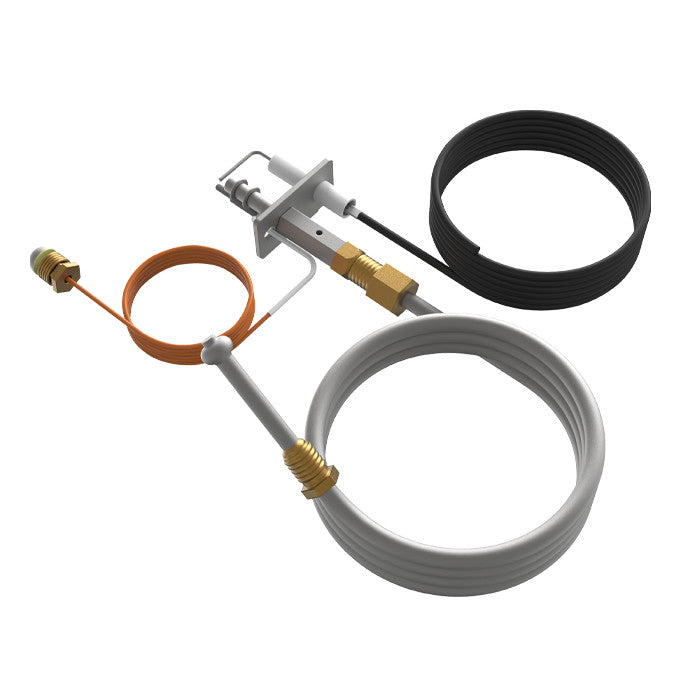
Credit: furrion.com
Furrion Oven Vs. Other Rv Ovens: What’s Unique?
Not all RV ovens work the same way. Here’s how Furrion compares to other popular brands:
| Brand | Pilot Lighting | Ignition System | Special Features |
|---|---|---|---|
| Furrion | Manual (with or without igniter) | Push-button or lighter | Modern design, efficient |
| Suburban | Manual | Lighter or match | Simple, rugged |
| Atwood | Manual | Lighter or match | Older models, fewer features |
Furrion ovens stand out for their modern look and efficient use of propane. The ignition process is similar to Suburban and Atwood, but Furrion models often have a sleeker control panel and better insulation, which means faster preheating and more even baking.
Cooking With Your Furrion Oven: Getting The Best Results
Now that you know how to light your oven, here are some tips for better cooking:
- Always preheat: Furrion ovens need 10-15 minutes to reach temperature. Skipping preheating leads to uneven baking.
- Use an oven thermometer: The built-in thermostat can be off by 25-50°F. Place a small thermometer inside for accurate results.
- Rotate your food: Heat is strongest at the back of the oven. Halfway through baking, turn your tray for even results.
- Use light-colored pans: Dark pans absorb more heat and can burn food on the bottom.
- Try a pizza stone: Placing a pizza stone on the oven rack can help even out heat and prevent burning.
A common mistake: Many beginners forget to rotate their food. RV ovens are smaller and can have hot spots, so a quick turn halfway through makes a big difference.
What To Do If Your Oven Still Won’t Light
If you’ve followed all the steps and your Furrion oven still won’t light, try these troubleshooting steps:
- Double-check propane levels and that the tank valve is open.
- Purge air from the lines by running a stovetop burner for 1-2 minutes.
- Inspect the pilot assembly for dust, grease, or food residue.
- Check the thermocouple position. It should be right next to the pilot flame.
- Test another propane appliance to confirm gas flow.
- Look for error lights or unusual smells. If you notice either, shut off gas and seek help.
If problems continue, contact a certified RV technician. Working with propane systems can be dangerous if you’re unsure.
Helpful Resources And Where To Learn More
For more detailed guides, you can visit the official Furrion support website or trusted RV forums. If you want to read more about propane safety in RVs, check the National Fire Protection Association. They offer free resources and safety checklists for RV owners.
Frequently Asked Questions
How Often Should I Clean The Pilot Assembly In My Furrion Oven?
It’s a good idea to clean the pilot assembly every few months, or whenever you notice problems lighting the oven. Dust, crumbs, and grease are the main culprits. Use a soft brush or a can of compressed air to gently remove debris.
Can I Use My Furrion Oven While Driving My Rv?
It’s not safe to use any propane appliance, including the oven, while driving. Sudden stops or vibrations can lead to gas leaks or fire. Always turn off all propane appliances and the main supply before moving your RV.
Why Does My Furrion Oven Sometimes Make A Popping Sound When Lighting?
A small “pop” or “whoosh” is normal when the main burner ignites. If you hear loud bangs or smell gas before lighting, turn off the oven and check for leaks or blockages. Delayed ignition can be caused by air in the line or a dirty pilot.
Do I Need A Special Pan Or Tray For My Furrion Oven?
Furrion ovens are smaller than home ovens, so use pans that fit easily with space around them for airflow. Avoid oversized trays, which can block heat. Light-colored or aluminum pans give the best results. A pizza stone can help distribute heat evenly.
What Should I Do If The Oven Pilot Won’t Stay Lit?
First, make sure you’re holding the oven knob down long enough (at least 20 seconds). Check that the flame is strong and blue. If the pilot still won’t stay lit, clean the pilot assembly and check the thermocouple. If problems continue, call a professional.
Lighting your Furrion oven is a skill that gets easier with each use. With the right technique, regular maintenance, and a little patience, you’ll enjoy baking, roasting, and cooking in your RV—no matter where your travels take you. By following these steps and tips, you’ll get safe, reliable performance and delicious meals every time.