
Many people love the taste of food cooked on a gas grill. It’s fast, clean, and simple. But sometimes, your grill just doesn’t get hot enough. Maybe your steaks are pale instead of sizzling brown. Or your burgers take forever to cook.
If you want those deep sear marks and a real grilled flavor, you need serious heat.
Getting a gas grill hotter is not as simple as turning a knob. There are real science and practical steps behind it. This guide explains how to make a gas grill hotter, why heat matters, and gives you expert tips to reach higher temperatures safely.
You’ll learn which parts to check, how to avoid common mistakes, and what upgrades work best. Whether you’re a weekend griller or want to master high-heat cooking, you’ll find the answers here.
Why Your Gas Grill Isn’t Hot Enough
Before you try to fix the problem, you need to know what causes it. Many people blame their grill or the gas, but there are many possible reasons.
Common Causes Of Low Heat
- Clogged burners: Grease, rust, or insects can block gas flow.
- Low gas pressure: A nearly empty propane tank or a weak regulator means less flame.
- Faulty or dirty regulator: The regulator controls how much gas reaches the burners.
- Improper preheating: Not giving your grill enough time to heat up.
- Leaking gas lines: Even small leaks reduce pressure.
- Poor weather conditions: Wind, cold, or rain steals heat from your grill.
- Grill design limits: Some grills simply can’t reach very high temperatures.
Signs Your Grill Isn’t Hot Enough
- Food takes longer to cook than recipes say.
- You can hold your hand over the grates for more than 5 seconds.
- Steaks do not brown or sear quickly.
- Thermometer reads much below 500°F during preheating.
Knowing the cause helps you choose the right solution. Sometimes, it’s a single problem. Other times, it’s a mix of issues.
How Hot Should A Gas Grill Get?
For most grilling, you want to reach at least 500°F (260°C). For searing, some chefs go up to 600°F (316°C) or more. Most home gas grills can hit 450–550°F with all burners on high. But many users find their grills max out at 350–400°F.
Ideal Temperatures For Common Foods
- Steaks (sear): 550–650°F
- Burgers: 450–500°F
- Chicken (direct heat): 400–500°F
- Vegetables: 400–450°F
- Pizza: 550–700°F (for real crisp crust)
If your grill can’t reach these numbers, you’ll notice a difference in taste, texture, and appearance.
Step-by-step: How To Make Your Gas Grill Hotter
Let’s go through the best ways to increase your gas grill’s heat. Start with the basics, then move to more advanced upgrades.
1. Check Your Fuel Supply
A weak flame often comes from not enough gas. This is the easiest thing to check.
- Propane tank: Lift the tank. If it feels light, it’s probably low. You can also pour hot water down the side — the tank will feel cool where there’s still liquid propane.
- Natural gas: Check the gas line valve is fully open.
- Replace empty tanks or refill before each grilling session.
Non-obvious insight: Even “almost empty” tanks can cause weak flames before they run out. Swap tanks at 10–20% remaining for best results.
2. Clean The Burners Thoroughly
Burners collect grease, dust, and even spider webs. These block gas flow and reduce heat.
- Turn off the gas. Remove grates and flavorizer bars.
- Use a wire brush or grill cleaner to scrub burner holes.
- Use a pipe cleaner or small brush to clean inside the burner tubes.
- Reinstall carefully, making sure burners line up with control valves.
Expert tip: Clean burners at least twice per grilling season. Insects love to nest in burners during storage.
3. Fix Or Replace The Regulator
The regulator is the round metal part attached to the gas hose. It lowers pressure from the tank to a safe level for your grill. Regulators can fail or get clogged with oil and dust.
- If you hear a hissing sound or see low flame, test by switching to a new regulator ($10–$20).
- Never try to repair a regulator. Always replace with the correct model for your grill.
Common mistake: Many people ignore regulators until they fail completely. If your grill is older than 5 years, consider changing the regulator as preventive maintenance.
4. Look For Gas Leaks
Leaks reduce pressure and can be dangerous.
- Mix water and dish soap in a spray bottle.
- Turn on the gas (but do not light the grill).
- Spray connections and hoses. Bubbles mean a leak.
- Tighten connections or replace cracked hoses.
Safety note: Never use a grill with a known leak.
5. Preheat Properly
A gas grill needs time to heat up. Many people start cooking too soon.
- Open the lid.
- Turn all burners to high.
- Close the lid for 15–20 minutes.
- Use a built-in thermometer or an oven thermometer on the grates.
Practical tip: In cold weather, give your grill extra time. Cold metal takes longer to heat.
6. Use A Grill Cover Or Wind Block
Wind can steal heat from your grill, especially in open backyards or on balconies.
- Place your grill near a wall or use a moveable wind block.
- Avoid grilling in heavy wind or rain.
- Use the grill’s lid as much as possible.
Example: A windy day can drop grill temperature by 50–100°F, even with all burners on high.
7. Upgrade The Grill Grates
Heavy grates hold and transfer more heat to food. Cheap, thin grates lose heat quickly.
- Upgrade to cast iron or thick stainless steel grates.
- Season new cast iron grates with oil before first use.
- Clean after each use to prevent rust.
Non-obvious insight: Thicker grates help food sear faster, even if the air temperature is not super high.
8. Remove Grease And Debris
Grease and ash build up below the burners and block heat flow.
- Empty and clean the grease tray regularly.
- Brush out ash and debris.
- Use a vacuum for hard-to-reach spots.
Pro tip: Clean the bottom of your grill every 5–10 uses. A clean grill heats up faster and cooks more evenly.
9. Adjust The Air Shutter
Most burners have an air shutter where the burner meets the control valve. This controls the mix of gas and air.
- If the flame is yellow and weak, open the air shutter more for a blue, stronger flame.
- If the flame blows out easily, close the shutter a bit.
- Adjust with a screwdriver and test while the grill is running.
Warning: Make small changes. Too much air makes flames unstable.
10. Check Venturi Tubes
Venturi tubes mix gas and air before it reaches the burners. They can get blocked by dirt or insects.
- Remove burners and inspect tubes.
- Clean out any debris with a pipe cleaner.
- Make sure tubes are aligned with control valves.
Expert insight: Even a small spider web can cut grill heat by half.
11. Replace Weak Or Damaged Burners
Burners wear out over time. Rust holes or cracks cause uneven heat.
- Inspect for rust, cracks, or strange flame patterns.
- Replace with the same model or manufacturer’s part.
- Stainless steel burners last longer than standard steel.
Cost: Most burners cost $20–$40 to replace.
12. Use A Heat Retention Plate Or Stone
A ceramic heat plate or pizza stone holds heat and distributes it evenly.
- Place on top of the grates or directly above the burners.
- Preheat with the grill.
- Food will sear better and cook more evenly.
Practical example: For pizza, a stone can raise surface heat by 100°F.
13. Upgrade The Regulator For More Pressure (advanced)
Some regulators limit pressure for safety. Advanced users can upgrade to a higher-flow regulator.
- Check your grill’s manual for maximum allowed pressure (often 11” WC for propane).
- Buy a high-pressure regulator if your grill supports it.
- Never exceed manufacturer’s specs.
Warning: This is for experienced users only. Too much pressure is dangerous.
14. Reduce The Cooking Surface Area
If you only need to cook a few items, use less of the grill.
- Turn on only the burners you need.
- Push food to the hottest part (usually center or back).
- Cover unused parts with foil to reflect heat.
Non-obvious tip: Focusing heat on a smaller area makes that spot much hotter.
15. Use Foil To Reflect Heat
Lining the grill walls or under the grates with aluminum foil can bounce heat back up.
- Do not block burner holes or vents.
- Replace foil if it gets greasy or dirty.
Caution: Too much foil can block airflow and cause flare-ups.
16. Grill With The Lid Down
Cooking with the lid closed traps heat and increases temperature.
- Use the lid for all preheating and searing.
- Open only when flipping or checking food.
Example: With the lid down, most grills reach 100–150°F higher than lid-up.
17. Use Infrared Burner Upgrades
Some high-end grills offer infrared burners. These get much hotter than standard burners.
- Replace or add an infrared burner for searing.
- Infrared can reach 900–1000°F in minutes.
- Great for steaks and pizza.
Cost: Aftermarket infrared kits start around $100.
18. Replace Or Calibrate The Thermometer
Built-in thermometers can be wrong by 50–100°F.
- Use a reliable oven thermometer on the grates.
- Replace broken lid thermometers.
- Calibrate by boiling water (should read 212°F at sea level).
Pro tip: Always measure grill temp at the grates, not at the lid.
19. Upgrade To A High-btu Grill
If you’ve tried everything and your grill is still weak, it may be time for a new one.
- Look for grills with higher BTU ratings (British Thermal Units).
- More BTUs usually means more heat, but also check grill size.
- Compare BTUs per square inch for a fair test.
Here is a comparison of popular gas grills and their BTU output per square inch:
| Grill Model | Total BTUs | Cooking Surface (sq in) | BTU per sq in |
|---|---|---|---|
| Weber Genesis II E-315 | 39,000 | 513 | 76 |
| Napoleon Rogue XT 425 | 42,000 | 425 | 99 |
| Char-Broil Performance 475 | 36,000 | 475 | 76 |
| Broil King Baron S490 | 44,000 | 444 | 99 |
20. Use The Right Cooking Techniques
Sometimes, better technique can make up for lower heat.
- Let meat come to room temperature before grilling.
- Pat food dry to avoid cooling the grates.
- Use a two-zone fire: One side hot, one side cooler.
- Sear first, then finish on the cooler side.
Example: Even with a 450°F grill, you can get great sear marks by drying steaks and using the hottest spot.
Comparing Gas Grill Heat: What Matters Most
Not all gas grills are created equal. Even two grills with the same BTUs can perform very differently. Here’s a look at what truly affects your grill’s heat:
| Factor | Effect on Heat | What to Check |
|---|---|---|
| Burner Quality | Even heat, fewer cold spots | Material, rust, size |
| Grate Thickness | More searing power | Cast iron vs. thin wire |
| Lid Seal | Heat retention | Fit, warping, insulation |
| BTU Output | Maximum possible heat | BTU per sq in |
| Preheat Time | Faster cooking | 20–30 minutes recommended |
Two key insights:
- Surface temperature (at the grates) matters more than air temperature or BTU rating alone.
- Proper maintenance can make an average grill perform like a high-end model.

Credit: www.youtube.com
Avoid These Common Mistakes When Trying To Get More Heat
Many grill owners make errors that actually make things worse. Here’s what to watch out for:
- Never block burner vents with foil, pans, or food. This can cause dangerous gas buildup.
- Do not use the wrong regulator or make DIY modifications unless you’re sure it’s safe.
- Don’t overload the grill with cold food. This drops the temperature.
- Avoid cooking with the lid open unless using direct, quick-heat methods.
- Don’t ignore regular cleaning. Grease fires and blockages reduce heat and can be dangerous.
- Do not store your grill in damp places. Moisture leads to rust and weak flames.
- Never use gasoline or lighter fluid on a gas grill. It’s unnecessary and unsafe.
Practical tip: Always read your grill’s manual before making upgrades. Not all grills support every fix.
When Is It Time To Replace Your Grill?
If your grill is over 8–10 years old, rusted, or has repeated performance issues, it may be more cost-effective to buy a new one. Signs you need a new grill:
- Burners cannot be replaced and are heavily rusted.
- Body or lid is warped, cracked, or can’t hold heat.
- Regulators and hoses are constantly failing.
- Major parts are no longer available.
Modern grills are more efficient, safer, and often easier to clean. Investing in a new model can save money and frustration in the long run.
Advanced Upgrades For Maximum Heat
If you want to push your grill to the limit (for pizza, steakhouse searing, or high-volume cooking), consider these expert upgrades:
High-power Sear Stations
Some premium grills offer a dedicated sear station with extra burners or infrared technology. These can reach 800–1000°F in minutes.
- Sear stations are perfect for thick steaks and crispy crusts.
- Add-on sear burners are available for many grill brands.
Insulation Blankets
Specialized grill blankets or covers trap heat, especially in cold climates.
- Made from fireproof materials.
- Fit snugly around the lid and body.
Example: Using an insulation blanket can raise grill temperature by 50–100°F in winter.
Custom Burner Upgrades
Aftermarket stainless steel or ceramic burners last longer and give more even heat.
- Look for models designed for your grill.
- Upgrade when replacing old or rusted burners.
Expert insight: Stainless steel burners resist corrosion and last 2–3 times longer than standard steel.
Digital Temperature Controllers
For the most precise control, add a digital temperature controller. These are common on pellet grills, but available for gas grills too.
- Controls burner output for steady, high heat.
- Some models connect to your smartphone.
Cost: $50–$200 for most models.
Real-world Results: What To Expect
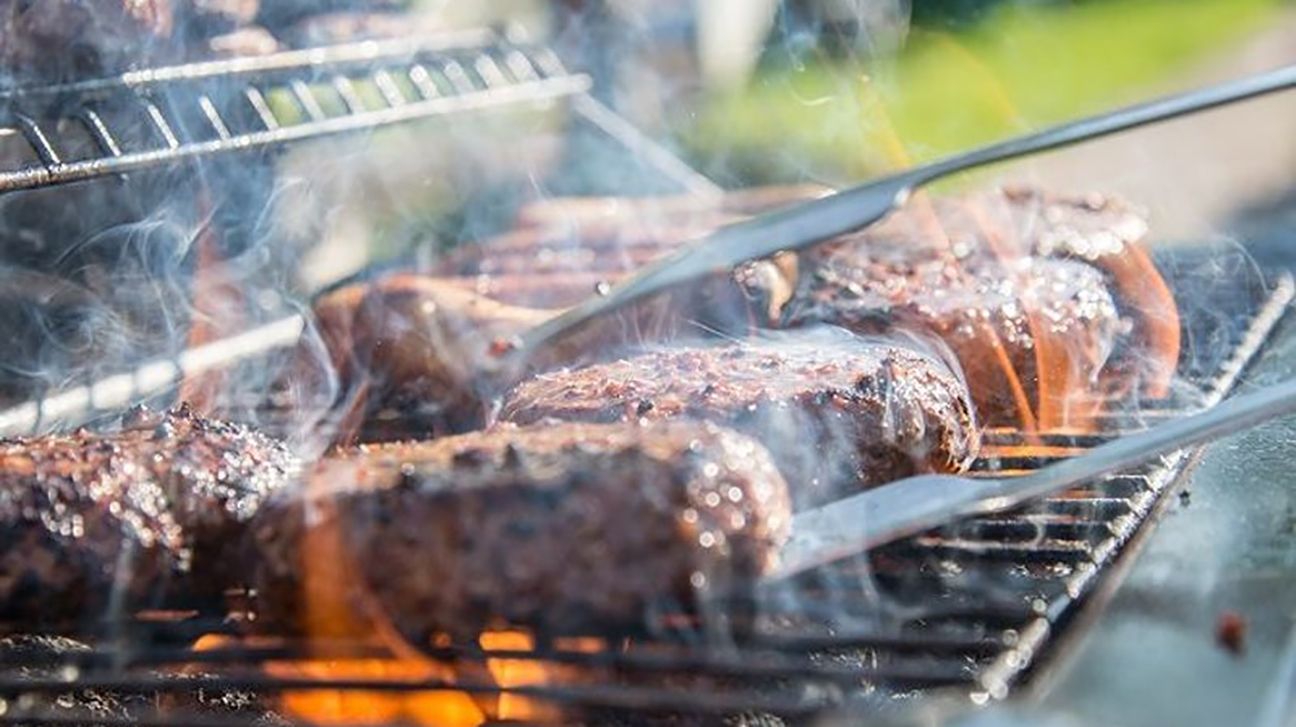
With proper cleaning, maintenance, and upgrades, most gas grills can reach 500–600°F easily. Aftermarket parts and better technique can push some grills higher. However, every grill has a practical limit based on design and safety.
Example: A 3-burner, 40,000 BTU grill, well-maintained, can sear steaks at 600°F and bake pizza at 550°F with a stone.
You’ll notice:
- Faster preheating and cooking times.
- Better browning and sear marks.
- Juicier, more flavorful food.
Credit: greatist.com
Safety First: High Heat And Gas Grills
Getting more heat is great, but safety comes first.
- Always check for leaks after any modification.
- Never leave a grill unattended at high heat.
- Keep a fire extinguisher nearby.
- Use proper grilling gloves and tools.
- Store propane tanks outside, away from heat sources.
If you notice strange smells, hissing, or yellow flames after upgrades, turn off the grill and check for problems before using again.
Frequently Asked Questions
What Is The Hottest Temperature A Gas Grill Can Reach?
Most home gas grills can reach 500–650°F with all burners on high. Some premium or infrared models can go up to 900–1000°F. Actual temperature depends on grill design, BTU output, and maintenance.
Why Does My Grill Get Hot Only In The Middle?
This is usually due to uneven burners, clogged ports, or thin grates. Heat collects where burners work best or where the grill’s shape focuses heat. Clean or replace burners, upgrade grates, and use a heat retention plate for better results.
Is It Safe To Modify My Gas Grill For More Heat?
Most minor upgrades (new grates, cleaning, replacing regulators) are safe if you follow the manual. Never exceed the recommended pressure or block vents. For big upgrades, talk to the manufacturer or a gas professional.
How Do I Know If My Regulator Is Bad?
A bad regulator causes weak flames, low heat, or hissing sounds. Try replacing with a new one. If heat improves, the old regulator was the problem. Regulators should be replaced every 5–7 years.
Can I Convert My Propane Grill To Natural Gas For More Heat?
Some grills support conversion kits, but natural gas usually burns cooler than propane. You’ll need the right kit and must follow safety codes. For most users, sticking with propane gives hotter flames and easier transport.
For more grilling facts and safety guidelines, check resources like the Wikipedia Gas Grill Guide.
Grilling is about enjoyment and taste. With these steps and insights, you’ll make your gas grill hotter, cook better food, and impress your guests every time. Remember, the key to high heat is not just more gas, but smart maintenance and technique.
Happy grilling!
Credit: greatist.com