
Starting a small kitchen garden is a rewarding project that turns unused corners of your home into a source of fresh, tasty produce. Imagine picking crisp lettuce, fragrant herbs, or juicy tomatoes just steps from where you cook. A kitchen garden doesn’t need a large backyard or expensive tools.
Even with limited space, you can enjoy homegrown vegetables and herbs. This guide covers everything you need to know, from choosing the right spot and soil to harvesting your crops. You’ll find practical steps, useful tips, and solutions to common problems.
Whether you’re a beginner or have tried gardening before, you’ll discover ways to make your kitchen garden thrive.
Why Start A Small Kitchen Garden?
A small kitchen garden offers many benefits beyond just growing food. First, you get fresh and healthy produce at your fingertips. Vegetables and herbs lose nutrients quickly after harvest. Growing your own ensures maximum flavor and nutrition. Second, a kitchen garden saves money. Even a few pots of basil, mint, or spinach can reduce your grocery bill. Third, gardening is good for your well-being. Studies show it reduces stress and encourages you to eat more vegetables.
A kitchen garden also helps the environment. You use less packaging, cut transport emissions, and often waste less food. Plus, it’s a creative hobby that brings color and life to your home, balcony, or even windowsill.
Planning Your Kitchen Garden
Planning is the key to a successful kitchen garden, no matter how small your space. Start by considering these steps:
Assess Your Space
Look for sunny spots near your kitchen. This could be a windowsill, balcony, rooftop, or patio. Most vegetables and herbs need at least 4–6 hours of sunlight. Observe how much sun each area gets during the day. If your space is shaded, choose plants that tolerate low light, like mint, parsley, or lettuce.
Choose What To Grow
Pick vegetables and herbs that you use often in cooking. For small spaces, focus on plants that grow quickly and don’t need much room. Popular choices include:
- Basil
- Coriander (cilantro)
- Mint
- Spinach
- Tomatoes (cherry or dwarf varieties)
- Green onions
- Chili peppers
- Lettuce
Some vegetables, like carrots or potatoes, require deeper soil and more space. If you want to try them, use deep containers.
Decide On Containers Or Beds
If you don’t have garden soil, use pots, containers, or raised beds. Recycle old buckets, plastic bottles, or crates as planters. Make sure they have drainage holes to prevent waterlogging. For a windowsill garden, choose shallow trays for herbs. For a balcony or patio, use pots of different sizes for variety.
Make A Simple Garden Plan
Sketch your garden layout. Mark where each plant will go. Group tall plants at the back and shorter ones in front, especially if you’re using a narrow shelf or balcony. This helps all plants get enough light.

Credit: heartfilledspaces.com
Choosing The Right Soil And Fertilizer
Soil is the foundation of a healthy kitchen garden. Good soil supports root growth, holds water, and provides nutrients.
Soil Mix For Containers
Most kitchen gardens use containers, so you need a light, well-draining soil mix. Avoid using plain garden soil alone, as it can become compacted and block roots.
A basic soil mix:
- 2 parts garden soil
- 1 part compost (for nutrients)
- 1 part coco peat or peat moss (for moisture and aeration)
- A handful of sand (for drainage)
Mix all ingredients well. You can also buy ready-made potting soil.
Adding Fertilizer
Plants in pots need extra nutrients. Use organic compost or well-rotted manure. Add a handful to each pot every month. For liquid feeding, dissolve cow dung or compost in water and pour onto the soil. Chemical fertilizers work too, but always follow label instructions and avoid overuse.
Ph And Soil Health
Most herbs and vegetables prefer slightly acidic to neutral soil (pH 6.0–7.0). If you notice poor growth, yellow leaves, or spots, check the soil. You can buy simple pH test kits. If your soil is too acidic, add garden lime. If it’s too alkaline, add compost or peat moss.
Selecting The Best Plants For Small Spaces
Not all plants suit a small kitchen garden. Choose varieties that produce a lot in little space or grow upward instead of outward.
Here’s a comparison of common kitchen garden plants:
| Plant | Space Needed | Harvest Time | Yield per Plant |
|---|---|---|---|
| Basil | Small pot (15 cm) | 30–45 days | Multiple harvests |
| Tomato (cherry) | Medium pot (25 cm) | 60–75 days | 20–50 fruits |
| Spinach | Tray (10–15 cm depth) | 25–35 days | Continuous leaves |
| Mint | Small pot (15 cm) | 30–40 days | Continuous harvest |
| Chili pepper | Medium pot (20 cm) | 60–80 days | 15–30 chilies |
Tip: Choose compact or dwarf varieties. For example, “Tiny Tim” tomatoes or “Little Gem” lettuce are bred for small spaces.

Credit: www.gardenary.com
Starting Seeds And Seedlings
Deciding whether to start with seeds or seedlings depends on your patience and experience.
Growing From Seeds
Seeds are cheaper and offer more variety. Start by:
- Filling a small pot or tray with moist potting mix.
- Sprinkle seeds thinly and cover with a light layer of soil.
- Water gently with a spray bottle.
- Keep the tray in a warm, bright spot.
Most seeds sprout in 5–14 days. Once seedlings grow 2–3 leaves, transfer them to larger pots.
Using Seedlings
Buy young plants (seedlings) from a nursery for a faster start. Transplant them into your containers. Handle gently and water well after planting.
Common Mistakes
- Planting seeds too deep (most seeds need only a shallow covering).
- Overwatering, which causes rot.
- Keeping seeds in the dark (most need some light).
Beginner insight: Many fail because they use old seeds. Always check expiry dates or do a germination test first.
Setting Up Your Kitchen Garden: Step-by-step
Now it’s time to put your plan into action. Here’s a simple step-by-step process.
- Clean and prepare containers: Wash pots and add drainage holes if needed.
- Fill with soil mix: Leave 2–3 cm at the top for watering.
- Plant seeds or seedlings: Follow spacing instructions for each type.
- Label your plants: Use popsicle sticks or old plastic pieces. This helps you remember what you planted.
- Water well: Moisten the soil but don’t flood it.
- Place containers: Arrange them for the best sunlight. Move them if sun patterns change during the year.
Non-obvious tip: Rotate your pots every few days so all sides get equal sunlight, especially on a windowsill.
Watering And Daily Care
Proper watering is vital. Too little or too much water can kill your plants.
How Often To Water
Most kitchen garden plants like soil that is moist but not soggy. In hot weather, you may need to water daily. In cooler months, water less often.
- Stick your finger 2–3 cm into the soil. If it feels dry, water.
- Use a small watering can or spray bottle for even, gentle watering.
Other Daily Care
- Remove yellow or dead leaves.
- Check for insects or mold.
- Gently loosen the top layer of soil every week to help air reach roots.
Beginner insight: Tap water in some cities is high in chlorine, which can harm plants. Let water sit overnight before using, or collect rainwater if possible.
Sunlight And Placement
Sunlight is the main energy source for your kitchen garden. Most vegetables and herbs need 4–6 hours of direct sun. Leafy greens can handle less, but fruiting plants like tomatoes need more.
Tips For Better Light
- Move pots to chase the sun during the day if needed.
- Use reflective surfaces (like white walls or foil) behind plants to increase light.
- For very dark spaces, try LED grow lights.
| Plant | Minimum Sunlight Needed | Shady Tolerance |
|---|---|---|
| Tomato | 6–8 hours | No |
| Spinach | 3–4 hours | Yes |
| Mint | 2–3 hours | Yes |
| Chili | 5–6 hours | No |
Managing Pests And Diseases
Even small gardens face problems with insects and diseases. The good news is that you can control most issues without chemicals.
Common Kitchen Garden Pests
- Aphids: Tiny green or black bugs that suck sap.
- Whiteflies: Small white insects on undersides of leaves.
- Spider mites: Red or yellow dots, leaves turn pale.
- Snails or slugs: Chew holes in leaves.
Natural Pest Control
- Wash leaves with a strong spray of water to remove aphids.
- Use neem oil or soap spray (mix a few drops of dish soap in water).
- Hand-pick larger pests like snails.
- Plant marigolds nearby; their scent keeps many insects away.
Disease Prevention
- Don’t overcrowd plants; good air flow reduces mold.
- Water the soil, not the leaves.
- Remove sick plants quickly to protect the rest.
Vertical And Creative Gardening Solutions
If you have very limited space, try vertical gardening. This means growing plants upward using walls, shelves, or hanging pots.
Ideas For Vertical Gardens
- Wall planters: Small pockets or pots attached to a wall.
- Hanging baskets: Great for herbs or trailing plants.
- Stacked crates or shelves: Place pots at different heights.
- Trellises or cages: Support climbing plants like beans or tomatoes.
Here’s a quick comparison:
| Vertical Solution | Best For | Cost | DIY-Friendly |
|---|---|---|---|
| Wall pockets | Herbs, lettuce | Medium | Yes |
| Hanging baskets | Mint, strawberries | Low | Yes |
| Stacked shelves | Small vegetables | Low | Yes |
| Trellis | Tomato, beans | Low | Yes |
Non-obvious tip: Use recycled materials like old shoe organizers or plastic bottles as wall planters.
Harvesting And Using Your Produce
Knowing when and how to harvest is as important as growing. Most herbs and leafy greens are best picked young, while fruiting plants need full ripening.
Harvesting Tips
- Pick herbs like basil, mint, and coriander by pinching off the top leaves. This encourages more growth.
- Harvest spinach or lettuce by cutting outer leaves. The plant keeps growing.
- For tomatoes or chilies, wait until fruits are fully colored and slightly soft.
How Much To Harvest
Never remove more than one-third of the plant at once. This keeps it healthy and producing. Wash your hands or use clean scissors to avoid spreading disease.
Storing And Using Your Crops
Most kitchen garden produce tastes best fresh. If you can’t use everything, store in the fridge inside a paper towel to absorb moisture. Herbs can be dried or frozen for later use.
Beginner mistake: Harvesting too late makes leafy greens bitter and tough. Check plants daily for the best taste.
Seasonal Care And Crop Rotation
Your kitchen garden changes with the seasons. Some plants grow best in cool weather, others need warmth.
Seasonal Planting
- Cool season: Spinach, lettuce, coriander, peas (plant in early spring or autumn)
- Warm season: Basil, tomato, chili, eggplant (plant in late spring or summer)
If you have limited pots, change crops each season. Don’t grow the same plant in the same soil every time. This crop rotation prevents disease build-up and keeps soil healthy.
Protecting From Weather
- In hot weather, provide shade with a cloth or move pots indoors during midday.
- In rainy season, check for waterlogging.
- In cold months, bring pots inside or cover with plastic at night.
Troubleshooting Common Kitchen Garden Problems
Every gardener faces challenges. Here’s how to solve the most common issues:
Problem: Plants Not Growing Well
- Check for enough sunlight.
- Feed with compost or a balanced liquid fertilizer.
- Repot if roots are crowded.
Problem: Yellow Leaves
- Overwatering or poor drainage is likely.
- Let soil dry out, and check for clogged drainage holes.
Problem: Wilting
- Underwatering is common in hot weather. Water deeply.
- Insects attacking roots can also cause wilting.
Problem: Small Leaves Or Fruits
- Soil may lack nutrients. Add compost or a slow-release organic fertilizer.
- Make sure plants are not too crowded.
Pro tip: Keep a gardening diary. Note what works and what fails. Over time, you’ll learn what your space and climate support best.
Making Your Kitchen Garden Beautiful
A kitchen garden can be both productive and attractive. Mix different plant colors and leaf shapes. Use painted pots or recycled containers for a personal touch. Add small garden ornaments or stones for decoration.
Grow flowering herbs like oregano or thyme for extra color and pollinators. A neat, well-kept garden lifts your mood every time you walk in.
Sustainable And Eco-friendly Practices
Gardening is a chance to care for the environment. Here’s how to keep your garden green:
- Compost your kitchen waste (vegetable peels, coffee grounds) and use it in the garden.
- Collect rainwater for watering.
- Avoid chemical sprays; use natural pest solutions.
- Share extra seeds or seedlings with neighbors.
These steps reduce your waste and create a cycle of growth.
Examples Of Successful Small Kitchen Gardens
Across the world, people grow food in tiny spaces. In Indian cities, many families use balconies for herbs and tomatoes. In London, people grow salad greens in window boxes. Even in New York, some use fire escapes for small pots of basil and chili.
A family in Mumbai grows over 10 types of herbs and vegetables on a single 6-foot balcony. They use vertical racks, hanging bottles, and recycled buckets. Their tip: “Start small. Even one pot of basil makes a difference in your kitchen.”
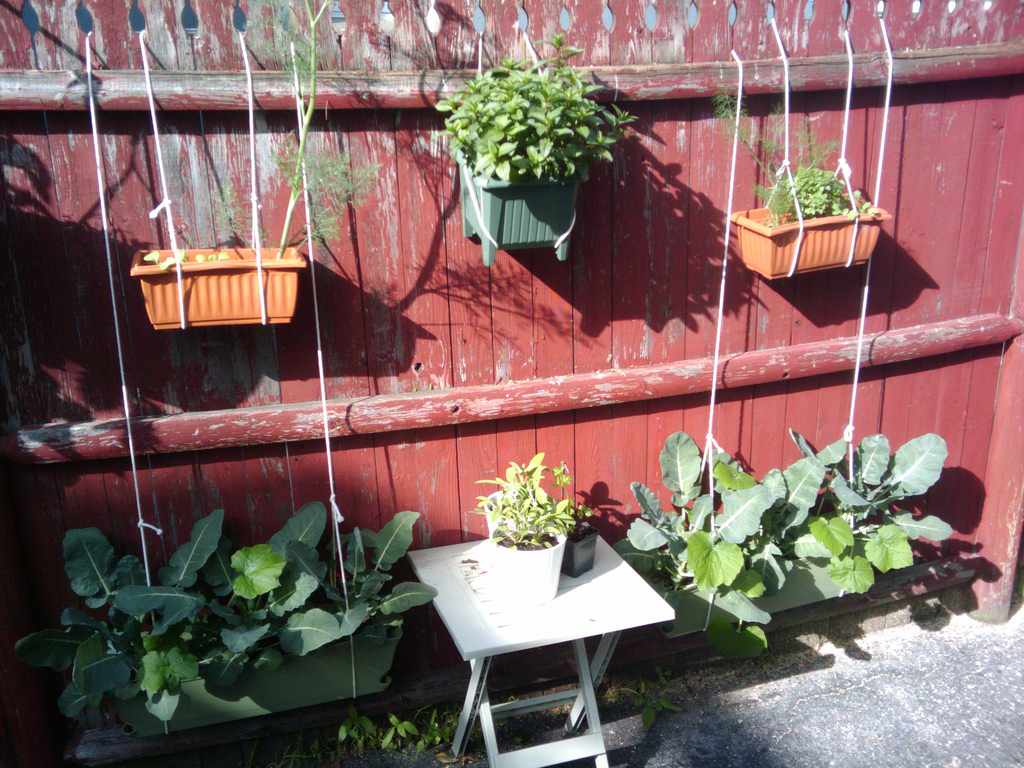
Credit: www.houzz.in
Where To Learn More
If you want deeper knowledge, visit trusted gardening websites. The Royal Horticultural Society offers detailed beginner guides, plant lists, and troubleshooting help.
Frequently Asked Questions
How Much Time Does A Small Kitchen Garden Need Each Day?
You need about 10–15 minutes daily for watering, checking plants, and removing dead leaves. More time is needed during planting or harvest. Small gardens are easy to care for once set up.
Can I Grow A Kitchen Garden Without Sunlight?
Some plants like mint, parsley, or lettuce survive with 2–3 hours of indirect light. For fruiting plants, use LED grow lights if you have little or no sun.
What Is The Cheapest Way To Start A Kitchen Garden?
Use recycled containers (plastic bottles, old buckets), make your own compost, and start from seeds. Avoid buying expensive pots and tools. The main cost is good soil.
How Do I Avoid Insects And Pests?
Keep your garden clean, don’t overwater, and check plants daily. Use neem oil or soap sprays for most pests. Growing marigolds nearby also helps keep insects away.
Can I Grow Root Vegetables In Containers?
Yes, but use deep pots (20–30 cm or more) for carrots, radishes, or potatoes. Make sure the soil is loose and well-draining for good root development.
A small kitchen garden puts fresh food, health, and joy within reach—even in the busiest city or smallest apartment. Start with a few pots, learn as you go, and enjoy the taste of your own harvest.