
A swimming pool brings fun and relaxation, but keeping the water clean is hard work. The pool filter is the heart of this system, and the pressure gauge is like its health monitor. If you look at your pool filter’s pressure gauge and it’s reading zero, it can feel confusing or even worrying. Many pool owners ask themselves, “Is something broken?” or “Is my pool safe?” This guide explains everything you need to know about a pool filter pressure gauge reading 0. By the end, you’ll understand what zero means, why it happens, and what steps you should take—whether you’re a beginner or have owned a pool for years.
What Does A Pool Filter Pressure Gauge Do?
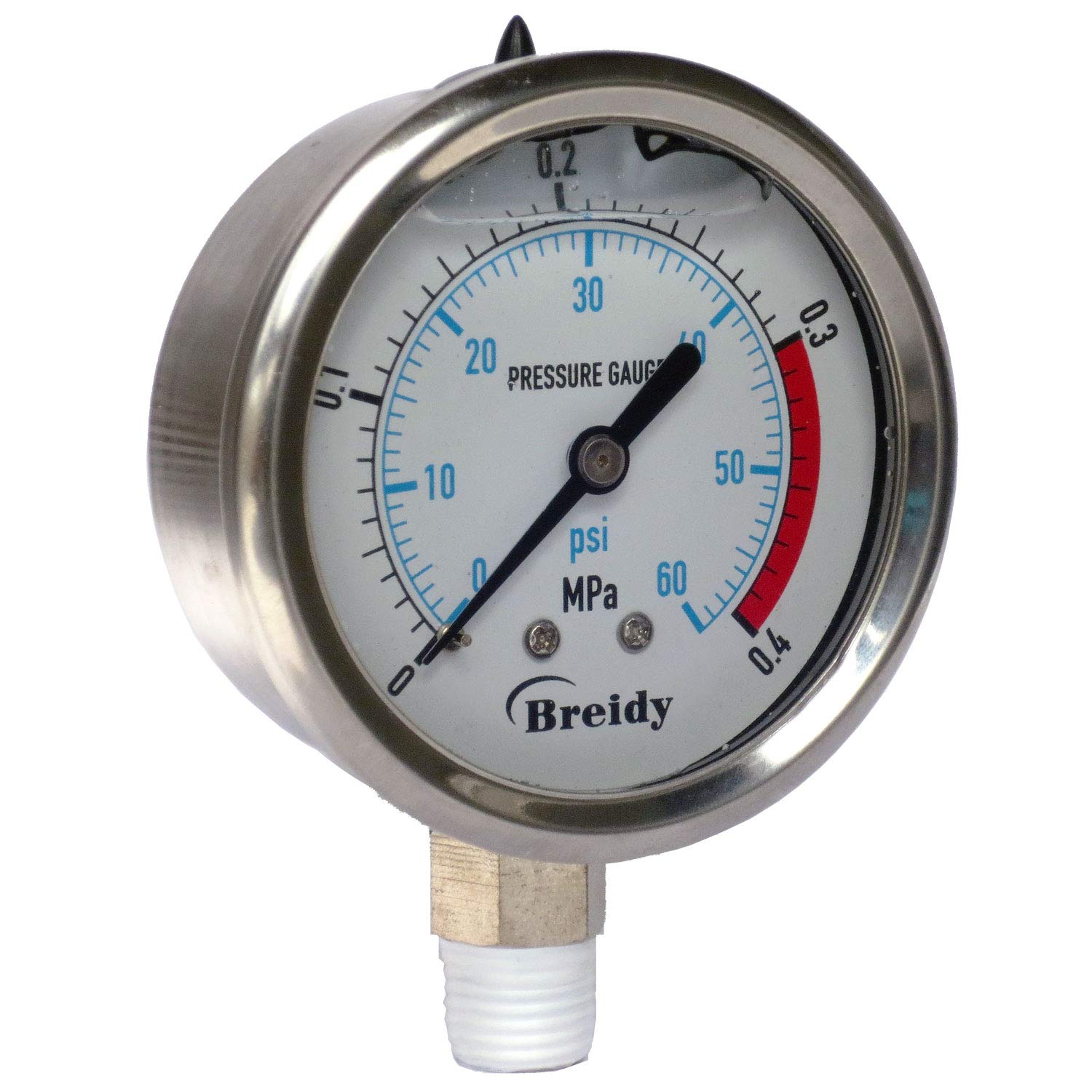
The pressure gauge on a pool filter measures the pressure inside the filter tank. It tells you how hard your pool’s pump is working to push water through the filter. Most gauges have a dial marked in pounds per square inch (PSI), usually ranging from 0 to 60 PSI. For most pools, a normal reading is between 10 and 25 PSI.
Why does this matter? If the pressure is too high, the filter is dirty or blocked. If it’s too low, water may not be flowing properly. A pressure gauge reading zero is not normal when the pump is running, so it’s important to know what this means.
Is A Zero Reading Always Bad?
A zero reading does not always mean something is wrong. But it is important to ask a few questions:
- Is the pump turned on and running?
- Has the gauge always read zero, or is this new?
- Did you recently clean or replace any pool equipment?
If the pump is off, a zero reading is normal. But if the pump is on and running and the gauge still reads zero, this signals a problem. The rest of this article explains why this happens and what to do.
How A Pool Filter System Works
Understanding how your pool’s filter system operates helps you troubleshoot problems. Here’s a quick overview:
- The pump pulls water from the pool through skimmers and main drains.
- Water is pushed into the filter tank, where dirt and debris are trapped.
- Clean water returns to the pool.
- The pressure gauge sits on top or the side of the filter and measures the pressure inside.
If water is not moving as it should, or if air gets into the system, the pressure gauge will show a low or zero reading. A broken gauge can also cause a zero reading.
Common Causes Of A Zero Pressure Reading
If your pool filter pressure gauge reads zero when the pump is running, several problems could be the cause. Let’s look at the most common reasons:
1. The Pump Is Not Pulling Water
If the pump is not primed or is not pulling water from the pool, the filter will not build pressure. This can happen if:
- The water level in the pool is too low.
- The pump lid is not sealed well.
- There is a leak in the suction line.
- The pump basket is clogged.
With no water moving, there is no pressure for the gauge to measure.
2. The Pressure Gauge Is Broken
Pressure gauges are simple devices, but they do break. The internal parts can stick, rust, or fill with water. Sometimes, the dial needle gets stuck at zero. If you suspect the gauge, try gently tapping it. If it doesn’t move, it may be time to replace the gauge.
3. Air Leak On The Suction Side
Air leaks before the pump (also called the suction side) can prevent the pump from pulling water. Look for these signs:
- Air bubbles in the pump basket.
- The pump will not fill with water (won’t prime).
- Hissing noises near pipe joints.
Air leaks often happen at pipe fittings, pump lids, or valves.
4. Blocked Skimmer Or Pump Basket
If the skimmer basket or pump basket is full of leaves or debris, water cannot flow to the pump. This means low or zero pressure. Always check and clean these baskets regularly.
5. Clogged Impeller
The impeller is the spinning part inside the pump that moves the water. If it gets clogged with debris, the flow drops. This can lead to a zero or low pressure reading.
6. Multiport Valve Not In The Right Position
If you have a sand filter or DE filter with a multiport valve, make sure the handle is in the correct position (usually “filter”). If it is set to “recirculate” or “closed,” pressure can drop to zero.
7. Broken Or Stuck Valve
Valves control water flow. If a valve is closed or broken, water may not reach the filter. Check all valves on the suction and return lines.
8. Air In The Filter Tank
If there is air trapped in the filter tank, the pressure reading may be zero. Bleed the air out using the air relief valve on top of the filter.
9. Pump Motor Issue
If the motor is running but not turning the pump, there could be a broken shaft or failed coupling. The pump may sound normal, but it is not moving water.
10. Clogged Or Collapsed Suction Line
A blocked or collapsed pipe on the suction side will stop water from reaching the pump. This can happen if pipes are old or damaged.
11. Incorrect Installation
If the filter or gauge was installed incorrectly, the gauge may not measure pressure. Make sure the gauge is connected to the correct port.

Credit: www.browningpools.com
What Should Your Pool Filter Pressure Gauge Read?
A healthy pool system usually shows 10-25 PSI on the pressure gauge. The exact number depends on your filter, pump, and piping. The most important thing is to know your pool’s “normal” reading. When you install a new filter or after cleaning, write down the PSI. This is your baseline.
A sudden drop to zero means something has changed. Here is a comparison of normal and abnormal readings:
| Situation | Expected Gauge Reading (PSI) | What It Means |
|---|---|---|
| Pump off | 0 | Normal, no water flow |
| Pump on, filter clean | 10–25 | Normal operation |
| Pump on, pressure high | 30+ | Filter dirty or blocked |
| Pump on, pressure zero | 0 | Problem—troubleshoot system |
Step-by-step Troubleshooting: Pool Filter Pressure Gauge Reading 0
When you see a zero reading, follow these steps. Do not skip steps, as the solution may be simple.
Step 1: Is The Pump On And Primed?
- Check if the pump is running.
- Open the pump lid—do you see water inside?
- If the pump is full of air, turn off the pump, fill the pump basket with water, and restart.
Step 2: Check The Pressure Gauge
- Look for cracks, rust, or water inside the gauge.
- Gently tap the gauge to see if the needle moves.
- Unscrew the gauge and reinstall it to ensure it’s not loose.
If the gauge is old or damaged, replace it with a new one. A good pool pressure gauge costs $10–$20 and is easy to install.
Step 3: Inspect The Pump Basket And Skimmer
- Turn off the pump.
- Remove the pump basket and skimmer basket.
- Clean out all debris.
- Reinstall baskets and restart the pump.
Step 4: Look For Air Leaks
- Check for bubbles in the pump basket.
- Tighten the pump lid and lube the O-ring.
- Inspect all suction-side fittings and valves for leaks.
Step 5: Test The Multiport Or Diverter Valve
- Make sure the valve handle is fully in the “filter” position.
- If the valve is broken, water may bypass the filter.
Step 6: Open The Air Relief Valve
- On top of your filter tank, open the air relief valve while the pump is running.
- Wait until water squirts out, then close the valve.
Step 7: Examine All Valves And Plumbing
- Make sure all suction and return valves are open.
- Look for broken or collapsed pipes.
Step 8: Check The Impeller
- If you suspect a clogged impeller, turn off power and remove the pump lid.
- Use a screwdriver or your finger to see if the impeller spins freely.
- Remove debris if needed.
Step 9: Test The Pump Motor
- Listen for unusual sounds.
- If the motor hums but the impeller does not turn, the motor may need repair or replacement.
Step 10: Replace The Pressure Gauge
If all other steps fail, try replacing the gauge. Sometimes, the problem is simply a faulty gauge.
Credit: lioness-lab.org
How To Replace A Pool Filter Pressure Gauge
Replacing a pressure gauge is a simple DIY task. Here’s how:
- Turn off the pump and release any pressure using the air relief valve.
- Unscrew the old gauge (use pliers if it is tight).
- Clean the threads.
- Wrap new gauge threads with Teflon tape.
- Screw in the new gauge hand-tight, then use pliers for a snug fit.
- Turn on the pump and check the reading.
Preventing Future Zero Pressure Problems
Regular maintenance helps prevent most zero pressure problems. Here’s what you should do:
- Check and clean baskets (skimmer and pump) weekly.
- Inspect the pressure gauge monthly for cracks or leaks.
- Monitor your normal PSI reading and write it down.
- Lubricate pump lid O-rings every 2–3 months.
- Backwash or clean your filter as needed (usually every 2–4 weeks).
- Check for leaks in plumbing and valves during every pool season.
When Should You Call A Pool Professional?
Most zero pressure issues are simple to fix, but sometimes the problem is complex:
- If you see water spraying from equipment.
- If you hear loud noises from the pump or motor.
- If you cannot find the cause after checking all the steps above.
Call a licensed pool professional for help. They have tools to pressure-test lines, check for underground leaks, and repair motors.
Real-world Examples
Here are three scenarios pool owners often face:
Scenario 1: New Pool Owner Sees Zero
A first-time pool owner notices a zero reading after opening the pool for summer. The pump was off. When turned on, water began to flow, and the gauge moved to 12 PSI. In this case, zero was normal because the pump was not running.
Scenario 2: Sudden Drop To Zero
A pool owner sees 15 PSI every week, but one day the gauge reads zero. After checking, they find the pump basket full of leaves. Cleaning the basket restores normal pressure.
Scenario 3: Old Gauge Stuck At Zero
Another owner’s pool works fine, but the gauge always reads zero. Tapping the gauge doesn’t help. They replace the gauge, and it now shows 18 PSI. The old gauge was simply broken.
Common Myths About Pool Pressure Gauges
Many pool owners believe a zero reading means the filter is perfectly clean, or that more pressure is always better. Both ideas are wrong.
- Myth: Zero pressure is always good.
- Fact: If the pump is running, zero pressure means something is wrong.
- Myth: High pressure means the pump is working hard.
- Fact: High pressure often means the filter is dirty or blocked.
- Myth: Gauges never fail.
- Fact: Most gauges last 3–5 years. Replace them if they stick or leak.
How To Choose The Best Pool Filter Pressure Gauge
If you need a new gauge, consider these features:
| Feature | Why It Matters | Recommended Option |
|---|---|---|
| Durable case | Resists weather and pool chemicals | Brass or stainless steel case |
| Clear dial | Easy to read, even in sunlight | Large, marked numbers (0–60 PSI) |
| Back or bottom mount | Fits your filter design | Match your old gauge style |
| Liquid-filled | Resists vibration, longer life | Glycerin or silicone-filled |
Most pool stores will help you find the right size and thread type for your filter.
Avoiding Common Mistakes
Many pool owners make simple mistakes that lead to zero pressure readings:
- Forgetting to open all valves after maintenance.
- Installing the gauge in the wrong port.
- Using Teflon tape incorrectly (leads to leaks).
- Not replacing old gauges every 3–5 years.
- Ignoring small air leaks, which can become big problems.
If you are unsure, take pictures of your equipment and ask for advice at your local pool store.
Insights Many Pool Owners Miss
Even experienced pool owners miss these two important points:
- Tiny air leaks can cause big problems. Even a small leak on the suction side can stop the pump from priming and cause a zero reading. Always check O-rings and lubricate them.
- Know your system’s normal pressure. After cleaning or installing new equipment, record the pressure. Use this as your baseline. Do not rely on “average” numbers—every pool is different.
Pool Filter Types And Pressure Gauge Behavior
Different filter types can affect your gauge reading:
Sand Filters
Sand filters usually run at 10–20 PSI when clean. If the pressure drops to zero, check for air leaks, clogged baskets, or a broken gauge.
Cartridge Filters
Cartridge systems often show 10–15 PSI clean. Low or zero means the same problems as above.
De (diatomaceous Earth) Filters
DE filters can run 12–20 PSI clean. Zero readings still mean flow problems or equipment issues.
What Happens If You Ignore A Zero Pressure Reading?
Ignoring a zero reading can lead to:
- Dirty pool water (no filtration)
- Pump overheating (no water to cool motor)
- Equipment damage (running dry can destroy seals and impellers)
Fix the problem right away to avoid expensive repairs.
When Zero Pressure Is Not A Problem
Some situations are normal for a zero reading:
- Pump off (no water moving)
- System winterized (drained for off-season)
But when the pump is running, always investigate a zero reading.
Upgrading Your Pool Pressure Gauge
If you want better monitoring, consider digital pressure gauges. Some smart systems alert you to changes by phone. While more expensive, they can catch problems early and save money in the long run.
Pool Maintenance Schedule For Healthy Pressure
A good maintenance schedule keeps your pressure gauge working and your pool clean. Here’s a sample plan:
- Daily: Check water level, skim debris.
- Weekly: Clean baskets, check gauge.
- Monthly: Inspect gauge for cracks or leaks, lubricate O-rings.
- Seasonally: Backwash or clean filter, check pump and motor.
Sticking to a schedule prevents most problems.
The Cost Of Zero Pressure Problems
Fixing a zero pressure issue is usually cheap and quick—often just cleaning a basket or replacing a $15 gauge. But if ignored, a failed pump or major leak can cost hundreds or thousands of dollars. Fast action saves money.

Credit: www.reddit.com
Learning More About Pool Equipment
If you want to understand more about pool filter systems, a good resource is the official CDC Pool Filtration Guide. This page covers different filter types, maintenance, and health tips.
Frequently Asked Questions
Why Does My Pool Filter Pressure Gauge Stay At Zero When The Pump Is Running?
This usually means water is not reaching the filter. Possible reasons include a clogged pump basket, air leak on the suction side, a broken pressure gauge, or a closed valve. Check each area step by step.
How Do I Know If My Pressure Gauge Is Broken?
If the gauge needle never moves, shows cracks, or water inside, it may be stuck. Try tapping it gently. If it stays at zero even when the pump is running, replace it with a new one.
Can I Run My Pool With A Zero Pressure Reading?
No, you should not. If the pump is on and the gauge reads zero, water is not moving through the filter. This means your pool is not being cleaned and equipment could be damaged.
How Often Should I Replace My Pool Filter Pressure Gauge?
Most gauges last 3–5 years. Replace them if they stick, leak, or become hard to read. Always use a gauge with the correct PSI range for your filter.
What Is The Normal Pressure For A Pool Filter?
Normal pressure depends on your system, but most pools run between 10 and 25 PSI. Record your system’s pressure after cleaning, and use this as your normal baseline.
Taking care of your pool filter pressure gauge is simple but important. A zero reading is a warning sign you should never ignore. With careful troubleshooting, you can keep your pool clean, safe, and ready for swimming all season long.