
Making your kitchen cabinets close softly can completely change how your kitchen feels. If you’ve ever been startled by a cabinet door slamming shut, you know it’s not just annoying—it can even damage your cabinets over time. Soft close hardware brings a gentle, quiet finish to every door and drawer.
The best part? You can upgrade your kitchen yourself, often in a weekend, without replacing your cabinets. This guide will show you, step by step, how to make your kitchen cabinets soft close, whether you’re a DIY beginner or just looking for a better result.
Why Switch To Soft Close Cabinets
Upgrading to soft close cabinets is more than a luxury. Let’s look at the reasons behind this popular upgrade.
First, noise reduction makes a huge difference, especially in busy homes. Soft close mechanisms stop doors and drawers from banging, making your kitchen a quieter place. If you have children, pets, or people with different sleep schedules, this can make daily life more comfortable.
Second, soft close helps with cabinet longevity. Each slam can slowly loosen hinges, damage wood, and cause finish to chip. Soft close hardware gently pulls doors and drawers shut, so your cabinets stay looking new for years.
Another benefit is safety. The slow, controlled close means fingers—especially small ones—are less likely to get pinched. This is a big plus for families with young children.
Finally, adding soft close increases home value. Potential buyers see soft close hardware as a modern, high-quality feature. It’s a small upgrade with a big impact, whether you’re planning to stay or sell.
Understanding Soft Close Mechanisms
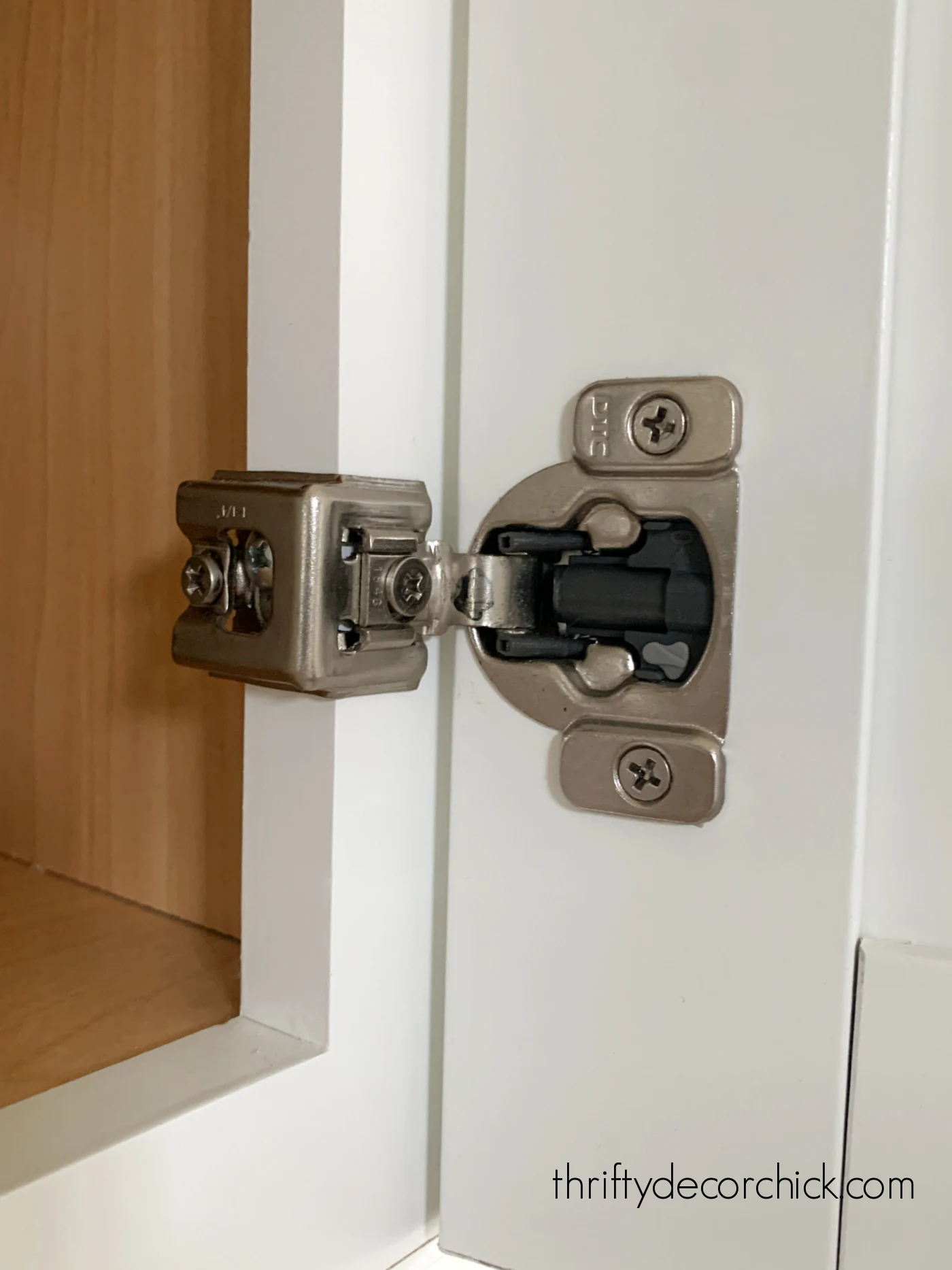
Before you start, it’s good to know what you’re installing. Soft close systems use a special damper, usually hydraulic or pneumatic, that slows the closing motion. There are a few types:
- Soft close hinges: Built-in dampers inside the hinge slow the cabinet door.
- Soft close adapters: Small, separate devices added to existing hinges.
- Soft close drawer slides: These replace your drawer’s side rails and slow the final part of the closing movement.
Some kitchen cabinets already have concealed hinges or slides that can be swapped for soft close versions. For others, you’ll add adapters or new hardware.

Credit: porchdaydreamer.com
What You’ll Need
Getting the right tools and materials will make your project smoother. Here’s what you should gather:
- Soft close hinges or adapters (for doors)
- Soft close drawer slides or drawer dampers (for drawers)
- Screwdriver (usually Phillips head)
- Drill (with bits for pilot holes)
- Measuring tape
- Pencil
- Level
- Screws (often included with hardware)
- Step stool (if cabinets are high)
- Protective eyewear (always a good idea)
Pro tip: Before buying, check your cabinet type. Are your hinges visible (surface mount) or hidden (concealed/inset)? This affects which soft close hardware you’ll need.
Choosing The Right Soft Close Hardware
Not all cabinets use the same hinges or slides. Choosing the right hardware means your installation will go smoothly.
Types Of Cabinet Hinges
- Concealed (European) hinges: Hidden when the door is closed. Most soft close hinges are this type.
- Overlay hinges: Door covers the cabinet frame.
- Inset hinges: Door sits flush with the frame.
Types Of Soft Close Hardware
- Full replacement hinges: Swap your old hinge for a soft close version. Best for concealed hinges.
- Clip-on adapters: Attach to the existing hinge. Good for surface-mount or specialty hinges.
- Drawer slides with soft close: Replace entire slide mechanism.
- Drawer dampers: Attach to the cabinet frame; easier but less smooth than full slides.
Comparing Hardware Options
Here’s how the main choices stack up:
| Hardware Type | Best For | Cost (Approx.) | DIY Difficulty | Performance |
|---|---|---|---|---|
| Soft Close Hinges | Newer cabinets, concealed hinges | $5-$12 per pair | Medium | Excellent |
| Clip-on Adapters | Older cabinets, exposed hinges | $2-$5 each | Easy | Good |
| Soft Close Drawer Slides | Upgrading drawers fully | $12-$30 per pair | Medium | Excellent |
| Drawer Dampers | Quick upgrade, renters | $3-$8 each | Easy | Average |
Non-obvious insight: Always check your cabinet manufacturer’s site for recommended hardware. Some cabinets use custom hinges, and using the wrong type can lead to poor results or even damage.
Credit: www.thriftydecorchick.com
Step-by-step: How To Add Soft Close To Cabinet Doors
Let’s get practical. Here’s how to install both soft close hinges and adapters.
1. Remove Old Hinges (if Replacing)
- Open the cabinet door fully.
- Support the door with one hand, and unscrew the hinges from the cabinet frame.
- Carefully set the door aside.
2. Install New Soft Close Hinges
- Line up the new hinge with the existing holes. Most European-style hinges fit standard 35mm holes.
- Attach the hinge to the door first using the screws provided.
- Hold the door in place, then screw the hinge to the cabinet frame.
- Check that the door opens and closes smoothly. Adjust if needed.
Insider tip: Don’t overtighten screws. Too much pressure can strip the holes or crack the wood.
3. Attach Soft Close Adapter (if Not Replacing Hinges)
- Close the door and mark a spot near the top hinge, inside the cabinet frame.
- Position the adapter so the damper touches the door when closed.
- Drill small pilot holes for the screws.
- Attach the adapter using screws, and test the close. Adjust forward or back if needed.
4. Test And Adjust
- Open and close the door several times.
- If the door doesn’t close all the way, adjust the hinge screws (most have depth and side-to-side adjustments).
- Make sure the damper slows the door in the last few inches.
Pro tip: For very heavy doors, use two adapters (top and bottom) or choose heavy-duty soft close hinges.
Step-by-step: Adding Soft Close To Drawers
There are two main ways to add soft close to drawers: replacing the slides or adding dampers.
1. Remove The Drawer
- Pull the drawer out until it stops.
- Lift up or press release tabs (depending on your slide type) and pull the drawer out completely.
2. Install Soft Close Drawer Slides
- Unscrew the old slides from the drawer and cabinet.
- Line up the new soft close slides with the same holes (or mark new ones if needed).
- Screw the slides to the drawer, then to the inside of the cabinet.
- Slide the drawer in, making sure it’s straight.
- Test for smooth movement and soft close action.
3. Install Drawer Dampers (alternative)
- With the drawer removed, mark a spot inside the cabinet where the damper will catch the back of the drawer.
- Screw the damper in place.
- Reinstall the drawer and test.
Common mistake: Not leveling the drawer slides can cause sticking or uneven closing. Use a level to check each side before tightening screws.
How Many Soft Close Devices Do You Need?
The number depends on cabinet size and weight:
- Small cabinet doors: One adapter or hinge may be enough.
- Tall or heavy doors: Use two, one at top and one at bottom.
- Drawers: One set of slides or one damper per drawer.
Experienced installers often add more dampers for wide doors, or use stronger hardware for solid wood cabinets.
Troubleshooting Common Problems
Even with the right hardware, you might run into issues. Here’s how to fix them:
Door Doesn’t Close All The Way
- Check for obstructions inside the cabinet.
- Adjust the hinge depth screw.
- Make sure the damper is not too far from the door.
Door Slams Shut
- Damper might be too far from the closing edge.
- Try moving the adapter closer to the hinge.
Drawer Doesn’t Close Smoothly
- Check that slides are level.
- Make sure nothing is blocking the slides.
- Lubricate metal slides with a small amount of silicone spray.
Uneven Gaps
- Adjust hinge side-to-side screws.
- For drawers, loosen the mounting screws, adjust position, and retighten.
Cost And Time Commitment
Upgrading to soft close is surprisingly affordable and can often be completed in a weekend.
- Soft close hinges: $5–$12 per door (hardware only)
- Clip-on adapters: $2–$5 each
- Drawer slides: $12–$30 per drawer
- Labor (if hiring out): $50–$100 per hour
Most people can upgrade all their kitchen cabinet doors in 1–2 days. Drawers may take a bit longer if you’re new to removing slides.
How To Maintain Soft Close Cabinets
Maintenance is easy, but it’s important for long life.
- Clean hinges and slides every 3–6 months with a dry cloth.
- Lubricate only if hardware instructions say to—some dampers need oil, others do not.
- Tighten screws once a year.
- Check alignment if you notice sticking or noisy closing.
Uncommon tip: If a damper feels weak after a few years, you can often buy replacement dampers without changing the whole hinge.
Alternatives To Full Soft Close Installation
Not ready to change all your hardware? There are a few shortcuts:
- Stick-on bumpers: Small rubber dots that soften the impact (but don’t slow the close).
- Magnetic catches: Hold doors closed but don’t slow them.
- Partial soft close adapters: Inexpensive, easy to install, but not as smooth as full hardware.
Fact: Stick-on bumpers are found in almost every rental kitchen, but true soft close hardware gives a much higher-end feel.
Soft Close In Other Rooms
Don’t stop at the kitchen. Soft close hardware is great for:
- Bathroom cabinets
- Bedroom wardrobes
- Laundry room storage
You can use the same techniques and hardware for almost any cabinet or drawer in your home.
Environmental Impact
By extending the life of your cabinets, soft close systems help reduce waste. Less damaged wood, fewer replacements, and fewer repairs mean your kitchen stays out of the landfill longer. Many soft close hardware brands use recyclable materials and non-toxic finishes.
Industry data: According to the National Kitchen & Bath Association, modernizing kitchens with features like soft close increases the average cabinet lifespan by 20–30%.
Comparing Diy And Professional Installation
Is it better to do it yourself or hire a pro? Here’s a quick breakdown:
| Factor | DIY | Professional |
|---|---|---|
| Cost | Low (just hardware) | Medium-High (hardware + labor) |
| Time | 1-2 days for kitchen | Several hours |
| Skill Needed | Basic tools, patience | None for you |
| Result | High if careful | Consistently high |
Insider perspective: Even high-end kitchen remodelers use clip-on adapters for quick upgrades. Unless you have very old or custom cabinets, most people can DIY with great results.

Credit: www.youtube.com
Tips For A Perfect Soft Close Upgrade
- Test one cabinet first before buying for your whole kitchen.
- Buy a few extra pieces of hardware in case of mistakes or defects.
- Label removed hardware so you remember where it goes.
- Use a small container for screws so you don’t lose them.
- Watch manufacturer videos for tips specific to your hardware.
- Check door swing after installation—some soft close hinges slightly reduce opening angle.
- Be patient—adjusting hinges can take time to get right.
Real-world Example: Soft Close In A Family Kitchen
When the Nguyen family upgraded their kitchen, they chose soft close adapters for their cabinet doors and full soft close slides for drawers. Before, the kitchen was noisy—doors slammed during busy mornings. After the upgrade, the kitchen became much quieter.
Their two children were less likely to get fingers pinched, and the cabinets still look new two years later. The whole project took a weekend, and cost under $250 for a standard-sized kitchen.
Non-obvious insight: The Nguyens found that using two adapters on heavy pantry doors made a big difference. When in doubt, add an extra damper for wide or solid wood doors.
Where To Buy Soft Close Hardware
You can find soft close hinges, adapters, and drawer slides at most hardware stores and online retailers. Look for brands with good reviews and clear instructions. Some popular choices are Blum, Hettich, and Salice.
For more technical details and product comparisons, check the official cabinetry resource on Wikipedia.
Frequently Asked Questions
How Do I Know If My Cabinets Can Be Upgraded To Soft Close?
Most cabinets can be upgraded, but check your hinges and slides first. If your doors use concealed hinges or your drawers have standard slides, soft close hardware should fit. For very old or custom cabinets, you may need special adapters.
Do I Need To Replace All My Hinges And Slides?
No, not always. Many soft close adapters attach to your current hinges or drawer frames. However, full soft close hinges or slides give the smoothest, quietest result and last longer.
Will Soft Close Hardware Slow Down My Cooking Or Meal Prep?
No—soft close hardware only affects the last inch or two of closing. You can still open and close doors and drawers quickly, but they’ll finish closing gently on their own.
Can Renters Add Soft Close To Their Cabinets?
Yes! Clip-on adapters and drawer dampers can be installed without drilling new holes or making permanent changes. Just remove them when you move out.
How Long Does Soft Close Hardware Last?
Quality soft close hardware can last 10–20 years or more. Most brands offer warranties of 5 years or longer. If a damper wears out, you can usually replace just that part.
Upgrading to soft close kitchen cabinets is a smart, practical way to improve your home. With the right tools, some patience, and careful installation, you’ll enjoy quieter, safer, and longer-lasting cabinets—plus a touch of modern style every time you cook.