
Owning a swimming pool is a luxury, but it also means taking on responsibilities to keep it safe and functional. One of the most important pieces of safety equipment is the automatic pool cover. These covers protect your pool from debris, help maintain water temperature, and provide a safety barrier. But what happens when the system fails, or there’s a power outage? Suddenly, you need to manually close your automatic pool cover—and if you’ve never done it before, it can feel overwhelming.
Learning how to do this properly can save you from expensive repairs, water contamination, or even safety hazards. This article will walk you through the process step by step, explain why manual closing is sometimes necessary, highlight what tools you need, and share advanced tips most pool owners miss.
You’ll find out how to avoid common mistakes and keep your pool safe, even when technology lets you down.
Understanding Automatic Pool Covers
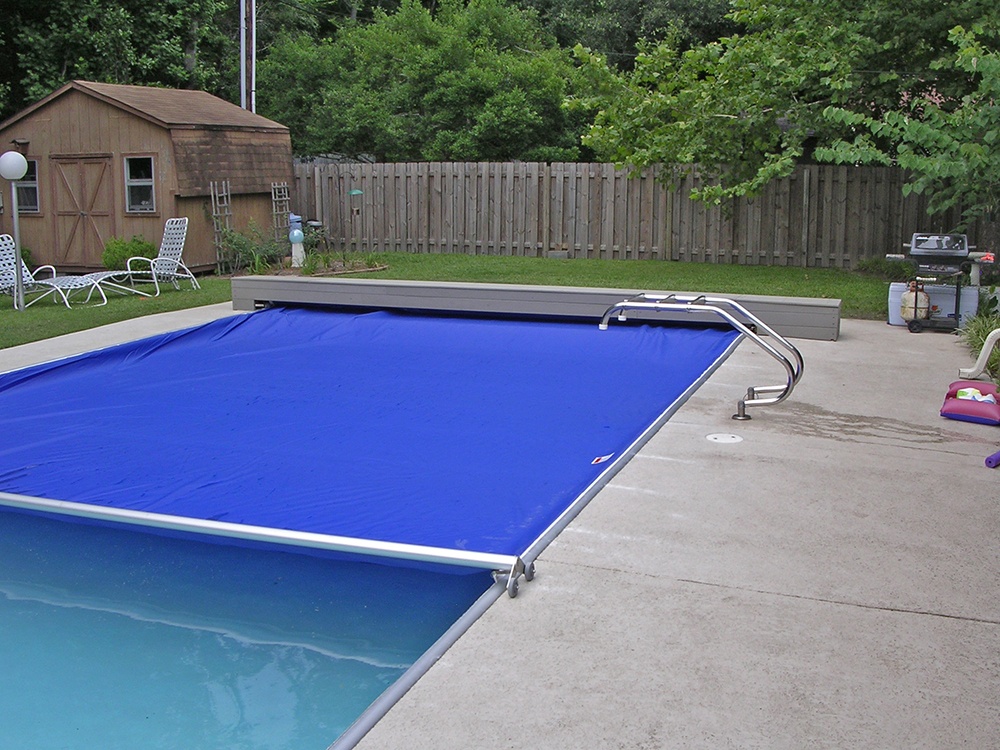
An automatic pool cover is a motorized system that rolls a solid or mesh cover over your pool. With the press of a button or turn of a key, it opens or closes. These covers run on electricity and use tracks along the pool’s edge to guide the cover smoothly.
Why do people choose automatic covers?
- Safety: Helps prevent accidental falls, especially for children and pets.
- Cleanliness: Keeps leaves, dirt, and insects out.
- Energy savings: Reduces evaporation and keeps heat in.
- Chemical savings: Lowers the need for pool chemicals by blocking sunlight and debris.
However, no system is foolproof. Power failures, mechanical problems, or track obstructions can stop the cover from working automatically. That’s when you need to know how to close it by hand.
Why Manual Closing Might Be Needed
Even the best systems sometimes fail. Here are the most common reasons you might need to manually close your automatic pool cover:
- Power outages: If there’s no electricity, the motor won’t work.
- Motor failure: Motors can burn out, especially if the cover is used often.
- Track obstructions: Sticks, rocks, or toys can block the cover.
- Broken ropes or cables: These can snap over time or from stress.
- Control system malfunction: Key switches or remotes can stop working.
If you can’t close your pool, you risk dirt, animals, or even children falling in. Manual closing is an emergency skill, not just a backup plan.

Credit: www.youtube.com
Tools And Preparation
Before starting, gather these basic tools:
- Manual hand crank: Most covers come with one. If yours is missing, contact your installer.
- Flashlight: For evening or night emergencies.
- Protective gloves: To avoid rope burns or pinched fingers.
- Owner’s manual: Each cover has unique features; instructions may differ.
- Screwdriver or wrench: Some systems need you to remove access panels.
Pro tip: Keep your manual crank and tools in a waterproof container near the pool. Many pool owners store these in the garage and can’t find them when needed.
Safety Precautions Before Starting
Never skip safety checks. Here’s what to do before you begin:
- Turn off power: Always shut off the pool cover’s power at the breaker to avoid accidental activation.
- Clear the cover tracks: Remove debris, sticks, or toys.
- Warn others: Tell family or guests to stay away from the cover area.
- Check for visible damage: Look for torn fabric or bent tracks.
- Read your manual: If you’re unsure, refer to your cover’s specific instructions.
Ignoring these steps can cause injury or damage your pool cover.
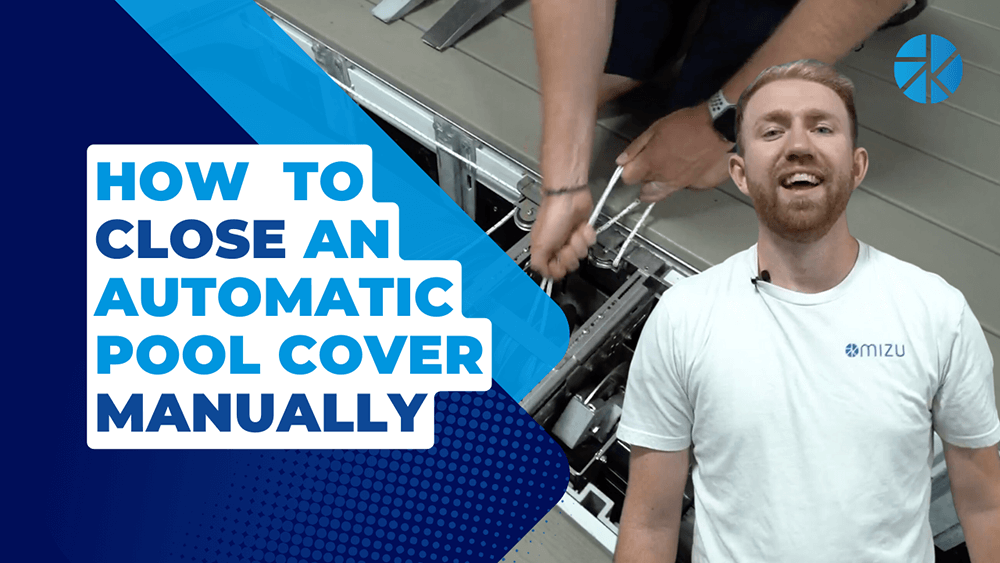
Step-by-step Guide: How To Manually Close An Automatic Pool Cover
Every pool cover is a bit different, but these steps work for most residential systems. If you have a custom cover, always consult the manufacturer first.
1. Locate The Manual Crank Point
Find the manual crank attachment. It’s usually at one end of the pool, near the cover’s drive mechanism. You may need to open a small access panel with a screwdriver or wrench.
Tip: Some systems have a removable cap or locking pin. Remove these carefully and set them aside.
2. Insert The Manual Crank
Slide the manual crank into the gear or fitting. You should feel it lock into place. If it’s loose or won’t fit, double-check you have the right crank.
Some newer systems use a hex key or socket tool instead of a traditional crank.
3. Disengage The Motor (if Required)
Many automatic pool covers have a motor clutch or release lever. This disconnects the motor from the drive shaft, so you can turn the cover by hand without damaging the gears.
- Look for a small lever or knob labeled “manual” or “clutch.”
- Turn or pull it as directed in your manual.
Caution: Never force the crank if the motor is still engaged. You can strip gears or cause expensive damage.
4. Begin Cranking The Cover Closed
Turn the crank in the direction that closes the cover. Most systems require a clockwise turn, but some may be counter-clockwise.
- Use slow, steady pressure.
- If you feel resistance or hear grinding, stop and check for obstructions.
- If the cover stops partway, check for tangled ropes or a misaligned track.
Fact: Closing the cover by hand can take 5-20 minutes, depending on pool size and cover weight.
5. Watch The Cover Alignment
As you crank, keep an eye on both sides of the cover. It should move evenly along the tracks. If one side gets ahead, pause and gently pull the lagging side to even it up.
Common mistake: Forcing the cover if it’s crooked can tear the fabric or jam the system.
6. Close The Cover Completely
Continue cranking until the cover meets the far end of the pool. Some systems have a “stop” or marker to show when it’s fully closed.
- Don’t overtighten; stop when resistance increases.
- Remove the crank and store it safely.
7. Re-engage The Motor (if Applicable)
If you disengaged the motor, set the clutch or lever back to “auto” before restoring power. This prepares your system for normal use when repairs are done.
Advanced tip: Some covers have a reset procedure after manual operation. Check your manual for details.
8. Secure The Cover
Some covers use locking mechanisms or safety straps at the pool ends. Fasten these to keep the cover from blowing open in wind.
9. Check For Leaks Or Gaps
Walk around the pool and check that the cover fits snugly. If you see gaps, adjust by gently shifting the cover or re-cranking as needed.
Differences Between Major Pool Cover Brands
While the manual process is similar, different brands have unique features. Here’s a quick comparison of three leading brands:
| Brand | Manual Crank Type | Motor Disengagement | Common Issue |
|---|---|---|---|
| Cover-Pools | Removable hand crank | Pull-to-release clutch | Track misalignment |
| Automatic Pool Covers, Inc. | Hex key or socket | Twist-off motor coupling | Stuck motor clutch |
| Pool Cover Specialists | Fixed handle crank | Manual lever | Heavy cover weight |
Insight: If you’re shopping for a new cover, ask about the manual closing process before you buy. Some brands are much easier to operate by hand.
Troubleshooting Common Problems
Manually closing your cover isn’t always smooth. Here’s what to do if you run into trouble:
The Cover Is Stuck
- Check the tracks: Remove any debris or objects.
- Look for twisted ropes: Untangle and realign if possible.
- Try reversing slightly: Sometimes backing up an inch can free a jam.
The Crank Won’t Turn
- Verify motor disengagement: Make sure the clutch or lever is set to manual.
- Inspect the crank fitting: Is it fully inserted and undamaged?
- Lubricate if needed: A drop of silicone spray can help.
The Cover Moves Unevenly
- Pause and pull: Gently tug the slower side to realign.
- Check for bent tracks: These may need professional repair.
- Look for fabric tears: Torn covers must be fixed before further use.
Motor Won’t Re-engage
- Double-check the clutch: Ensure it’s locked back in place.
- Reset the system: Some covers have a reset button.
- Call a technician: Don’t force the motor or you may cause more damage.
Advanced tip: Always note the exact problem for your repair technician. Details help speed up repairs and reduce costs.
When To Call A Professional
While many pool owners can manually close their covers, some situations require expert help:
- Severe track damage: If the tracks are bent or broken.
- Torn or jammed covers: Large tears or jammed fabric need special tools.
- Motor or electrical issues: If the motor won’t disengage or re-engage.
- No manual crank available: Never use makeshift tools; you could cause further damage.
Fact: According to the U.S. Consumer Product Safety Commission, pool cover accidents cause hundreds of injuries each year. If you’re unsure, call a licensed pool technician.
Preventing Future Emergencies
The best way to avoid manual closing is through regular maintenance. Here’s how:
- Inspect tracks weekly: Remove leaves, sticks, and debris.
- Test your cover monthly: Open and close it fully to check for smooth operation.
- Lubricate moving parts: Use silicone spray on tracks and gears (check your manual first).
- Replace worn ropes or cables: Don’t wait for them to break.
- Keep tools handy: Store your manual crank and any special keys by the pool.
Pro insight: Many owners forget to test their manual crank until an emergency. Practice once a year to make sure you know what to do.
Comparing Manual Vs. Automatic Closing
Understanding the differences helps you appreciate why manual skills are vital.
| Feature | Automatic Closing | Manual Closing |
|---|---|---|
| Speed | 10–30 seconds | 5–20 minutes |
| Effort | None (button push) | Physical labor |
| Power Required | Yes | No |
| Emergency Use | No (if power/motor fails) | Yes |
| Risk of Damage | Low (if working) | Moderate (if done incorrectly) |
Key takeaway: Manual closing is slower and harder, but essential when technology fails.
Advanced Tips Most Owners Miss
Most guides stop at the basics. Here are extra tips that make manual closing easier and safer:
- Photograph the process: Take pictures as you go, so you remember the steps.
- Label key parts: Use waterproof stickers to mark the crank point, clutch, or lever.
- Practice in daylight: Don’t wait until it’s dark or raining to learn manual closing.
- Check for warranty restrictions: Some covers have rules about manual operation. Read your paperwork.
- Teach family members: Make sure at least one other person knows how to close the cover.
Pro insight: If you have a pool service company, ask them to walk you through manual closing at your next maintenance visit.
Environmental And Safety Benefits Of Closing Your Cover
Closing your pool cover, even manually, offers benefits beyond just keeping the pool clean:
- Reduces evaporation: Saves up to 7,000 gallons of water per year.
- Lowers chemical use: Less sunlight means fewer chemicals are needed.
- Improves safety: A closed cover prevents accidental falls.
- Prevents animal drowning: Wildlife is less likely to fall into a closed pool.
According to the U.S. Department of Energy, using a pool cover can cut heating costs by 50–70%. To learn more, visit the U.S. Department of Energy’s swimming pool covers guide.
Credit: www.lathampool.com
Real-world Example: A Family’s Pool Cover Emergency
Imagine a typical summer evening. The Smith family is enjoying their backyard pool when a sudden thunderstorm knocks out power. The cover is stuck open, and they need to close it before leaves and rain contaminate the water.
- They find their manual crank in a storage box by the pool.
- Dad locates the crank point and inserts it.
- Mom checks the tracks for sticks and removes a small branch.
- Their daughter reads the instructions from the owner’s manual.
- They crank the cover closed together, keeping it aligned.
The next day, power is restored, and a technician checks the system. Because the Smiths knew what to do, their pool stayed clean, and no one was injured.
Takeaway: Knowing how to manually close your automatic pool cover can save your pool—and your peace of mind.
Frequently Asked Questions
How Often Should I Practice Manually Closing My Pool Cover?
You should practice at least once a year. This ensures you know the steps, your tools are working, and you can close the cover quickly during an emergency.
Can I Close My Automatic Pool Cover Without The Manual Crank?
No, you need the specific manual crank or tool designed for your cover. Using makeshift tools can damage the mechanism or void your warranty.
Is It Safe For One Person To Manually Close The Cover?
It’s possible but safer with two people. One can crank while the other checks the cover’s alignment and clears obstacles.
What Should I Do If The Cover Fabric Tears While Closing?
Stop immediately and avoid using the cover until it’s repaired. Forcing a torn cover can make the problem worse and lead to expensive repairs.
Where Can I Find Official Guidance For My Pool Cover Brand?
Check your owner’s manual or visit your brand’s website. For general information, the Pool Safely campaign has safety tips.
Owning an automatic pool cover brings peace of mind, but only if you’re prepared for surprises. With the right tools, knowledge, and practice, you can manually close your cover and keep your pool safe, clean, and ready for use—no matter what life throws your way.
Credit: getmizu.com