
Sprouts are packed with nutrition, crunch, and flavor. Whether you like mung bean sprouts, alfalfa, radish, or lentil sprouts, keeping them fresh is not always easy. Many people find their sprouts spoil quickly, grow slimy, or develop an odd smell.
This wastes money and effort. But proper storage can make a big difference. Learning how to store sprouts the right way means you can enjoy their benefits for longer and avoid waste.
If you are new to sprouting, you may not know the best methods for storing different types of sprouts. You may wonder about washing, drying, refrigeration, containers, or how to tell if sprouts have gone bad. This guide answers these questions and more, based on proven methods and practical experience.
You will learn step-by-step how to store sprouts, how long they last, and tips to keep them crisp and safe. With this knowledge, you can make sprouting a regular, healthy habit.
Why Proper Storage Of Sprouts Matters
Sprouts are living foods. Once seeds start sprouting, they keep growing and breathing. This means they lose moisture, use up nutrients, and can grow bacteria if not stored well. Because of their high water content and tender structure, sprouts are more delicate than most vegetables. Improper storage can cause:
- Wilting and loss of crunch
- Slimy texture
- Bad odor
- Bacterial growth (which can be unsafe)
Fresh, crisp sprouts taste better and have more nutrition. Poor storage means you may throw away half your batch. For those who sprout often, small mistakes can mean big losses over time. Learning proper storage is not just about saving money—it’s about safety and health.
Different Types Of Sprouts And Their Storage Needs
There are many types of sprouts, and their storage needs can differ. Let’s look at the most common:
| Sprout Type | Common Examples | Special Storage Concern |
|---|---|---|
| Bean Sprouts | Mung, Soybean | High moisture, spoil easily |
| Seed Sprouts | Alfalfa, Clover | Delicate, need air circulation |
| Lentil/Pea Sprouts | Lentil, Green Pea | Hold moisture, can ferment |
| Grain Sprouts | Wheat, Barley | Starch-rich, can mold |
| Microgreens | Broccoli, Radish | Short shelf life |
Most people use the same storage method for all sprouts, but this is a mistake. For example, bean sprouts like mung need more moisture control, while alfalfa sprouts need more air. Microgreens are best eaten quickly and don’t last as long as hardier sprouts.
Understanding these differences helps you choose the right method for each type.
The Ideal Storage Conditions For Sprouts
Sprouts need three things for the best storage:
- Cool temperature – slows down spoilage and bacterial growth.
- Moisture control – too much water causes slime, too little causes wilting.
- Airflow – helps prevent mold and keeps sprouts crisp.
The best temperature for most sprouts is just above freezing, about 2-5°C (36-41°F), which is the temperature in most refrigerators. Humidity should be moderate, not too high or low. Too much moisture is a common problem—sprouts stored wet will spoil fast.
Step-by-step Guide: How To Store Sprouts
Follow these steps to keep your sprouts crisp and fresh for as long as possible:
1. Harvest Sprouts At The Right Time
Sprouts are at their best right after they finish growing and before they start growing leaves. Overgrown sprouts become bitter and fibrous. For most types, harvest when the sprout is 2-5 cm (1-2 inches) long. Rinse them well to remove hulls and any remaining seed coats.
2. Wash Sprouts Properly
Rinse sprouts with cool, clean water. Swish them in a bowl, then drain. Repeat two or three times. This removes surface bacteria and reduces spoilage.
- For bean sprouts: You may need to agitate gently to remove seed coats.
- For seed sprouts: Be gentle—alfalfa and clover are delicate.
Some people use a diluted vinegar or food-grade hydrogen peroxide rinse for extra safety. If you do this, rinse well with water after.
3. Dry Sprouts Thoroughly
Wet sprouts spoil much faster. Spread sprouts on a clean kitchen towel or paper towel. Pat dry gently. You can use a salad spinner for larger, sturdy sprouts (like mung or lentil). For delicate sprouts, air-dry for 30-60 minutes, turning occasionally.
Sprouts should feel dry but not wilted.
This step is often skipped by beginners, but it is critical. Even small amounts of extra moisture can cause spoilage.
4. Choose The Right Container
The container matters more than most people think. The best options are:
- Glass jars with loose lids (not airtight)
- Food-safe plastic containers with vent holes or a loose-fitting lid
- Produce bags (perforated plastic or mesh)
Avoid airtight containers. Without airflow, moisture collects, and bacteria grow faster.
Practical Example:
If you use a mason jar, replace the metal lid with a piece of paper towel and secure with a rubber band. This gives some airflow but keeps moisture in balance.
5. Line The Container
Place a clean paper towel or thin cloth at the bottom of your container. This absorbs extra moisture and keeps sprouts dry. For very wet sprouts (like mung), you can add an extra layer on top.
Replace the paper towel every day or if it feels damp.
6. Store In The Refrigerator
Place your container in the main compartment of the fridge, not the crisper drawer (which is too humid). Keep away from the back wall (which can freeze delicate sprouts). The middle shelf is usually best.
7. Check Sprouts Daily
Open the container once a day. Smell the sprouts and check for moisture. If you see excess water, change the towel. If you notice a sour or “off” smell, slimy texture, or dark spots, discard those sprouts.
8. Store Sprouts Separately
Do not mix different types of sprouts in one container. Each type has a different moisture level and spoilage rate. Mixing increases the chance of all going bad at once.
9. Use Within The Right Time
Most homegrown sprouts last 3-7 days in the fridge if stored well. Delicate types like alfalfa may last 3-4 days, while mung bean sprouts can last 5-7 days if kept dry. Microgreens should be eaten within 2-3 days.
10. Rinse Before Eating
Rinse sprouts with fresh water before eating. This removes any bacteria that may have grown during storage. Drain and pat dry before use.
Comparing Common Sprout Storage Methods
Let’s look at how different methods perform for freshness, safety, and convenience:
| Method | Freshness | Safety | Convenience |
|---|---|---|---|
| Glass jar with vented lid & paper towel | High (5-7 days) | Very good | Easy to clean |
| Plastic container with vent holes | Medium (3-5 days) | Good | Lightweight |
| Airtight bag | Low (1-2 days) | Poor (bacteria risk) | Portable |
| Produce drawer (loose) | Low (1-3 days) | Poor (high humidity) | No container needed |
Key insight: The best balance is a glass or hard plastic container with some airflow and a moisture-absorbing liner. Airtight bags and produce drawers may seem easier, but they cause rapid spoilage.
Advanced Tips For Extra-long Storage
Sometimes, you may need sprouts to last longer—perhaps you want to grow a big batch for the week, or you have extra from the store. Here are some tips to extend shelf life:
Use A Salad Spinner
For larger sprouts, use a salad spinner after rinsing. This removes more water than towels alone.
Store In Small Batches
Divide sprouts into small containers. This way, when you open one, the rest stay untouched and last longer.
Add A Layer Of Fresh Paper Towel Daily
Change the paper towel every day to keep moisture levels low. This small step can add 1-2 days of freshness.
Use A Shallow Container
Sprouts store better in a thin layer than in a deep pile. This allows air to move and moisture to escape.
Keep Sprouts Away From Strong-smelling Foods
Sprouts can absorb odors from onions, garlic, or cheese. Store them away from these foods in the fridge.
Label With Harvest Date
Use a sticky note or write on the container. This helps you remember which batch to eat first and avoid old sprouts.
:max_bytes(150000):strip_icc()/how-to-store-brussels-sprouts-realsimple-GettyImages-1298940063-3287762767234dda95a26d6489d7fd0d.jpg)
Credit: www.realsimple.com
Signs Your Sprouts Have Gone Bad
It’s important to know when sprouts are no longer safe to eat. Spoiled sprouts can make you sick. Here’s what to watch for:
- Slimy texture – healthy sprouts are crisp, not slippery
- Sour or rotten smell – fresh sprouts have a mild, earthy smell
- Brown or black spots – discoloration means spoilage
- Wilting or mushiness – old sprouts lose their shape
If you see any of these signs, throw the sprouts away. Do not taste them to check.
Non-obvious insight: Sprouts can look fine but still carry bacteria, especially if stored wet or for too long. If you have any doubt, it’s safer to discard.
How To Store Store-bought Sprouts Vs. Homegrown Sprouts
There are a few key differences when storing store-bought and homegrown sprouts:
- Store-bought sprouts may have already been washed and packed wet. Dry them with a towel before storage.
- Check the “best by” date on store-bought packages. Do not trust appearance alone.
- Homegrown sprouts may have more hulls and need extra rinsing.
- Both types benefit from the same steps: Rinse, dry, line container, refrigerate.
Can You Freeze Sprouts?
Most sprouts do not freeze well. Freezing changes their texture—they become mushy and lose crunch. However, if you must freeze, use these tips:
- Blanch sprouts for 20-30 seconds in boiling water, then plunge into ice water.
- Drain and dry thoroughly.
- Place in a single layer on a baking sheet, freeze, then move to an airtight bag.
- Use frozen sprouts in cooked dishes only (soups, stir-fries), never in salads.
This method works best for sturdy sprouts like mung beans. Delicate sprouts like alfalfa will not survive freezing.
Mistakes To Avoid When Storing Sprouts
Many beginners make the same mistakes, which can spoil sprouts quickly. Here’s what to avoid:
- Storing wet sprouts – Always dry thoroughly before storing.
- Using airtight containers – These trap moisture and cause slime.
- Packing too many sprouts together – Crowded sprouts spoil faster.
- Forgetting to check daily – Spoilage can start quickly.
- Ignoring odd smells or textures – When in doubt, throw out.
- Not changing paper towels – Wet liners do more harm than good.
- Mixing sprout types – Increases risk of cross-contamination.
Helpful tip: The biggest mistake is thinking sprouts are “just like any vegetable.” Their living, moist nature means they need more care.
How Long Do Different Sprouts Last In The Fridge?
Here’s a quick reference for how long you can expect each type to last if stored properly:
| Sprout Type | Expected Shelf Life (Days) |
|---|---|
| Mung bean sprouts | 5-7 |
| Alfalfa/clover sprouts | 3-4 |
| Lentil/pea sprouts | 4-6 |
| Grain sprouts | 4-5 |
| Microgreens | 2-3 |
Use this as a guide, but always check your sprouts for freshness before eating.
Creative Ways To Use Sprouts Before They Spoil
If you see that your sprouts are nearing the end of their shelf life, use them up in these ways:
- Stir-fries: Add mung or lentil sprouts to hot oil for a quick side dish.
- Omelets: Mix chopped sprouts into eggs.
- Sandwiches: Top bread with crunchy alfalfa or radish sprouts.
- Salads: Toss in any sprouts for extra nutrition.
- Soups: Add just before serving for a fresh crunch.
- Spring rolls: Wrap sprouts with veggies for a healthy snack.
Sprouts are most nutritious and tasty when fresh, so plan to use them up quickly.
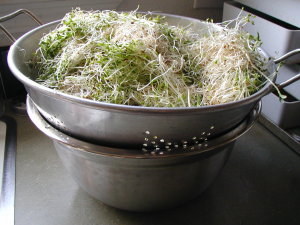
Credit: traditionalcookingschool.com
Food Safety And Sprouts
Sprouts are very healthy, but they can sometimes carry bacteria like E. coli or Salmonella. These bacteria can multiply if sprouts are stored wet or at the wrong temperature. Pregnant women, the elderly, and people with weak immune systems should be extra careful.
To reduce risk:
- Always wash hands, containers, and tools before handling sprouts.
- Rinse sprouts well before eating, even if pre-washed.
- Keep fridge at 4°C (40°F) or lower.
- Discard any sprouts that look or smell odd.
More info about sprout safety is available from the CDC.
Frequently Asked Questions
How Do You Keep Sprouts Fresh For A Week?
To keep sprouts fresh for a week, dry them well after rinsing, store in a vented container with a paper towel, and refrigerate at 2-5°C (36-41°F). Check daily for moisture and change the paper towel if damp. Use only clean tools and avoid overcrowding.
Can I Store Sprouts In Water?
No, storing sprouts in water will cause them to become slimy and spoil quickly. Sprouts need to stay moist but not wet. After rinsing, always drain and dry sprouts before storing.
Is It Safe To Eat Raw Sprouts?
Raw sprouts are healthy but can sometimes carry bacteria. If you are in a high-risk group, cook sprouts before eating. For most people, rinsing and proper storage reduces risk, but always inspect for spoilage before eating.
Why Do My Sprouts Turn Brown Or Slimy In The Fridge?
Browning or sliminess is usually due to too much moisture, poor airflow, or too high humidity. Always dry sprouts well, use a container with airflow, and change paper towels often.
What Is The Best Way To Store Microgreens?
Microgreens store best in a shallow, vented container with a dry paper towel, kept in the fridge. Eat within 2-3 days for best taste and nutrition. Do not wash until just before using, as washing speeds up spoilage.
Sprouts are a fantastic addition to any diet, but they need care to stay safe and delicious. With the right storage methods, you can enjoy crisp, healthy sprouts all week long—saving money and boosting your nutrition. Take a few extra minutes with each batch, and you’ll taste the difference every time.

Credit: thewonderfulworldofsprouts.com