
Matching cabinet doors might sound easy, but it often surprises people how detailed and complex the process can be. Whether you are remodeling your kitchen, updating your bathroom, or building custom cabinetry, the way your cabinet doors match each other—and their surroundings—will make or break the final look. Even small mismatches in color, style, or size stand out immediately. This guide will help you understand every step in how to match cabinet doors like a professional, no matter if you’re replacing a single door or refacing an entire room.
We’ll cover everything from recognizing your current cabinet style, choosing the right materials, understanding paint and stain finishes, handling hardware, and more. You’ll see real examples, learn about common mistakes, and discover expert tips that most beginners miss. If you want your cabinets to look seamless and intentional—not like a patchwork—this article is for you.
Why Matching Cabinet Doors Matters
Cabinet doors are the face of your kitchen, bathroom, or laundry room. When they match, the space feels calm, organized, and high-quality. If they don’t, the room can feel messy or unfinished, even if everything else is perfect.
Mismatched doors are distracting. For example, a new white cabinet door surrounded by older cream-colored doors will always catch your eye. Different door styles—say, a shaker next to a raised panel—can clash. Even hardware changes, like a different knob or hinge finish, can ruin the effect.
Matching cabinet doors is not just about beauty. Well-matched cabinets can increase your home’s value and make rooms feel larger. Potential buyers often judge the quality of a kitchen or bathroom by the cabinets first.
Assessing Your Current Cabinets
Before you start, you need to know exactly what you have. This means looking at:
- Door style (shaker, flat, raised panel, etc.)
- Material (wood, MDF, laminate, etc.)
- Color/finish (paint, stain, veneer)
- Size and measurements
- Hardware type and placement
- Hinge style (concealed, exposed, soft-close, etc.)
How To Identify Cabinet Door Style
Take a close look at your doors. Common styles include:
- Shaker: Flat center panel with simple, square edges.
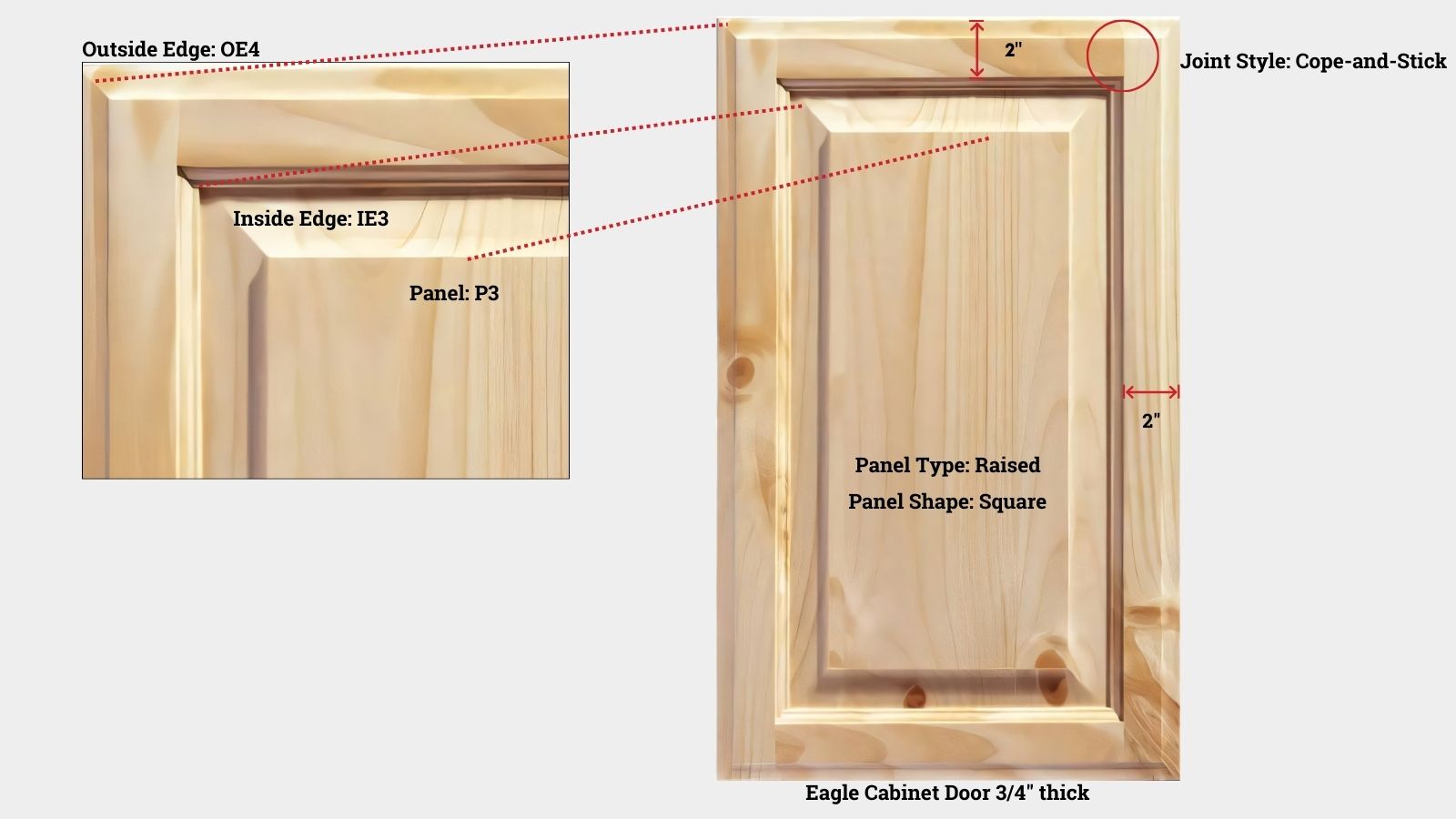
- Raised Panel: Center panel is raised, often with decorative edges.
- Slab: Completely flat, modern look.
- Beadboard: Vertical grooves for a cottage look.
- Cathedral or Arch: Curved top panel.
If you’re not sure, take a photo and search online, or bring a sample to a cabinet shop.
Measuring Cabinet Doors
Accurate measurements are critical. Measure the height and width of each door. Don’t forget to check the thickness, which is often 3/4 inch but can vary. Measure both the doors and the cabinet openings. Sometimes a cabinet may not be square, especially in older homes, so measure at the top, middle, and bottom.
Checking Material And Finish
Is your door solid wood, MDF (medium-density fiberboard), plywood, or laminate? Each material reflects light differently and takes paint or stain in its own way. If you’re not sure, look at the edges and back. Solid wood shows natural grain and may have knots.
MDF and plywood look smoother and have no grain on the edges. Laminate usually has a thin colored layer over a different core.
Finishes can be paint, stain, or veneer. Painted doors are easy to match by color but harder by gloss. Stained wood shows the grain, so matching means finding a similar wood species and stain.
Deciding What To Replace Or Match
Once you know what you have, decide your goal:
- Are you replacing all the doors?
- Just a few damaged or missing ones?
- Adding cabinets and want everything to match?
If you’re replacing all doors, you can choose any style or color. If just some, you need to match the old ones as closely as possible.
Sometimes, blending is better than matching perfectly. For example, if old doors are yellowed with age, a new door in the same color may still look different. In these cases, consider repainting or refacing all doors for a uniform look.
Choosing The Right Cabinet Door Material
Selecting the right material is essential. Not all materials look or age the same, and some are easier to match than others.
| Material | Pros | Cons | Matching Difficulty |
|---|---|---|---|
| Solid Wood | Durable, natural grain, can be refinished | Expensive, changes with humidity | Medium (grain varies) |
| MDF | Very smooth, paints well, affordable | Can swell with water, no grain | Easy (for paint) |
| Plywood | Stable, strong, lighter than solid wood | Visible layers on edges | Medium |
| Laminate | Many colors, resists stains, low cost | Can’t refinish, may chip | Hard (exact color/texture) |
| Thermofoil | Easy to clean, consistent finish | Heat sensitive, can peel | Easy (if same batch) |
Key insight: Even a perfect paint match looks different on wood vs. MDF due to how light bounces off the surface.
If your cabinets are wood, try to use the same species (like oak, maple, or cherry). If you’re matching paint, MDF is usually fine. For stains, matching the wood’s grain is important.
Matching Cabinet Door Colors And Finishes
Color matching is tricky. Paints fade, stains change over time, and wood yellows with age. Here’s how to get it right.
Matching Paint Colors
Take a door to a paint store. They can scan the color and mix paint to match. Make sure to specify the sheen (gloss, semi-gloss, satin, or matte). Even with a perfect color match, different sheens reflect light differently.
If you can’t take a door, get a color chip as close as possible. Paint a sample on a scrap piece of wood or cardboard first. Let it dry completely—paint often changes color as it dries.
Matching Stains
Matching stain is harder. Stain color depends on the wood species and how the wood absorbs the stain. Start by identifying the wood type. Then test several stain colors on scrap wood of the same species. Apply stain, let it sit, and then wipe off excess.
Compare dried samples to your existing doors.
For the closest match, you may need to mix two or more stains. Record the ratios you use so you can repeat the process.
Pro tip: If matching old cabinets, lightly sand and clean the surface before testing new colors. Dirt, grease, or old finish can change how new stain looks.
Matching Veneers And Laminates
Matching veneer or laminate is tough, especially if the product is discontinued. Bring a door to a cabinet or flooring specialist. They may have catalogs of old finishes. If you can’t find an exact match, consider refacing all doors with a new veneer for a consistent look.
Matching Door Styles And Profiles
Even with a color match, mismatched door styles stand out. Pay attention to the profile—the shape of the edges, center panels, and corners.
- A shaker door has a simple, squared edge and a flat panel.
- A raised panel has detailed edges and a thicker center.
- A slab is completely flat.
Look at the edge profile: is it square, beveled, or rounded? Are there details like grooves or beading? Take clear photos and measurements, or trace the profile on paper.
Many cabinet shops can match profiles if you bring in a sample. Sometimes, they will use a router bit to copy the exact shape.
Expert insight: Even if the face looks the same, side and top edges may differ. Always check all edges, not just the front.
Matching Cabinet Door Sizes
Cabinet doors come in standard sizes, but custom kitchens may use unusual measurements. Always measure both the door and the opening.
Here’s what to measure:
- Height and width (to the nearest 1/16 inch)
- Thickness of the door
- Overlay: How much the door covers the cabinet frame (partial overlay, full overlay, or inset)
- Hinge placement: Distance from the top and bottom to the center of the hinge holes
If you’re buying new doors, give these measurements to the supplier. For best results, remove the old door and measure directly.
Matching Cabinet Hardware
Hardware includes knobs, pulls, and hinges. Even a small change in style or finish can be noticeable.
Matching Knobs And Pulls
Check the material (metal, plastic, wood), finish (chrome, brass, bronze, black), and size. Measure the distance between screw holes (center-to-center). This is critical for handles and pulls.
If the old style is discontinued, try to match the finish and overall shape. Sometimes, replacing all the hardware is easier and creates a unified look.
Matching Hinges
Hinges are often hidden, but exposed hinges must match in style and finish. There are many types: concealed, butt, surface-mount, European, and more. Take one to a hardware store for an exact match.
Common mistake: Mixing self-closing and non-self-closing hinges can cause doors to hang differently.

Credit: planetcabinets.com
Ordering Replacement Or New Cabinet Doors
Once you have all your measurements and specifications, you can order new doors. Here’s what to check:
- Style and profile: Confirm all details.
- Material: Match existing.
- Finish: Specify color, stain, or veneer.
- Size: Double-check measurements.
- Hinge boring: Request pre-drilled holes if needed.
- Lead time: Custom doors can take 2–6 weeks.
If possible, order a sample door first. Many suppliers offer this for a small fee, which is refunded if you place a full order. Compare the sample in your room’s lighting.
Diy Vs. Professional Cabinet Door Matching
Should You Handle This Yourself Or Hire A Pro?
Diy
- Cheaper: Save on labor costs.
- Flexible: Work at your own pace.
- Satisfying: Learn new skills.
But, it’s easy to make mistakes with measurements, finishes, or installation. Matching stain, in particular, is a challenge.
Professional
- Experience: Pros know how to match colors and profiles.
- Tools: Have spray equipment, sanders, and routers.
- Guarantee: Many offer a warranty on work.
Consider hiring a pro if your cabinets are expensive, historic, or if you want a seamless look.

Credit: www.reddit.com
Installation Tips For Seamless Matching
Good installation makes a huge difference. Here’s how to get the best results:
- Label everything: Mark each door and opening.
- Install hardware first: Drill holes and attach hinges, knobs, or pulls before hanging.
- Check alignment: Use a level and measuring tape.
- Adjust hinges: Most modern hinges have screws to tweak alignment.
- Test open/close: Make sure doors swing smoothly and don’t rub.
- Touch up paint or stain after installation. Small chips or scratches are common.
Non-obvious insight: Always check lighting. A cabinet door might match perfectly in the workshop but look different under kitchen lights. Test samples under the same lighting as your room.
Matching Cabinet Doors For Different Rooms
Kitchens, bathrooms, and laundry rooms have different needs.
Kitchens
Most visible. Matching is critical for resale value. Kitchens get lots of light, so small differences stand out.
Bathrooms
Humidity changes the way wood looks and moves. Use materials that handle moisture, like MDF with good paint or thermofoil.
Laundry Rooms
Can get away with simpler or less expensive doors. But still, match color and basic style for a clean look.
When To Reface Or Repaint Instead Of Matching
Sometimes, matching a few doors is impossible—old styles, discontinued colors, or heavy wear. In these cases, consider:
- Refacing: Covering all doors with new veneer
- Repainting or restaining: Gives a uniform look
- Replacing all doors: For a full update
Refacing is faster and cheaper than a full replacement but gives a fresh look.
Cost Breakdown: Matching Vs. Replacing
Here’s a comparison to help plan your budget.
| Option | Average Cost (USD/door) | Labor Needed | Difficulty |
|---|---|---|---|
| Match & Replace Single Door | $50–$200 | Low | Easy–Medium |
| Reface All Doors | $80–$300 | Medium | Medium |
| Replace All Doors | $100–$500 | High | Medium–Hard |
| Full Cabinet Replacement | $3,000–$15,000 (whole kitchen) | Very High | Hard |
Tip: Always get multiple quotes before making a decision.
Common Mistakes In Matching Cabinet Doors
Many DIYers and even some professionals make these errors:
- Ignoring sheen: Matching color but not gloss level.
- Overlooking grain: Matching stain but not wood species.
- Forgetting hardware: Knobs or hinges that don’t match.
- Bad measurements: Ordering doors that are too big or small.
- Not checking lighting: Colors look different in various lighting.
- Wrong overlay: Getting the wrong size for the way doors cover the cabinet frame.
Always double-check every detail before ordering or painting.
Advanced Tips For Perfect Matching
- Order extra paint or stain with your doors. Batches can change over time, so having spares helps with future repairs.
- Take clear, well-lit photos of your doors and bring them when shopping.
- Consider grain direction: Vertical or horizontal grain can change the look.
- Document everything: Write down your stain mix ratios, paint color codes, and hardware brand.
- Test everything on a sample before committing to the whole project.
Environmental And Health Considerations
Paints, stains, and adhesives can release VOCs (volatile organic compounds). Choose low-VOC or no-VOC products when possible, especially in kitchens.
Many newer cabinet doors are made with FSC-certified wood or recycled materials. If this matters to you, ask your supplier.
Trends In Cabinet Door Matching
Modern kitchens often use two-tone cabinets—one color for upper doors, another for lowers. In this case, match within each group, but the contrast is intentional.
Open shelving with matching doors below is also popular. Here, focus on matching the doors to the base cabinets.
Matte finishes are trending, but they show fingerprints more easily. High-gloss is less forgiving for mismatches but easier to clean.
Resources For Finding Cabinet Door Matches
There are many resources if you need help:
- Local cabinet shops: Can custom-make doors.
- Home improvement stores: Offer standard sizes and styles.
- Online suppliers: Many have search tools for matching.
- Manufacturer websites: Some brands keep archives of old styles.
- Professional finishers: Can custom-match paint or stain.
For more in-depth technical information, you can visit Wikipedia’s Cabinetry page.
Frequently Asked Questions
How Do I Match A Discontinued Cabinet Door Style?
First, identify the style, material, and finish. Bring a sample to a custom cabinet shop—they can often replicate profiles and colors, even if the original is no longer made. Sometimes, refacing all doors is a better option if a perfect match is impossible.
Can I Paint A New Door To Match Old Cabinets?
Yes, but it takes careful prep. Sand and prime the new door, then use the same paint color and sheen. Apply paint in thin, even coats. If possible, repaint all doors for the most seamless look.
Is It Possible To Match Laminate Cabinet Doors?
Exact matches are hard, especially if the original is discontinued. Try to find the closest color and texture. If this fails, consider replacing all door fronts or using a matching paint for a new look.
How Do I Match Stained Cabinet Doors?
Identify the wood species and test stains on scrap pieces of the same wood. Use the same application method and drying time. Sometimes, you’ll need to mix stains or use a tinted topcoat to get an exact match.
Should I Replace All Hardware When Matching Cabinet Doors?
If you can find the same hardware style and finish, you can reuse your old pieces. If not, replacing all hardware ensures a consistent look and is often a small extra cost for a big visual improvement.
Matching cabinet doors is a project that rewards patience and attention to detail. With the right planning and these expert tips, you can achieve a seamless, professional look—even if you’re only replacing a single door. Take your time, check your work, and don’t hesitate to ask for expert help if you need it.
The result is a space that feels unified, welcoming, and valuable.
Credit: www.cabinetnow.com