
Opening cabinets without handles can feel like a puzzle, especially if you’re used to kitchens and bathrooms with traditional hardware. But handleless cabinets are becoming more popular in modern homes. They give a clean, simple look. They’re also easier to keep clean, with no handles to collect dust or grime.
However, not everyone knows how to open these cabinets, and the methods can be confusing if you’ve never used them before. Maybe you just moved into a new apartment with handleless cabinets. Or perhaps you want to upgrade your space and are curious about daily use.
Whatever your reason, understanding how to open cabinets without handles will make your life easier and prevent damage to your furniture.
This guide explores all the main methods used in handleless cabinetry. It explains how each system works, why they exist, and which is best for different situations. You’ll find practical tips, common mistakes to avoid, and smart tricks for smooth operation.
If you’ve ever pushed, pulled, or tapped a cabinet door and wondered what to do next, this article is for you.
Why Choose Handleless Cabinets?
Handleless cabinets are not just a trend in interior design; they serve both style and function. People choose them for several reasons:
- Sleek appearance: Without handles, cabinets look modern and streamlined. This helps make small kitchens appear larger and less cluttered.
- Easy cleaning: No handles means fewer spots for dirt, grease, or bacteria to collect. Wiping down the surface is faster and simpler.
- Safety: Without protruding handles, you’re less likely to bump into sharp corners, especially in tight spaces.
- Universal design: Handleless cabinets can be easier to use for people with limited grip strength or arthritis because some systems require only a gentle push or tap.
However, the choice also comes with a learning curve. Understanding how to open cabinets without handles is key to getting the most out of your kitchen or bathroom.
Main Handleless Cabinet Opening Systems
There are several ways to open handleless cabinets. Each system has its own mechanism and unique feel. Let’s explore the most common options.
1. Push-to-open Mechanism
Push-to-open systems are among the most popular in modern handleless kitchens. Here’s how they work:
- Mechanism: A small spring-loaded latch (called a push latch) is installed inside the cabinet. When you push the door lightly, the latch releases and the door pops open.
- Operation: To close, you simply push the door shut until you hear a click.
This system is great for people who often have their hands full. You can use your hip, elbow, or even a knee to open the cabinet if your hands are messy or occupied.
Tips:
- Aim to push near the corner where the latch is located for the easiest opening.
- Use gentle pressure; pushing too hard can damage the latch over time.
Common Mistake: Many people push too close to the hinge side, making the door harder to open. Always push near the opposite edge for best results.
2. Tip-on Mechanism
The tip-on system is similar to push-to-open, but it’s a bit more advanced. Tip-on is a brand name from Blum, but the idea is used by others too.
- Mechanism: The door is mounted on special hinges with a spring mechanism. A light push (tip) activates the system, and the door opens slightly so you can pull it the rest of the way.
- Operation: To close, push the door until it clicks.
This mechanism is often used in combination with soft-close hinges for a smooth, quiet operation.
Practical Insight: If you’re installing tip-on yourself, make sure the cabinet alignment is perfect. Even a small misalignment can prevent the tip-on from working smoothly.
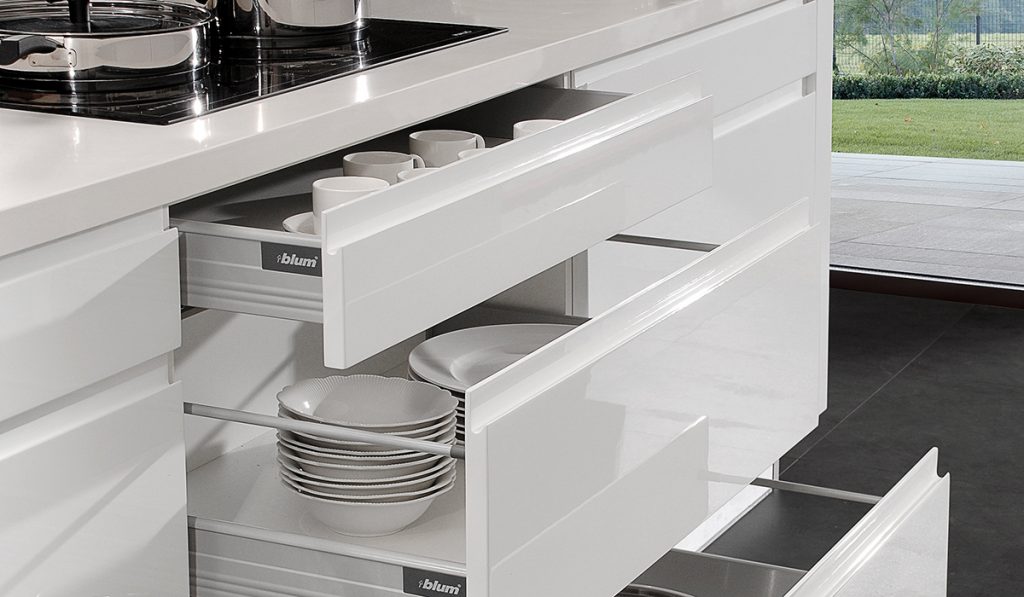
3. Integrated Handle (j-pull, C-channel, Or Recessed Grip)
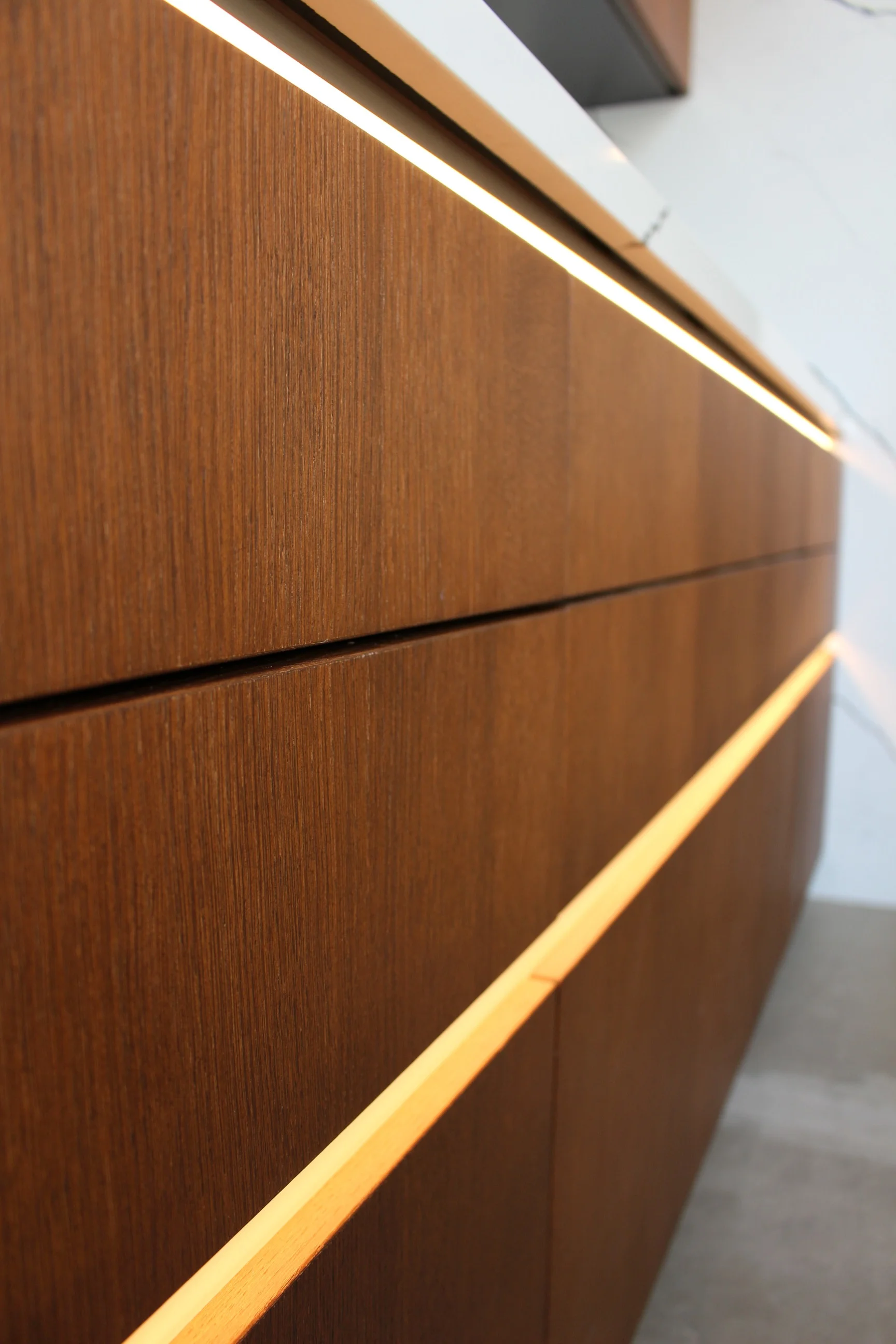
Some cabinets are called “handleless,” but they actually have integrated handles. These are grooves or channels built into the edge of the door or drawer.
- J-Pull: A groove shaped like a letter “J” is cut into the door. You hook your fingers in and pull.
- C-Channel: A metal or plastic channel is fitted behind the door edge. You grip the channel to pull open.
- Recessed Grip: A small pocket or cutout in the door provides a place for your fingers.
These systems are very durable because there are no moving parts. You just need to know where to place your fingers.
Non-obvious Tip: Wipe the inside of the groove regularly. Grease, crumbs, and dust can collect and make the grip slippery.
4. Electric Touch-open (servo-drive)
Some high-end cabinets use electric touch-to-open systems. You touch the door lightly, and a small motor pushes it open.
- Mechanism: A sensor detects your touch. The motor opens the door or drawer automatically.
- Operation: To close, push the door gently, and the motor will retract.
This is especially useful for heavy drawers or pull-outs, like those holding pots and pans.
Non-obvious Insight: These systems need power, so a power cut can make your cabinets harder to open. Always have a manual backup or know how to open the doors in an emergency.
5. Magnetic Catch
Some handleless cabinets use a magnetic catch system. Magnets inside the cabinet and on the door hold the door closed. To open, you pull gently until the magnet releases.
- Operation: You may need to use your fingers on the door edge or a recessed area.
- Common Use: More common in lightweight cabinets, RVs, or budget handleless designs.
Practical Example: If your magnetic catch feels too strong, you can adjust the position or replace the magnet with a weaker one.
6. Touch-latch With Release Button
Some handleless cabinets (especially in offices or utility spaces) use a touch-latch with a release button. You press a hidden button under the door or on the side, and the latch releases.
- Operation: This system is less common in kitchens but can be found in specialty furniture.
Common Mistake: Forgetting where the button is located. If you can’t open the door, check for a small, hidden button or lever.
Credit: www.rtacabinetstore.com
How To Open Cabinets Without Handles: Step-by-step
Now that you know the main systems, here’s how to open each type in practice.
Push-to-open Cabinets
- Stand in front of the door or drawer.
- Locate the area where the latch is installed (usually near the top or side opposite the hinge).
- Use your hand, elbow, or even hip to press gently on this spot.
- The door will pop open slightly.
- Pull the door open the rest of the way if needed.
Expert Tip: If the door doesn’t pop, try pressing a little harder or closer to the edge. If it still doesn’t open, the latch may be broken or misaligned.
Tip-on Cabinets
- Find the edge of the door.
- Use your fingertips to give a light “tip” or push.
- The door will open a few centimeters.
- Grip the door and pull open.
Note: If the door feels stuck, check for misaligned hinges or debris blocking the gap.
Integrated Handle Cabinets
- Find the groove, channel, or cutout along the door edge.
- Slide your fingers into the groove.
- Pull gently but firmly.
- For drawers, you may need to use both hands for heavy loads.
Tip: If your hands are wet or greasy, the grip can be slippery. Wipe your hands or the groove first.
Electric Touch-open Cabinets
- Touch the designated spot on the door or drawer face.
- Wait for the motor to push the door open.
- Pull open the rest of the way if needed.
- To close, push the door gently; the motor will pull it shut.
Warning: If the power is out, check for a manual release button inside the cabinet.
Magnetic Catch Cabinets
- Locate the edge of the door.
- Grip the edge or recessed area.
- Pull with gentle force until the magnet releases.
- For drawers, pull evenly to avoid twisting.
Maintenance Tip: If the magnet is too strong, try repositioning it for easier opening.
Touch-latch With Release Button Cabinets
- Find the hidden button (often under the cabinet or on the side).
- Press the button.
- The latch will release, and the door will pop open.
- Pull open as needed.
Troubleshooting: If the button sticks, clean it or apply a small amount of silicone spray.
Comparing Handleless Cabinet Opening Systems
To help you decide which handleless system might suit your needs, here’s a comparison of key factors.
| System | Ease of Use | Maintenance | Cost | Durability |
|---|---|---|---|---|
| Push-to-Open | Easy | Medium (latch may wear) | Low to Medium | Good |
| Tip-On | Very Easy | Medium | Medium | Good |
| Integrated Handle | Easy | Low | Low | Excellent |
| Electric Touch-Open | Very Easy | High | High | Good |
| Magnetic Catch | Moderate | Low | Low | Fair |
| Touch-Latch with Button | Moderate | Medium | Medium | Fair |
Credit: www.prodeco-global.com
Choosing The Right Handleless Cabinet System
Selecting the best system depends on your space, budget, and personal preference. Here are some factors to consider:
Kitchen Vs. Bathroom Vs. Living Room
- Kitchen: Push-to-open and integrated handles are most popular. Kitchens get lots of use, so durability matters.
- Bathroom: Integrated handles or magnetic catch systems are common. Moisture can affect some push latches.
- Living Room/Bedroom: Electric touch-open adds a luxury feel for display cabinets or wardrobes.
Example: If you have young children, integrated handles might be safer. Electric touch-open is great for accessibility, but it’s pricier.
Table: Best Systems By Location
| Location | Recommended System | Why |
|---|---|---|
| Kitchen | Push-to-Open, Integrated Handle | Easy to use, durable, less cleaning needed |
| Bathroom | Integrated Handle, Magnetic Catch | Less affected by humidity, simple maintenance |
| Living Room | Electric Touch-Open | Modern look, convenient for display cabinets |
| Bedroom | Integrated Handle | No noise, safe for all ages |
| Office | Touch-Latch with Button | Secure, easy for multi-user environments |
Special Needs And Accessibility
If someone in your home has arthritis, mobility issues, or limited grip strength, electric touch-open or push-to-open systems are the best choices. They require less force and no fine finger movement.
Non-obvious Insight: Push-to-open can be installed at different strengths. Ask your installer for the lightest-touch option if accessibility is important.
Budget Considerations
- Low Budget: Magnetic catch or integrated handle.
- Medium Budget: Push-to-open or tip-on.
- High Budget: Electric touch-open.
Remember, the initial cost is just one factor. Consider long-term maintenance and repair costs, especially for electric systems.
Maintenance And Cleaning Tips
Handleless cabinets are easy to keep clean, but each system needs a little care.
Push-to-open And Tip-on
- Check the latch for crumbs or dust every month.
- Wipe the edges and inside corners with a damp cloth.
- If the door starts sticking, apply a small amount of silicone spray to the latch.
Integrated Handles
- Use a small brush or vacuum to clean grooves.
- Wipe with mild soap and water to remove grease.
- Avoid using sharp objects in the groove to prevent scratches.
Electric Systems
- Keep sensors clean and free of grease.
- Test the backup/manual release regularly.
- If the motor is noisy, call a technician for service.
Magnetic Catch
- Make sure the magnet stays free of rust or debris.
- If the magnet is weak, replace it with a new one.
Touch-latch With Button
- Test the button regularly.
- Clean out any dust or grit.
- If it sticks, a drop of silicone spray can help.
Pro Tip: Always use gentle cleaning products to avoid damaging finishes, especially on high-gloss or painted cabinets.
Common Problems And How To Fix Them
Even the best handleless cabinets can have issues. Here’s how to solve the most frequent problems.
Cabinet Doesn’t Open
- Push-to-Open/Tip-On: The latch may be misaligned. Check that the door is square and the latch lines up with the plate.
- Integrated Handle: The groove may be dirty or your grip is too light.
- Electric: Check the power supply or try the manual release.
Cabinet Doesn’t Close Properly
- Latch systems can get blocked by debris. Clean the area.
- Hinges may be loose. Tighten with a screwdriver.
- For drawers, check that nothing is stuck behind them.
Door Pops Open On Its Own
- The latch may be too sensitive or not installed tightly.
- Adjust the tension or move the catch closer to the plate.
Door Makes Noise
- Soft-close hinges can wear out. Replace if noisy.
- Electric motors should be silent. If you hear grinding, call a technician.
Non-obvious Tip: For push-to-open cabinets, check the rubber bumper. If it’s missing, replace it to prevent rattling.
Upgrading Existing Cabinets To Handleless
If you want handleless cabinets but don’t want a full remodel, you can often upgrade your existing doors.
Push-to-open Retrofit
- Buy a push latch kit from a hardware store.
- Remove the old handle and patch holes if needed.
- Install the push latch inside the cabinet.
- Adjust so the door pops open with a light push.
Integrated Handle Retrofit
- This is more difficult, as it requires cutting a groove into the door. Only attempt if you have woodworking experience.
- Alternatively, replace the door with a new one with an integrated handle.
Magnetic Catch Retrofit
- Easy to install. Attach the magnet to the cabinet body and a metal plate to the door.
- Adjust until the closing force feels right.
Caution: Not all cabinets are designed for handleless use. Test the system first on one door before upgrading all cabinets.
Credit: www.bauformatseattle.com
Safety And Childproofing
Handleless cabinets are generally safer for kids since there’s nothing to bump into. However, they can be easier for small children to open.
- Use childproof locks inside the cabinet if you store cleaning products or sharp tools.
- For electric or push-to-open systems, some models have a “lock-out” feature.
Safety Insight: Soft-close hinges reduce the risk of pinched fingers, an added benefit for families.
When To Call A Professional
If your handleless cabinet system is not working, and you can’t fix it with cleaning or adjustment, call a professional installer or a cabinet specialist. This is especially important for electric systems, where DIY repairs could void your warranty.
The Future Of Handleless Cabinets
Handleless cabinets are becoming smarter, with features like voice control and motion sensors. Some high-end kitchens now let you open cabinets with a wave of your hand or a voice command. These features are still expensive but may become common in the next few years.
Example: Some systems use Bluetooth to let you open a drawer with your phone, perfect for people with mobility issues.
For now, the main systems remain push-to-open, tip-on, and integrated handles, with electric options for premium spaces.
Frequently Asked Questions
How Do I Know Which Handleless System My Cabinet Uses?
Look at the edge and inside the cabinet. If there’s a groove or channel, it’s an integrated handle. If you see a spring or latch, it’s likely push-to-open or tip-on. For electric, check for a power supply or sensor.
Are Handleless Cabinets Harder To Keep Clean?
No, they’re actually easier. There are fewer places for grime to collect. Just remember to clean grooves or channels in integrated handle designs.
Can I Upgrade My Old Cabinets To Handleless?
Yes, you can add push-to-open or magnetic catch systems to many cabinets. Integrated handles are harder to retrofit and usually require new doors.
What If My Electric Touch-open System Stops Working?
Check the power supply first. Most systems have a manual release. If not, contact a technician. For more details, see Wikipedia.
Are Handleless Cabinets Safe For Children?
Generally yes, but they can be easy for children to open. Use child locks for safety, especially on cabinets with dangerous items.
Handleless cabinets bring style and simplicity to any home, but they require a bit of know-how. Once you understand the opening mechanisms, you’ll find them just as easy—if not easier—than traditional cabinets. Use the right technique, keep your system clean, and your kitchen will look modern and work smoothly for years to come.