
When your home relies on a gas furnace for heat, even a small problem in the gas line can cause major headaches. One common but often misunderstood issue is air trapped in the furnace gas line. This can cause your furnace to fail to ignite, run poorly, or even shut down completely. Learning how to purge air from a furnace gas line is a valuable skill for homeowners, property managers, and anyone responsible for maintaining gas heating systems. Done safely and correctly, purging air restores proper furnace function and can prevent costly service calls.
Many people think that if their furnace stops working, it’s a major breakdown. In reality, something as simple as trapped air after a gas supply interruption or new installation is often the culprit. Ignoring this can lead to cold nights, unnecessary repairs, and even safety risks.
This guide explains, in clear and simple steps, how to recognize, prepare for, and safely purge air from your furnace gas line. You’ll also learn practical tips, what tools you need, common mistakes to avoid, and when to call a professional.
Why Air Gets Trapped In Furnace Gas Lines
Understanding why air enters the gas line helps you prevent future problems. Air can enter the system during:
- New furnace installation
- Gas supply interruptions (like utility work or running out of propane)
- Maintenance work that involves disconnecting gas lines
When air is present, your furnace may struggle to ignite because the burners need pure gas—not a mix of gas and air. This can cause the pilot light to flicker or go out, or the burners to sputter and fail to light at all.
Sometimes, after a gas outage, air pockets remain in the pipes, especially if the system wasn’t properly bled. Even a small amount of air can cause ignition issues, leading to frustration and confusion.
Signs That Air Is Trapped In Your Furnace Gas Line
Before you start, you need to be sure that air in the gas line is really your problem. Here are the most common signs:
- Furnace won’t ignite: The ignitor sparks, but the burners don’t light.
- Pilot light won’t stay lit: You relight it, but it goes out quickly.
- Burners sputter: You hear popping or see weak, uneven flames.
- Gas smell: Short whiffs during attempted starts (small whiffs are normal at start-up, but strong or ongoing odor means a leak—not air).
It’s important to rule out other problems before purging the line. Faulty ignitors, dirty burners, or defective gas valves can cause similar symptoms. Always check your furnace manual and safety labels before proceeding.
Safety Precautions Before Purging
Working with gas lines is serious. Even small mistakes can cause leaks or fire hazards. Follow these safety steps every time:
- Turn off the furnace at the thermostat and main power switch.
- Shut off the gas supply at the closest shutoff valve to the furnace.
- Ventilate the area by opening windows and doors.
- Keep flames and sparks away. No smoking or open flames nearby.
- Have a fire extinguisher rated for gas fires close at hand.
- Wear safety gear: Use gloves, safety glasses, and a long-sleeve shirt.
Never attempt this if you smell a strong, ongoing gas odor. That’s an emergency—leave the area and call your gas provider immediately.
Tools And Materials Needed
You don’t need expensive equipment, but a few basic tools make the job easier and safer:
- Adjustable wrench
- Screwdriver (flathead or Phillips, depending on your furnace)
- Soap and water solution (for leak testing)
- Rags or towels
- Flashlight (for dark areas)
- Furnace manual (to locate parts and understand your model)
Some models may require a nut driver or special tool for the burner access panel. Check your manual before starting.
Step-by-step Guide: How To Purge Air From A Furnace Gas Line
You’re now ready to start purging air from your gas line. These steps are designed for typical residential furnaces with a manual ignition or pilot light system. For modern electronic ignition systems, the process is similar but may require resetting the control board.
1. Turn Off Power And Gas
Start by making the area safe:
- Set the thermostat to ‘off’.
- Flip the furnace power switch to ‘off’ (usually on the side or nearby wall).
- Close the gas shutoff valve near the furnace (handle should be perpendicular to the pipe).
Double-check that everything is off before proceeding.
2. Access The Burner Or Pilot Area
Open the furnace’s front panel. Some models have a small access panel just for the pilot or burners.
- Use your screwdriver or nut driver to remove screws.
- Set the panel aside in a safe spot.
Locate the pilot assembly or the burners. Check your manual if you’re unsure.
3. Loosen The Gas Line Fitting Slightly
This step is where you release air trapped in the line. Look for the union or connector fitting just before the burner or pilot assembly.
- Place a rag under the fitting to catch any small gas or debris release.
- Use your adjustable wrench to gently loosen the fitting (do not remove it completely). You should hear a faint hissing sound as air escapes.
Important: Only loosen the fitting enough to allow air to escape. Never fully disconnect any gas line.
4. Open The Gas Valve Slowly
With the fitting slightly loose:
- Slowly open the gas shutoff valve about halfway.
- Let the air escape for 10–15 seconds, or until you smell a faint gas odor.
- As soon as you smell gas, immediately close the shutoff valve.
This means the air has been purged, and gas has reached the burner.
5. Tighten The Fitting
Quickly and carefully:
- Use your wrench to tighten the fitting back to its original position.
- Wipe off any excess residue with your rag.
Never leave fittings loose after purging.
6. Test For Gas Leaks
This is a critical safety step. Mix a few drops of dish soap in water. Using a brush or spray bottle:
- Apply the solution to the fitting you loosened.
- Open the gas valve.
- Watch for bubbles. Bubbles mean a leak.
If you see bubbles, immediately close the gas valve and tighten the fitting again. Test once more with soap solution.
7. Reassemble And Power On
Once you’re sure there’s no leak:
- Replace the burner or pilot access panel.
- Turn on the furnace power switch.
- Set the thermostat to ‘heat’ and raise the temperature.
The furnace should now ignite and run smoothly.
8. Observe Furnace Operation
Stay near the furnace for a few cycles. Watch for:
- Normal burner ignition (strong blue flames)
- Pilot light stability
- No unusual noises or smells
If all is well, you’ve successfully purged the air.
Special Steps For Electronic Ignition Furnaces
Many newer furnaces use electronic ignitors instead of a pilot light. The process is similar, but you may need to reset the control board after purging.
- After purging, restore power and set the thermostat to ‘heat’.
- If the furnace doesn’t ignite, check the display for error codes.
- Some models require pressing a ‘reset’ button or cycling the power to clear air faults.
Always consult your manual for model-specific steps.
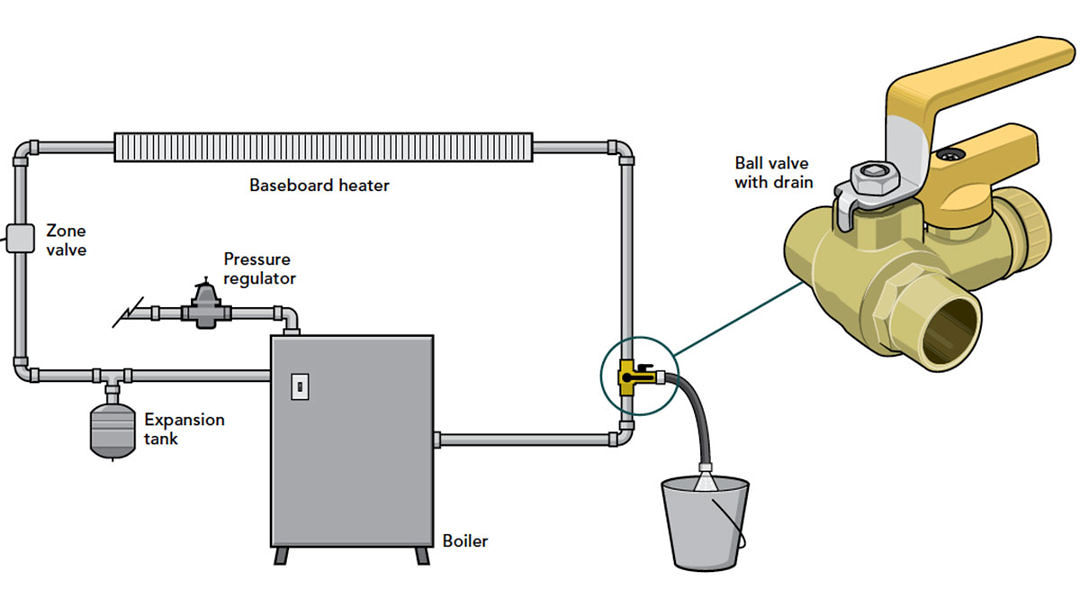
Credit: www.finehomebuilding.com
What If The Furnace Still Won’t Ignite?
If your furnace still won’t start after purging air, the problem may not be air in the line. Consider these issues:
- Dirty burners or pilot assembly
- Faulty ignitor
- Defective gas valve
- Thermostat problems
- Blown fuse or tripped breaker
If you’re unsure or uncomfortable, call a licensed HVAC technician. Never force repairs or bypass safety systems.
Table: Air Purge Steps Vs. When To Call A Professional
Below is a comparison of tasks homeowners can do themselves and situations that require a professional.
| Task | Homeowner Can Do | Professional Needed |
|---|---|---|
| Purging air after utility shutoff | Yes, with basic tools | No |
| Major gas leak detection/repair | No | Yes |
| Replacing gas valves or regulators | No | Yes |
| Testing for leaks with soap solution | Yes | No |
| Diagnosing electronic control faults | Maybe | Yes |
How Long Does It Take To Purge Air?
For most home furnaces, purging air takes 10 to 20 minutes. The actual time depends on:
- Length of gas line
- Amount of air trapped
- Your experience level
If you’re new, give yourself extra time for safety checks. Never rush the process—safety always comes first.
Risks And Common Mistakes To Avoid
Even small errors can be dangerous. Here are the most common mistakes:
- Skipping leak tests: Never skip the soap solution test after purging.
- Over-loosening fittings: Only loosen fittings enough for air to escape—not fully off.
- Purging too long: Once you smell gas, close the valve. Too much purging wastes gas and can cause a buildup.
- Ignoring strong gas smells: A persistent strong odor is a leak, not trapped air.
- Forgetting to turn off power/gas: Always make the area safe first.
Many homeowners miss the importance of re-tightening the fitting and testing for leaks. These are the two steps where most DIY attempts go wrong.
Table: Signs Of Air Vs. Signs Of Gas Leak
Recognizing the difference is crucial for safety.
| Symptom | Trapped Air | Gas Leak |
|---|---|---|
| Furnace won’t ignite after outage | Yes | No |
| Pilot light flickers | Yes | No |
| Strong, ongoing gas smell | No | Yes |
| Soap bubbles at fittings | No | Yes |
| Burst of gas odor, then gone | Yes | No |
Practical Tips For A Safe And Successful Purge
- Always read your furnace’s manual first. Every model is slightly different.
- Purge air after any service that interrupts the gas supply.
- Work in daylight or good lighting. Shadows make leak detection harder.
- Keep children and pets away from the area during the process.
- If you have propane, open the tank valve slowly to avoid pressure surges.
A less obvious tip: If your furnace is in a basement or enclosed space, use a small fan to improve ventilation during purging. This helps clear any minor gas odors quickly.

Credit: diy.stackexchange.com
When To Call A Professional
Not all gas line issues are safe for DIY repair. Call a licensed HVAC pro if:
- You smell strong or ongoing gas odors
- You can’t get the fitting to seal after purging
- The furnace still won’t ignite after several tries
- You see error codes you don’t understand
- You feel uncomfortable or unsure about any step
Professionals have special tools, leak detectors, and the experience to solve tricky problems safely.
How To Prevent Air In Gas Lines In The Future
While you can’t always prevent gas supply interruptions, you can minimize air entry:
- Don’t let propane tanks run empty. Refill before reaching 10%.
- After utility work, ask the technician to bleed the line.
- When moving or replacing a furnace, purge air before reconnecting.
- Schedule regular furnace maintenance to catch small leaks or issues early.
A good maintenance habit is to check for leaks with a soap solution at least once a year, even if you haven’t had an outage.
Table: Purge Frequency For Different Furnace Types
Some systems need purging more often than others.
| Furnace Type | Purge After Install | Purge After Outage | Annual Purge Needed? |
|---|---|---|---|
| Natural Gas, Pilot Light | Yes | Yes | No |
| Natural Gas, Electronic Ignition | Yes | Yes | No |
| Propane Furnace | Yes | Yes | No |
| Oil Furnace | No | No | No |
| Commercial/Industrial | Yes | Yes | Maybe (consult pro) |
Real-world Example
Sarah, a homeowner in Minnesota, found her furnace wouldn’t ignite after a week-long gas outage. She followed her manual’s steps but missed the importance of leak testing after purging the line. A faint gas odor lingered, but she thought it was normal.
Only after her carbon monoxide alarm went off did she call a technician, who found a loose fitting.
This example shows why leak testing is just as important as purging air. Even experienced DIYers can overlook this crucial step.
External Resource For Further Reading
If you want to learn more about furnace safety and gas line maintenance, visit the National Fire Protection Association’s Natural Gas Safety page. They offer trusted advice and safety tips for homeowners.
Frequently Asked Questions
What Is The Main Risk When Purging Air From A Gas Line?
The main risk is accidentally causing a gas leak by failing to tighten fittings properly or not checking for leaks. Always use a soap solution to check for bubbles after purging, and never ignore a strong or persistent gas odor.
How Often Should I Purge My Furnace Gas Line?
You only need to purge the line after events that introduce air, such as new installation, gas outages, or major repairs. Routine annual purging is not necessary unless your system is serviced or shut down for a long time.
Can I Purge Air From The Gas Line Myself, Or Do I Need A Professional?
Most homeowners can safely purge air using basic tools and careful steps, especially for minor outages or after running out of fuel. However, if you smell strong gas or feel unsure, call a licensed professional.
What’s The Difference Between A Gas Leak And Trapped Air?
Trapped air causes ignition problems and mild, short whiffs of gas when purging. A gas leak causes a strong, ongoing smell and can be detected with soap bubbles at fittings. If in doubt, always treat strong smells as a leak and call for help.
Is It Dangerous To Skip Leak Testing After Purging?
Yes, skipping leak testing is very dangerous. Even small leaks can build up gas in your home, leading to fire or explosion risk. Always test every fitting you loosen with a soap and water solution before using your furnace.
Keeping your furnace running safely is easier when you know how to handle simple issues like air in the gas line. By following these steps, you can restore heat quickly, avoid unnecessary service calls, and keep your home safe and comfortable all winter.
Remember, when in doubt, always call a professional—your safety comes first.

Credit: www.youtube.com