
Reaching high kitchen cabinets is a common challenge in many homes. Whether you are short, elderly, or simply dealing with a kitchen designed with tall storage, you have probably struggled to grab a pan, bowl, or spice jar from the top shelves.
This problem is not just about inconvenience; it can also pose safety risks if you stretch too far or use unstable chairs to climb. But there are safe, creative, and practical ways to access those out-of-reach places.
In this guide, you will discover proven methods to reach high kitchen cabinets without stress or risk. You will learn about the best tools, smart design solutions, and simple daily habits that make your kitchen more accessible. Each section offers clear advice, practical tips, and expert insights so you can stop struggling and start enjoying your kitchen.
Why High Kitchen Cabinets Are Hard To Reach
Many kitchens have upper cabinets that extend almost to the ceiling. Designers use this space to maximize storage, especially in small kitchens. However, these tall cabinets often become “dead zones” where items are forgotten because they are hard to reach.
Short people, seniors, and children find these cabinets especially difficult. Even average-height adults may need to stretch dangerously or use makeshift tools. Besides safety risks, this can cause frustration and make you less likely to use what you store up high.
If you want your kitchen to be both beautiful and functional, you need solutions that work for everyone.
Assessing Your Kitchen And Needs
Before you choose a method for reaching high cabinets, take a close look at your kitchen and your personal needs. Consider these questions:
- How high are your cabinets from the floor?
- What is your own height and reach?
- What items do you store in the highest cabinets?
- Is your household multi-generational or does it include children or seniors?
- How much space do you have for step stools, ladders, or other tools?
- Are you looking for temporary solutions or more permanent changes?
Measuring the height of your cabinets and your own vertical reach will help you choose the right tools. For example, standard kitchen cabinets are often 54 to 72 inches from the floor. If you can reach up to 70 inches, you’ll need help for anything above that.
Safe Climbing Tools For Everyday Use
One of the safest and most practical ways to reach high kitchen cabinets is with the right climbing tool. Here are the most popular options, with their pros and cons:
Step Stools
Step stools are the go-to solution for most kitchens. They come in many sizes, from single-step models to three-step ladders.
- Pros: Easy to use, lightweight, and foldable. Some have anti-slip surfaces and handrails.
- Cons: Take up storage space. Can be risky if used incorrectly.
For example, a two-step stool usually adds about 18 inches to your reach, enough for most upper shelves. Some stools are designed to fold flat, so you can slide them beside your fridge or in a closet.
Small Ladders
Small ladders (also called kitchen ladders) offer more height and stability than basic step stools.
- Pros: Higher reach, sturdy construction, wide steps.
- Cons: Bulkier than stools, harder to store in small kitchens.
If you need to access cabinets above 72 inches, a three-step ladder with a handrail is a good choice. Always check the weight limit and make sure it has rubber feet to prevent slipping.
Comparison: Step Stool Vs. Small Ladder
Here’s a quick look at the main differences:
| Feature | Step Stool | Small Ladder |
|---|---|---|
| Height Gained | 12-24 inches | 24-36 inches |
| Storage Needs | Low | Medium |
| Portability | Very Easy | Easy |
| Safety Features | Some models with handrails | Often have handrails and wide steps |
Important Safety Tips
- Never stand on chairs, boxes, or countertops. These are not safe for climbing.
- Always place your step stool or ladder on a flat, dry surface.
- Check for weight limits and stability before climbing.
- If you feel off-balance, ask for help.
Using Reachers And Grabber Tools
If you want to avoid climbing, reacher tools (also called grabbers) are a smart choice. These long-handled tools let you grab items from high shelves without stepping up.
- Pros: Reduce the need for climbing, lightweight, easy to use.
- Cons: Limited to lighter items, not suitable for heavy pots or glassware.
Many reachers have rubberized tips for a better grip. They are especially useful for seniors or anyone with limited mobility. Some models fold for easy storage.
How To Use A Reacher Tool
- Stand directly in front of the cabinet.
- Extend the reacher and open the grip.
- Position the jaws around the item you want.
- Squeeze the handle to close the grip.
- Pull the item towards you slowly and carefully.
Pro tip: Practice with lighter, unbreakable items first. Some users forget that the tool can only hold a certain weight, and heavy jars may slip.

Credit: herringbonehouse.com
Pull-down Shelving And Cabinet Organizers
If you are renovating or looking for a long-term solution, consider pull-down shelving. These systems let you bring high shelves down to your level with a gentle pull.
- Pros: Very safe, no need to climb, perfect for daily use.
- Cons: More expensive, requires installation.
Pull-down shelves are popular in universal design kitchens, where accessibility is key. Some units use hydraulic arms or springs to make lifting easy, even for children or seniors. You can install them in most standard cabinets.
Types Of Pull-down Shelves
- Full cabinet pull-down: Lowers an entire shelf to counter height.
- Single shelf pull-down: Only one shelf moves, good for spices or small items.
Example: Installing A Pull-down Shelf
Installation usually takes less than an hour. You’ll need a drill, screwdriver, and measuring tape. Most units come with clear instructions. If you are unsure, hire a professional installer.
Drawer And Shelf Inserts For Easier Access
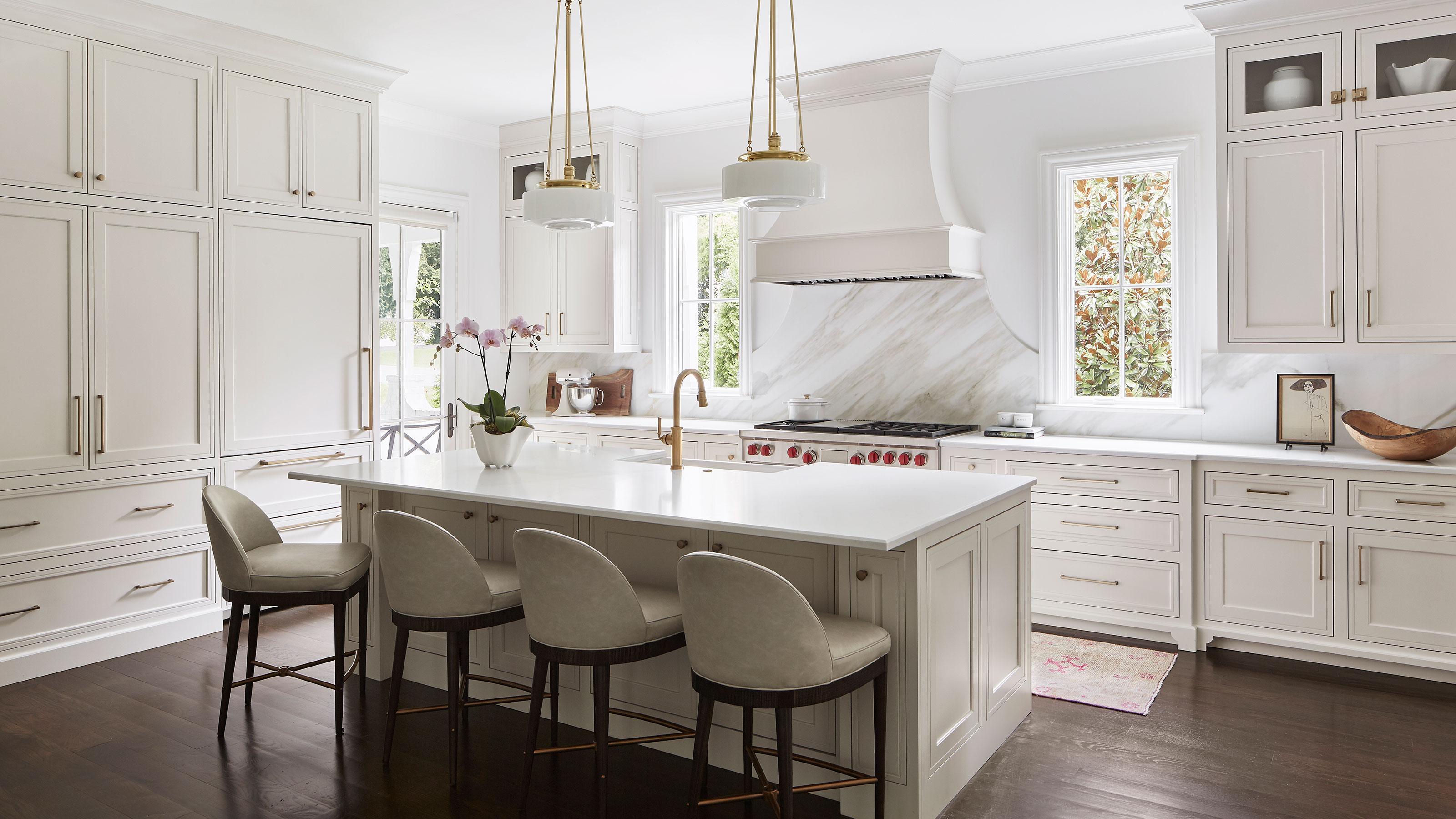
You can also improve access to high cabinets by using drawer inserts, lazy Susans, or pull-out organizers. These don’t change the cabinet height but make it easier to reach items at the back.
- Lazy Susan: A rotating tray that brings items to the front.
- Pull-out baskets: Slide out smoothly, so you don’t need to reach far.
- Tiered shelf inserts: Raise items so you can see and grab them easily.
These organizers are especially helpful for spices, canned goods, or cleaning supplies. Choose sturdy, non-slip models for safety.
Credit: www.homesandgardens.com
Organizing Your Kitchen For Accessibility
Smart organization is just as important as tools or gadgets. If you use your high cabinets for everyday items, you are making life harder than it needs to be. Here’s how to reorganize for easier access:
- Store everyday items low: Keep plates, cups, and cooking tools in lower cabinets or drawers.
- Use high cabinets for rarely-used items: Save the top shelves for holiday dishes, special platters, or backup supplies.
- Label storage boxes: Use labeled bins or baskets so you can quickly find what you need, even if it’s up high.
Non-obvious tip: If you have deep upper cabinets, store things in clear containers. This way, you can see what’s inside without pulling everything out.
Custom Cabinet Solutions
For those planning a new kitchen or a full remodel, custom cabinet designs can solve the problem for good. Here are some smart options:
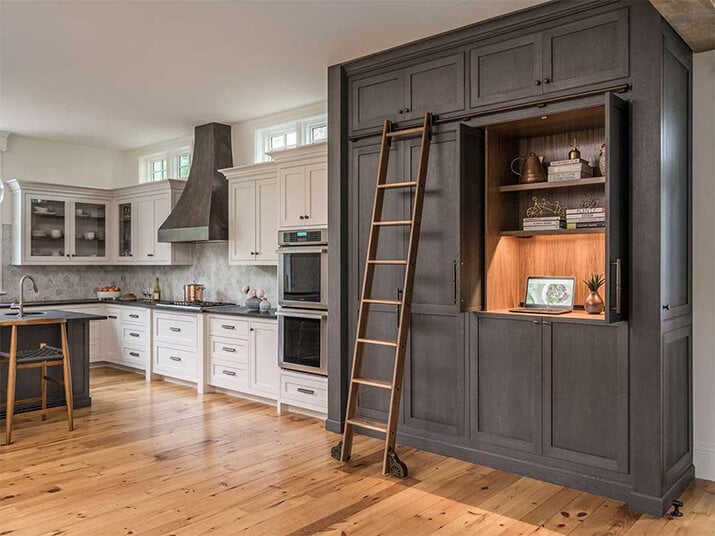
Cabinets With Built-in Ladders
Some modern kitchens feature built-in ladders that slide on a rail, like those in old libraries. These are stylish and safe, but require planning and enough wall space.
Lowered Upper Cabinets
If you are tall, this may not matter. But for most people, simply lowering the height of upper cabinets by a few inches makes a big difference. Ask your designer to mount cabinets at 48–54 inches from the floor instead of the standard 54–72 inches.
Motorized Cabinets
Newer technology offers motorized lift cabinets that move up or down at the push of a button. These are expensive but perfect for accessible kitchens.
Comparison: Standard Vs. Motorized Cabinets
| Feature | Standard Cabinet | Motorized Cabinet |
|---|---|---|
| Accessibility | Requires climbing/tool | One-touch access |
| Cost | Low | High |
| Installation | Simple | Professional needed |
| Best for | Most users | Luxury/accessible kitchens |
Making Daily Tasks Easier
You don’t need fancy tools to make your kitchen work for you every day. Small habits and clever tricks help a lot:
- Keep a “step station”: Store your step stool in a spot you can reach without moving other things.
- Rotate high storage: Every few months, check what’s in your top cabinets and swap out seasonal or expired items.
- Ask for help: If you feel unsteady or have balance problems, don’t risk a fall. Ask a family member or friend for help instead.
Non-obvious insight: Use a smartphone camera to take a photo of what’s on your high shelves. This way, you remember what’s stored up there without straining your neck or climbing.
Solutions For Seniors And People With Mobility Issues
For seniors or anyone with limited mobility, high cabinets are more than an inconvenience—they can be a real hazard. Here are some strategies to improve safety and independence:
- Install handrails near climbing areas for extra support.
- Choose step stools with wide, anti-slip steps and a handlebar.
- Use reacher tools with ergonomic grips for less hand strain.
- Consider lowering all high storage or switching to deep drawers instead of upper cabinets.
Many occupational therapists recommend “universal design” features in the kitchen, such as touch-latch cabinets and pull-down shelving. These allow everyone to use the kitchen safely, regardless of age or ability.
When To Call A Professional
Some solutions, like installing pull-down shelves or motorized cabinets, require a skilled installer. If you are unsure about the safety of your current cabinets, or if you want to remodel for accessibility, consult a certified kitchen designer.
They can:
- Assess your kitchen layout and suggest the best solutions.
- Recommend products for your budget and needs.
- Ensure all installations meet safety standards.
Common Mistakes To Avoid
Even with good tools and ideas, people often make simple mistakes that can lead to accidents or wasted effort. Here are key pitfalls to avoid:
- Using unstable furniture: Chairs, boxes, or makeshift steps are not designed for climbing.
- Overloading high shelves: Heavy items are harder to grab and more dangerous if dropped.
- Ignoring weight limits: Always check the capacity of step stools, ladders, and pull-down shelves.
- Climbing alone: If you live alone or have balance issues, ask someone to spot you.
- Storing daily items up high: This defeats the purpose of accessible design.
Real-life Examples And Case Studies
To see how these ideas work in real kitchens, here are a few examples:
Case Study 1: Family Kitchen With Small Children
A family with young kids and a short parent found it hard to reach their top cabinets. They installed two pull-down shelves for everyday items and kept a foldable two-step stool in a low drawer. They also reorganized their storage, moving snacks and plates to lower drawers so kids could help themselves safely.
Case Study 2: Senior Living Alone
A retired woman with arthritis used to climb on a chair to reach her spice cabinet. After a fall, her daughter bought her a lightweight, wide-step stool with a handle. They also added a lazy Susan and moved heavy dishes to lower cabinets.
Now she uses a reacher tool for rarely-used items and feels much safer.
Case Study 3: Small Apartment Kitchen
A renter with a galley kitchen had very high upper cabinets. With limited storage, he used stackable clear bins and labeled everything. A slim, foldable ladder fit behind the fridge. He made a habit of rotating items every few months to avoid forgetting what was in the top cabinets.
Product Recommendations
While many brands make stools, ladders, and organizers, here are features to look for:
- Step stools: Non-slip steps, handlebar, foldable, holds at least 250 lbs.
- Reacher tools: Lightweight, rubber tips, 32–36 inches in length.
- Pull-down shelves: Easy-glide action, sturdy materials, fits your cabinet width.
- Organizers: Clear, labeled, easy to remove.
For up-to-date reviews and safety guides, check consumer protection organizations or visit Consumer Reports.
Child Safety And High Cabinets
If you have children, take extra steps to make high cabinets both accessible and safe:
- Store cleaning supplies and sharp objects in high, locked cabinets.
- Teach children not to climb on chairs or counters.
- Use child-proof latches for dangerous items, even up high.
Cost Overview Of Popular Solutions
Here’s a quick summary of typical costs:
| Solution | Average Cost | DIY or Pro? |
|---|---|---|
| Step Stool | $15–$60 | DIY |
| Small Ladder | $30–$120 | DIY |
| Reacher Tool | $10–$40 | DIY |
| Pull-Down Shelf | $100–$400 | DIY/Pro |
| Motorized Cabinet | $1,200–$3,000 | Pro |
Credit: kitchencabinetkings.com
Tips For Renters And Temporary Solutions
If you rent your home or don’t want to remodel, stick to portable solutions like:
- Foldable stools or ladders
- Reacher tools
- Removable organizers and bins
- Over-the-cabinet baskets
Always avoid drilling or permanent changes unless you have landlord approval.
The Future Of Accessible Kitchens
Kitchen design is changing fast. More manufacturers now offer “universal design” features, like touch-to-open cabinets, pull-down shelves, and smart storage systems. As people live longer and want to stay in their homes, accessible kitchens will become standard. If you plan a renovation, ask your designer to include these features.
Frequently Asked Questions
How Can I Reach High Kitchen Cabinets Without A Step Stool?
You can use a reacher tool or a grabber, which allows you to pick up lightweight items from high shelves. Some people use long-handled tongs for small items. If these are not enough, rearrange your storage so that only rarely-used items are kept up high.
Are Pull-down Shelves Worth The Cost?
Pull-down shelves are a smart investment if you use your high cabinets often or have mobility issues. They improve safety and convenience and may add value to your home. However, installation costs can be high, so compare prices and features before buying.
What Is The Safest Way For Seniors To Reach High Shelves?
Seniors should use a wide, non-slip step stool with a handle or a reacher tool for light items. Avoid climbing on chairs or unstable surfaces. Consider moving all daily-use items to lower cabinets and installing pull-down shelves or organizers designed for accessibility.
How Do I Organize High Kitchen Cabinets For Better Access?
Store only rarely-used or seasonal items in high cabinets. Use clear bins or baskets with labels. Place heavier items lower down and lighter items up high. Rotate stored items every few months so you don’t forget what’s there.
Can I Install Pull-down Shelves Myself?
Many pull-down shelves are designed for DIY installation with basic tools. However, if you’re unsure about measuring or drilling, or if your cabinets are not standard size, it’s safer to hire a professional installer.
Making high kitchen cabinets accessible is not just about tools—it’s about smart design, safe habits, and knowing your options. With the right approach, you can make every part of your kitchen easy to use, no matter your height or mobility.
Whether you choose a step stool, a pull-down shelf, or a full remodel, the goal is a kitchen that works for you.