
Termites are silent destroyers, especially when they invade your home. Many homeowners discover the problem only after seeing damage in kitchen cabinets. These small insects work quietly, eating wood from the inside out. If you spot small holes, wood dust, or thin wings near your kitchen cabinets, you might have termites. Getting rid of them is important because termites can weaken your cabinets and even affect your health.
Removing termites from kitchen cabinets is not just about spraying chemicals. You need a careful plan, patience, and the right methods to make sure they don’t return. This article will walk you through everything you need to know: spotting termites, using safe treatments, cleaning up, and keeping your kitchen safe in the future. Even if you have never faced termites before, you will find clear steps and expert advice here.
Understanding Termites In Kitchen Cabinets
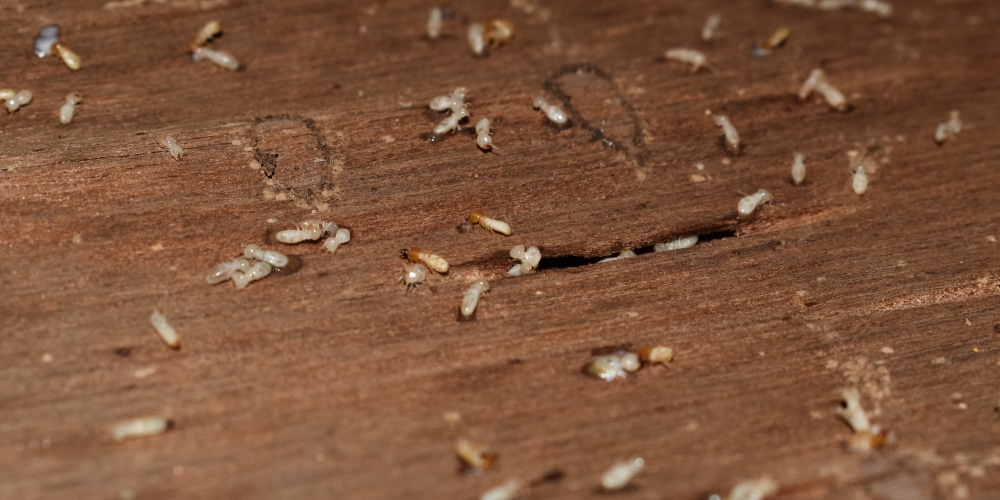
Termites are not all the same. The most common types that attack kitchen cabinets are subterranean termites and drywood termites. Subterranean termites usually come from the ground and build mud tubes. Drywood termites live inside the wood and do not need contact with soil. Both types can cause serious damage if you don’t act fast.
Why Are Kitchen Cabinets At Risk?
Kitchen cabinets are warm, dark, and often humid—perfect conditions for termites. If your cabinets are made from wood or have wood components, they are at risk. Leaks under the sink or around the dishwasher can also make cabinets more attractive to termites.
Sometimes, termites enter cabinets from the wall behind them or from the floor, especially if your home has a history of termite problems.
Early Signs Of Termite Infestation
It’s important to catch termites early. Look for these signs:
- Hollow-sounding wood: Tap the cabinet; if it sounds hollow, termites may be inside.
- Tiny holes: These are “kick-out” holes where termites push out waste.
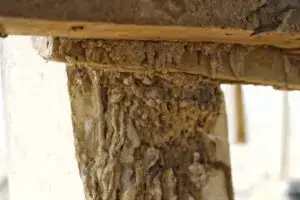
- Mud tubes: Subterranean termites build these on walls or cabinet backs.
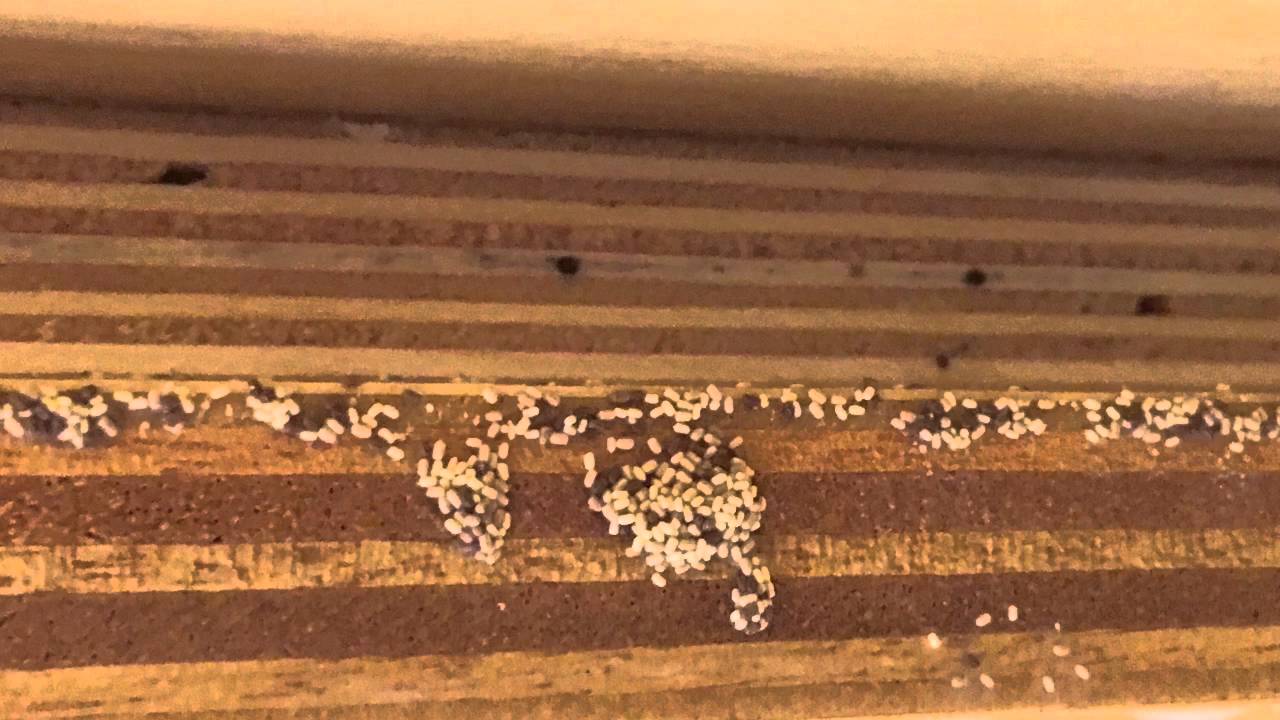
- Wood dust or pellets: Drywood termites leave small, sand-like droppings.
- Swarmers or wings: Termites send out winged insects to start new colonies.
If you see any of these, you need to act quickly.
Assessing The Termite Damage
Before treating, you need to know how bad the problem is. Start by emptying the kitchen cabinets and removing items. Use a flashlight to check every corner, hinge, and seam.
How To Inspect Cabinets
- Visual Check: Look for damage, mud tubes, or droppings.
- Tap Test: Gently tap the wood with a screwdriver handle. Hollow spots might mean termites.
- Probe Test: Carefully press a screwdriver tip into the wood. If it sinks easily, the wood is weak.
- Check Adjacent Areas: Sometimes termites come from behind the cabinet or from the floor.
Using Professional Tools
Some pest control companies use moisture meters or special cameras to find hidden damage. If the problem looks serious, call a professional for a full inspection.
Damage Comparison
Here’s a simple comparison of minor versus major termite damage:
| Damage Level | Signs | Action Needed |
|---|---|---|
| Minor | Small holes, light wood dust, no visible mud tubes | DIY treatment possible |
| Moderate | Multiple holes, hollow sound, some mud tubes | DIY or professional treatment |
| Severe | Wood crumbles easily, cabinets loose or sagging, many mud tubes | Professional help strongly advised |
If you’re not sure about the level of damage, start with the safest treatments and monitor results.
Immediate Steps To Take
When you first discover termites, take these steps right away:
- Stop using the cabinet: Remove all items to reduce vibrations and disturbance.
- Clean up: Wipe away wood dust and droppings. This helps you spot new signs after treatment.
- Fix leaks: Check for water leaks under the sink or near the cabinet. Termites love moisture.
- Isolate the area: If possible, move food and utensils away to avoid contamination.
These steps help slow the spread and prepare for treatment.
Choosing The Right Termite Treatment
There are several ways to get rid of termites. The method you choose depends on the type of termite, the size of the problem, and your comfort with chemicals.
Chemical Vs. Natural Treatments
- Chemical treatments: Work fast and are very effective, but some may be unsafe for food areas if misused.
- Natural treatments: Safer for your kitchen but can take longer and may not work for large infestations.
Let’s compare the two:
| Method | Speed | Safety | Effectiveness |
|---|---|---|---|
| Chemical | Fast (days) | Needs caution | High |
| Natural | Slower (weeks) | Safe for kitchens | Moderate |
When To Call A Professional
If you see severe damage, mud tubes, or swarmers inside your home, call a pest control company. Professionals can use strong treatments like fumigation or special wood injections that are not available to the public. For most small to medium problems, you can try the following methods.
Credit: hawxpestcontrol.com
Diy Termite Removal Methods
1. Boric Acid Application
Boric acid is a common, effective termite killer. It works by damaging the termite’s digestive system.
How to use:
- Mix boric acid powder with water (1 teaspoon per cup).
- Use a spray bottle to apply inside the cabinet, focusing on cracks, joints, and holes.
- Repeat every few days for 2 weeks.
Tips: Always wear gloves and a mask. Keep children and pets away until dry.
2. Neem Oil Or Orange Oil
Neem oil and orange oil contain natural chemicals that kill termites.
How to use:
- Soak a cotton ball or cloth with oil.
- Dab or inject into termite holes and along seams.
- Reapply every 3-4 days.
Orange oil is especially good for drywood termites.
3. Cardboard Traps
Termites love cellulose, found in cardboard.
How to use:
- Wet several pieces of cardboard.
- Stack them near the infested cabinet.
- After a few days, remove and burn the cardboard outside.
Warning: This method only traps some termites and does not kill the colony.
4. Diatomaceous Earth
This fine powder cuts termite shells and dries them out.
How to use:
- Sprinkle a thin layer inside the cabinet, especially near cracks.
- Leave for several days, then vacuum.
Note: Safe for humans but can be messy.
5. Vinegar And Lemon Spray
A homemade spray of vinegar and lemon can help with mild infestations.
How to use:
- Mix equal parts white vinegar and lemon juice.
- Spray directly on visible termites and into holes.
- Repeat daily for best results.
6. Essential Oils
Clove oil and tea tree oil are natural termite repellents.
How to use:
- Mix 10 drops of oil with 1 cup of water.
- Spray around the cabinet edges and inside.
Insight: Oils work best as a repellent, not a killer.
7. Sunlight And Heat
Termites hate heat and sunlight.
How to use:
- If possible, remove cabinet doors or drawers and place them in direct sunlight for several hours.
- For fixed cabinets, use a hairdryer on high for 10-15 minutes on problem areas.
Caution: Don’t use heat near flammable surfaces.
8. Professional Termite Foams
Foams expand into cracks and kill termites on contact.
How to use:
- Drill small holes into the wood (if needed).
- Insert the foam can nozzle and fill.
- Patch holes after treatment.
Tip: Read labels for kitchen safety.
Cleaning Up After Termite Treatment
Once termites are gone, clean your cabinets carefully. Termite droppings can cause allergies and should not mix with food.
Steps For Safe Cleaning
- Vacuum all dust and droppings: Use a vacuum with a HEPA filter.
- Wash surfaces: Use soap and warm water. Wipe all shelves, corners, and doors.
- Disinfect: Use a mild disinfectant, but rinse well before storing food again.
- Inspect for repairs: Replace or patch damaged wood.
Insight: Termite damage often weakens hinges and screws. Check and tighten them before using the cabinet again.
Repairing And Restoring Kitchen Cabinets
Sometimes, termite damage is minor and easy to fix. Other times, you may need to replace parts of the cabinet.
How To Repair Small Damage
- Wood filler: Fill holes with wood filler, then sand and paint.
- Replace hardware: If hinges or handles are loose, replace them with new screws.
- Seal cracks: Use caulk or wood glue to seal small cracks.
Replacing Severely Damaged Wood
If parts of the cabinet are soft, sagging, or crumbling:
- Remove the damaged section with a saw.
- Cut a new piece of matching wood.
- Attach with screws or strong adhesive.
- Paint or stain to match the rest of the cabinet.
For very old or badly damaged cabinets, it may be cheaper to replace the whole unit.
Preventing Future Termite Infestations
Prevention is just as important as treatment. Here’s what you can do to keep termites away:
Keep Cabinets Dry
- Fix leaks quickly.
- Use a dehumidifier if your kitchen is humid.
- Don’t leave wet cloths or sponges inside cabinets.
Seal Entry Points
- Check for gaps around pipes, walls, and floors.
- Seal cracks with caulk or foam.
- Install door sweeps to keep termites from entering.
Store Food Properly
- Keep food in sealed containers.
- Clean up crumbs and spills right away.
Use Termite-proof Materials
If you’re remodeling, choose:
- Metal or plastic cabinets for high-risk areas.
- Treated wood that resists termites.
Regular Inspections
- Check cabinets every 3-6 months for signs of termites.
- Look around water sources, especially under the sink.
Professional Preventive Treatment
Some companies offer termite barriers or regular sprays to keep termites out. This can be a good investment if you live in a high-risk area.
Credit: accend.co.za
Common Mistakes To Avoid
Many homeowners make errors that let termites return or do more damage. Avoid these:
- Ignoring small signs: Even a little wood dust can mean big trouble.
- Using too much water to clean: Excess water can attract more termites.
- Skipping repairs: Weak wood is easier for termites to re-enter.
- Not fixing leaks: Moisture is a magnet for termites.
- Spraying random chemicals: Some products are unsafe for kitchens.
- Only treating visible termites: The colony may be hidden deeper in the wood.
Non-obvious insight: Termites can live behind walls or under floors. Always check the area around your cabinets, not just inside them.
How To Choose A Professional Pest Control Service
Sometimes, termites are too much for DIY methods. Here’s how to pick a good pest control company:
- License and insurance: Make sure the company is licensed for termite work.
- Experience: Ask how many termite jobs they’ve done in kitchens.
- Methods used: Choose a company that offers safe, kitchen-approved treatments.
- Warranty: Good companies guarantee their work for at least one year.
- References: Ask for customer reviews or talk to past clients.
If you want more information about choosing termite control professionals, check out this EPA guide on termite control.
Credit: www.youtube.com
Cost Comparison: Diy Vs. Professional Treatment
It’s smart to know what you might spend before you start.
| Treatment Type | Estimated Cost (USD) | Effectiveness |
|---|---|---|
| DIY Methods (total) | $20 – $80 | Good for small infestations |
| Professional Spot Treatment | $150 – $350 | Very effective |
| Full-Home Fumigation | $1,200 – $2,500 | Best for severe infestations |
Note: Prices can change depending on your area and the size of the problem.
Dealing With Termites In Rented Homes
If you rent your home, tell your landlord right away. Most rental agreements make the landlord responsible for pest control, especially for major issues like termites. Document the problem with photos and written notes. Don’t try dangerous treatments yourself; wait for a professional sent by the landlord.
The Impact Of Termites On Health
While termites don’t bite or spread disease, they can still affect your health. Their droppings and dust can cause allergies, coughing, or asthma, especially in children or people with weak immune systems. Keeping your kitchen clean after treatment is important for your family’s health.
The Role Of Kitchen Design In Termite Prevention
The way your kitchen is built can make a big difference. Modern kitchens use less wood and more water-resistant materials. If you plan a renovation, consider:
- Using PVC or metal cabinets near sinks or dishwashers
- Raising cabinets off the floor to make inspection easier
- Adding good ventilation to keep cabinets dry
These changes can make termites less likely to attack in the future.
Frequently Asked Questions
What Is The Fastest Way To Get Rid Of Termites In Kitchen Cabinets?
The fastest way is to use a chemical foam or boric acid spray directly into the affected wood. For severe infestations, call a pest control professional for spot treatment or fumigation. Always check that products are safe for kitchen use.
Are Natural Termite Treatments Safe And Effective?
Natural treatments like neem oil, orange oil, or vinegar are safe for the kitchen. They can help with small infestations but may not kill the whole colony. For bigger problems, combine them with other methods or call a professional.
Can Termites Come Back After Treatment?
Yes, termites can return if you don’t fix leaks, seal entry points, or repair damaged wood. Regular inspections and preventive treatments help keep them away.
Will I Need To Replace My Kitchen Cabinets After Termites?
Not always. Minor damage can be repaired with wood filler or by replacing parts. If the wood is soft or structurally weak, you may need to replace the cabinet to keep your kitchen safe.
How Do I Know If The Termites Are Gone?
Check for new signs like wood dust, holes, or mud tubes for at least 2-3 months after treatment. No new signs usually mean the termites are gone. You can also ask a pest control expert to inspect for peace of mind.
Taking action quickly and using the right methods can protect your kitchen cabinets from termites now and in the future. With regular checks and good kitchen habits, you can enjoy a termite-free home for years to come.