
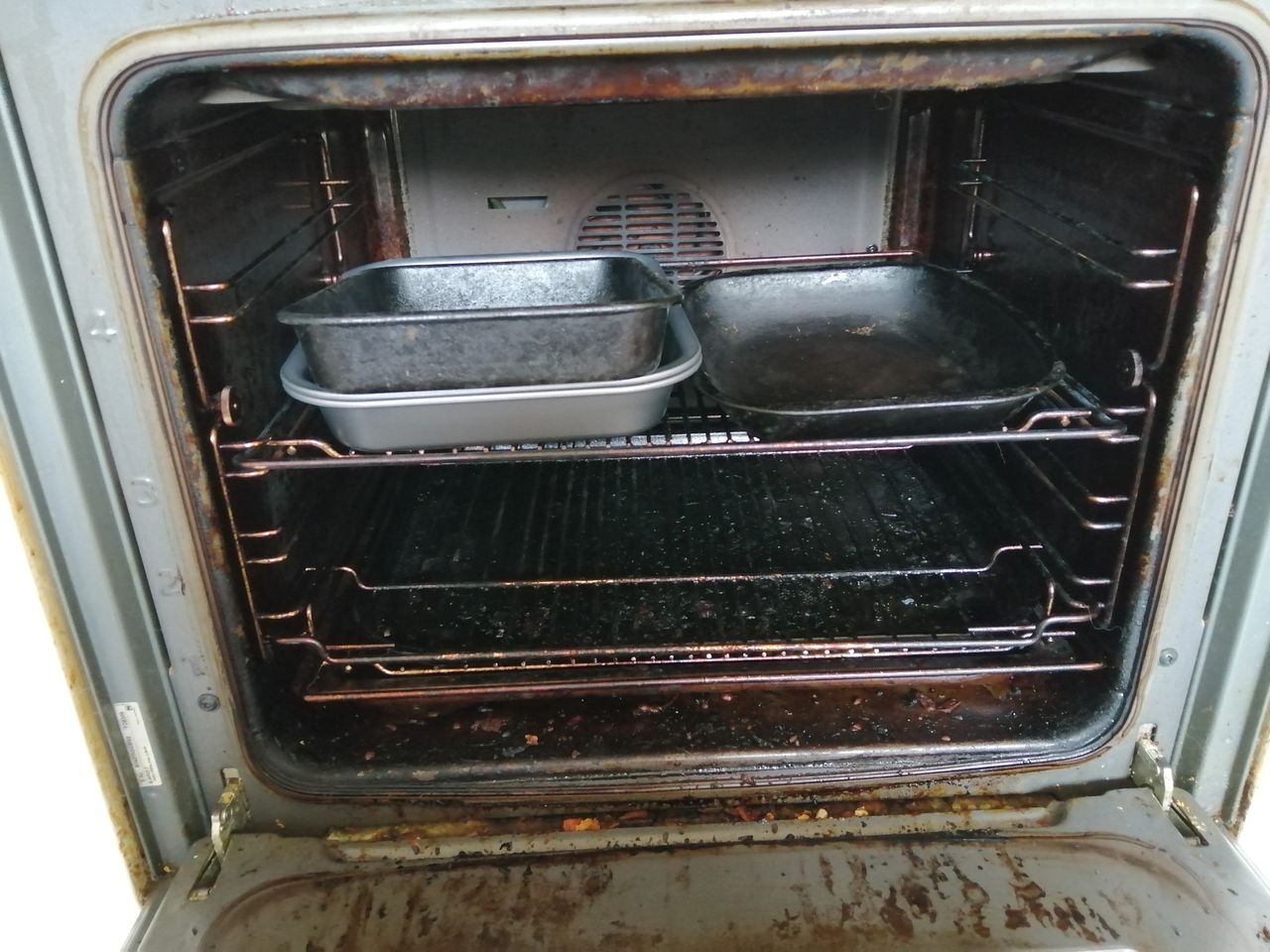
Removing baked-on carbon from your oven can feel like fighting a losing battle. Over time, layers of burnt food, grease, and carbon build up, making your oven look dirty and even affecting how it cooks. Some people ignore the problem, but this can lead to smoke, bad smells, and even fire hazards. The good news is, with the right methods and a bit of patience, you can restore your oven to a clean, safe, and efficient condition.
Many cleaning guides skip key steps or only offer quick fixes. Here, you’ll find a complete, step-by-step approach that not only covers all the basics, but also shares expert tips, common mistakes to avoid, and advanced techniques. By the end, you’ll know exactly how to remove baked-on carbon from your oven, what tools to use, and how to keep your oven cleaner for longer.
Understanding Baked-on Carbon In Ovens
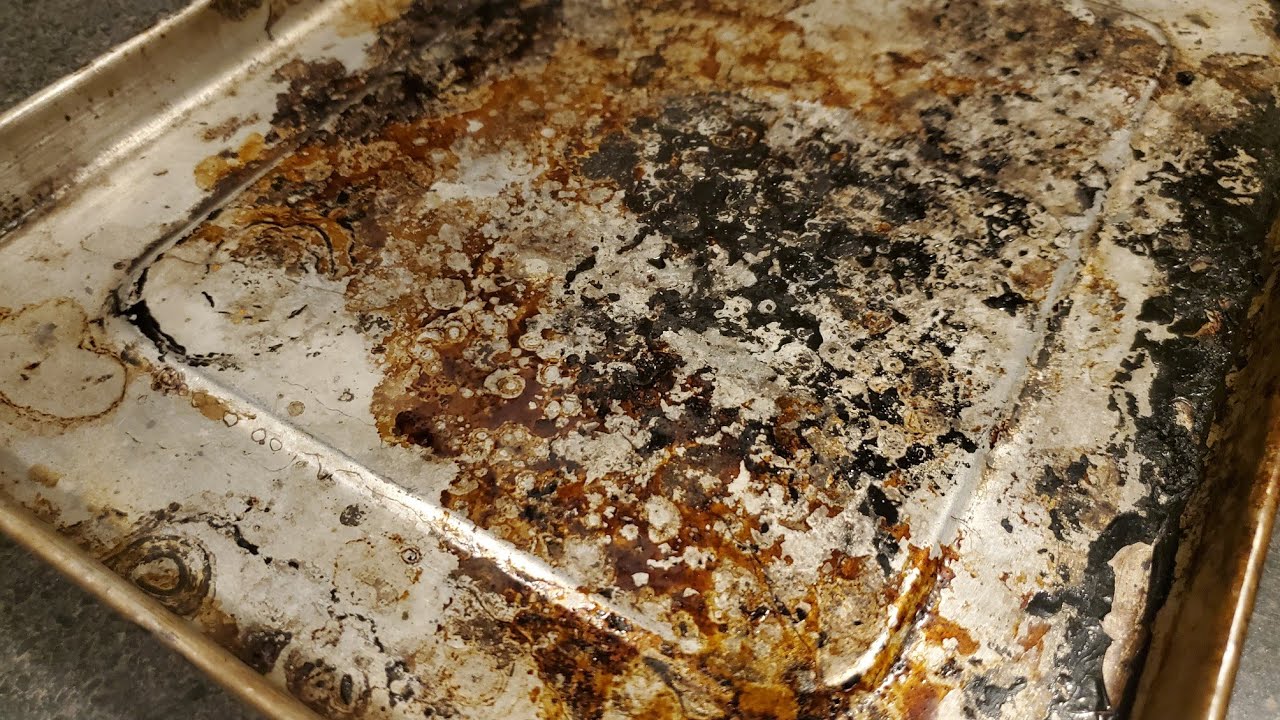
Baked-on carbon is a stubborn layer formed when food and grease are exposed to high temperatures for long periods. Each time food spills or grease splatters in your oven, it can burn onto the surface. Over time, repeated heating turns these residues into hard, black layers of carbon. This is different from simple grease or dust—it’s a complex mix of burnt organic material that bonds tightly to metal.
This layer is not just ugly. It can:
- Create smoke and bad odors during cooking
- Affect the taste of your food
- Reduce your oven’s efficiency, causing uneven heating
- Become a fire risk, especially at high temperatures
Understanding this helps you see why proper cleaning is essential—not just for looks, but for safety and performance.
Essential Tools And Products For Cleaning
Before you start, gather the right tools. Trying to clean baked-on carbon with the wrong items can make the job harder or even damage your oven.
Here’s what you’ll need:
- Protective gloves – Many cleaning products can irritate your skin.
- Eye protection (optional but recommended) – Splashing chemicals can be dangerous.
- Plastic scraper or spatula – Helps remove loose bits without scratching.
- Non-scratch scouring pad – For scrubbing without damaging surfaces.
- Stiff brush – For grills or hard-to-reach corners.
- Old toothbrush – Perfect for tight spots and seams.
- Heavy-duty oven cleaner – Commercial products or homemade solutions (like baking soda and vinegar).
- Spray bottle – For applying liquids evenly.
- Microfiber cloths or rags – For wiping down.
- Bucket of warm water – For rinsing.
- Plastic bags or wrap – To help soak grates and racks.
- Paper towels – For initial wipe-downs.
Not all ovens or surfaces are the same. If your oven has a special coating, check the manual before using abrasive tools.
Credit: ovendetailing.com
Safety Precautions Before Cleaning
Cleaning ovens means dealing with strong chemicals, hot surfaces, and sharp edges. Don’t skip safety steps—they protect you and your kitchen.
- Always unplug electric ovens before cleaning. For gas ovens, turn off the gas supply if you’ll be cleaning inside deeply.
- Ventilate the room by opening windows and turning on an exhaust fan.
- Wear gloves and avoid touching your face during the process.
- Read all labels if using commercial cleaners. Some are only for cold ovens, others for warm.
- Test cleaning products on a small, hidden spot if you’re unsure.
- Keep children and pets away until the job is done.
Many beginners forget to ventilate or mix cleaning chemicals, which can produce harmful fumes. Never mix ammonia and bleach—they create dangerous gas.
Step-by-step Guide: Removing Baked-on Carbon
Ready to tackle that tough oven mess? Follow these steps for deep, effective cleaning.
1. Remove Oven Racks And Accessories
Start by taking out all oven racks, trays, and thermometers. This gives you space to work and allows you to clean these items separately. Place racks in your sink or bathtub for soaking later.
2. Dry Scrape Loose Debris
Use a plastic scraper or spatula to gently remove any loose chunks of carbon or food. Don’t force it—if it’s stuck, you’ll handle it in later steps.
Insider tip: A plastic putty knife often works better than a metal tool, which can scratch enamel.
3. Apply Oven Cleaner Or Homemade Solution
You have two main choices: commercial oven cleaner or a homemade paste.
- For commercial cleaners, spray an even layer over the affected areas.
- For homemade, mix 1/2 cup baking soda with enough water to form a thick paste. Spread this over the carbon build-up.
Let the product sit for at least 20–30 minutes. For severe build-up, cover the paste with plastic wrap to keep it moist longer.
4. Soak Oven Racks
While your oven interior soaks, move to the racks. Place them in hot water with dish soap, or sprinkle baking soda and pour vinegar over them. Let them soak for at least an hour. For heavy carbon, you can seal them in a large plastic bag with oven cleaner and let them sit outside (away from children and pets).
5. Scrub The Interior
After soaking, use a non-scratch pad or stiff brush to scrub the carbon. Work in circles and focus on stubborn spots. An old toothbrush helps in corners and around the door seal.
If some areas are still tough, reapply cleaner and let it soak longer. Patience is key—the longer the soak, the easier the scrub.
6. Rinse And Wipe Down
Wipe all surfaces with a damp microfiber cloth. Change your cloths or rinse them frequently to avoid spreading dirt. For sticky or foamy residues, use a clean sponge and warm water.
Pro tip: Residues left behind can produce smoke when you use the oven. Wipe until no cleaner remains.
7. Clean The Oven Glass
The oven door glass often collects carbon too. Use your baking soda paste or a gentle glass cleaner. Avoid sharp scrapers, which can scratch. For double-pane doors, check if you can remove the inner panel for deeper cleaning.
8. Tackle Stubborn Spots
For spots that refuse to budge:
- Reapply cleaner and let sit overnight (cover with plastic wrap).
- Try a razor blade scraper (only on plain glass or solid metal—not on coated or enamel surfaces).
- Use a steam cleaner if you have one, which loosens carbon without chemicals.
9. Rinse And Dry Racks
After soaking, scrub your racks with a brush or pad. Rinse them well and dry before putting them back.
10. Reassemble And Test
Once everything is dry, put racks back in place. Run the oven empty at 200°C (400°F) for 10–15 minutes to burn off any remaining cleaner. Watch for smoke—if you see a lot, wipe again.
Comparing Cleaning Methods
Many people wonder if they should use commercial oven cleaners or natural methods. Here’s a side-by-side look at both:
| Method | Pros | Cons |
|---|---|---|
| Commercial Oven Cleaner | Works fast, powerful on heavy carbon, easy to find | Strong chemicals, can irritate skin/eyes, needs good ventilation |
| Baking Soda & Vinegar | Non-toxic, safe for most surfaces, cheap | Slower, may need repeat applications for heavy build-up |
| Steam Cleaning | No chemicals, loosens grime, safe for coatings | Needs a steam cleaner, not always effective on thick carbon |
| Ammonia Soak | Very effective on racks, dissolves carbon | Strong fumes, dangerous if mixed with other chemicals, needs outside use |
Non-obvious insight: Combining methods—like using baking soda first, then a steam cleaner—can boost results without using more chemicals.
Advanced Tips For Stubborn Baked-on Carbon
Sometimes, regular cleaning isn’t enough. If you have years of build-up, try these expert techniques:
Use Heat To Your Advantage
Warm up your oven (about 60°C/140°F) for 10 minutes, then turn it off before applying your cleaner. The gentle heat softens carbon, so products penetrate deeper. Do not use this trick with flammable cleaners.
Try A Razor Blade Scraper
On flat glass and solid metal, a razor blade at a shallow angle can scrape off thick carbon. Always use a new blade and never on coated or enamel surfaces, as this can scratch or chip them.
Ammonia Soak (for Racks Only)
Place oven racks in a large garbage bag with half a cup of household ammonia. Seal the bag and leave it outside overnight. Ammonia fumes soften baked-on carbon, making it easy to scrub off the next day. Rinse racks thoroughly—never use this method inside the house.
Pumice Stone
A pumice cleaning stone (not the type for feet!) can scrub carbon from solid metal or cast iron oven parts. Wet the stone and rub gently. Do not use on coated or enamel surfaces.
Steam Cleaner
A handheld steam cleaner can blast away softened carbon after you’ve applied baking soda or cleaner. This is especially useful for seams and corners.
Beginner mistake: Scrubbing too hard with metal pads or stones on enamel can permanently damage your oven. Always test in a small area first.
Credit: www.reddit.com
Cleaning Self-cleaning Ovens: What’s Different?
Many modern ovens have a self-cleaning or “pyrolytic” mode. This heats the oven to over 500°C (930°F), turning food and carbon into ash.
If your oven has this feature:
- Remove racks and accessories (they can discolor or warp).
- Wipe out loose debris first.
- Run the self-cleaning cycle as directed in your manual.
- Once cool, wipe out the ash with a damp cloth.
Important: Never use oven cleaner or abrasive tools inside a self-cleaning oven. They can damage the special coating that enables the high-temp cleaning. For stubborn spots, use only baking soda and a soft cloth.
How Often Should You Clean Your Oven?
The answer depends on how much you cook and what you bake. For most homes:
- Light use: Clean every 3–6 months.
- Heavy use: Clean monthly or after any big spill.
- Self-cleaning ovens: Run the self-clean cycle every few months, but still wipe spills as they happen.
Pro tip: Wiping up spills right after cooking makes deep cleaning much easier later.
Credit: stogagirlssoccer.com
Preventing Future Build-up
Stopping carbon before it starts is easier than removing it later. Here are proven ways to keep your oven cleaner:
- Use baking trays or foil under dishes that might bubble over.
- Wipe up spills as soon as the oven cools, before they harden.
- Use oven liners (check your manual for safe materials).
- Clean racks regularly—don’t wait for them to turn black.
- Avoid cooking at very high temps unless necessary.
- Keep the oven door closed as much as possible during cooking to avoid splatters.
Advanced tip: If you roast meat often, a small pan of water on a lower rack can reduce splatter and make carbon softer and easier to clean.
Comparing Commercial Vs. Homemade Oven Cleaners
When deciding between store-bought and DIY options, it helps to look at their effectiveness and safety side by side.
| Cleaner Type | Main Ingredients | Effectiveness on Heavy Carbon | Safety | Cost |
|---|---|---|---|---|
| Commercial Cleaner | Sodium hydroxide, detergents | Very high | Gloves & ventilation needed | Medium to high |
| Baking Soda Paste | Baking soda, water | Moderate | Very safe | Very low |
| Vinegar Spray | White vinegar, water | Low to moderate | Very safe | Very low |
| Ammonia | Ammonia | High (for racks) | Strong fumes, must use outdoors | Low |
If you’re sensitive to chemicals, homemade methods are safest. For heavy build-up, commercial cleaners or ammonia soaks may be necessary.
Common Mistakes To Avoid
Many first-time cleaners repeat the same errors. Avoid these for better results and a safer kitchen:
- Scrubbing with metal pads on enamel—this will scratch and ruin the surface.
- Using the wrong cleaner for your oven type—check your manual, especially for self-cleaning ovens.
- Mixing chemicals—never mix ammonia, bleach, or different oven cleaners.
- Not ventilating—fumes can cause headaches or worse.
- Rushing the process—soak time is essential for softening carbon.
- Forgetting to rinse thoroughly—leftover cleaner can smoke or even taint food.
A little patience saves time and prevents damage.
When To Call A Professional
If your oven hasn’t been cleaned in years, or if you see rust, broken parts, or strange smells after cleaning, it might be time to call a professional oven cleaning service. Experts have stronger tools and know how to safely take your oven apart, clean heating elements, and put everything back together.
Non-obvious insight: Some warranties require professional cleaning, especially for high-end ovens. Check your warranty before using harsh chemicals or removing parts.
Environmental Impact Of Oven Cleaning
Oven cleaning can affect the environment, especially if you use strong chemicals that wash down the drain. Some points to consider:
- Choose biodegradable cleaners when possible.
- Dispose of chemical waste according to local rules—don’t pour ammonia or strong oven cleaner into the garden or storm drain.
- Use less water by soaking and scrubbing efficiently.
Homemade solutions like baking soda and vinegar have less impact than commercial sprays.
Oven Cleaning And Food Safety
A dirty oven isn’t just a cosmetic issue. Over time, carbonized food and grease can contaminate new dishes, spread bacteria, and even create cancer-causing compounds if burned repeatedly. Keeping your oven clean means healthier meals and fewer risks.
For more on food safety and cleaning, see the CDC’s kitchen safety guidelines.
Frequently Asked Questions
How Can I Remove Baked-on Carbon From Oven Racks?
Soak racks in hot, soapy water with baking soda, then scrub with a stiff brush. For heavy build-up, seal racks in a bag with ammonia overnight (outside), then rinse thoroughly. Do not use metal pads on chrome racks to avoid scratches.
Is It Safe To Use Oven Cleaner On A Self-cleaning Oven?
Most self-cleaning ovens have a special coating that can be damaged by harsh chemicals. Only use baking soda and water, or follow the manufacturer’s instructions. Never use commercial oven cleaner inside a self-cleaning oven cavity.
How Do I Clean Carbon From The Oven Door Glass?
Apply a baking soda paste or gentle glass cleaner. Let it sit for 15–20 minutes, then wipe with a damp cloth. Avoid razors or abrasives, which can scratch the glass. For double-pane doors, consult your manual about removal for deeper cleaning.
How Often Should I Clean My Oven To Prevent Carbon Build-up?
For most homes, every 3–6 months is enough. Clean more often if you roast or bake frequently, or after spills. Wiping up messes right away is the best way to avoid tough build-up.
What Should I Do If My Oven Smokes After Cleaning?
If you see smoke, it usually means some cleaner or carbon is still left. Let the oven cool, then wipe surfaces again with a damp cloth. Run the oven empty at 200°C (400°F) for 10–15 minutes to burn off any tiny residues, and ventilate the room.
A clean oven is safer, more efficient, and makes food taste better. With the right approach, you can tackle even baked-on carbon without stress. Stick to the steps above, avoid shortcuts, and remember—prevention is easier than deep cleaning. Your oven (and your meals) will thank you.