
Removing burnt sugar from a pan can feel overwhelming, especially after a long day in the kitchen. The sticky, hard layer seems impossible to clean, and many people worry about damaging their cookware. But with the right techniques, you can restore your pan without much stress.
Whether you use stainless steel, non-stick, or cast iron pans, the methods below will help you save time and effort. You’ll also learn what really works, what to avoid, and how to prevent burnt sugar messes in the future.
Why Burnt Sugar Is So Difficult To Remove
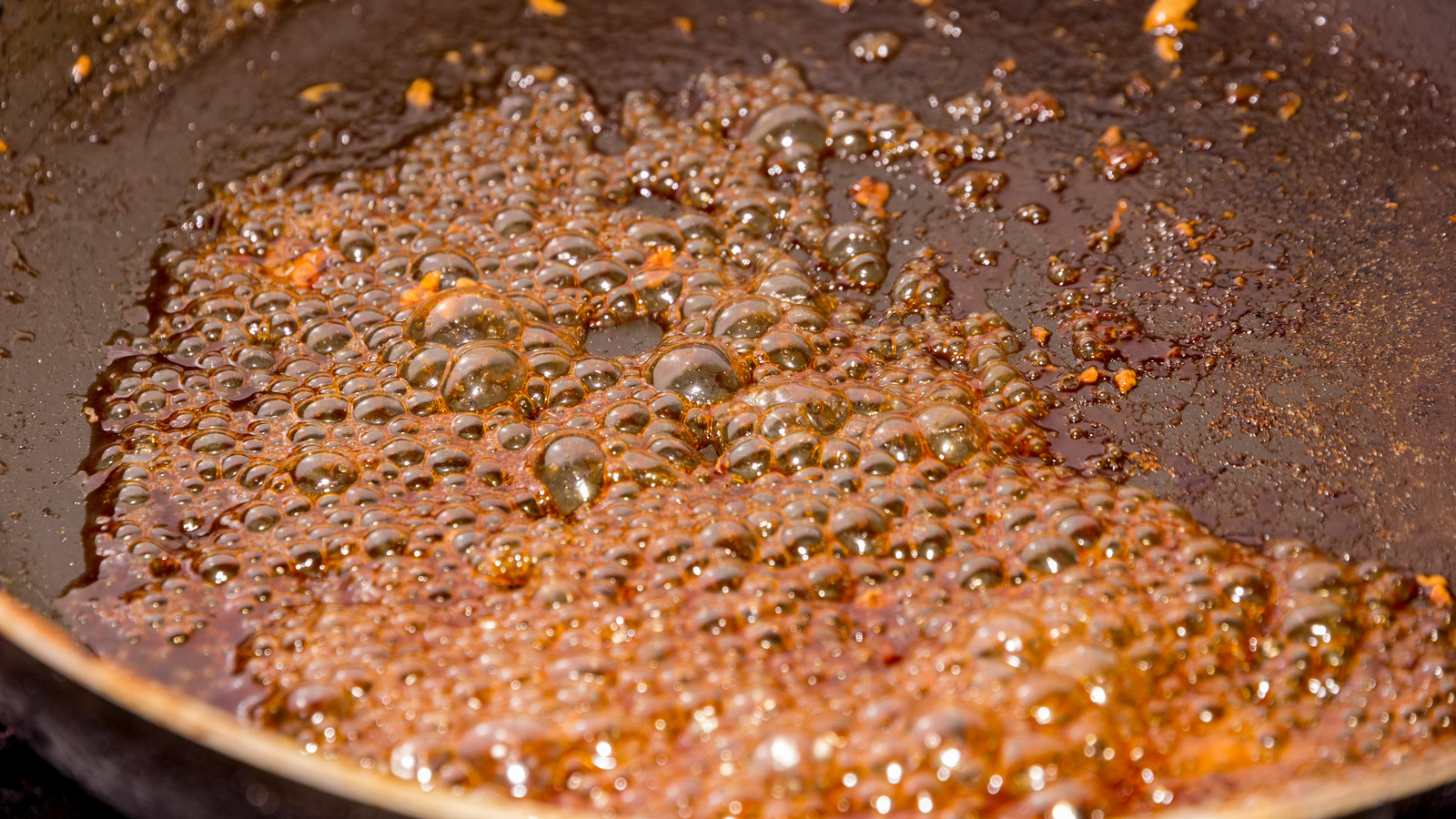
Burnt sugar is more than just a cooking accident. When sugar heats past its caramelization point (about 170°C or 338°F), it changes structure. It hardens as it cools, sticking tightly to the pan surface. Water alone is rarely enough to loosen it.
If not removed carefully, it can scratch or damage your cookware. That’s why knowing the right removal method matters.
Many people try to scrape burnt sugar off with metal tools. This often leads to scratches, especially on non-stick pans. Others soak the pan for hours, only to find the sugar still stuck. The secret is using gentle, science-backed methods that break down the sugar without harming your pan.
Immediate Steps To Take After Burning Sugar
Quick action can make cleaning easier. If you notice sugar burning, here’s what to do:
- Turn off the heat immediately. Remove the pan from the stove to stop further burning.
- Do not add cold water to a hot pan, especially glass or ceramic. It can crack the pan.
- If safe, pour out any excess liquid or sugar. Use oven mitts to protect your hands.
- Let the pan cool slightly, but not completely. Warm pans are easier to clean than cold ones.
These steps prevent the burnt layer from getting worse and protect your pan from thermal shock.
The Best Methods To Remove Burnt Sugar From A Pan
There is no one-size-fits-all solution. The best method depends on your pan material and how much sugar is burnt. Below are the most effective techniques, with tips for different cookware types.
1. Boiling Water Method
This is the safest way for most pans, especially non-stick and ceramic.
- Fill the pan with enough water to cover the burnt sugar.
- Bring the water to a gentle boil on the stove. The heat softens the sugar.
- Simmer for 10–15 minutes. You may see the sugar start to lift from the surface.
- Use a wooden or silicone spatula to gently scrape the loosened sugar.
- Pour out the water and check. If needed, repeat the process.
Tip: For stubborn spots, add a few drops of dish soap to the water before boiling.
2. Baking Soda Paste
Baking soda is slightly abrasive but safe for most pans.
- Mix 3 tablespoons of baking soda with enough water to make a thick paste.
- Apply the paste to the burnt area.
- Let it sit for 30 minutes to allow the baking soda to break down the sugar.
- Use a non-scratch sponge or cloth to rub gently in circles.
- Rinse well with hot water.
Extra Insight: Baking soda not only softens the sugar but also neutralizes sticky residue, making it easier to remove.
3. Vinegar And Water Solution
This method works well for stainless steel and uncoated pans.
- Pour equal parts white vinegar and water into the pan, enough to cover the burnt area.
- Bring to a boil and simmer for 5–10 minutes.
- As it simmers, use a wooden spoon to scrape gently.
- Pour away the solution, then wash with soapy water.
Why it Works: The acid in vinegar helps dissolve the burnt sugar without harming the pan.
4. Soaking With Hot Water And Dish Soap
Sometimes, patience is the best tool.
- Fill the pan with very hot tap water and add a generous amount of dish soap.
- Let the pan soak for at least 1–2 hours (overnight for heavy burns).
- Use a plastic scraper or non-scratch sponge to remove softened sugar.
Non-obvious Tip: For non-stick pans, avoid soaking too long, as water can seep under the non-stick layer.
5. The Salt Scrub Method
Table salt is a gentle abrasive that is safe for most pans (except non-stick).
- Sprinkle a thick layer of table salt over the burnt area.
- Add a few drops of water to make a gritty paste.
- Use a damp sponge or soft cloth to scrub in small circles.
- Rinse and repeat if necessary.
Practical Example: This method is often used for burnt sugar in cast iron pans, as it cleans without removing seasoning.
6. Lemon Juice For Natural Cleaning
Lemon juice is acidic and helps dissolve caramelized sugar.
- Squeeze the juice of one lemon into the pan.
- Add enough water to cover the burnt area.
- Heat gently on the stove for 5–10 minutes.
- Use a wooden spatula to lift the sugar.
Extra Insight: Lemon also removes odors left by burnt sugar.
7. Commercial Degreasers
If home remedies fail, try a commercial kitchen degreaser. Check the label to ensure it’s safe for your pan type.
- Apply according to the product instructions.
- Let it sit for the recommended time.
- Scrub with a non-scratch pad and rinse thoroughly.
Warning: Avoid strong chemicals on non-stick or coated pans.
Comparing Methods For Different Pan Types
Not all pans can handle strong cleaners or abrasives. Here’s a quick comparison for the most common pan types:
| Method | Safe for Non-Stick | Safe for Stainless Steel | Safe for Cast Iron | Safe for Ceramic |
|---|---|---|---|---|
| Boiling Water | Yes | Yes | Yes | Yes |
| Baking Soda Paste | Yes (gentle) | Yes | Yes | Yes |
| Vinegar Solution | No | Yes | Yes | Yes (check manual) |
| Salt Scrub | No | Yes | Yes | No |
| Lemon Juice | Yes | Yes | Yes | Yes |
| Commercial Degreaser | Check label | Yes | Check label | Check label |
What Not To Do When Cleaning Burnt Sugar
It’s easy to get frustrated and try harsh methods. But some actions can cause more harm than good. Avoid these common mistakes:
- Do not use steel wool or metal scrapers on non-stick, ceramic, or enameled pans. They cause scratches and ruin surfaces.
- Never use oven cleaner on cookware unless the manufacturer says it’s safe.
- Avoid sudden temperature changes. Pouring cold water into a hot pan can warp or crack it.
- Don’t soak cast iron too long or leave it wet; it may rust.
- Don’t use bleach. It’s not effective for sugar and can damage pans.
Non-obvious Insight: Many people believe using more force will clean faster. In reality, gentle, repeated cleaning works better and extends the life of your pans.
Step-by-step: Removing Burnt Sugar From Different Pan Types
Let’s look at the best method for each pan.
Stainless Steel Pans
- Fill the pan with equal parts vinegar and water.
- Bring to a boil for 5–10 minutes.
- Turn off the heat and add 2 tablespoons of baking soda (it will fizz).
- Let sit for 15 minutes.
- Use a wooden spoon or nylon scrubber to remove residue.
- Wash and dry thoroughly.
Tip: For extra shine, polish with a soft cloth.
Non-stick Pans
- Fill with warm water and mild dish soap.
- Let soak for 30–60 minutes.
- Use a soft sponge to loosen sugar. Avoid abrasives.
- If needed, use the boiling water method.
- Rinse and dry immediately.
Warning: Never use baking soda paste or vinegar directly on non-stick coatings.
Cast Iron Pans
- Sprinkle coarse salt over the burnt sugar.
- Scrub with a damp cloth or potato half (the starch helps).
- Rinse quickly and dry over low heat.
- Apply a thin layer of oil to re-season.
Non-obvious Tip: Avoid soap unless you plan to re-season the pan after cleaning.
Ceramic Or Enameled Pans
- Use the boiling water or lemon juice method.
- Let the pan cool before cleaning.
- Use a non-abrasive sponge to avoid scratching.
- Rinse well and dry.
Extra Advice: Always check the manufacturer’s cleaning instructions for special coatings.
Credit: www.reddit.com
Advanced Techniques For Stubborn Burnt Sugar
Sometimes, burnt sugar just won’t budge. Try these advanced strategies:
Baking Soda And Hydrogen Peroxide
- Sprinkle baking soda over burnt sugar.
- Pour a small amount of 3% hydrogen peroxide (the kind sold in drugstores) to cover.
- Let bubble for 30 minutes.
- Wipe away with a soft cloth.
Safety Note: Always wear gloves and ventilate your kitchen.
The Freezer Trick
Cold can make burnt sugar brittle.
- If the pan fits, place it in the freezer for 2–3 hours.
- Remove and use a plastic scraper to chip away the sugar.
When to Use: Helpful for glass or ceramic pans that can handle freezing.
Using A Steamer
Steam helps loosen stubborn caramel.
- Place the pan over a pot of boiling water (double-boiler style).
- Cover and let the steam work for 15 minutes.
- Use a wooden spatula to scrape gently.
Why it Works: Steam softens the sugar without soaking or harsh chemicals.
Prevention: How To Avoid Burning Sugar In The Future
It’s easier to prevent burnt sugar than to remove it. Here’s how:
- Use a heavy-bottomed pan for making caramel or candy. Thin pans heat unevenly and burn sugar quickly.
- Control your heat. Always cook sugar on medium or low to avoid scorching.
- Stir gently and often. Don’t walk away from sugar on the stove.
- Use a thermometer for precise control, especially when making candy.
- Add a little water to sugar at the start. This helps dissolve crystals and prevents hot spots.
- Clean immediately after use. Wipe out caramel residue while the pan is still warm.
Non-obvious Insight: Some recipes benefit from adding a small amount of acid (like lemon juice or vinegar) to sugar at the start. This helps prevent crystallization and sticking.
When To Replace A Pan
Sometimes, no amount of cleaning can save a pan. Signs it’s time to replace include:
- Deep scratches or pitting after cleaning.
- Non-stick coating is peeling or bubbling.
- Pan is warped and won’t sit flat on the stove.
- Rust that won’t scrub off (especially for cast iron).
Data Point: According to cookware manufacturers, non-stick pans last about 3–5 years with regular use. Stainless steel and cast iron can last decades if cared for properly.
Real-life Example: Saving A Family Heirloom
Imagine you inherit your grandmother’s cast iron skillet. One day, burnt sugar from a failed dessert hardens in the pan. You try soaking and scrubbing, but nothing works. Instead of giving up, you use the salt scrub method, followed by a quick re-seasoning with oil.
The pan is restored, ready for another generation of family meals.
This story shows that with patience and the right technique, even burnt sugar can’t destroy your favorite cookware.
Cost Comparison: Store-bought Cleaners Vs. Home Remedies
Which is cheaper and more effective: buying a cleaner or using kitchen staples? Here’s a quick look:
| Cleaning Method | Average Cost (USD) | Effectiveness | Eco-Friendly |
|---|---|---|---|
| Baking Soda | $0.10 per use | High | Yes |
| White Vinegar | $0.15 per use | High | Yes |
| Commercial Degreaser | $1.00 per use | Very High | No |
| Lemon Juice | $0.30 per use | Medium | Yes |
| Salt Scrub | $0.05 per use | Medium | Yes |
Key Takeaway: Home remedies are affordable, effective, and safe for most pans. Commercial cleaners work fast but can be harsh and expensive.
How To Restore Shine After Cleaning
Burnt sugar can leave your pan looking dull, even after cleaning. Here’s how to restore shine:
- For stainless steel, rub with a soft cloth and a little vinegar or lemon juice.
- For cast iron, heat dry, then apply a thin layer of oil and wipe off excess.
- For ceramic or enameled pans, polish with a clean, dry cloth.
Tip: Always dry your pans completely to avoid water spots or rust.
Credit: www.foodrepublic.com
Environmental Impact: Choosing Green Cleaning Methods
Many people want to avoid harsh chemicals. Baking soda, vinegar, salt, and lemon are all eco-friendly. They break down naturally and don’t pollute water systems. Commercial cleaners, while effective, may contain phosphates or other substances that harm the environment.
Non-obvious Insight: Using green methods also reduces fumes in your kitchen, making it safer for children and pets.
Common Myths About Cleaning Burnt Sugar
Let’s clear up some confusion:
- Myth: “Soaking overnight always works.” In reality, soaking helps, but using heat or mild abrasives is often needed.
- Myth: “More force means faster cleaning.” Gentle, repeated cleaning is safer and more effective.
- Myth: “Non-stick pans can handle any cleaner.” Many strong chemicals and abrasives damage coatings.
- Myth: “Cast iron should never get wet.” It’s fine to use water briefly, as long as you dry and re-season afterward.
Understanding these myths prevents wasted effort and damage.

Credit: www.reddit.com
Frequently Asked Questions
How Can I Clean Burnt Sugar From A Non-stick Pan Without Damaging The Coating?
Fill the pan with warm water and mild dish soap, soak for 30–60 minutes, then use a soft sponge to loosen the sugar. Avoid any abrasive pads, baking soda pastes, or strong chemicals, as these can damage the non-stick surface.
If the sugar is still stuck, repeat the process or use the boiling water method.
Is It Safe To Use Vinegar On All Types Of Pans?
No. Vinegar is safe for stainless steel, cast iron, and most ceramic pans, but it can damage non-stick coatings and some enameled surfaces. Always check your pan’s manual or manufacturer’s guidelines before using vinegar.
What Should I Do If Burnt Sugar Won’t Come Off After Several Cleaning Attempts?
Try alternating methods. For example, first use the boiling water method, then a baking soda paste. If it’s still stuck, try the freezer trick or a commercial degreaser (if the pan allows). Some stains may need multiple treatments. If the pan is very scratched or damaged, consider replacing it.
How Can I Prevent Sugar From Burning In The Pan Next Time?
Cook sugar slowly over medium or low heat, stir regularly, and use a heavy-bottomed pan for even heating. Don’t leave sugar unattended on the stove. Using a thermometer and adding a small amount of water or lemon juice can help control the cooking process.
Are Commercial Kitchen Degreasers Safe For All Pans?
Not always. Some degreasers are too harsh for non-stick, enameled, or seasoned cast iron pans. Always read the label and test on a small area if unsure. For most home cooks, natural methods like baking soda and vinegar are safer and just as effective.
If you’re interested in deeper cleaning science, you can read more at the Wikipedia page on sugar.
Removing burnt sugar from a pan does not have to be stressful or damaging. With the right techniques, you can clean any pan safely and keep your cookware in great shape for years to come. Remember, gentle methods win in the long run, and prevention is always better than cure.
Happy cooking—and even happier cleaning!