
A cutting board is one of the most used tools in any kitchen. But it’s also one of the easiest places for mold to grow, especially if you use it for fruits, vegetables, or meats. Mold isn’t just unsightly. It can cause food to taste bad and even make you sick. Many people think that just washing with soap and water is enough, but that’s not true. Mold spores can get deep into the board’s surface, especially in wood. If you want to keep your kitchen clean and safe, it’s important to know how to remove mold from your cutting board the right way.
In this article, you’ll learn step-by-step methods for removing mold from different types of cutting boards, what causes mold, how to prevent it in the future, and even what to do if your board seems beyond saving. You’ll find real solutions, practical tips, and answers to common questions.
By the end, you’ll be confident that your cutting board is safe for you and your family.
Why Mold Grows On Cutting Boards
Cutting boards are the perfect environment for mold. Mold needs three things to grow: moisture, food, and warmth. Kitchens provide all three, and cutting boards often stay damp after washing or from food juices. Small scratches and grooves in the board trap water and tiny pieces of food, which mold uses to grow.
Wooden boards are especially at risk. Their surface absorbs water, and if you don’t dry them well, mold can grow inside the wood fibers. Plastic boards are less porous, but deep cuts can still trap food and moisture. Over time, even the best boards can get moldy if not cared for properly.
How To Tell If Your Cutting Board Has Mold
Sometimes mold is easy to see. It often appears as black, green, or white spots on the board. Other times, it hides in small cracks or under the surface. If your board smells musty, that’s another sign of mold. Even if you don’t see mold, a strange smell means you should clean the board thoroughly.
Not all dark spots are mold. Some woods, like walnut, have natural dark streaks. But if you see new spots that weren’t there before, especially after the board has been wet, it’s likely mold.
Is Mold On Cutting Boards Dangerous?
Yes, mold on cutting boards can be dangerous. Some molds produce toxins called mycotoxins, which can cause allergic reactions, stomach upset, or worse if you eat food prepared on a moldy surface. Even if you scrape off visible mold, spores can remain deep in the board. For people with asthma or weakened immune systems, mold exposure is especially risky.
Don’t ignore mold. Clean your board thoroughly to keep your food safe.
What You Need Before You Start
Before you remove mold, gather these items:
- Gloves (to protect your hands from mold and cleaning agents)
- Scrub brush or stiff sponge
- White vinegar
- Baking soda
- Lemon (optional, for odor)
- Hydrogen peroxide (for tough mold)
- Dish soap
- Sandpaper (for wooden boards with deep mold)
- Clean towel or paper towels
- Sunlight (if possible, for drying)
These tools are safe for both wood and plastic boards. Avoid harsh chemicals like bleach, as they can damage your board and leave harmful residues.
Credit: www.youtube.com
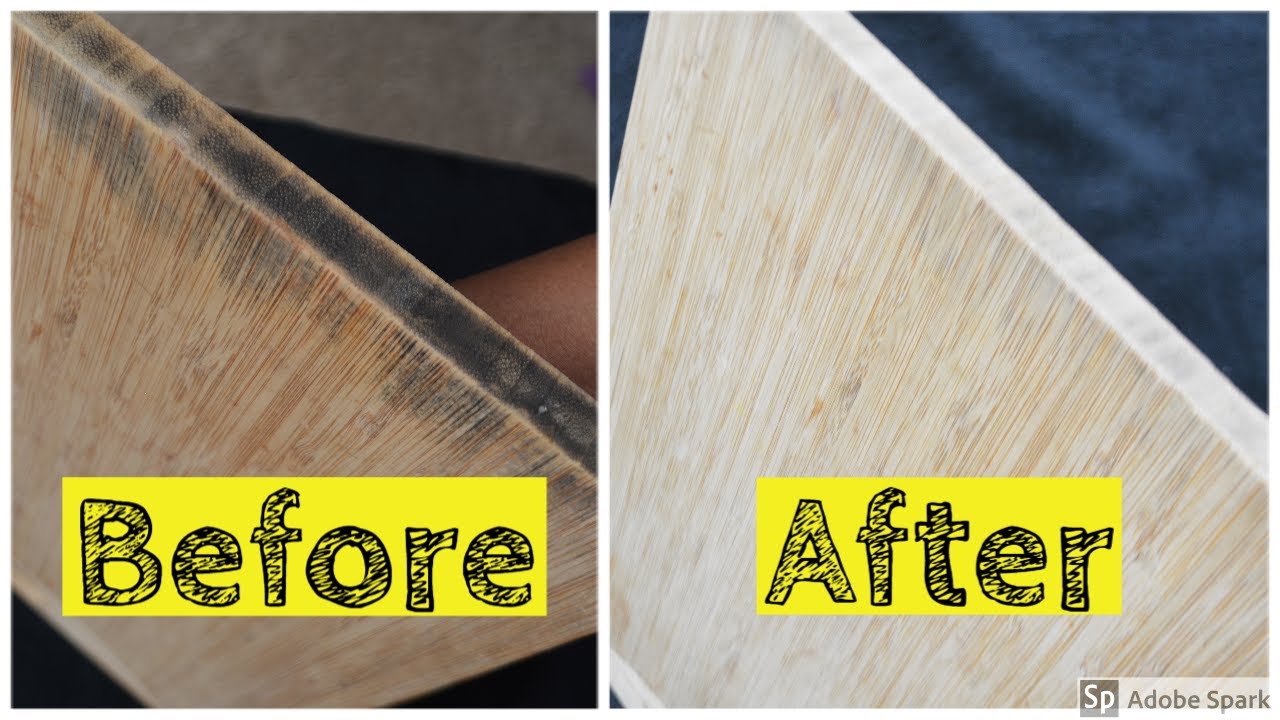
Step-by-step Guide: Removing Mold From Wooden Cutting Boards
Wooden boards need special care. Follow these steps for deep cleaning:
1. Wash With Soap And Hot Water
Start by scrubbing the board with dish soap and hot water. Use a brush to get into any grooves. Rinse well.
2. Apply White Vinegar
Pour or spray white vinegar over the surface. Vinegar kills most common molds. Let it sit for at least 10 minutes.
3. Scrub With Baking Soda
Sprinkle baking soda over the board. Scrub gently with your brush. Baking soda acts as a gentle abrasive, removing mold and odors.
4. Rinse And Dry
Rinse the board thoroughly with hot water. Pat dry with a towel.
5. Treat Stubborn Mold With Hydrogen Peroxide
If mold remains, pour 3% hydrogen peroxide over the spots. Let it bubble for a few minutes. Scrub again, rinse, and dry.
6. Sand The Surface (if Needed)
For deep mold in wood, lightly sand the affected area with fine-grit sandpaper. Wipe off any dust, then repeat the cleaning steps.
7. Dry Completely
Dry the board in open air or, if possible, in direct sunlight. Sunlight helps kill any remaining mold spores.
Here’s a comparison of cleaning methods for wooden boards:
| Method | Effectiveness | Best For | Drawbacks |
|---|---|---|---|
| Soap & Water | Moderate | Light mold, regular cleaning | Does not kill deep spores |
| Vinegar & Baking Soda | High | Most molds, deodorizing | Needs time to work |
| Hydrogen Peroxide | Very High | Stubborn, deep mold | May lighten wood color |
| Sanding | Extreme | Deep mold in wood | Removes wood surface |
How To Remove Mold From Plastic Cutting Boards
Plastic boards are less porous, so mold stays on the surface or in knife cuts. Here’s how to clean them:
1. Scrub With Soap And Water
Wash the board with hot, soapy water. Use a stiff brush to reach into any knife marks.
2. Use White Vinegar Or Hydrogen Peroxide
Spray or pour white vinegar or hydrogen peroxide on the board. Let it sit for 10 minutes. Both kill mold spores.
3. Scrub And Rinse
Scrub again, focusing on any moldy areas. Rinse well with hot water.
4. Disinfect (optional)
For extra safety, you can use a diluted bleach solution: 1 tablespoon of bleach per 1 liter of water. Soak the board for 5 minutes, then rinse and dry. Bleach is safe for plastic but must be rinsed well.
5. Dry Completely
Let the board air dry upright so water drains off. Mold loves moisture, so drying is key.
Here’s how wooden and plastic boards compare for mold risk:
| Type | Mold Risk | Cleaning Difficulty | Lifespan |
|---|---|---|---|
| Wood | High (if not dried) | Moderate to Hard | Long (if cared for) |
| Plastic | Medium (in deep cuts) | Easy | Medium |
Credit: www.reddit.com
How To Remove Mold From Bamboo And Composite Cutting Boards
Bamboo and composite boards are popular because they’re less porous than wood, but they can still get moldy.
- Wash with hot, soapy water.
- Spray with white vinegar and let sit 10 minutes.
- Scrub with a stiff brush.
- Rinse and dry upright.
- For stubborn mold, use hydrogen peroxide and repeat.
Don’t soak bamboo boards or they can warp. Dry them well.
Natural Mold Removal Methods
Many people prefer natural cleaners for safety and the environment. Here are some safe options:
- Vinegar: Kills 80% of molds and bacteria. It’s safe for all board types.
- Baking Soda: Deodorizes and gently scrubs.
- Lemon: Cut a lemon, rub on the board, let sit, then rinse. Lemon juice kills some bacteria and removes odors.
- Sunlight: UV rays from the sun help kill mold spores. Place your dry board in sunlight for a few hours.
These methods are effective and safe for food contact surfaces.
Credit: www.youtube.com
Commercial Mold Removers: Are They Safe?
There are many commercial cleaners for mold, but most are not safe for cutting boards. Avoid products with strong chemicals or fragrances. They can leave residues that transfer to your food. If you must use a commercial product, look for “food-safe” or “kitchen safe” on the label.
Always rinse the board very well after using any cleaner.
When To Replace Your Cutting Board
Sometimes, cleaning isn’t enough. Here are signs it’s time to buy a new board:
- Deep cracks or grooves that can’t be cleaned
- Mold keeps coming back even after cleaning
- Board smells bad after drying
- Board is warped or damaged
A damaged board can’t be fully disinfected and could make you sick. Don’t risk your health—replace it if needed.
Here’s a quick guide to when to replace vs. clean:
| Condition | Action | Reason |
|---|---|---|
| Small mold spots, surface level | Clean | Mold can be removed |
| Deep black stains, cracks | Replace | Mold inside board, unsafe |
| Bad odor after cleaning | Replace | Hidden mold or bacteria |
| Smooth, no mold | Keep | Safe to use |
How To Prevent Mold On Cutting Boards
Keeping your board dry and clean is the best way to prevent mold. Here’s how:
- Wash immediately after use, especially after cutting meat, fruit, or vegetables.
- Dry completely with a towel and stand upright to air dry.
- Oil wooden boards once a month with food-grade mineral oil. This keeps water out.
- Disinfect weekly with vinegar or hydrogen peroxide.
- Avoid soaking your board in water. Soaking encourages mold growth.
- Rotate boards—use separate boards for raw meat and vegetables to avoid cross-contamination.
- Store in a dry place, never flat on the counter.
These small habits can prevent most mold problems.
Advanced Tips For Mold Removal And Prevention
Some advanced strategies can make your cutting boards even safer:
- Use a food-grade board cream (blend of beeswax and mineral oil) on wood boards for extra protection.
- Sand your wooden board every few months to remove shallow grooves where mold could hide.
- If you live in a humid climate, use a dehumidifier in your kitchen to reduce moisture.
- Check your cutting board regularly for black spots or musty smells—early cleaning is much easier.
- For plastic boards with deep cuts, use a plastic scraper to remove damaged surface layers.
Many people overlook the importance of completely drying boards. Even a little leftover moisture can cause mold overnight. For best results, let your board sit in sunlight after cleaning when possible.
What Not To Do: Common Mistakes
Avoid these errors that can make mold worse or damage your board:
- Don’t use bleach on wood. It can damage fibers and leave harmful residue.
- Don’t put wooden boards in the dishwasher. Heat and moisture can crack them.
- Don’t store boards flat if they’re even slightly damp.
- Don’t ignore small mold spots. They can quickly spread.
- Don’t use vegetable or olive oil on cutting boards. These can go rancid and attract mold.
Many people think that just rinsing is enough, but it’s not. Mold spores are tiny and survive in damp cracks.
How Often Should You Clean Your Cutting Board?
It depends on how often you use it. Clean your board after every use with soap and water. Disinfect with vinegar or hydrogen peroxide at least once a week. If you cut raw meat, disinfect immediately after. Oil wooden boards every month to keep water out.
If you see mold, clean right away—don’t wait.
The Science Behind Mold Removal
Why Do Vinegar, Baking Soda, And Hydrogen Peroxide Work?
- Vinegar is acidic, which disrupts mold cell walls.
- Baking soda changes the pH on the surface, which mold doesn’t like.
- Hydrogen peroxide releases oxygen, which destroys mold at the cellular level.
Bleach is good at killing mold, but it’s not food safe for wood and can damage surfaces. That’s why natural options are better for cutting boards.
Special Cases: Removing Mold From Antique Or Expensive Boards
If you have a heirloom board or one made from exotic wood, you’ll want to be extra careful:
- Avoid harsh chemicals and bleach.
- Use only mild soap, vinegar, and gentle sanding.
- If the board is valuable, consider taking it to a professional restorer for cleaning.
Preserving the value of an antique board means using the least invasive methods.
The Environmental Impact Of Mold And Board Replacement
Throwing away cutting boards adds to plastic and wood waste. That’s why regular cleaning and maintenance are important. If you need to replace a board, look for eco-friendly options like bamboo or recycled plastic. Some brands even offer take-back programs.
When you do dispose of a board, check if your local area recycles wood or plastic kitchenware.
Real-life Example: Mold Outbreak In A Busy Kitchen
In a restaurant kitchen, staff noticed black spots on several wooden cutting boards after a humid week. They followed these steps:
- Washed all boards with soap and hot water.
- Treated with white vinegar, let sit for 15 minutes.
- Scrubbed with baking soda.
- Sanded boards with deep stains.
- Dried boards in sunlight for 2 hours.
No mold returned, and the boards smelled fresh. This shows that with quick action, even heavy mold can be removed safely.
What To Do If Mold Returns
Sometimes, mold keeps coming back. Here’s what to do:
- Make sure you’re drying the board fully every time.
- Check your kitchen for other sources of moisture or mold (sink leaks, poor ventilation).
- If mold returns after cleaning and sanding, it’s time to replace the board.
Remember, your health is more important than saving an old board.
Trusted Sources And More Reading
For more in-depth information on mold and food safety, check out CDC Mold Information. This site offers research-backed advice on mold prevention and removal.
Frequently Asked Questions
How Can I Tell The Difference Between Mold And A Stain On My Cutting Board?
Mold usually feels fuzzy or slimy and can appear as black, green, or white spots. Stains are often smooth and flat, and they don’t smell musty. If you’re unsure, clean with vinegar—if the spot remains, it’s likely a stain.
Is It Safe To Use Bleach On Cutting Boards?
Bleach is safe for plastic boards if used in a weak solution and rinsed well. But it’s not recommended for wood, as it can damage fibers and leave residues that may be harmful. Stick to vinegar or hydrogen peroxide for wooden boards.
How Often Should I Oil My Wooden Cutting Board?
Oil your wooden board once a month with food-grade mineral oil. This keeps water out and helps prevent mold. Don’t use vegetable or olive oil—they can go rancid.
Can I Put My Cutting Board In The Dishwasher To Kill Mold?
Plastic boards can go in the dishwasher, but wooden boards should never be washed this way. The heat and moisture can cause warping and cracks, making mold problems worse.
What Should I Do If My Board Still Smells After Cleaning?
If your board smells musty after cleaning, it likely still has mold or bacteria inside. Try sanding the surface and cleaning again. If the smell persists, it’s best to replace the board.
Removing mold from your cutting board takes a bit of effort, but it’s worth it for safe, tasty food and a healthy kitchen. With the right cleaning routine and a few smart habits, you can keep mold away for good.