
Soap scum can make even the most beautiful granite surfaces look dirty and dull. If you have granite countertops, shower walls, or tiles, you know how important it is to keep them spotless. But soap scum is stubborn—it sticks to granite and can be tough to remove without causing damage.
Many people struggle with this problem, worried about using the wrong cleaner and harming their expensive stone. The good news is, you can safely get rid of soap scum from granite if you use the right methods and products. This guide will show you exactly how, step by step, so your granite shines again.
Why Soap Scum Sticks To Granite
Granite is a natural stone that’s both durable and elegant. But it’s also a bit porous, which means liquids and residues can settle into tiny holes on the surface. Soap scum forms when minerals in water combine with soap, body oils, and dirt.
The result is a chalky, cloudy film that sticks tightly to granite. In bathrooms, this is even worse because hot water and steam help soap scum bake onto the stone. If not cleaned regularly, the build-up can become thick and very hard to remove.
Some people try to scrub it off with harsh chemicals or rough pads. This is a mistake. Abrasive cleaners can scratch granite and even strip away the protective sealant, making future stains and scum stick even easier. Understanding why soap scum forms helps you see why you need special care for granite.
Dangers Of Using The Wrong Cleaner
Granite is strong, but not invincible. Many common household cleaners contain acids, ammonia, or bleach. These ingredients can eat away at the stone’s surface, leading to etching, pitting, or discoloration. Even natural solutions like vinegar or lemon juice are risky for granite.
They might remove soap scum, but they also damage the finish and make your granite look old before its time.
Abrasive scrubbers, like steel wool or scouring pads, should also be avoided. They scratch the surface and destroy the sealant, opening up the stone to more stains and bacteria. Some cleaning myths recommend using baking soda paste. While baking soda is less harsh than some chemicals, it’s still mildly abrasive and can dull the shine over time if used often.
To protect your investment, always use products and tools that are safe for granite. This means pH-neutral cleaners, soft cloths, and non-scratch sponges.
What You Need For Safe Soap Scum Removal
Before you start cleaning, gather the right tools and products. This will make the job easier, faster, and much safer for your granite.
- PH-neutral granite cleaner: These are specially made for stone surfaces and won’t harm the sealant.
- Warm water: Helps loosen soap scum without adding chemicals.
- Microfiber cloth: Soft and gentle, won’t scratch the granite.
- Non-scratch sponge: For gentle scrubbing if needed.
- Plastic scraper: For thick or stubborn scum, a plastic (not metal) scraper can help lift residue.
- Spray bottle: Useful for applying water or cleaner evenly.
- Rubber gloves: Protects your hands from dryness and irritation.
- Clean towel: For drying the granite after cleaning.
You do not need expensive or fancy gadgets. Simple, safe tools work best.
Step-by-step: How To Remove Soap Scum From Granite
Removing soap scum from granite is a gentle process. Follow these steps for the best results:
1. Dry Wipe First
Start by wiping the granite surface with a dry microfiber cloth. This removes loose dust, hair, and other debris. If you skip this step, you might just move dirt around, scratching the surface.
2. Apply Warm Water
Dampen a clean microfiber cloth with warm water. Wipe the surface to loosen the soap scum. If the build-up is thick, let the warm water sit for a few minutes. This softens the residue and makes it easier to remove.
3. Spray Ph-neutral Cleaner
Spray a generous amount of pH-neutral granite cleaner onto the affected area. Let it sit for 2-3 minutes to break down the soap scum. Read the label to make sure the cleaner is safe for granite. Never use vinegar or acidic cleaners.
4. Gentle Scrubbing
Use a non-scratch sponge to gently scrub the surface. Work in small circles, applying light pressure. Focus on the spots with heavy soap scum but do not scrub too hard. If you need more force, use a little more cleaner or let it sit longer.
5. Plastic Scraper For Stubborn Scum
If some soap scum won’t come off, use a plastic scraper. Hold it at a low angle and gently push under the edge of the residue. Do not use metal tools; they will scratch the granite.
6. Rinse Thoroughly
After scrubbing, rinse the surface with clean, warm water. Use a fresh, damp microfiber cloth to wipe away any leftover cleaner or loosened scum. This step is important to prevent streaks or film.
7. Dry And Polish
Finish by drying the granite with a clean towel. Buff the surface with a dry microfiber cloth for extra shine. This prevents water spots and keeps the stone looking glossy.
Credit: granitegold.com
Comparing Cleaning Methods For Granite
Sometimes, people wonder if they can use the same methods for granite as they do for tile, glass, or plastic. Here’s a quick comparison to help you choose the right method:
| Method | Safe for Granite? | Effectiveness | Notes |
|---|---|---|---|
| pH-neutral granite cleaner | Yes | High | Best choice for regular cleaning and soap scum |
| Vinegar | No | High | Damages granite surface over time |
| Baking soda paste | Sometimes | Medium | Mildly abrasive, can dull shine if used often |
| Abrasive pads | No | High | Scratches granite, removes sealant |
| Plastic scraper | Yes | Medium | Safe for thick scum if used gently |
As you can see, pH-neutral granite cleaners are the safest and most effective for soap scum removal.
Homemade Granite-safe Cleaners
If you prefer natural cleaning solutions, you can make your own granite-safe cleaner. Avoid recipes that use vinegar, lemon, or any acidic ingredient. Here’s a simple formula:
- 2 cups warm water
- 1/4 teaspoon mild dish soap (no citrus or bleach)
- Optional: 5 drops of pure rubbing alcohol (helps disinfect)
Mix the ingredients in a spray bottle. Shake gently before use. Spray on granite and wipe with a microfiber cloth. Rinse with water and dry. This solution is gentle, but do not use too much soap or rubbing alcohol, as they can leave a film if not rinsed well.
How To Remove Heavy Soap Scum Build-up
Sometimes, regular cleaning is not enough. If you have thick, old soap scum, use these tips:
- Soak the area: Dampen a cloth with warm water and lay it on the soap scum for 10-15 minutes. This softens the build-up.
- Granite cleaner paste: For stubborn spots, mix a small amount of pH-neutral cleaner with water to form a paste. Apply to the area and let it sit for 10 minutes.
- Plastic scraper: Gently lift the softened scum. Never force the scraper; work slowly to avoid scratching.
- Multiple passes: It’s better to repeat gentle cleaning several times than to scrub aggressively in one go.
If the soap scum still won’t come off, consider contacting a professional stone cleaning service. They have the right tools and expertise to clean without causing damage.
Preventing Soap Scum On Granite
Prevention is always easier than deep cleaning. Here’s how to keep soap scum from building up on your granite:
- Wipe surfaces daily: Use a dry microfiber cloth to remove water and soap after showers or cleaning.
- Use liquid soap: Bar soap leaves more residue. Switch to a clear, liquid soap to reduce scum.
- Squeegee after use: In showers, use a squeegee to remove water from granite walls after each use.
- Seal granite regularly: A well-sealed surface resists soap scum and stains. Reseal granite every 6-12 months, or as recommended by your installer.
- Ventilate bathrooms: Good airflow reduces moisture, making it harder for soap scum to stick.
These simple habits make a big difference over time. Most people don’t realize that small daily actions can prevent big cleaning jobs later.
Choosing A Granite Cleaner: What To Look For
With so many cleaners on the market, it’s easy to get confused. Here’s what matters when picking a granite cleaner:
- PH-balanced: Always check the label. It should say “pH-neutral” or “safe for natural stone.”
- No acids or ammonia: Avoid anything with vinegar, lemon, or bleach.
- No waxes or polishes: Some products leave a slippery film that attracts more dirt and soap.
- Spray or concentrate: Sprays are convenient for small areas. Concentrates are good for large surfaces and cost less per use.
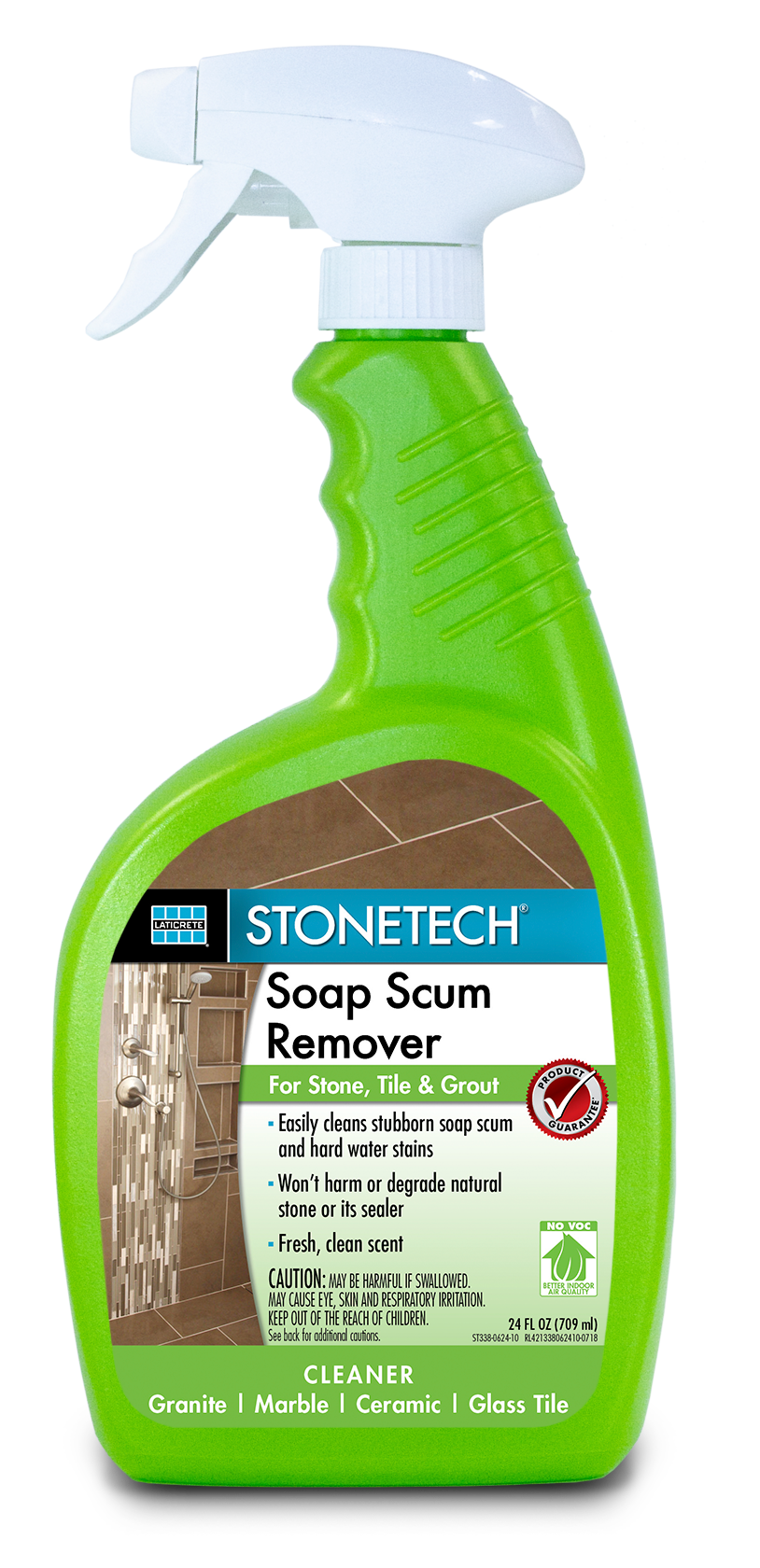
Some popular brands are Granite Gold, Method Daily Granite, and Weiman Granite Cleaner. Always follow the instructions on the label for best results.
Common Mistakes To Avoid
Even careful people make mistakes when cleaning granite. Here are the biggest ones:
- Using harsh chemicals: Acidic or alkaline cleaners damage the stone.
- Scrubbing with rough tools: Steel wool, scouring pads, or even rough paper towels can scratch granite.
- Skipping regular sealing: If granite isn’t sealed, it absorbs stains and scum more quickly.
- Letting water sit: Pooled water leaves mineral spots and helps soap scum form.
- Not rinsing well: Leftover cleaner can leave a sticky residue that attracts dirt.
Learn from these mistakes and your granite will stay beautiful for years.
Credit: www.laticrete.com
How To Check If Granite Needs Sealing
Sealing granite is important for protection. But how do you know when it’s time? There’s a simple test you can do:
- Pour a few drops of water on the granite surface.
- Wait 10-15 minutes.
- If the water beads up, the seal is still strong.
- If the water soaks in and darkens the stone, it’s time to reseal.
Resealing is not hard—just clean the surface, apply a granite sealer, let it sit as directed, and buff with a clean cloth.
Granite Vs. Other Surfaces: Soap Scum Removal
You might wonder how granite compares to other surfaces in your home. Here’s a quick overview:
| Surface | Best Soap Scum Remover | What to Avoid | Ease of Cleaning |
|---|---|---|---|
| Granite | pH-neutral stone cleaner | Acids, abrasives | Medium |
| Ceramic tile | Vinegar, commercial removers | Strong acids (may damage grout) | Easy |
| Glass shower doors | Vinegar, glass cleaner | Abrasive pads | Easy |
| Marble | pH-neutral stone cleaner | Acids, abrasives | Medium |
| Plastic/acrylic | Mild soap, non-scratch sponge | Strong chemicals, rough pads | Easy |
Granite needs a bit more care than tile or glass, but the effort keeps your stone looking new.
Credit: www.countertopspecialty.com
Special Tips For Granite Showers
Granite showers are popular for their luxury look, but they get a lot of soap scum due to constant moisture. Here’s how to keep them clean:
- Daily wipe-down: After each shower, use a squeegee or microfiber cloth to remove water.
- Weekly cleaning: Use a pH-neutral cleaner once a week to prevent build-up.
- Avoid bar soap: Switch to body wash or liquid soap.
- Check grout lines: Granite showers often have grout, which can stain. Use a stone-safe grout cleaner.
- Watch for mold: Granite resists mold, but grout does not. Keep the area dry and ventilated.
Most granite shower problems come from not drying the surface. A few seconds each day saves hours of scrubbing later.
When To Call A Professional
If soap scum has built up for a long time or your granite looks dull and stained, it might be time to call a professional. Professional stone cleaners have special tools and products to remove deep stains without harming your granite.
They can also reseal your surfaces, filling in pores and protecting the stone.
Some signs you need professional help:
- Soap scum is thick and won’t come off with home methods.
- Granite has stains, etching, or dull spots.
- You see cracks or chips that need repair.
Professional cleaning costs more but can extend the life of your granite and save you from expensive repairs later.
How To Restore Shine To Granite After Cleaning
Sometimes, granite looks clean but not shiny after removing soap scum. Here’s how to restore the gloss:
- Clean thoroughly: Make sure all soap scum and cleaner residue is gone.
- Dry completely: Use a clean, dry microfiber cloth.
- Polish with granite polish: Use a stone-safe polish (not furniture polish) and buff with a microfiber cloth.
- Avoid oil-based products: Some online tips suggest using cooking oil, but this leaves a sticky film.
Polishing is not needed every time you clean—once every few weeks is enough for most kitchens and bathrooms.
The Cost Of Neglect: Why Regular Cleaning Matters
Granite is a big investment. Soap scum might look like a small problem, but over time, it can lead to bigger issues:
- Stains: Soap scum can trap dirt, mold, and bacteria.
- Etching and dullness: Using the wrong cleaner wears away the surface, making granite look old.
- Expensive repairs: Removing thick build-up or restoring damaged granite is much more costly than regular cleaning.
Surveys show that regular maintenance can extend the life of granite surfaces by 10 years or more. A few minutes each week saves money and keeps your home beautiful.
Real-world Example: Cleaning A Granite Shower Wall
Let’s look at a real example. Emily, a homeowner, noticed her granite shower wall had a white, chalky film. She tried scrubbing with a regular bathroom cleaner, but the scum stayed.
Here’s how she fixed it:
- Switched to a pH-neutral granite cleaner.
- Applied the cleaner, let it sit for 5 minutes.
- Used a non-scratch sponge and gently scrubbed in circles.
- For the thickest spots, she softened them with a warm, wet cloth, then used a plastic scraper.
- Rinsed with clean water and dried with a towel.
Result: The granite looked new again, and she avoided any scratches or damage.
Environmental Impact: Choosing Eco-friendly Granite Cleaners
Many people want to protect the environment as well as their stone surfaces. Some eco-friendly granite cleaners use plant-based ingredients, are biodegradable, and come in recycled packaging. Brands like Method and Seventh Generation offer stone-safe options.
However, even eco-friendly products must be pH-neutral and free of acids. Always read the label and check for granite safety.
For more on stone care and cleaning, the Natural Stone Institute offers detailed guides and tips.
Frequently Asked Questions
How Often Should I Clean Granite To Prevent Soap Scum?
It’s best to wipe granite surfaces daily in bathrooms and kitchens, especially after use. For showers, squeegee or dry the walls after every use. Deep clean with a pH-neutral granite cleaner at least once a week to prevent build-up.
Can I Use Vinegar To Clean Soap Scum From Granite?
No, vinegar is too acidic for granite. It can damage the stone’s surface and dull its shine. Always use a pH-neutral cleaner made for natural stone.
What Should I Do If Soap Scum Keeps Coming Back?
If soap scum returns quickly, check if you’re using bar soap, not drying the surface after use, or have hard water. Switch to liquid soap, dry surfaces after showers, and consider installing a water softener if you have very hard water.
How Do I Know If My Granite Is Properly Sealed?
Perform the water drop test: put a few drops of water on the granite and wait 10-15 minutes. If the water beads up, your granite is sealed. If it soaks in, it’s time to reseal.
Is It Safe To Use Baking Soda On Granite?
Baking soda is mildly abrasive. It’s safe for occasional use on stubborn spots, but avoid regular use as it can dull the shine over time. Always rinse thoroughly and use gentle pressure.
Granite surfaces add beauty and value to your home, but keeping them clean requires the right approach. By following these tips, you can remove soap scum safely and keep your granite shining for years to come.