
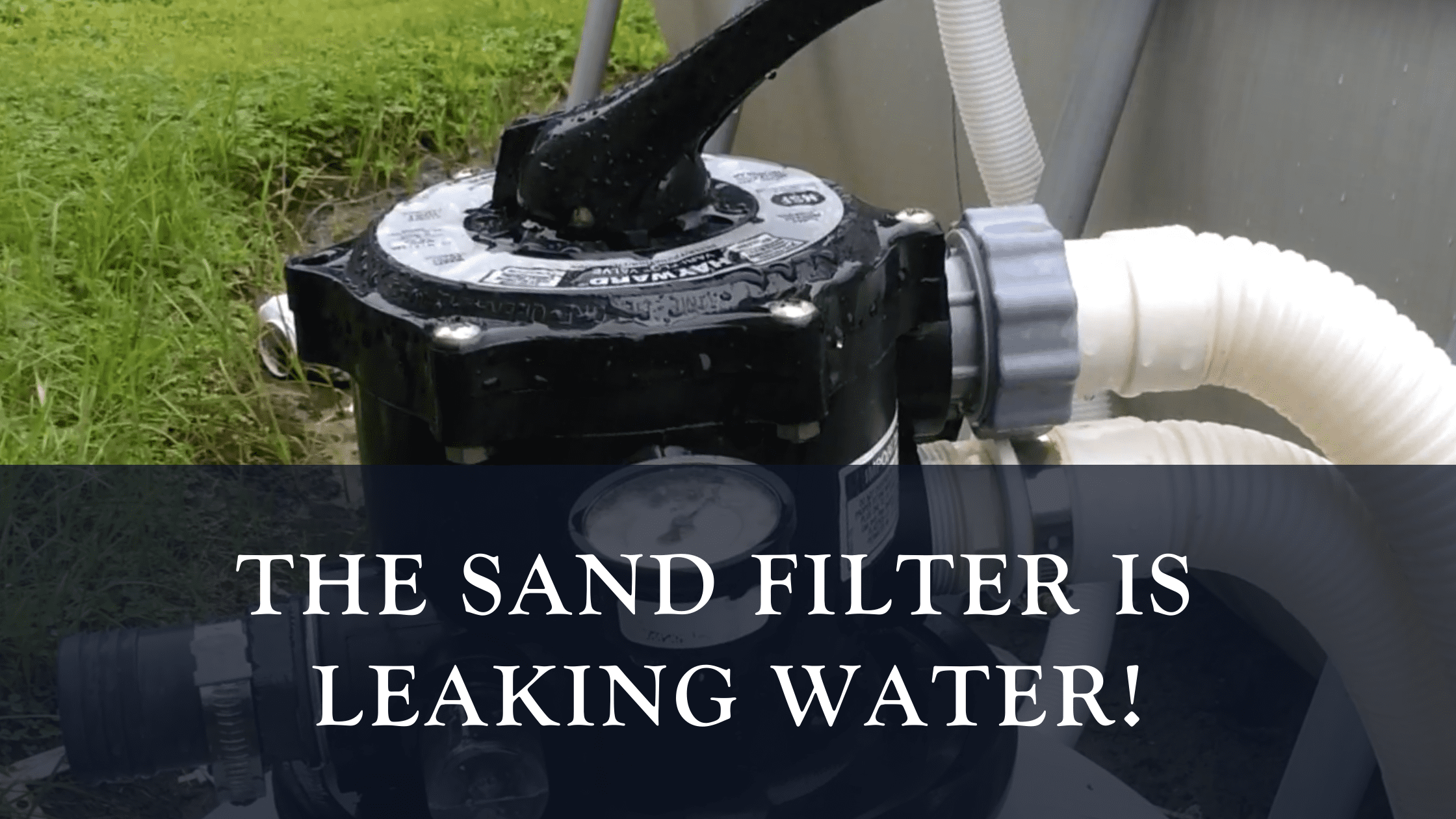
When you notice water dripping or pooling around the top of your Intex pool filter, it’s hard to relax by the pool. A leaking filter can waste water, reduce performance, and even damage your equipment if left alone. Many pool owners face this problem, but the good news is, most leaks at the top are fixable with some patience and know-how. Before you call for help or spend money on new parts, it’s worth understanding why this happens and how to stop it for good.
This guide covers everything you need to know: why your Intex pool filter leaks from the top, how to find the exact cause, what you can do yourself, when you need a pro, and how to prevent this issue in the future. Whether you’re new to above-ground pools or have years of experience, you’ll find practical advice and clear steps to keep your filter running smoothly.
Why Intex Pool Filters Leak From The Top
Understanding the root causes makes fixing a leaking filter much easier. Intex pool filters, especially the popular cartridge and sand models, have a few common points where leaks can start.
Worn Or Misplaced O-ring
The O-ring is a rubber seal that sits inside the filter’s top or under the lid. It prevents water from escaping. Over time, the O-ring can flatten, crack, or stretch. If it’s dry or misplaced during cleaning, water finds a path out, causing leaks.
Loose Or Damaged Lid
A filter lid that’s not tightened properly or has a crack will not seal. Sometimes, after cleaning or replacing the cartridge, the lid is cross-threaded or not pressed down evenly. Plastic can also become brittle with sun and chlorine exposure, making cracks more likely.
High Internal Pressure
If the pressure inside your filter is too high, water will find any weakness in the seal. Clogged cartridges, dirty sand, or blocked pipes can all raise pressure. This can force water out at the top.
Faulty Or Over-tightened Clamp
Many Intex filters use a locking clamp to secure the top. If the clamp is not seated evenly, or if it’s forced too tight, the lid can warp. This creates gaps for water to escape.
Debris Or Dirt On Seals
A small piece of dirt, sand, or even hair trapped on the O-ring or sealing surface prevents a tight seal. Even a thin layer can cause a slow leak.
Manufacturing Defects Or Wear
Sometimes, the filter housing or lid has a tiny crack or uneven surface from the factory. Over time, plastic parts also wear out or degrade from UV and chemicals.
How To Identify The Source Of The Leak
Pinpointing where the water comes out is the first step to a lasting fix. Here’s how you can do it:
- Turn off the pump and wait for the filter to stop running.
- Dry the entire filter housing with a towel.
- Restart the pump and observe closely.
- Look for beads of water forming at the lid seam, air relief valve, or around the clamp.
- Feel with your hand—sometimes water leaks are slow and hard to see.
If you’re not sure, sprinkle some talcum powder around the suspected area. The powder will get wet where the leak is, showing you exactly where water escapes.

Credit: www.youtube.com
Step-by-step Solutions For Fixing The Leak
Once you know the leak’s location, you can start fixing it. Follow these steps, beginning with the simplest checks.
1. Inspect And Clean The O-ring
- Turn off the pump and release pressure by opening the air relief valve.
- Remove the filter lid and carefully take out the O-ring.
- Wipe the O-ring and the groove it sits in with a clean, damp cloth.
- Check for cracks, flat spots, or stretching.
- If dirty, wash gently with mild soap and rinse well.
If the O-ring is damaged, replace it with an exact match.
2. Lubricate The O-ring
A dry O-ring does not seal well. Apply a thin layer of pool-safe silicone lubricant before reinstalling. Do not use petroleum jelly—it can damage rubber.
3. Check The Lid For Cracks Or Warping
Hold the lid up to a bright light. Look for hairline cracks, especially near the threads or clamp area. If you find damage, you’ll need a replacement part.
4. Reseat The Clamp Or Lid
- Make sure the lid sits evenly on the filter body.
- Tighten the clamp or screws gradually, switching sides to keep even pressure.
- Don’t overtighten—this can warp plastic.
5. Reduce Filter Pressure
- Backwash (for sand filters) or clean your cartridge.
- Check for blockages in the return line or valves.
- Replace a clogged filter media if cleaning doesn’t help.
6. Remove Debris From Sealing Surfaces
Wipe all surfaces where the O-ring or gasket touches. Even a tiny grain of sand can cause a leak.
7. Replace Worn Parts
If cleaning and reseating don’t work, order new O-rings, gaskets, or lids designed for your exact Intex filter model. Generic parts often do not fit well and may cause more leaks.
Common Intex Filter Models And Their Leak-prone Parts
Different Intex filters have unique designs. Knowing your model helps you find the right fix.
| Filter Model | Top Leak Points | O-Ring/Gasket Part No. |
|---|---|---|
| Intex Krystal Clear Cartridge Filter Pump | Lid O-ring, Air relief valve | 11737 |
| Intex Sand Filter Pump | Valve cover, Multiport valve O-ring | 10749 |
| Intex Saltwater System | Lid O-ring, Union connection | 11923 |
Always use the correct part number for replacements. Using the wrong O-ring can make leaks worse.
Detailed Troubleshooting For Each Cause
O-ring Problems
If you see water leaking from the seam where the lid meets the filter body, the O-ring is likely the problem. Remove the O-ring and stretch it gently. If it doesn’t return to shape, replace it. Lubrication is important—don’t skip this step.
Lid Damage
A lid with even a tiny crack often leaks more under pressure. For small cracks, pool-safe epoxy can provide a temporary fix, but replacement is the only long-term solution. Avoid using super glue or household adhesives.
Clamp Or Fastener Issues
If the clamp does not tighten evenly, try repositioning it. Make sure no debris is caught under the clamp. If the locking tabs are damaged or missing, order a new clamp.
High Pressure
A filter running at higher than normal pressure (check the gauge) often leaks at the weakest point. Record the pressure after cleaning the filter. If it goes up quickly, clean or replace the media more often.
Debris And Dirt
Don’t forget to check the sealing surfaces under bright light. Sometimes, what looks like a smooth surface has tiny scratches or grit that causes leaks.
Preventing Leaks In The Future
Stopping leaks before they start saves you time and money. Here’s how to keep your Intex filter dry at the top:
- Clean the O-ring and lid every time you open the filter.
- Lubricate O-rings at least once a month during the swimming season.
- Check for cracks in plastic parts before the season starts.
- Do not overtighten lids or clamps.
- Backwash and clean filter media regularly to keep pressure normal.
- Shade the filter if possible, to protect plastic from sun damage.
- Replace worn parts when you see signs of aging or damage.
These habits can keep your filter leak-free for years.
When To Call A Professional
Some leaks are simple to fix yourself, but there are times when professional help is best:
- The leak returns quickly after you fix it.
- You see large cracks or broken plastic.
- You are not sure about handling pressurized equipment.
- The filter is old and parts are hard to find.
A pool service technician can pressure test your system and find hidden problems.
Non-obvious Insights Most Pool Owners Miss
Many pool owners focus only on the O-ring or lid, but two less obvious details often matter:
- Water chemistry: High chlorine or low pH can degrade rubber and plastic much faster. Test your pool water weekly and keep it balanced. Acidic water can shorten the life of O-rings and cause leaks.
- Pump run time: Running your pump longer than needed puts extra strain on seals and lids. Check your manual for recommended run times based on pool size.
Also, after-market “universal” O-rings often do not seal as well as official Intex parts. Always check the dimensions and buy from a trusted source.
What If The Leak Persists After Fixing?
If you’ve replaced the O-ring, cleaned the surfaces, and checked the lid, but water still leaks from the top, consider these advanced steps:
- Inspect the filter body for warping—sometimes, heat or pressure causes the plastic to bend out of shape.
- Check for hairline cracks with a flashlight and magnifying glass.
- If you have hard water, mineral deposits can build up and keep the lid from sealing. Clean with a gentle descaler.
In rare cases, the filter may have a manufacturing defect. Contact Intex customer service for warranty or replacement options.
How A Leaking Filter Affects Your Pool
Ignoring a leak may seem harmless, but it causes several problems:
- Water loss: Even a slow leak can waste hundreds of gallons over a summer.
- Pump damage: Air entering the system can cause the pump to lose prime or overheat.
- Reduced filtration: Lower pressure means less effective cleaning, leading to cloudy water.
- Higher chemical use: More water loss means you’ll need to add more chemicals to keep the pool safe.
Addressing leaks early keeps your pool healthy and saves money.
Credit: www.rrpools.ca
Comparing Diy Fixes Vs. Professional Repair
There’s a trade-off between fixing leaks yourself and hiring a pro. Here’s a quick comparison:
| Aspect | DIY Fix | Professional Repair |
|---|---|---|
| Cost | Low (usually under $20 for O-ring/lubricant) | Higher ($75–$200 for service call and parts) |
| Time | 1–2 hours | Usually fixed in one visit |
| Skill Needed | Basic (follow instructions) | None (done by pro) |
| Warranty | Parts only | Service warranty included |
For most leaks at the top, a careful DIY approach works well. Call a pro for bigger cracks or repeated leaks.
Maintenance Tips For A Leak-free Intex Filter
A little routine care goes a long way. Here’s a maintenance checklist:
- Inspect O-rings every month.
- Clean filter media as recommended.
- Store spare O-rings and lubricant.
- Keep the filter covered when not in use.
- Monitor the pressure gauge weekly.
If you follow these steps, leaks become much less likely.
Real-world Example
Sarah, a pool owner in Florida, noticed her Intex filter leaking from the top after she cleaned the cartridge. She checked the O-ring and saw it was dry and had a flat spot. After replacing it with the right part and using silicone lubricant, the leak stopped.
She now checks her O-ring every time she opens the filter and has had no leaks since.
The Cost Of Ignoring A Leak
Letting a small leak go unfixed can lead to bigger problems:
- Higher water bills due to constant refilling.
- Damage to the filter housing, pump, or pool area.
- Shorter lifespan for equipment.
- Growth of algae or bacteria from poor filtration.
Fix leaks early to avoid these headaches.
Tools And Supplies You’ll Need
- Replacement O-ring (exact fit for your filter model)
- Pool-safe silicone lubricant
- Clean cloths
- Flashlight
- Mild soap
- Screwdriver or wrench (if needed)
- Pool owner’s manual
Having these on hand makes repairs quicker and less stressful.
How To Order The Right Parts
Always check your filter’s model number (usually on the label). Order parts from the official Intex site or a trusted pool supply store. Avoid cheap, unbranded O-rings. For more information, the official Intex website has detailed part lists and diagrams: Intex Support.

Credit: www.reddit.com
How Weather And Sun Affect Intex Filter Leaks
Sun and heat cause plastic and rubber to expand and contract. Over time, this weakens seals and creates cracks. Shade your filter or move it out of direct sunlight if possible. After storms, check the lid and O-ring for debris.
How To Test After Repairs
After fixing a leak, always test your filter:
- Start the pump and let it run for at least 15 minutes.
- Check for any signs of water around the lid or clamp.
- Watch the pressure gauge—if it rises quickly, the media may still be clogged.
- Recheck the seal after 24 hours.
This ensures your fix is solid before you walk away.
Frequently Asked Questions
What Size O-ring Do I Need For My Intex Pool Filter?
Always use the O-ring designed for your specific filter model. Check the user manual or the label on the filter. Using the wrong size can cause leaks.
Can I Use Vaseline On The O-ring?
No. Vaseline (petroleum jelly) breaks down rubber over time. Use only pool-safe silicone lubricant.
How Often Should I Replace The O-ring?
Replace the O-ring every 1-2 years or whenever you see cracks, flat spots, or stretching. Replace sooner if you notice leaks.
Is It Safe To Run The Filter With A Small Leak?
It’s not recommended. Even a small leak can get worse and may damage your pump or waste water. Fix leaks as soon as you notice them.
Can I Repair A Cracked Filter Lid?
Small cracks can sometimes be patched with pool-safe epoxy as a short-term fix. However, for safety and reliability, it’s best to replace the lid.
Taking care of your Intex pool filter keeps your water clear and swimming stress-free. With regular checks and the right fixes, leaks from the top can be stopped for good. If you ever feel stuck, don’t hesitate to ask for professional help or check the official Intex resources for detailed guidance.