
Using a steam rack in your Instant Pot might seem simple, but mastering it can completely change how you cook. Many Instant Pot owners only use their steam rack for a few recipes, or they skip it because they are unsure what it really does. Yet, this small accessory is the secret to getting perfect steamed vegetables, fluffy rice, tender meats, and even desserts that are cooked just right. If you want to make the most of your Instant Pot, learning how to use the steam rack is a must.
In this article, you’ll find everything you need to know about using the steam rack in your Instant Pot. We’ll cover why it matters, how to set it up, detailed step-by-step guides for common recipes, cleaning tips, safety advice, and much more.
You’ll also learn some clever tricks that even many experienced users miss. By the end, you’ll feel confident using your steam rack for a wide range of meals and snacks.
What Is A Steam Rack And Why Is It Important?
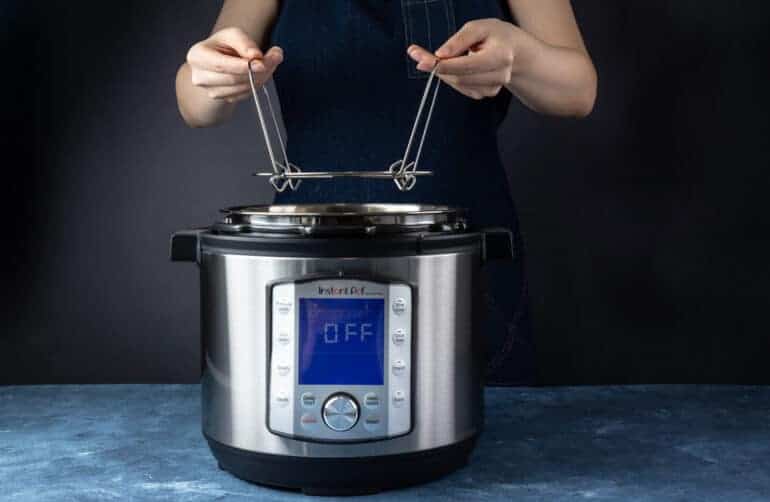
The steam rack (sometimes called a trivet) is a metal or silicone stand that sits in the bottom of your Instant Pot. It keeps food above the water, letting hot steam circulate around your food. This is very different from just putting food in the water, because steam cooks more gently and evenly. The rack prevents food from getting soggy, breaking apart, or sticking to the pot.
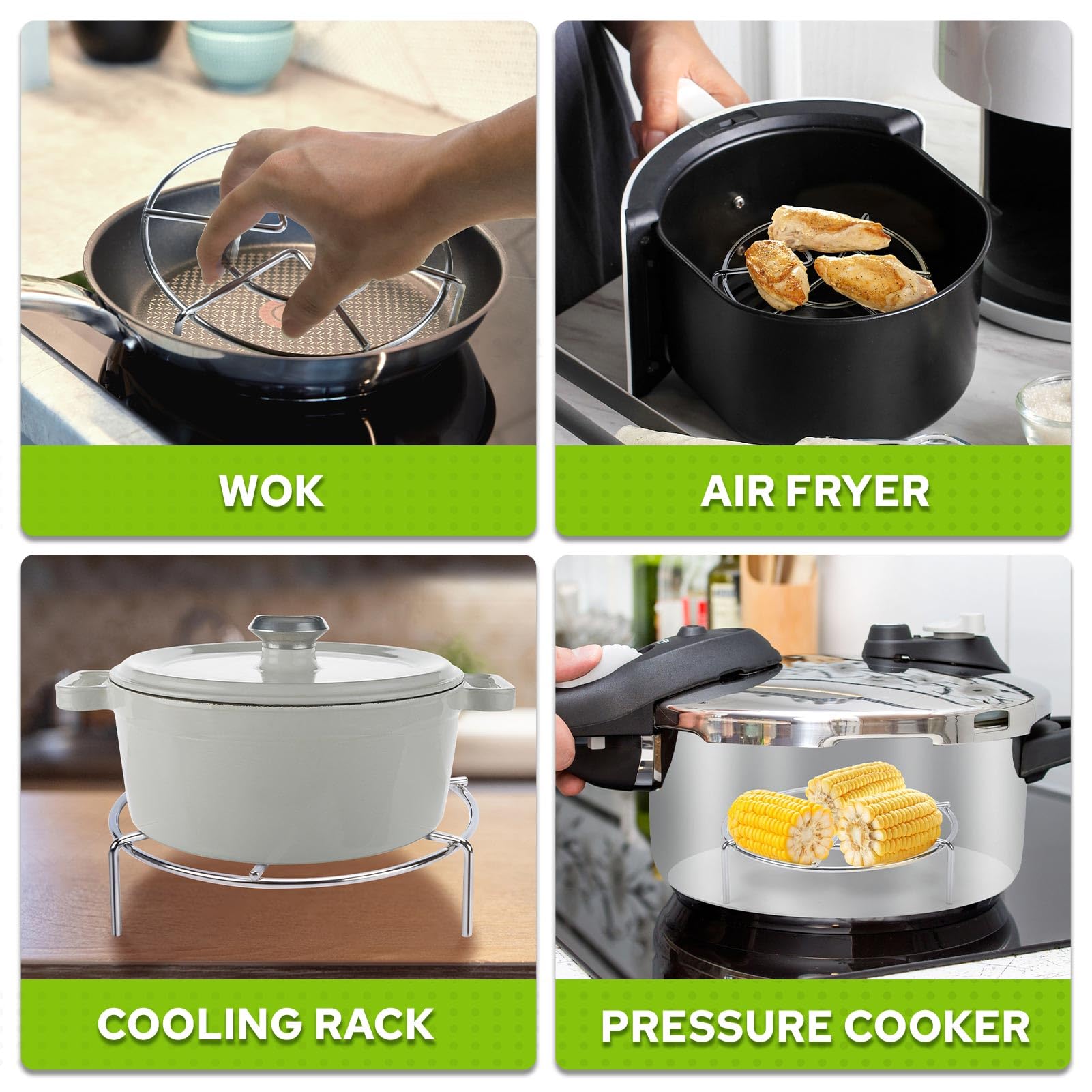
Some Instant Pots come with a basic wire rack, while others may include racks with handles or even stackable tiers. You can also buy special racks for eggs, desserts, or large meats. The main purpose is always the same: to lift food above the water and help steam do the cooking.
Why does this matter? Steaming preserves nutrients in vegetables and keeps meats juicy. For foods like cheesecake, gentle steam cooking prevents cracks and dryness. Using the rack also means you can cook several items at once, or keep food warm without direct contact with liquid.
Types Of Steam Racks And How To Choose
There are several types of steam racks you might use in an Instant Pot. Choosing the right one depends on your recipes and the size of your pot.
- Basic Wire Rack: This is usually included with most Instant Pots. It has short legs and a simple design. It’s good for general steaming, eggs, and small pans.
- Rack with Handles: These racks have silicone or metal handles, making it easier to lift food out. They are helpful for cheesecakes or dishes in a bowl.
- Stackable Racks: These allow you to cook multiple layers of food at once. For example, you can steam vegetables on one layer and fish or chicken on another.
- Egg Racks: Special racks with small holes designed to hold eggs upright. These are great for making perfect hard-boiled or soft-boiled eggs.
- Silicone Racks: Softer racks that are easy to clean and gentle on non-stick inner pots.
When choosing a rack, always check that it fits your Instant Pot model. The rack should sit flat on the bottom and be stable, so food does not tip or fall into the water.
Credit: www.pressurecookrecipes.com
Setting Up The Steam Rack In Your Instant Pot
Getting started with the steam rack is easy. Here’s how to set it up for steaming:
- Add Water: Pour at least one cup (250 ml) of water into the inner pot. The water should cover the bottom but not touch the food on the rack. Most recipes need 1–2 cups, but always check your Instant Pot’s minimum liquid requirement.
- Insert the Rack: Place the steam rack inside the pot, making sure it sits firmly.
- Arrange Food: Put your food or a heat-proof dish on top of the rack. Make sure food is not blocking the pressure release valve.
- Close the Lid: Lock the Instant Pot lid and set the valve to Sealing.
- Select Cooking Function: Choose Steam, Pressure Cook, or a specific program as your recipe requires.
- Release Pressure Safely: When cooking is done, follow your recipe for natural or quick release. Carefully lift out the rack using handles or tongs.
Practical tip: If your recipe uses a bowl or pan on the rack, make sure the dish is oven-safe and fits easily inside the pot.
Common Recipes That Use The Steam Rack
The steam rack can transform many basic recipes. Here are some popular foods you can cook with it:
1. Steamed Vegetables
Place broccoli, carrots, green beans, or mixed vegetables on the rack. Add water and set to Steam for 2–4 minutes (depending on vegetable and size). This keeps veggies crisp and preserves color and vitamins.
2. Hard-boiled Eggs
Use an egg rack or the basic rack. Add eggs, water, and cook on High Pressure for 5 minutes, then let sit for 5 minutes before quick releasing. The result: easy-to-peel eggs every time.
3. Fish Fillets
Fish cooks gently on the rack, keeping it moist. Season your fillets, place on a plate or foil on the rack, and steam for 5–8 minutes. This method avoids the fish sticking to the pot or falling apart.
4. Pot-in-pot Rice
You can cook rice in a bowl on the rack, with water below. This is useful if you want to cook rice and a curry or stew at the same time. It also keeps rice from burning or sticking.
5. Cheesecake And Desserts
The steam rack is a must for Instant Pot cheesecakes. Place your filled pan on the rack, add water below, and pressure cook as the recipe says. Steam helps desserts stay smooth without cracks.
6. Steamed Dumplings
Asian dumplings or buns steam perfectly on the rack. Line the rack with parchment or cabbage leaves to prevent sticking. Steam for about 8–12 minutes.
7. Whole Chicken
Set the chicken on the rack with water and seasonings below. This keeps the meat juicy and lets fat drip down, making for healthier, tender chicken.
8. Reheating Leftovers
Instead of using a microwave, reheat cooked food in a heat-safe dish on the rack. The steam warms food without drying it out.
9. Potatoes
Steam whole or cut potatoes on the rack for 10–20 minutes, depending on size. This is great for mashed potatoes, potato salad, or baked potatoes without the oven.
10. Tamales
The rack lifts tamales above water, so they steam evenly. Stack tamales upright on the rack, add water, and steam for 20–30 minutes.

Credit: www.woolyyarn.com
Step-by-step: How To Use The Steam Rack For Different Foods
Let’s break down how to use the steam rack for some common foods, with clear steps and practical examples.
Steaming Vegetables
- Add 1 cup of water to the inner pot.
- Place the steam rack inside.
- Arrange washed, cut vegetables on the rack in a single layer.
- Close the lid, set valve to Sealing.
- Press Steam. Set time: 2 minutes for broccoli, 3 minutes for carrots, 4 minutes for potatoes.
- Quick release the pressure. Remove vegetables with tongs.
Beginner tip: For even cooking, cut vegetables into similar sizes.
Making Hard-boiled Eggs
- Pour 1 cup water into the pot.
- Place the rack (or egg rack) inside.
- Put eggs on the rack (as many as fit in a single layer).
- Lock the lid, set to Sealing.
- Pressure Cook on High for 5 minutes.
- Let pressure release naturally for 5 minutes, then quick release.
- Place eggs in cold water to stop cooking.
Non-obvious insight: If you use farm-fresh eggs, they peel more easily when steamed.
Cooking Rice Pot-in-pot
- Add 1 cup water to the bottom of the inner pot.
- Place the rack inside.
- In a heatproof bowl, add 1 cup rice and 1 cup water (for white rice).
- Put the bowl on the rack.
- Pressure Cook on High for 6 minutes (white rice).
- Natural release for 10 minutes, then quick release.
Practical tip: Pot-in-pot is perfect for cooking rice and curry together without mixing flavors.
Cheesecake In The Instant Pot
- Pour 1.5 cups water into the inner pot.
- Place the rack with handles inside.
- Prepare cheesecake batter and pour into a 7-inch springform pan.
- Cover pan with foil (to prevent water drops).
- Place pan on the rack.
- Pressure Cook on High for 35 minutes.
- Natural release for 10 minutes, then quick release.
- Cool before serving.
Non-obvious insight: Always use foil to avoid soggy cakes from condensation.
Steaming Fish
- Add 1 cup water.
- Place seasoned fish fillets on a plate or foil on the rack.
- Lower the rack into the pot.
- Pressure Cook or Steam for 5–7 minutes (depends on thickness).
- Quick release, serve immediately.
Beginner tip: For delicate fish, use a plate so it doesn’t break when removing.
Cooking Times And Water Amounts: Quick Reference
How much water and how long to steam? Here’s a handy guide for popular foods.
| Food | Water (cups) | Time (minutes) | Release Type |
|---|---|---|---|
| Broccoli | 1 | 2 | Quick |
| Carrots | 1 | 3 | Quick |
| Eggs | 1 | 5 | Natural 5 min, then Quick |
| Potatoes | 1 | 12 | Quick |
| Fish | 1 | 6 | Quick |
| Chicken (whole) | 1 | 22 | Natural 10 min, then Quick |
| Cheesecake | 1.5 | 35 | Natural 10 min, then Quick |
Expert advice: Always check your Instant Pot’s minimum liquid requirement, especially for larger models.
Stacking And Layering Food With The Steam Rack
One of the best Instant Pot tricks is cooking more than one food at the same time. The steam rack makes this possible.
How To Stack Food
- Place the rack in the pot with water below.
- Add a heat-safe bowl or pan with rice, grains, or dessert on top of the rack.
- Put meat or vegetables under or on the rack (if space allows).
- Use stackable racks for multiple layers.
Example: You can cook chicken thighs under the rack, and a bowl of rice on the rack above. Both will finish together, saving time and dishes.
Tips For Layering
- Always put items that need longer cooking time on the bottom.
- Do not overfill or block the pressure valve.
- Use foil to separate foods with different flavors.
Non-obvious insight: Layered cooking is perfect for meal prep. You can steam vegetables and protein together, with rice above.
Cleaning And Caring For Your Steam Rack
Your steam rack will last years if you keep it clean and rust-free. Here’s how to care for it:
- Wash the rack after each use with warm soapy water. Most racks are dishwasher-safe.
- If food sticks, soak the rack in hot water for 10–20 minutes before scrubbing.
- For stubborn stains, use a baking soda paste.
- Dry the rack completely before storing to prevent rust, especially for metal racks.
- Silicone racks are less likely to rust and can often go in the dishwasher.
Beginner mistake: Leaving the rack wet in the pot can cause rust or odor.
Safety Tips When Using The Steam Rack
Cooking with high pressure and steam is safe if you follow some simple rules:
- Never open the Instant Pot until all pressure is released.
- Use tongs or silicone gloves to lift the hot rack and food.
- Always add enough water to avoid a “burn” warning.
- Do not overfill the pot above the Max line, especially with foods that expand or foam.
- Check that the rack sits flat so food does not tip over.
Practical advice: If you are new to pressure cooking, always read your Instant Pot manual before trying new recipes with the rack.
Troubleshooting Common Problems
Sometimes things don’t go as planned. Here are solutions to common issues:
Problem: Food is undercooked
Solution: Increase cooking time by 1–2 minutes next time, especially for dense foods.
Problem: Food is too soft or mushy
Solution: Reduce cooking time, or cut food into larger pieces.
Problem: Rack tips over during cooking
Solution: Make sure food is balanced and not piled too high. Use a rack with handles for heavy dishes.
Problem: Rack rusts or discolors
Solution: Dry thoroughly after washing. For metal racks, avoid soaking overnight.
Non-obvious insight: If your food tastes metallic, it’s usually from minerals in water, not the rack. Use filtered water if possible.
Comparing Steam Rack Materials
Not all steam racks are the same. Here’s a quick look at the differences between common materials.
| Material | Pros | Cons | Best For |
|---|---|---|---|
| Stainless Steel | Strong, doesn’t rust easily, dishwasher-safe | Can discolor, heavy | General use, meats |
| Silicone | Flexible, easy to clean, gentle on pot | Not for very heavy foods, can stain | Eggs, vegetables, desserts |
| Non-stick Coated | Easy release, easy to clean | Coating can wear off, not for high heat | Delicate foods |
Expert tip: For heavy items like a whole chicken, always use a sturdy stainless steel rack.
Advanced Steam Rack Techniques
Once you’re comfortable with basic uses, try these more advanced methods:
- Double-decker cooking: Use stackable racks to make two different dishes at once, such as meat on the bottom, dessert above.
- Foil sling: For heavy or delicate dishes, fold a long piece of foil into a sling under your pan, so you can lift it out easily.
- Infused steaming: Add herbs, lemon slices, or spices to the water below the rack. The steam will carry flavor into your food.
Non-obvious insight: When reheating leftovers, add a few drops of water to the dish. The steam keeps food moist and fresh-tasting.
Mistakes To Avoid With The Steam Rack
Even experienced cooks make errors with the steam rack. Here’s what to watch out for:
- Forgetting to add water: The rack alone does not create steam. Always add the recommended amount of water.
- Using the wrong rack size: Racks that are too large or small can cause food to tip or block the lid.
- Overfilling the pot: Too much food can prevent proper steaming or block safety valves.
- Not balancing food: Uneven loads can tip the rack or cause food to fall into the water.
- Not cleaning the rack: Leftover food can cause odors, rust, or affect the taste of future meals.
Experienced advice: Try your first recipes with simple foods like eggs or vegetables. This builds confidence before you try more complex dishes.
When Not To Use The Steam Rack
While the steam rack is useful for many recipes, there are times you should leave it out:
- When making soups, stews, or anything that needs to simmer directly in the liquid.
- For recipes that require browning or sautéing before pressure cooking.
- If the food must be fully submerged, like pasta or beans (unless using pot-in-pot method).
Non-obvious insight: For foods that stick easily, like dumplings, always line the rack with parchment or cabbage leaves.
Buying A New Steam Rack: What To Consider
If you want to upgrade your rack or buy a new one, keep these points in mind:
- Size: Check the size of your Instant Pot model (3, 6, or 8 quarts).
- Material: Choose stainless steel for durability, silicone for easy cleaning.
- Handles: Racks with handles are safer and easier to remove.
- Stackability: Stackable racks are great for meal prep or large families.
- Purpose: Buy special racks if you love eggs, desserts, or multi-level cooking.
For more details on accessories, check the official Instant Pot accessories page.
Frequently Asked Questions
How Much Water Should I Add When Using The Steam Rack?
For most recipes, use at least 1 cup of water for a 6-quart Instant Pot and 1.5 cups for an 8-quart model. Always check your Instant Pot manual for the minimum liquid amount.
Can I Use Any Metal Rack In My Instant Pot?
Only use racks made from food-safe stainless steel or silicone. Avoid racks with paint or non-stick coatings not designed for high heat, as these can peel or release chemicals.
Do I Need To Adjust Cooking Times When Using The Rack?
Yes, food on the rack cooks faster and more evenly because it’s surrounded by steam. For dense foods, add 1–2 minutes if they are thick or tightly packed.
Can I Stack Two Racks For Double Cooking?
Yes, as long as the lid closes properly and the racks do not block the pressure valve. Stackable racks are designed for this purpose. Always check that both foods require similar cooking times.
Is It Safe To Put Glass Or Ceramic Dishes On The Steam Rack?
Yes, as long as the dish is oven-safe and fits inside the pot. Avoid thin glass, which can crack under pressure.
Making the most of your steam rack unlocks the true power of your Instant Pot. With these tips, techniques, and solutions, you can cook healthier, tastier meals while saving time and energy. Try a new recipe today—and discover just how versatile your Instant Pot can be.
Credit: www.amazon.com