
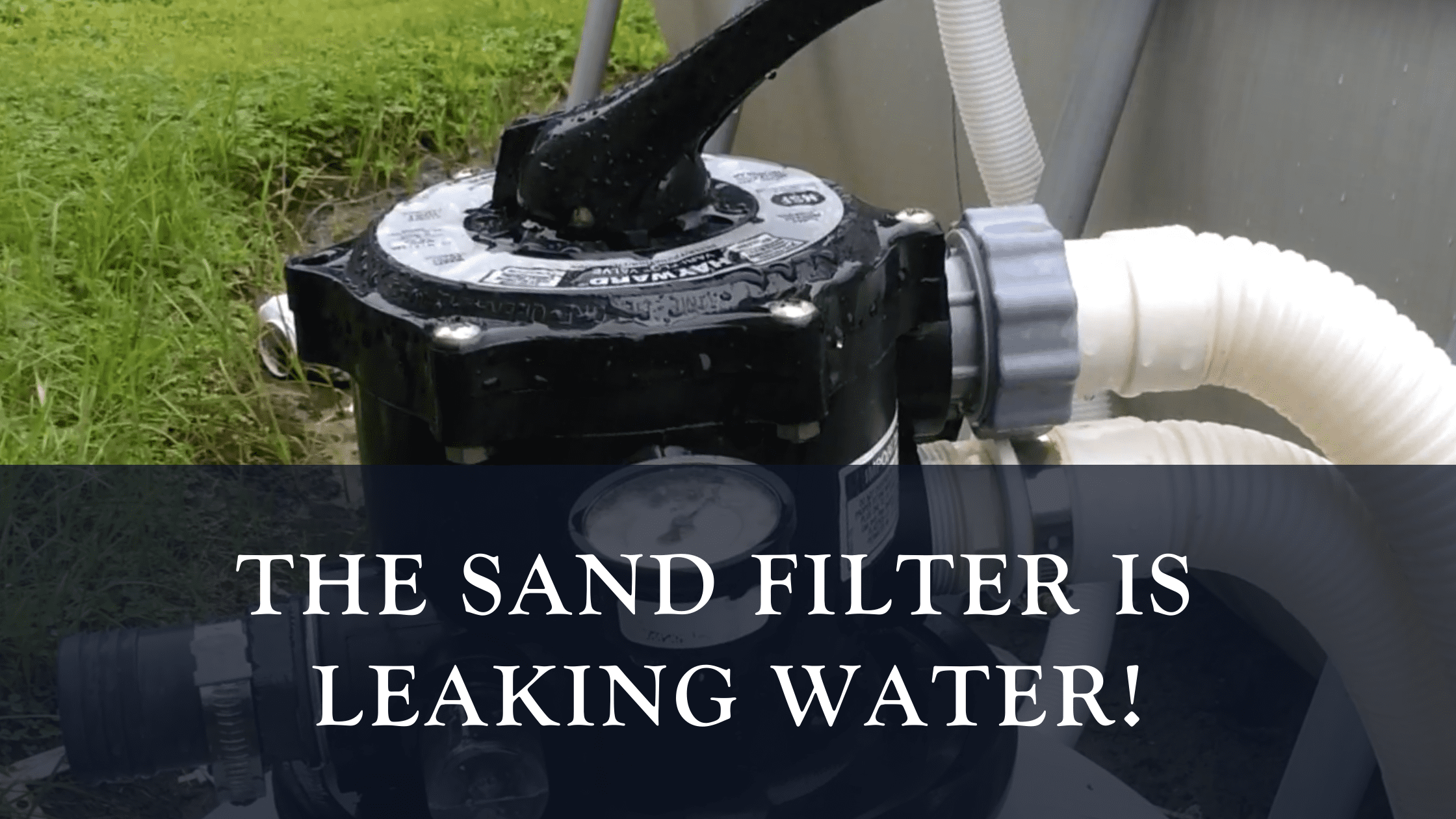
If you own an Intex pool, you expect clear water, easy maintenance, and fun with family or friends. But what if you see water dripping or spraying from the top of your Intex pool filter? This problem can turn a relaxing swim into a frustrating job. A leaking filter not only wastes water but can also damage your pool’s equipment and make the water unsafe. Many pool owners worry about leaks, and it’s a common issue that can have several causes. If you’re facing this, you’re not alone—and you don’t have to panic.
This guide will help you understand why your Intex pool filter leaks from the top, how to fix it, and how to prevent it from happening again. You’ll get practical steps, expert tips, and solutions based on real pool owner experiences. Whether you’re a new pool owner or have years of experience, this article will help you solve the problem confidently and quickly.
Why Intex Pool Filters Leak From The Top
A leak from the top of your Intex pool filter usually means something is not sealing correctly. Several factors can cause this:
- Worn or damaged O-rings: The O-ring creates a watertight seal at the top of the filter. If it’s cracked or out of place, water escapes.
- Loose filter housing: If the top lid isn’t screwed down tightly, the seal breaks.
- Cracks in the filter head: Any split or damage allows water to leak.
- Clogged or over-pressured filter: Excessive pressure forces water out through weak points.
- Improper installation: If parts are misaligned, leaks can appear.
Understanding the cause is the first step to fixing your leaking filter. Many owners overlook simple things, like an O-ring not seated properly, and jump to expensive replacements. Sometimes, a leak signals a maintenance issue that, if ignored, leads to bigger problems later.
Common Signs Of A Top Leak In Intex Pool Filters
Before you repair, it’s important to know how to spot a leak from the top:
- Visible drips or water spray around the top of the filter.
- Wet areas on the filter lid or the ground under the filter.
- Reduced water pressure in the pool jets.
- Air bubbles returning to the pool, caused by air sucked in through the leak.
- Unusual noises from the filter, like hissing or gurgling.
If you notice these, act quickly. Leaks get worse with time, and small problems become major repairs if ignored.
How The Intex Pool Filter System Works
To fix a leak, it helps to know how your filter system works. Intex pools use two main filter types: cartridge filters and sand filters. Both have a pump that pushes water through the filter to trap dirt and debris.
- Cartridge filters use a replaceable paper cartridge inside a plastic housing.
- Sand filters use a large tank filled with sand and a multiport valve on top.
The top of the filter houses the lid or valve. A rubber O-ring or gasket creates a seal between the lid and the body. If this seal fails, water escapes at the top, not the bottom. Most leaks from the top relate to the O-ring or the way the lid is fastened.
Step-by-step Guide To Diagnosing The Leak
Here’s how you can find the exact source of the leak:
- Turn off the pump. Never work on the filter while it’s running. This prevents injury and more leaks.
- Dry the filter. Wipe down the top and sides so you can see new leaks.
- Inspect the O-ring. Remove the lid and check the O-ring for cracks, flat spots, or dirt.
- Check the lid and threads. Look for dirt, wear, or cross-threading.
- Look for cracks. Shine a flashlight on the lid and top of the filter tank.
- Test for pressure issues. If the filter gauge shows high pressure, a clog might be causing the leak.
A common beginner mistake is to overtighten the lid, which can flatten the O-ring or crack the plastic. Always tighten to the manufacturer’s recommendation.
Fixing A Leaking Intex Pool Filter: Solutions For Every Cause
Once you’ve found the cause, follow these practical fixes:
1. Replacing Or Lubricating The O-ring
The O-ring is the most common reason for leaks.
- Remove the old O-ring. Use a soft cloth to clean the groove.
- Inspect for damage. If cracked, stretched, or flat, replace it.
- Apply silicone-based lubricant. This helps create a tight seal and makes the O-ring last longer.
- Reinstall carefully. Make sure it sits flat and isn’t twisted.
- Tighten the lid evenly. Do not overtighten.
Non-obvious tip: Many owners forget to use proper pool O-ring lubricant. Petroleum jelly (like Vaseline) can actually damage the rubber over time.
2. Tightening The Filter Lid Correctly
If the lid isn’t tight, water leaks. But too much force can cause cracks.
- Hand-tighten until snug.
- If using a clamp, make sure it’s evenly aligned.
- Check for cross-threading. The lid should screw on smoothly.
Non-obvious tip: Tighten the lid in small increments and check for leaks after each adjustment.
3. Repairing Or Replacing A Cracked Lid
If you find a crack, repair or replace the part.
- Small cracks: Use pool-safe epoxy or plastic weld as a temporary fix.
- Large cracks: Replace the lid or filter head. Continuing to use a cracked lid can cause a sudden burst.
Example: One pool owner fixed a hairline crack with epoxy but later found a new crack nearby—the safest option is replacement.
4. Cleaning Or Replacing The Filter Cartridge
A clogged filter forces water out through weak spots.
- Remove and rinse the cartridge with a hose.
- For sand filters, backwash according to the manual.
- Replace cartridges every 2-4 weeks (depending on use).
Never use high-pressure water, as it can damage the cartridge.
5. Checking For High Pressure
If the pressure gauge reads higher than normal (over 10-15 PSI for most Intex filters), relieve the pressure by cleaning the filter. High pressure can worsen leaks.
- Release air using the air relief valve.
- Check the return flow. Weak water flow means blockage.
If the pressure stays high after cleaning, check for a blockage in the hoses or pool skimmer.
How To Prevent Intex Pool Filter Leaks From The Top
Prevention is always easier than repair. Here’s how you can avoid leaks:
- Inspect the O-ring every month. Replace at the first sign of wear.
- Clean the filter regularly. Follow the schedule in your manual.
- Hand-tighten the lid. Never use tools unless specified.
- Use the right lubricant. Only silicone-based products.
- Protect the filter from freezing. Ice expands and cracks plastic.
- Keep the filter out of direct sun. UV rays can weaken plastic and rubber.
Pro tip: Store spare O-rings and lubricant with your pool supplies. If a leak starts, you’ll be ready.
Comparing Intex Cartridge And Sand Filters: Leak Risks
Different filter types have different risks for top leaks. Below is a summary:
| Feature | Cartridge Filter | Sand Filter |
|---|---|---|
| Seal Type | O-ring under lid | O-ring in multiport valve |
| Leak Risk | High, if O-ring wears | Medium, valve can crack |
| Repair Cost | Low (O-ring $5-10) | Medium (valve $25-50) |
| Maintenance | Easy, replace O-ring | More parts, complex |
Cartridge filters are simple to maintain but depend on a single O-ring. Sand filters have more parts that can leak but are built for higher pressure.
Step-by-step: How To Replace The O-ring On An Intex Pool Filter
A failing O-ring is the number one cause of leaks. Here’s how to change it:
What You Need
- Replacement O-ring (check your model number)
- Silicone-based pool O-ring lubricant
- Clean cloth
Steps
- Shut off the filter pump. Unplug from power.
- Release pressure. Open the air relief valve if present.
- Remove the lid or valve. Unscrew by hand.
- Take out the old O-ring. Use a cloth to clean the groove.
- Lubricate the new O-ring. Apply a thin layer of lubricant.
- Install the O-ring. Press it into the groove, ensuring it’s flat and not twisted.
- Replace the lid. Tighten by hand.
- Turn on the pump. Check for leaks.
Common mistake: Skipping the lubricant step. Dry O-rings can pinch or tear, causing leaks.
Real-world Example: Troubleshooting A Persistent Leak
Let’s look at a real scenario. Mark, a pool owner, noticed water dripping from the top of his Intex cartridge filter. He replaced the O-ring, but the leak returned after a week.
He followed these steps:
- Checked the O-ring: It was new and lubricated.
- Inspected the lid: Found a small crack near the threads.
- Replaced the lid: Leak stopped.
Lesson: Sometimes, leaks are due to a combination of small problems. Always inspect both the O-ring and the lid.
When To Replace Vs. Repair
Not every leak needs new parts. But sometimes, replacement is safer.
Repair if:
- The O-ring is dirty or dry but not cracked.
- The lid has a very small hairline crack.
- The leak is slow and manageable.
Replace if:
- The O-ring is cracked, flat, or deformed.
- The lid or filter head is badly cracked.
- The leak is fast or getting worse.
Expert advice: Never try to glue or tape over a large crack on the filter. The pressure can cause sudden failure.
Essential Maintenance Tips For Leak-free Intex Filters
Regular care keeps your filter running smoothly:
- Backwash sand filters (or rinse cartridge) every week during heavy use.
- Check O-rings for dirt, cracks, and dryness.
- Store the filter indoors during winter if possible.
- Inspect hoses for leaks or loose connections.
- Keep the filter area clean to prevent dirt from entering the seal.
Data point: Intex recommends changing the O-ring every 1-2 years, but in hot climates, replace yearly.
How Water Chemistry Affects Leaks
Water that’s too acidic or too alkaline can damage O-rings and plastic.
- PH below 7.2: Causes rubber to harden and crack.
- PH above 7.8: Causes scaling, which can block seals.
Test your pool water weekly and keep pH between 7. 2 and 7. 6.
Pro tip: Shock your pool only at night, as high chlorine levels can degrade rubber parts.
Cost Of Repairing A Leaking Intex Pool Filter
How Much Will It Cost To Fix A Top Leak?
| Repair | Average Cost (USD) |
|---|---|
| O-ring replacement | $5 – $12 |
| Lid replacement | $15 – $35 |
| Lubricant | $4 – $8 |
| Complete filter head | $25 – $60 |
| Professional service | $60 – $120 |
Most owners can handle O-ring and lid replacement themselves. If you’re not comfortable, a pool service can help.
When To Call A Professional
If you’ve tried the above fixes and the leak continues, it’s time to call an expert if:
- The filter leaks even after replacing the O-ring and lid.
- You see cracks in the filter tank itself.
- The filter pressure is always too high.
- You don’t feel safe handling repairs.
A professional can check for hidden cracks, test pressure, and recommend the best fix.

Credit: www.youtube.com
How To Find The Right O-ring For Your Intex Filter
Not all O-rings are the same. Using the wrong size leads to poor seals and leaks.
- Check your filter’s model number on the label.
- Order from Intex directly or a trusted pool supply store.
- Compare the old and new O-ring side by side.
- Never stretch a smaller O-ring to fit—it will leak.
Example: For Intex Model 28633EG, the O-ring size is different from older models. Always double-check before buying.
Should You Upgrade To A Sand Filter?
If you’re tired of cartridge leaks, you might consider switching to a sand filter. Sand filters have stronger seals and handle higher pressure, but they have more parts and require periodic sand changes.
Pros:
- Less frequent cleaning.
- Handles larger pools.
Cons:
- More complex repairs.
- Multiport valves can develop leaks.
Expert tip: If your pool is over 5,000 gallons, a sand filter may be a better long-term solution.
Pool Owner Mistakes That Cause Leaks
Here are common mistakes that lead to leaks:
- Using Vaseline or grease on O-rings—only use silicone lube.
- Over-tightening the lid—can crack the housing or flatten the O-ring.
- Ignoring small leaks—they get worse and cause bigger damage.
- Forgetting winter care—freezing water expands and cracks the plastic.
- Using wrong parts—always match your filter’s model and part numbers.
Avoid these, and you’ll save time and money.
Other Possible Leak Locations
Sometimes, what looks like a leak from the top may come from nearby:
- Hose connections: Check clamps and washers.
- Pump-to-filter union: Inspect for drips.
- Air relief valve: Ensure it’s closed tightly.
Trace the water carefully with a dry finger or a tissue to find the true source.

Credit: www.reddit.com
Signs You Need A New Filter
Even well-maintained filters wear out. Replace your filter if:
- You see repeated cracks or leaks.
- The plastic is discolored or brittle.
- The filter fails to clean water, even with new cartridges or sand.
- Replacement parts are no longer available.
A new filter costs more but saves time and water in the long run.
Comparing Diy Repair Vs. Hiring A Professional
Should you fix it yourself or call for help? Here’s a quick comparison:
| Factor | DIY | Professional |
|---|---|---|
| Cost | Low | High |
| Speed | Immediate | Wait for appointment |
| Skill Needed | Basic tools | Expertise |
| Warranty | No | Yes, usually |
| Best for | Simple O-ring or lid fixes | Cracked filter tanks or complex leaks |
If you’re comfortable with simple tools, start with a DIY fix. For major cracks or repeated leaks, get a pro.
Credit: www.rrpools.ca
Where To Get More Help
If you need more details, you can visit the official Intex Support page. They offer manuals, part numbers, and troubleshooting guides for every model.
Frequently Asked Questions
Why Does My Intex Pool Filter Leak Only When The Pump Is Running?
The leak appears when the pump is running because water pressure increases inside the filter. If the top seal is weak, water escapes under pressure. When the pump stops, the pressure drops, and the leak may stop or slow down.
Can I Use Teflon Tape On The O-ring Or Lid Threads?
No, Teflon tape is for threaded pipe connections, not for O-rings or filter lid threads. It won’t create a proper seal and can even block the O-ring from sitting correctly. Always use a clean, lubricated O-ring for a watertight seal.
How Long Should An Intex Filter O-ring Last?
With regular care, an Intex O-ring lasts 1–2 years. In hot, sunny, or heavily used pools, replace yearly. Signs of failure include cracking, flattening, or leaking even after cleaning and lubing.
Is It Safe To Swim If My Filter Is Leaking From The Top?
A small drip is not dangerous, but a big leak can reduce filtration and water quality. If water level drops or the filter stops working, fix the leak before swimming to ensure safe, clean water.
Where Can I Buy The Correct O-ring For My Intex Filter?
Buy O-rings from the official Intex website, authorized pool supply stores, or large retailers like Amazon. Match your filter’s model number to ensure a perfect fit.
Solving a leak at the top of your Intex pool filter is usually simple if you follow these steps. With regular care, you can keep your pool sparkling and avoid expensive repairs. Don’t let a small leak ruin your summer fun—take action, and enjoy your pool with confidence.