
Removing stains from a plastic cutting board can feel like a losing battle. After chopping tomatoes, beets, or garlic, those bright marks and stubborn smells seem to stick around for good. But you don’t need to throw out your favorite board just yet. With the right methods, you can restore your cutting board’s clean, fresh look—without harsh chemicals or endless scrubbing.
Whether you’re a home cook who loves colorful veggies or someone who wants a cleaner kitchen, it’s possible to keep your plastic cutting boards looking nearly new. This guide explains everything you need to know, from quick fixes to deep cleaning, with simple steps anyone can follow.
You’ll also learn what works (and what doesn’t), how to avoid common mistakes, and why some stains seem impossible to remove. Plus, we’ll compare popular cleaning methods and answer the questions most people ask.
Why Do Plastic Cutting Boards Get Stained?
Plastic cutting boards are popular for a reason: they’re lightweight, affordable, and dishwasher-safe. But they have a weakness—stains. Foods like turmeric, carrots, strawberries, and tomatoes contain strong pigments. When you chop them, these pigments can seep into tiny scratches and grooves on your cutting board. Over time, even careful washing with soap and water isn’t enough.
Some stains are also caused by oils and food acids, which cling to plastic and leave behind colors or smells. Garlic, onions, fish, and even coffee can leave marks. If you don’t clean your board right away, or if you use hot water (which can set stains), they’re even harder to remove.
There are two main types of stains you’ll notice:
- Surface stains: These are recent and sit on top of the plastic. They’re usually bright and fresh.
- Set-in stains: These have soaked into the board’s grooves and plastic. They look faded, yellow, or brown, and are much harder to clean.
Understanding the reason behind the stain helps you pick the right cleaning method.
Quick Action: What To Do Right After Staining
Acting fast can make a big difference. The sooner you clean up, the less likely a stain will stick. Here’s how to handle a fresh stain:
- Rinse Immediately: As soon as you’re done using the board, rinse it under cold water. This stops the pigment from soaking in.
- Scrape Off Residue: Use a spatula or knife to remove any leftover food bits.
- Wash With Soap: Use a sponge, warm water, and dish soap. Scrub both sides, paying attention to grooves.
- Dry Completely: Pat dry with a towel or air dry. Water left behind can cause bacteria and odors.
Even if you follow these steps, some foods (like beets or turmeric) might still leave a mark. But quick cleaning reduces the stain’s strength.

Credit: southgeorgiastyle.com
Everyday Cleaning Methods For Plastic Cutting Boards
Most people clean their cutting boards with soap and water. But for plastic boards, that’s not always enough. Here are simple ways to clean your board every day and stop stains from building up.
Soap And Water
This is your base cleaning method. Use dish soap and a non-scratch sponge. Scrub in circles, focusing on grooves.
- Works best for fresh stains and regular cleaning.
- Won’t always remove set-in stains or strong odors.
Dishwasher
If your board is dishwasher-safe, run it through a hot cycle. The heat and detergent help remove some stains and kill bacteria.
- Not every plastic board can go in the dishwasher. Check the label first.
- Warped boards can result from high heat.
Baking Soda Paste
Baking soda is a gentle abrasive that helps lift stains without scratching the plastic.
- Mix 2 tablespoons of baking soda with a little water to make a paste.
- Spread the paste on the stained area.
- Scrub with a sponge for 2-3 minutes.
- Rinse and dry.
This method is safe for daily use and also removes mild odors.
Deep Cleaning: How To Remove Set-in Stains
For stains that don’t budge, you need more power. Here are the most effective deep cleaning methods, with step-by-step instructions.
1. Vinegar And Baking Soda
White vinegar is acidic. It breaks down stain pigments and kills bacteria.
- Sprinkle baking soda over the stained area.
- Pour white vinegar over the baking soda. It will fizz.
- Let it sit for 5-10 minutes.
- Scrub with a sponge or soft brush.
- Rinse with water and dry.
This method is great for most colored stains and cuts through greasy residue.
2. Lemon And Salt
Lemon is a natural bleach, and salt acts as a scrub.
- Cut a lemon in half.
- Sprinkle coarse salt over the stain.
- Use the lemon half (cut side down) to scrub the salt into the board.
- Let the lemon juice sit for 5-10 minutes.
- Rinse with water.
This method also removes odors and leaves a fresh scent.
3. Hydrogen Peroxide
Hydrogen peroxide (3% solution) is a mild bleach found in most pharmacies.
- Pour enough hydrogen peroxide to cover the stain.
- Let it sit for 5-10 minutes. For deeper stains, up to 30 minutes.
- Scrub and rinse well.
Hydrogen peroxide is safe for plastic but should be rinsed off fully.
4. Bleach Solution
For the toughest stains, a diluted bleach solution works best. It also disinfects your board.
- Mix 1 tablespoon of bleach with 1 liter (about 4 cups) of water.
- Pour or spray the solution over the board.
- Let sit for 2-5 minutes.
- Rinse thoroughly with water.
Do not soak your board in bleach for long periods; it can weaken the plastic over time.
5. Sunlight
Sunlight acts as a natural bleach.
- After washing, place the board in direct sunlight for several hours.
- Flip halfway through for even bleaching.
This method is slow, but surprisingly effective for yellow or brown stains.
Comparing Popular Cleaning Methods
Which cleaning method works best? Here’s a simple comparison of effectiveness, safety, and cost.
| Method | Stain Removal | Odor Removal | Safety for Plastic | Cost |
|---|---|---|---|---|
| Soap & Water | Low | Low | High | Low |
| Baking Soda | Medium | Medium | High | Low |
| Vinegar & Baking Soda | High | High | High | Low |
| Lemon & Salt | Medium | High | High | Medium |
| Hydrogen Peroxide | High | High | High | Low |
| Bleach Solution | Very High | Very High | Medium | Low |
| Sunlight | Medium | Low | High | Free |
Step-by-step Guide To Removing Different Types Of Stains
Not all stains are the same. Here’s how to tackle the most common ones you’ll see on a plastic cutting board.
Tomato And Red Pepper Stains
These stains are bright red and can make your board look dirty even when it’s clean.
- Rinse with cold water immediately after use.
- Scrub with baking soda paste.
- If the stain remains, use hydrogen peroxide and let it sit for 10 minutes.
- Rinse and dry.
Turmeric And Curry Stains
Turmeric gives a strong yellow color that’s hard to remove.
- Rinse immediately to prevent setting.
- Scrub with lemon and salt.
- Lay the board in sunlight for several hours after cleaning.
- For stubborn stains, use a diluted bleach solution.
Turmeric stains often fade over a few days, especially with sun exposure.
Beet And Berry Stains
These stains are purple or pink and soak in quickly.
- Rinse with cold water.
- Use vinegar and baking soda together.
- Scrub with a brush if needed.
- Rinse and dry.
Onion, Garlic, And Fish Odors
These foods leave behind strong smells and sometimes oily stains.
- Scrub with lemon and salt.
- Rinse, then sprinkle baking soda and let it sit for 10 minutes.
- Rinse again and dry.
Coffee And Tea Stains
Dark brown stains from coffee or tea are common if you use your board for more than just food.
- Scrub with baking soda paste.
- Use hydrogen peroxide for deep stains.
- Rinse and dry.
Mold Or Black Spots
If your board has black spots, it may be mold or mildew.
- Wash with dish soap and hot water.
- Scrub with a bleach solution.
- Rinse thoroughly and let dry in sunlight.
If mold returns, it’s best to replace the board.
Do’s And Don’ts For Cleaning Plastic Cutting Boards
Many people make mistakes that actually make stains worse. Here’s what you should and shouldn’t do:
Do:
- Clean immediately after cutting colorful foods.
- Use gentle abrasives like baking soda, not steel wool.
- Rinse thoroughly after using vinegar, bleach, or peroxide.
- Dry the board fully before storing.
- Replace boards that are deeply scratched or warped.
Don’t:
- Don’t use harsh scouring pads. They scratch the board and trap stains.
- Don’t soak in strong bleach for long periods.
- Don’t use boiling water—can warp or crack some plastics.
- Don’t ignore odors; they mean bacteria may be present.
How To Prevent Stains On Plastic Cutting Boards
Prevention is always easier than removal. Here’s how to keep your cutting board looking clean for longer.
Use Color-coded Boards
Many home cooks use color-coded plastic boards for different foods. For example, one for meat, one for vegetables, and one for bread. This stops cross-contamination and keeps strong colors away from your main board.
Oil Your Cutting Board
This trick is not just for wood. Rubbing a small amount of mineral oil on a clean, dry plastic board can help seal tiny scratches. The oil forms a barrier, making it harder for stains to stick. Use food-grade mineral oil—not vegetable oils, which can go rancid.
Cut Smart
If you know you’ll be working with foods that stain, such as beets or turmeric, use a dedicated board or place a layer of parchment paper on top of your plastic board. This adds protection and saves you cleanup time.
Clean Right Away
The longer stains sit, the harder they are to remove. Wash your board as soon as you’re done using it, even if you plan to clean up everything else later.
Store Dry
Bacteria and stains love moisture. Always store your board upright or in a way that both sides can air dry.
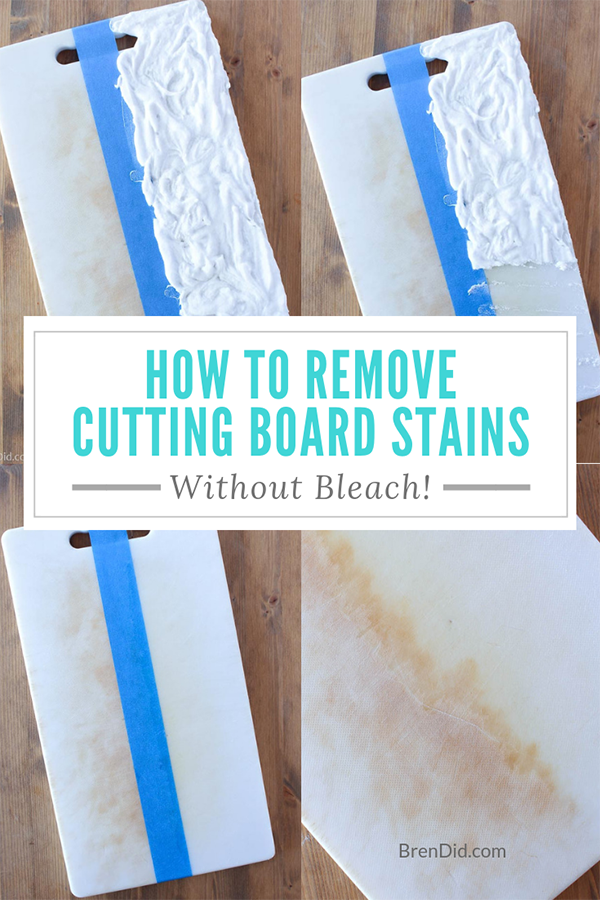
Credit: brendid.com
How To Tell When To Replace Your Plastic Cutting Board
No matter how well you clean, plastic cutting boards don’t last forever. Over time, they develop deep grooves and scratches. These not only trap stains, but also bacteria—even with proper cleaning.
Here’s when it’s time for a new board:
- You see deep, permanent stains that don’t fade with any cleaning method.
- The board has deep cuts or grooves you can’t scrub clean.
- There are black spots or mold that returns after cleaning.
- The board is warped or cracked.
A stained, scratched board is not just an eyesore—it’s a safety risk. Replacing your cutting board every 1-2 years (or sooner, if you cook often) is a simple way to keep your kitchen safer and cleaner.
Comparing Plastic Cutting Boards With Other Types
Wondering if another cutting board material would resist stains better? Here’s a quick look at how plastic compares with wood and bamboo boards.
| Material | Stain Resistance | Odor Absorption | Ease of Cleaning | Durability |
|---|---|---|---|---|
| Plastic | Low | Medium | High (dishwasher safe) | Medium |
| Wood | Medium | High | Medium (not dishwasher safe) | High |
| Bamboo | High | Low | Medium | High |
Plastic boards are easiest to clean and affordable, but stain more easily. Wood boards are beautiful and last a long time, but hold on to odors and need oiling. Bamboo boards resist stains well and are more eco-friendly, but can splinter if not cared for properly.
Non-obvious Tips Most People Miss
Many home cooks believe they’re stuck with stains once they appear. But here are two insights that make a big difference:
1. Let Cleaning Solutions Sit Longer:
Most people scrub and rinse too quickly. Allowing baking soda, vinegar, or peroxide to sit for 10-30 minutes gives the solution time to break down stains. For deep stains, repeat the process twice.
2. Use a Toothbrush for Grooves:
Stains often hide in the fine knife marks on your board. A soft toothbrush can get into these grooves better than a sponge or cloth. Scrub gently to avoid scratching further.
Common Mistakes And How To Avoid Them
Even with the best intentions, these mistakes can make your board look worse:
- Using a steel wool pad or metal brush, which scratches the plastic and makes it stain faster.
- Pouring boiling water on the board to sanitize—some plastics can warp or crack.
- Leaving the board wet or stacked with other items, which encourages mold and stains.
- Using colored cleaning agents (like colored dish soap) that can sometimes add their own stains to white boards.
Stick with gentle, colorless cleaners and always dry your board fully before storing.
When To Use Professional Cleaning Products
Most home remedies work well, but some stains are especially tough. There are products designed for plastic kitchenware, like oxygen bleach powders (for example, OxiClean) or special cutting board cleaners. These work like hydrogen peroxide but are stronger.
If you try these products, always follow the instructions, rinse well, and avoid using anything not marked as food-safe.
Are Stains Dangerous? Understanding Health Risks
Stains themselves are not usually dangerous. But they can hide bacteria. If your board smells bad, has sticky spots, or black mold, it’s time to be concerned.
To keep your kitchen safe:
- Disinfect your board every week.
- Don’t use a heavily stained board for raw meat or fish.
- Replace boards that are cracked or have mold.
For more on kitchen hygiene, check out this guide from the Centers for Disease Control and Prevention.
How To Clean And Remove Stains From Grooves
Knife marks are hard to clean, but not impossible. Here’s how to do it:
- Make a thick baking soda paste.
- Use a soft toothbrush to scrub paste into grooves.
- Let sit for 10 minutes, then rinse.
- For stubborn stains, repeat with hydrogen peroxide.
This technique removes more stains than a sponge alone and is gentle on plastic.
Diy Paste For Extra Tough Stains
If you have an old board with deep stains, try this:
- Mix 2 tablespoons of baking soda, 1 tablespoon of dish soap, and 1 tablespoon of hydrogen peroxide.
- Spread the paste over the stained area.
- Let sit for 30 minutes.
- Scrub with a brush and rinse well.
This method combines abrasive, bleaching, and degreasing action in one.
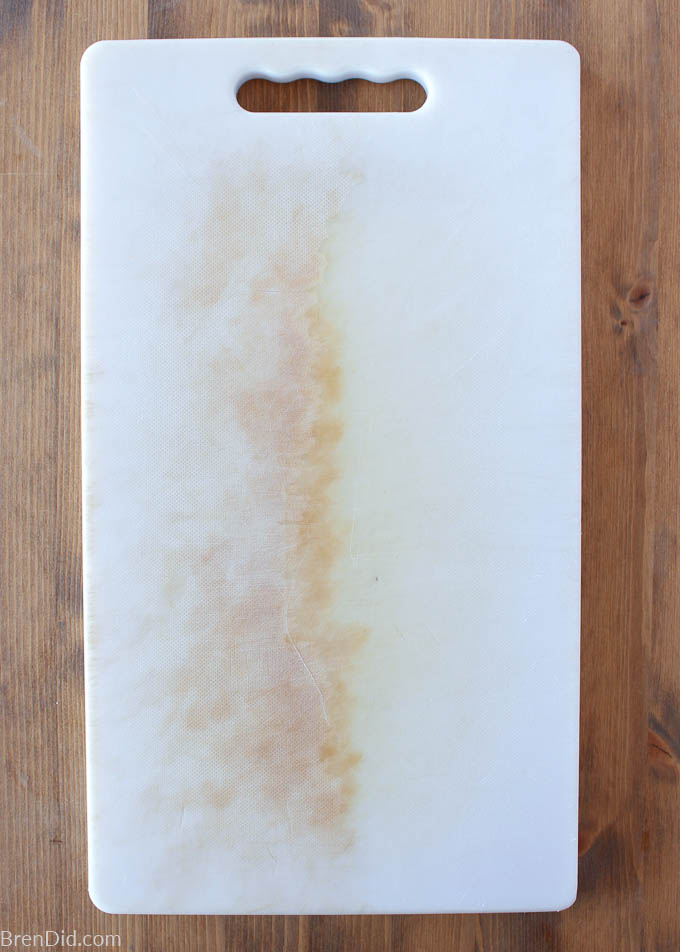
Credit: brendid.com
How To Remove Stains From Textured Or Patterned Boards
Some plastic boards have a textured or patterned surface. Stains can hide in these grooves, making them harder to clean.
- Use a toothbrush or nail brush for textured areas.
- Let cleaning solutions sit longer (up to 30 minutes).
- Rinse thoroughly, as textures can trap soap or bleach.
Comparing Time And Effort For Each Method
Not all cleaning methods take the same amount of time or work. Here’s how they compare:
| Method | Time Needed | Scrubbing Effort |
|---|---|---|
| Soap & Water | 2-3 min | Low |
| Baking Soda Paste | 5-10 min | Medium |
| Vinegar & Baking Soda | 10-15 min | Medium |
| Lemon & Salt | 10-15 min | Medium |
| Hydrogen Peroxide | 10-30 min | Low |
| Bleach Solution | 5-10 min | Low |
| Sunlight | 2-6 hrs | None |
If you’re short on time, baking soda or bleach are fastest. For less effort, let hydrogen peroxide or the sun do the work.
The Environmental Impact Of Cleaning Methods
Many people worry about using bleach or harsh chemicals. The good news is, most stain removal for plastic boards can be done with simple, eco-friendly products like baking soda, vinegar, and lemon. These are safe for your home and the environment.
When using bleach or hydrogen peroxide, always dilute and rinse well. Never pour leftover chemicals down the drain—dispose of them according to local guidelines.
Final Thoughts
A stained plastic cutting board doesn’t have to ruin your kitchen’s look or feel. With the right approach, you can remove most stains, kill bacteria, and keep your board looking fresh. The key is to act quickly, use gentle but effective cleaners, and know when it’s time to replace your board.
By following these steps, you’ll enjoy a cleaner, safer kitchen—and save money by making your boards last longer.
Frequently Asked Questions
How Often Should I Deep Clean My Plastic Cutting Board?
Deep cleaning once a week is ideal, especially if you prepare raw meats or colorful vegetables. If you notice stains or odors, deep clean right away.
Can I Use The Same Cleaning Methods For Colored Plastic Cutting Boards?
Yes, but check for colorfastness. Some colored boards may fade with bleach or peroxide. Always test in a small area first.
Is It Safe To Use Bleach On A Plastic Cutting Board?
Diluted bleach is safe for most plastic boards and kills bacteria. Rinse thoroughly and avoid soaking for more than a few minutes.
Why Do Some Stains Come Back After Cleaning?
If stains return, it’s usually because they’re set deep in grooves. Try using a toothbrush and letting cleaning solutions sit longer.
When Should I Throw Away My Plastic Cutting Board?
Replace your board if it has deep grooves, permanent stains, warping, or mold that returns after cleaning. This keeps your kitchen safe and hygienic.