
Anyone who has worked in a busy café knows how important a dishwasher is to keep plates, cups, and cutlery clean for customers. But starting a café dishwasher is not just about pressing a button. There are important steps to follow for safety, efficiency, and to keep your machine in top shape. If you skip steps, you could damage dishes, waste water, or even break the machine.
Whether you’re new to the café world or training a new staff member, learning how to start a café dishwasher properly will save time and money. This guide gives you everything you need: from checking the machine before use, to loading dishes the right way, starting the cycle, dealing with common problems, and keeping your dishwasher working for years. You’ll learn practical tips, avoid rookie mistakes, and feel confident every time you start the machine.
Let’s get started with the full process.
Understanding Your Café Dishwasher
Before you start, it’s important to know what type of dishwasher your café uses. Most cafés use either an under-counter or a pass-through (hood type) dishwasher. These machines are different from home dishwashers. They’re built for speed, handling hundreds of items per hour.
Common Types Of Café Dishwashers
- Under-counter dishwashers:
- Look like a large microwave under the counter.
- Good for small to medium cafés.
- Wash cycle: 1–3 minutes.
- Pass-through (hood) dishwashers:
- Tall, with a hood you lift to load trays.
- Handle large loads, common in busy cafés.
- Wash cycle: 1–2 minutes.
- Conveyor dishwashers:
- For very large cafés.
- Dishes move through on a belt.
- Wash cycle: Continuous, very fast.
Knowing your machine type helps you follow the right steps and solve issues faster.
Key Parts Of A Café Dishwasher
- Wash arms: Spray water and detergent.
- Rinse arms: Rinse off soap.
- Filters: Catch food debris.
- Detergent and rinse aid dispensers: Hold cleaning chemicals.
- Drain plug: Keeps water inside during washing.
- Control panel: Buttons or dials to set cycles.
Before you start, take a moment to identify these parts on your machine. Many breakdowns happen because users don’t check the basics.
Preparing The Dishwasher For Use
A clean, well-prepared dishwasher saves energy, water, and reduces breakdowns. Here’s how to prepare:
1. Inspect The Dishwasher
- Open the dishwasher and check inside.
- Look for leftover items, broken glass, or debris from the last wash.
- Remove the filter (usually at the bottom) and rinse it under running water.
- Check wash arms for blockages. If food or limescale is stuck, clean with a brush or toothpick.
2. Check Detergent And Rinse Aid
- Open the detergent compartment. Make sure there is enough commercial dishwasher detergent.
- Check the rinse aid level. Rinse aid helps dishes dry quickly and without spots.
- If levels are low, refill with the right products. Do not use regular dish soap (it can damage the machine).
3. Inspect Water And Drain Connections
- Make sure the water supply valve is open.
- Confirm the drain hose is properly connected and not kinked.
- Look for leaks or puddles around the machine.
4. Power On The Dishwasher
- Plug in the machine or switch on the power at the wall.
- Find the main power switch, usually at the front or side of the machine.
- Turn the switch to the “On” position. Some machines have an indicator light or display that turns on.
5. Fill The Machine With Water
Most commercial dishwashers fill automatically, but some need you to press a “Fill” button. You should:
- Wait for the machine to fill (you may hear water running).
- Check the display or water level indicator.
- If your machine fills slowly or not at all, check the water supply and call for help if needed.
Insight: Many beginners forget to check the filter or water supply, causing poor cleaning or leaks. Always do these checks before starting.

Credit: www.cafeappliances.com
Loading Dishes Properly
How you load dishes affects how clean they get and how quickly you finish. Overloading or placing items wrong can break dishes and damage the machine.
1. Scrape And Rinse Dishes First
- Use a scraper or rubber spatula to remove food scraps.
- Quickly rinse items in a pre-rinse sink or with a spray nozzle.
- Do not put greasy, oily, or heavily soiled items directly in the dishwasher.
2. Sort By Type
- Place plates, bowls, cups, and cutlery in separate racks or baskets.
- Do not mix items that block each other’s surfaces.
3. Load Dishes In Racks
- Place plates standing up, facing the spray arms.
- Bowls should tilt slightly to drain water.
- Cups and glasses should be upside down.
- Cutlery goes in baskets, handles down for forks/spoons, and up for knives (for safety).
- Do not stack items on top of each other.
4. Do Not Overload
- Leave space between items so water and detergent reach all surfaces.
- Overloading means dirty dishes and longer work.
5. Check The Maximum Height
- Some items (like tall pans) may not fit. Wash these by hand or in a separate cycle.
Non-Obvious Tip: Do not put wooden or plastic items unless the machine manual says they are safe. Some plastics melt; some wood warps or splits.
Selecting And Starting The Wash Cycle
Now that the dishwasher is loaded, it’s time to choose the right cycle and start the machine.
1. Check Water Temperature
Commercial dishwashers use hot water (usually 60–85°C/140–185°F) to clean and sanitize.
- Check the temperature gauge (if available).
- If water is not hot enough, dishes won’t be sanitized, and health rules may be broken.
- Wait for the “Ready” light or signal (most machines have one).
2. Select The Correct Cycle
- Most café dishwashers have a basic wash cycle (1–3 minutes).
- Some have “Heavy,” “Normal,” and “Glassware” cycles.
- For regular plates and cups, use the “Normal” cycle.
- For heavily soiled pots or pans, use a longer cycle or pre-soak.
3. Start The Machine
- Close the door or hood completely. The machine will not start if the door is open.
- Press the “Start” button or pull down the hood (for pass-through types).
- The cycle will run automatically. Do not open the door mid-cycle—hot steam can burn.
4. Wait For The Cycle To Finish
- Most cycles last 1–3 minutes. Some machines beep or flash a light when done.
- Do not rush to open the door; wait a few seconds for steam to escape.
Insight: Many beginners open the door too soon, letting in cool air and causing dishes to dry slowly. Wait for the signal and a few seconds after.

Credit: www.gochnauers.com
Unloading The Dishwasher
Unloading is more than just grabbing dishes. Doing it right keeps items clean, dry, and prevents breakage.
1. Start With The Bottom Rack
- Dishes on the top rack can drip on lower ones if you unload top first.
- Remove the bottom rack first, then the top.
2. Check For Residue
- Inspect dishes for food spots or soap. If dirty, rewash.
- If many items are dirty, check water temperature, detergent, or loading method.
3. Let Dishes Air Dry
- Most café dishwashers use hot water, so items dry quickly.
- Do not towel dry unless needed (towels can spread germs).
4. Store Dishes Properly
- Stack plates, cups, and cutlery in their places.
- Do not leave clean dishes in the open—cover or store them to avoid dust.
5. Clean The Racks
- If racks have food or dirt, rinse them in the sink before next use.
Pro Tip: If your café is busy, keep two sets of racks. One can be loaded while the other is washing, saving time.
Routine Cleaning And Maintenance
Regular cleaning keeps your dishwasher fast, efficient, and less likely to break down. Many users skip maintenance, leading to expensive repairs.
1. Daily Cleaning Tasks
- Remove and rinse the filter at the end of each shift.
- Wipe down the door, seals, and control panel with a damp cloth.
- Empty and clean the detergent and rinse aid compartments if needed.
- Leave the door open at night to air out the machine (prevents bad smells).
2. Weekly Maintenance
- Deep clean the inside with a descaling solution (removes limescale).
- Clean spray arms by removing and rinsing them.
- Check hoses and seals for leaks.
3. Monthly Checks
- Inspect the drain for blockages.
- Test the temperature gauge for accuracy.
- Check for loose or worn parts.
4. Professional Service
- Schedule a professional check-up every 6–12 months.
- They can inspect the heating element, control panel, and deep-clean parts you can’t reach.
Common Mistake: Many people forget to clean the filter daily. A blocked filter causes poor cleaning and can burn out the pump.
Troubleshooting Common Problems
Even with good care, problems can happen. Here’s how to handle the most common issues:
1. Dishwasher Won’t Start
- Check if the power is on and the door is fully closed.
- Make sure the water supply is open.
- Look for error messages on the display.
2. Dishes Are Not Clean
- Check if you overloaded the racks.
- Inspect the filter and spray arms for blockages.
- Make sure detergent and rinse aid are filled.
3. Water Leaks
- Look for loose hoses or connections.
- Check if the drain filter or plug is in place.
- Make sure dishes are loaded properly (nothing blocking the door).
4. Cloudy Glasses Or Spots
- Refill rinse aid.
- Use the correct detergent (not too much).
- Check water temperature.
5. Machine Smells Bad
- Clean the filter and interior.
- Run an empty cycle with a descaling solution.
6. Machine Is Noisy
- Remove any broken items inside.
- Check for loose spray arms or racks.
- Call for service if noise continues.
Non-Obvious Insight: If your café has hard water, you’ll get limescale quickly. Using a water softener or regular descaling extends your machine’s life.
Comparing Dishwasher Types And Features
Choosing the right dishwasher is important for a café’s workflow. Here’s a comparison of main types:
| Type | Best For | Cycle Time | Capacity | Footprint |
|---|---|---|---|---|
| Under-counter | Small cafés | 2–3 min | 30–50 racks/hr | Compact |
| Pass-through (hood) | Medium cafés | 1–2 min | 60–80 racks/hr | Medium |
| Conveyor | Large cafés | Continuous | 100+ racks/hr | Large |
When choosing a dishwasher, think about your space, how many customers you serve, and how many dishes you wash per hour.
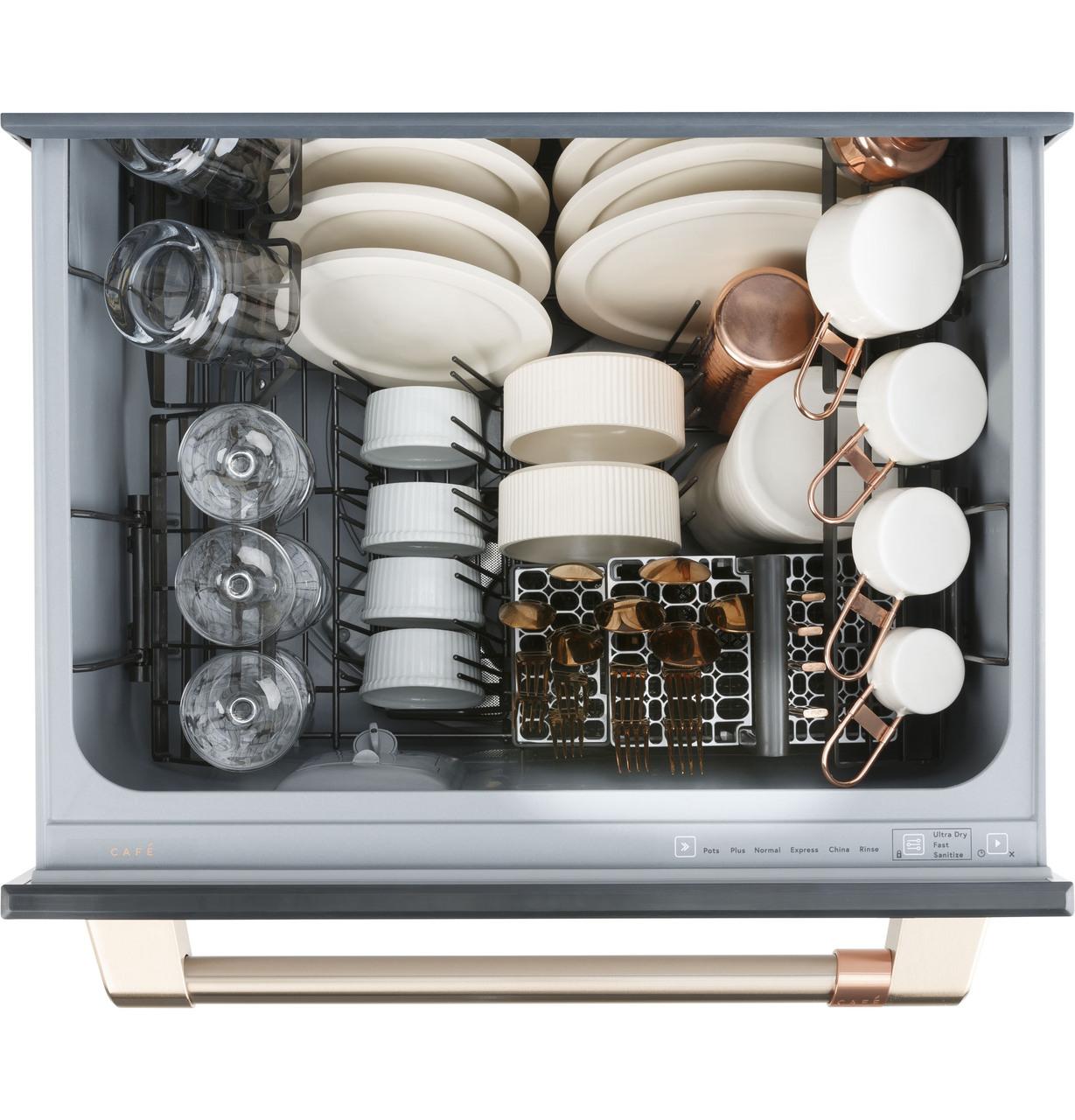
Credit: www.townappliance.com
Water And Energy Use In Café Dishwashers
Dishwashers can use a lot of water and electricity. Here’s what to know:
| Machine Type | Water Use (L/cycle) | Energy Use (kWh/cycle) |
|---|---|---|
| Under-counter | 2–3 | 0.7–1.2 |
| Pass-through (hood) | 3–5 | 1.0–1.6 |
| Conveyor | 6–12 | 1.5–2.5 |
Tip: To save money, only run the machine with full loads, and keep filters clean for top efficiency.
Safety Tips When Using A Café Dishwasher
Safety is critical in a café kitchen. Dishwashers use hot water, steam, and strong chemicals.
- Wear gloves when handling detergent, rinse aid, or washing dishes by hand.
- Never open the door mid-cycle—hot steam can cause burns.
- Be careful with knives and sharp items—load and unload them handle-first.
- Wipe up spills around the dishwasher to prevent slipping.
- Read the manual for your machine and follow all safety labels.
Insight: Many injuries happen when people rush during busy times. Take a moment to check for hot steam and sharp objects.
Training Your Café Team
Even the best dishwasher fails if staff are not trained. Make sure everyone knows:
- How to load and unload dishes correctly.
- How to refill detergent and rinse aid.
- How to clean filters and report problems.
- Emergency steps if the machine leaks or breaks.
A short training session for new team members prevents accidents and machine damage.
Café Dishwasher Dos And Don’ts
Following best practices keeps your dishes clean and your machine happy.
Dos
- Do pre-rinse or scrape all dishes.
- Do clean the filter daily.
- Do check detergent and rinse aid regularly.
- Do wait for the cycle to finish before unloading.
- Do schedule professional maintenance every year.
Don’ts
- Don’t overload racks.
- Don’t use regular dish soap.
- Don’t put in wood, some plastics, or delicate items without checking.
- Don’t ignore leaks, strange noises, or error messages.
- Don’t skip cleaning tasks.
Pro Tip: Make a simple checklist for opening and closing tasks. This helps busy staff avoid missing steps.
Signs Your Dishwasher Needs Service
Even with good care, all machines need servicing. Watch for these signs:
- Long wash cycles or poor cleaning.
- Water does not heat up.
- Leaks or puddles under the machine.
- Repeated error messages.
- Unusual smells or noises.
Call a certified technician if you see these problems. Fixing small issues early saves money and downtime.
Common Myths About Café Dishwashers
Many café owners and workers believe myths that hurt their machines:
- “You don’t need to pre-rinse dishes.” (False! Scraping makes a big difference.)
- “Any detergent is fine.” (False! Use only commercial products.)
- “Overloading saves time.” (False! It leads to dirty dishes and re-washing.)
- “You don’t need to clean inside the machine.” (False! Maintenance prevents breakdowns.)
- “Towels are needed for drying.” (False! Air drying is best for hygiene.)
Don’t fall for these myths. Following the right steps keeps your café running smoothly.
Real-world Example: Opening Café Dishwasher For The Morning Shift
Let’s walk through a typical start for the morning shift in a busy café:
- Arrive and check the dishwasher for leftover water or dishes.
- Remove and rinse the filter.
- Check detergent and rinse aid; refill if low.
- Make sure racks are clean and ready.
- Turn on power and water supply.
- Press the “Fill” button if needed; wait for the machine to heat up.
- Pre-rinse the first load of dishes from prep work.
- Load the first rack, making sure items are spaced out.
- Close the door, select the cycle, and press “Start.”
- Wait for the cycle to finish, unload, and repeat.
Pro Tip: If you see error codes or the machine does not heat, call for help before the café gets busy.
What To Do At Closing Time
End-of-day cleaning is just as important as the morning start. Here’s a closing routine:
- Run a final empty cycle with a descaler or dishwasher cleaner.
- Remove and clean the filter, racks, and spray arms.
- Wipe down the door, seals, and controls.
- Leave the door open to air dry.
- Turn off power and water supply.
- Record any problems for the next shift or the manager.
Doing this prevents overnight smells, mold, and keeps your machine ready for the next busy day.
Upgrading Your Café Dishwasher
If your café is growing, or your current machine is old, upgrading can save money and labor. Look for:
- Shorter cycle times (1–2 minutes).
- Lower water and energy use.
- Easy-to-clean filters and spray arms.
- Automatic detergent dosing (saves staff time).
- Noise reduction for open kitchens.
Ask suppliers for a demo before buying, and check reviews on trusted sites like NSF International.
Frequently Asked Questions
What Detergent Should I Use In A Café Dishwasher?
Always use commercial dishwasher detergent made for your machine. Never use regular dish soap, as it can cause too many bubbles and damage the machine. Check your machine’s manual for recommended brands.
How Often Should I Clean The Dishwasher Filter?
Clean the filter at the end of every shift, or more often if your café is very busy. A blocked filter leads to poor cleaning, smells, and can damage the pump.
Why Are My Glasses Coming Out Cloudy?
Cloudy glasses are usually caused by hard water, low rinse aid, or using the wrong detergent. Refill rinse aid, clean the filter, and consider a water softener if you have hard water.
Is It Safe To Wash All Types Of Dishes In A Café Dishwasher?
No. Do not wash wooden items, some plastics, or delicate dishes unless the manual says they are dishwasher-safe. Some materials can melt, warp, or break.
What Should I Do If The Dishwasher Leaks?
First, turn off the machine and water supply. Check for loose hoses, blocked filters, or overloading. If the leak continues, call a technician before using the machine again.
A well-run café dishwasher makes your whole business cleaner, faster, and more efficient. By following these steps, you keep your dishes spotless and your machine running for years. With a little care and training, even a new staff member can master the process and keep your café at its best every day.