
Baking sheets are essential tools in any kitchen, whether you are a home baker or a professional chef. They are used for cookies, roasted vegetables, pizza, and much more. However, one frustrating issue that almost everyone faces is baking sheet warping. You put your pan in the oven, and suddenly it makes a loud pop or twist. The food slides, oil pools, and sometimes, the pan is permanently bent.
Many people believe that all baking sheets will warp, and there is nothing you can do. The truth is, with the right knowledge and a few practical steps, you can prevent most warping and extend the life of your baking sheets.
This guide explores why sheets warp, what you can do before and during baking, the best types of pans to buy, and smart habits to stop this annoyance.
Why Do Baking Sheets Warp?
Understanding why warping happens is the first step to stopping it. When you put a baking sheet in a hot oven, the metal heats up quickly. If the pan is thin or made from certain metals, parts of it expand faster than others.
This uneven expansion causes the metal to bend or “pop,” making a loud noise and changing the shape of the sheet.
There are a few common reasons for warping:
- Material thickness: Thinner sheets heat up and cool down faster, leading to more warping.
- Type of metal: Aluminum warps more easily than steel, but it conducts heat better. Stainless steel is more resistant but often more expensive.
- Temperature changes: Sudden changes, like moving a hot sheet into cold water, can shock the metal.
- Rim design: Rimless sheets or those with weak edges often warp because the sides can’t hold the shape.
- Overloading: Placing heavy food in the middle of a thin sheet can also cause bending, especially at high heat.
Most people only notice the loud sound or the change in shape, but repeated warping can cause permanent bends, which makes even cooking difficult and shortens the life of your pan.
How Warping Affects Your Baking
A warped pan is not just annoying; it can actually ruin your food. Here’s how:
- Uneven cooking: When a pan bends, food slides to one side. Oil or butter pools in corners, causing uneven browning or burning.
- Food safety: If grease pools in one spot, it can smoke or even catch fire, especially at high temperatures.
- Damaged pans: Repeated warping can crack non-stick coatings or break welds in the rim, making the sheet useless.
- Messy oven: Warped sheets may spill juices or batter into the oven, leading to smoke and hard-to-clean messes.
These issues are especially common for beginners who may not realize that their pan’s design or usage habits are causing the problem.
Choosing The Right Baking Sheet To Prevent Warping
The most effective way to stop warping is to start with the right kind of baking sheet. Not all pans are created equal, and a few key features make a big difference.
Thickness And Gauge
Thicker pans are less likely to warp. Sheet metal thickness is measured in “gauge”—the lower the number, the thicker the metal. For baking sheets, a 13-gauge (about 2 mm thick) or 18-gauge (about 1.2 mm thick) pan is ideal for home use. Commercial kitchens often use 10–12 gauge pans.
Here is a comparison of common thicknesses:
| Gauge | Thickness (mm) | Warping Risk | Typical Use |
|---|---|---|---|
| 10 | 3.4 | Very Low | Commercial |
| 13 | 2.0 | Low | Heavy Home/Light Commercial |
| 18 | 1.2 | Medium | Home |
| 20+ | 0.9 or less | High | Cheap/Disposable |
Non-obvious insight: Many home bakers buy thin, cheap pans to save money, but the extra cost of a thicker pan pays off in years of use with no warping.
Type Of Metal
The metal used in the baking sheet affects heat conduction and resistance to warping.
- Aluminum: Heats evenly but can warp if too thin. Look for “heavy-duty” or “commercial” aluminum.
- Stainless steel: Resists warping, but does not conduct heat as evenly. Great for roasting.
- Carbon steel: Strong and resists warping, but needs seasoning to prevent rust.
- Non-stick coatings: These do not prevent warping, and repeated warping can damage the coating.
Rimmed Vs. Rimless Sheets
Rimmed sheets (also called jelly roll pans) have a raised edge, making the structure stronger. Rimless sheets are more likely to warp, especially at higher temperatures. The rim also helps contain oils and juices.
Pro tip: For cookies, a rimless sheet gives easier removal, but you must choose a thick, heavy one to avoid warping.
Reinforced Edges
Some pans have reinforced edges or a steel wire inside the rim. This helps keep the pan flat during heating and cooling. If you bake often, this feature is worth the extra money.
Size
Large pans are more likely to warp than smaller ones, simply because there is more metal to expand. If you only bake small batches, choose a smaller pan.
12 Practical Tips To Stop Baking Sheets From Warping
You can do a lot to prevent warping, even with the pans you already own. Here are the best tips, with explanations and examples:
1. Buy Thicker, Heavy-duty Sheets
Invest in a quality, heavy-gauge baking sheet. The thicker the metal, the less likely it is to warp. Brands labeled “commercial” or “professional” usually offer the best durability.
2. Preheat The Sheet Slowly
If your recipe calls for a hot pan (for pizza or roasted vegetables), let the pan heat up gradually in the oven. Do not put a cold pan directly into a very hot oven, as the sudden temperature change causes warping.
3. Avoid High Oven Temperatures
Most warping happens above 425°F (218°C). If possible, bake at lower temperatures. If you need high heat, use the thickest sheet you have.
4. Do Not Overload The Pan
Heavy food in the center of a thin pan increases the chance of bending. Spread food evenly and do not pile it up.
5. Line With Parchment Paper Or Silicone Mats
These liners help distribute heat and reduce direct contact with the metal, which lowers the risk of warping. They also make cleanup easier.
6. Cool Gradually
Never run a hot baking sheet under cold water or place it on a cold surface. Let it cool on the stove or a wooden board. Sudden cooling causes “thermal shock,” which bends the metal.
7. Use Double Sheets For Thin Pans
If you have a thin pan that warps, place it on top of another pan. This doubles the thickness and helps keep both flat.
8. Do Not Use Warped Pans For Liquids
Once a pan is warped, do not use it for batter, oil, or anything that may run to one side. Save it for dry baking or buy a new one.
9. Choose The Right Pan For Each Job
Use rimmed, reinforced pans for roasting and high-heat cooking. Use rimless, heavy sheets for cookies at lower temperatures.
10. Avoid Dishwashers For Aluminum Pans
The chemicals and heat in dishwashers can weaken thin aluminum pans, making them more likely to warp.
11. Store Pans Flat
Do not stack heavy items on top of your baking sheets. Bending them in storage can weaken the structure.
12. Check For Manufacturer Warranties
Some high-quality brands offer a warranty against warping. If your pan warps, you may be able to get a replacement.
Non-obvious insight: Many people think warping is only about oven heat. In reality, most damage happens during cooling—rushing this step is the most common beginner mistake.

Credit: www.americastestkitchen.com
Comparing Popular Baking Sheet Brands For Warping Resistance
Not all brands are created equal. Here is a comparison of some popular baking sheet brands and their resistance to warping.
| Brand | Material | Gauge | Reinforced Rim | Warping Resistance |
|---|---|---|---|---|
| Nordic Ware Natural Aluminum | Aluminum | 13 | Yes | High |
| USA Pan Bakeware | Aluminized Steel | 13 | Yes | Very High |
| Wilton Easy Layers | Steel | 20 | No | Low |
| Amazon Basics | Aluminum | 18 | No | Medium |
| Chicago Metallic | Carbon Steel | 12 | Yes | Very High |
Most top-rated pans are made from heavy-gauge aluminum or steel with reinforced rims. Cheap, thin pans from discount stores are much more likely to warp, especially at high heat.
How To Repair A Warped Baking Sheet (if It Happens)
Sometimes, despite your best efforts, your baking sheet warps. Before you throw it away, you can try to fix minor bends.
For Slight Warping
If the pan is only slightly bent, try this:
- Place the pan upside-down on a flat, heatproof surface.
- Put a towel over it to protect the metal.
- Gently tap the highest point with a rubber mallet until it flattens.
- Do not use a hammer directly, as this can dent or crack the sheet.
For Severe Warping
If the pan is deeply bent or twisted, replacement is usually the best option. Warped pans cook unevenly and may spill liquids.
Important: Never try to bend a non-stick pan back into shape, as you may crack the coating and release harmful chemicals.

Credit: www.youtube.com
Smart Storage And Maintenance Habits
How you store and care for your baking sheets can affect how long they last and how often they warp.
- Store sheets flat in a drawer or on a shelf. Avoid hanging them by one edge, which may bend the rim.
- Do not stack heavy pots on top of baking sheets. The weight can deform them over time.
- Clean with soft sponges and avoid metal scouring pads, which can scratch and weaken the surface.
- For aluminum sheets, hand wash and dry immediately to prevent oxidation and weakening.
- For carbon steel, dry fully and oil lightly to prevent rust.
- Inspect your pans regularly for signs of warping, cracking, or coating damage.
The Role Of Cooking Techniques
How you cook can also affect whether your pans warp.
- Use lower racks in the oven for heavy foods, as heat is more even.
- Do not open the oven door too often; sudden drafts can cool the pan quickly, increasing warping risk.
- Rotate pans halfway through baking for even cooking and to distribute heat stress.
- Let pans air-cool after baking instead of rushing to clean them.
Example: If you bake cookies at 375°F (190°C), use a thick, rimmed sheet and let it cool for 5–10 minutes before washing. This simple habit prevents 90% of warping issues.
When To Replace Your Baking Sheet
Even with the best care, all pans eventually wear out. Here are signs it’s time for a new one:
- The pan no longer sits flat on the counter.
- There are visible cracks or breaks in the rim.
- The non-stick coating is peeling or scratched.
- Large, permanent bends cause uneven cooking.
- The pan makes a loud “pop” every time you use it, even at low heat.
If you bake often, consider replacing your pans every 2–5 years, depending on quality and use.
Myths And Misunderstandings About Baking Sheet Warping
Many people believe that all pans warp, or that expensive pans never warp. Here are some common myths:
- Myth: Warping is normal and unavoidable.
Fact: With the right pan and habits, you can avoid warping almost completely.
- Myth: Only cheap pans warp.
Fact: Even expensive pans can warp if misused or cooled suddenly.
- Myth: Warping is harmless.
Fact: Warping can ruin food and damage your oven if liquid spills.
- Myth: Non-stick pans do not warp.
Fact: Non-stick coatings have nothing to do with warping resistance.
Understanding the science and structure behind baking sheets helps you make better choices and avoid these common mistakes.
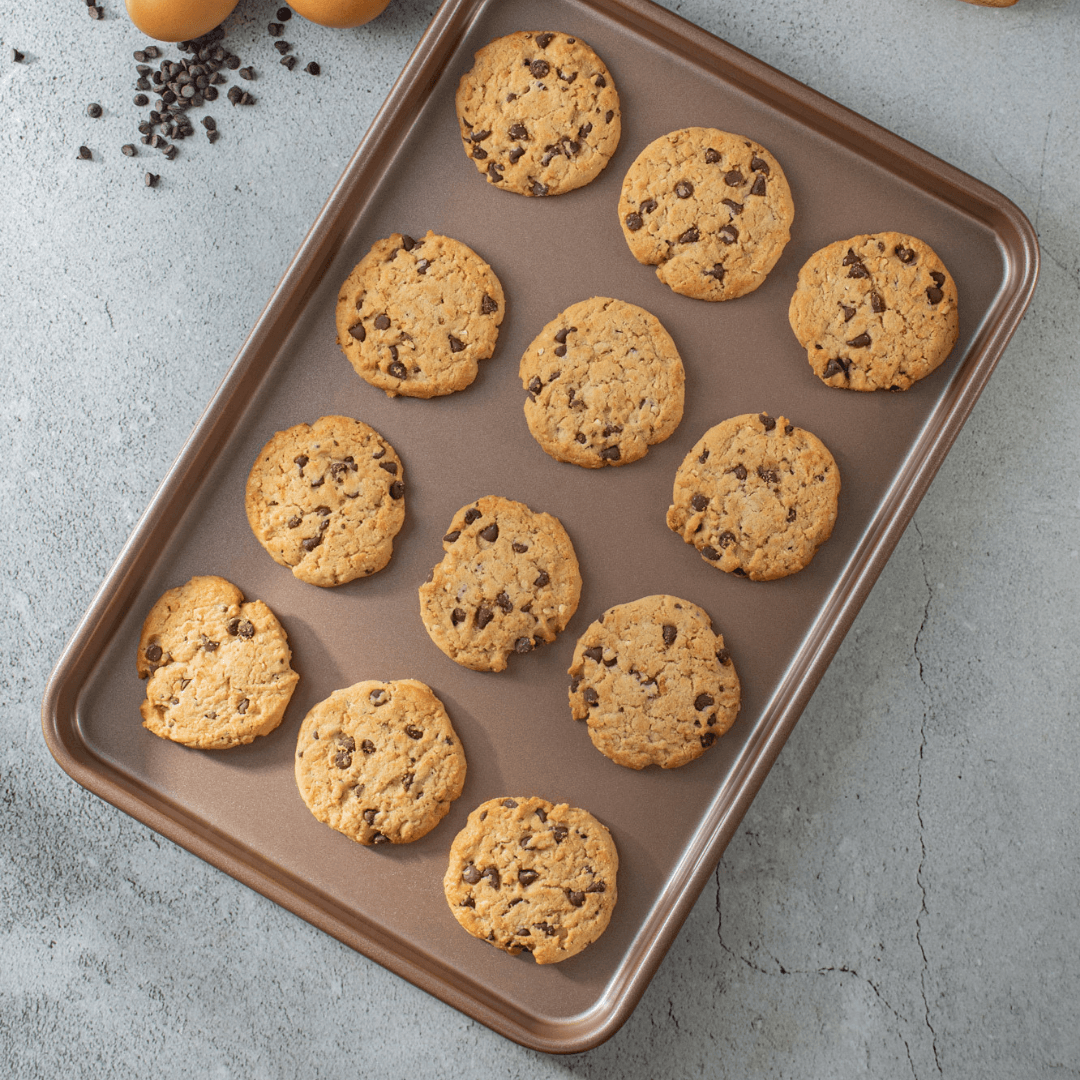
Credit: www.happiels.com
The Science Behind Warping: Why Metal Bends
When metal heats up, the atoms vibrate and move apart, causing thermal expansion. If every part of the pan expands evenly, there is no problem. But if one area heats faster (for example, the center of a thin pan with food piled in the middle), that part expands more, causing the sheet to bend or pop.
Metals with a high coefficient of thermal expansion (like aluminum) are more sensitive to heat changes. Steel and carbon steel expand less, but are heavier and more expensive.
Here is a comparison of metals used in baking sheets:
| Metal | Heat Conductivity | Warp Resistance | Cost |
|---|---|---|---|
| Aluminum | High | Medium | Low |
| Stainless Steel | Medium | High | High |
| Carbon Steel | Medium | Very High | Medium |
Practical tip: If you often bake at very high temperatures, consider investing in a carbon steel or stainless steel sheet for roasting, and reserve your aluminum sheets for cookies and cakes at lower heat.
Environmental Impact: Why It Pays To Choose Durable Pans
Buying cheap pans may seem like a good deal, but replacing them every year increases landfill waste and costs more over time. Durable, heavy-duty baking sheets last longer and are often recyclable at the end of their life.
Non-obvious insight: Many cities offer recycling for old aluminum or steel pans—check with your local recycling center before throwing them away.
Summary: The Best Way To Stop Baking Sheets From Warping
Stopping baking sheets from warping is a mix of buying the right pan, using the best baking habits, and caring for your equipment. Here are the main takeaways:
- Choose thick, heavy-gauge pans made from quality metal.
- Use rimmed and reinforced-edge pans for high-heat or heavy foods.
- Preheat and cool pans gradually to avoid thermal shock.
- Line pans with parchment or silicone for extra protection.
- Avoid dishwashers and stacking heavy items on your pans.
- Replace badly warped or damaged pans for the best cooking results.
With these habits, you can bake with confidence and enjoy even, beautiful results every time.
For more on the science of metal and baking, visit this authoritative resource: Baking Sheet – Wikipedia.
Frequently Asked Questions
Why Do My Baking Sheets Always Make A Loud Noise In The Oven?
The loud “pop” is caused by sudden metal expansion when the pan heats up. Thin or low-quality sheets are more likely to make noise and bend. Using thicker, heavy-duty pans and preheating them slowly can reduce or eliminate the sound.
Can A Warped Baking Sheet Be Dangerous?
Yes, especially if you cook with oil or batter. Warped pans can cause spills, hot oil pooling, or even fires. They can also slide in the oven, making burns more likely. If your pan is badly warped, it’s safer to replace it.
Is It Okay To Use A Warped Baking Sheet For Cookies?
You can use a slightly warped sheet for cookies, but uneven baking may occur. Cookies may slide to one side or bake unevenly. For best results, use a flat, heavy-duty pan.
Does Non-stick Coating Prevent Warping?
Non-stick coatings do not prevent warping. Warping happens because of the type and thickness of the metal, not the surface coating. In fact, repeated warping can damage non-stick coatings, making them peel or flake.
How Can I Tell If A Baking Sheet Is High Quality Before Buying?
Check the gauge (thickness) of the pan—lower gauge numbers mean thicker metal. Look for reinforced rims, and choose pans labeled “commercial” or “heavy-duty.” Hold the pan: it should feel heavy and rigid, not flimsy or flexible. Reading reviews and checking for a manufacturer’s warranty can also help identify quality pans.
Baking should be enjoyable—not stressful. With the right tools and habits, you can keep your baking sheets flat and your food delicious.