
Storing cooked brisket the right way makes a big difference. If you’ve ever spent hours smoking or braising a brisket, you know how valuable a perfectly cooked piece can be. But after the meal is over, you might have leftovers.
You want to keep that tender texture and rich taste for another day. Many people make mistakes when storing brisket, leading to dry, tough meat or, worse, unsafe food. This guide walks you through every step to store cooked brisket, whether you want to save it for tomorrow or freeze it for months.
From safe cooling to reheating tips, you’ll find everything you need to enjoy your brisket at its best.
Why Proper Storage Matters
Many home cooks focus on cooking brisket but forget about storage. Brisket is a large, fatty cut with a unique muscle structure. If stored incorrectly, it dries out quickly or develops off flavors. Worse, improper cooling or reheating can cause bacteria growth, making it dangerous to eat. Food safety guidelines from the USDA stress the importance of keeping cooked meats out of the “danger zone” (40°F to 140°F or 4°C to 60°C). Within this range, bacteria can double in number every 20 minutes.
Proper storage also preserves the juiciness and smoke flavor you worked so hard to achieve. If you plan to serve brisket at a party or use leftovers in sandwiches and salads, knowing the best storage methods will keep your food tasting fresh and safe.
Cooling Brisket Safely Before Storage
The Importance Of Rapid Cooling
Hot brisket should not go straight into the fridge. Doing so raises the temperature inside your fridge, putting other foods at risk. However, leaving it out too long is risky. The USDA recommends not leaving cooked meats at room temperature for more than two hours.
In hot weather (above 90°F/32°C), this window drops to one hour.
Steps For Cooling Brisket
- Rest the brisket: Let it sit uncovered for 20-30 minutes after cooking to stop the cooking process and allow juices to redistribute.
- Slice or leave whole: If you plan to use leftovers within a day or two, slice the brisket. Sliced brisket cools faster. For longer storage, leave it whole to retain moisture.
- Divide into portions: Large pieces cool slowly. Cut brisket into smaller chunks or slices so they cool evenly.
- Shallow containers: Place brisket in shallow, airtight containers (no more than 2 inches deep). This helps the meat cool faster.
- Refrigerate promptly: Put the containers in the refrigerator within two hours of cooking.
- Skip hot sauce: Add sauces after reheating, not before storage. Sauces can separate or change texture when cooled and reheated.
Quick Tip
If you have a lot of brisket, consider placing containers in an ice bath for 15-20 minutes before refrigerating. This brings the temperature down quickly and safely.
Storing Brisket In The Refrigerator
Ideal Refrigerator Storage
Brisket can be stored in the fridge for up to four days. Here’s how to keep it moist and flavorful:
- Airtight containers: Use containers with a tight seal to prevent air exposure.
- Plastic wrap and foil: For extra protection, wrap brisket tightly in plastic wrap, then cover with aluminum foil. This double layer keeps out air and moisture.
- Add a bit of broth: Place a tablespoon or two of beef broth or leftover cooking juices in the container. This helps keep the brisket moist.
Whole Vs. Sliced Storage
Storing brisket whole preserves more moisture. Slices dry out faster, but are easier to reheat quickly. If you know you’ll eat the leftovers soon, slicing is convenient. For extended storage, keep it whole and slice only when ready to serve.
Refrigerator Storage Table
Here’s a quick look at how brisket storage method affects quality and shelf life:
| Storage Method | Moisture Retention | Convenience | Max Storage Time |
|---|---|---|---|
| Whole, airtight container | Excellent | Low | 4 days |
| Sliced, airtight container | Good | High | 3-4 days |
| Wrapped in foil & plastic | Very good | Medium | 4 days |
Freezing Cooked Brisket
When To Freeze
If you don’t plan to eat brisket within four days, freezing is the best option. Properly frozen brisket keeps for up to three months with little loss of quality.
How To Freeze Brisket
- Cool completely: Make sure brisket is cold before freezing.
- Portion for use: Slice or cut into meal-sized portions. This prevents thawing more than you need later.
- Wrap tightly: Use plastic wrap, followed by heavy-duty aluminum foil or freezer paper. Remove as much air as possible.
- Vacuum seal: For best results, use a vacuum sealer. This prevents freezer burn and keeps brisket fresh.
- Label and date: Write the date and contents on each package. Use the oldest brisket first.
Freezer Storage Table
Here’s how different wrapping methods affect freezer storage:
| Packing Method | Protection from Freezer Burn | Flavor Retention | Max Storage Time |
|---|---|---|---|
| Plastic wrap + foil | Good | Good | 2 months |
| Vacuum sealed | Excellent | Excellent | 3 months |
| Freezer bags only | Fair | Fair | 1 month |
Common Freezing Mistakes
- Freezing brisket warm: This causes ice crystals to form, damaging texture.
- Not removing enough air: Air leads to freezer burn and off flavors.
- Forgetting to label: You may not remember when you froze the brisket, leading to waste.
Non-obvious Insight
Freeze brisket with a small amount of cooking liquid or beef broth. This liquid forms a protective barrier and keeps the meat moist after thawing.
:max_bytes(150000):strip_icc()/FreezingBrisket_Final_3-ed37d2c7f95e45568e13f3deb9ff8797.png)
Credit: www.thespruceeats.com
Thawing Brisket Safely
Best Thawing Methods
Food safety is critical. Never thaw brisket at room temperature for more than two hours. Here are safe methods:
- Refrigerator thawing: The safest way. Place the brisket in its wrapper on a tray in the fridge. Allow 24 hours for every 5 pounds (2.3 kg).
- Cold water thawing: Place brisket (sealed in a leak-proof bag) in cold water. Change the water every 30 minutes. Takes 1-2 hours for small pieces.
- Microwave thawing: Use only if you plan to eat immediately. Thawing can be uneven, and parts may start to cook.
Thawing Table
| Method | Time Required | Safety Level | Texture Impact |
|---|---|---|---|
| Refrigerator | 12-48 hours | Very Safe | No Impact |
| Cold Water | 1-3 hours | Safe | Minimal Impact |
| Microwave | 10-20 minutes | Safe if cooked immediately | Possible texture loss |
Quick Tip
Never refreeze brisket once it has thawed. This can destroy texture and flavor, and increase food safety risks.
Reheating Stored Brisket
How To Reheat Without Drying Out
Brisket dries out easily, especially when reheated. To keep it juicy:
- Low and slow: Heat brisket gently at low temperatures.
- Add moisture: Use broth, pan juices, or a splash of water.
- Cover tightly: Use foil or a lid to trap steam.
Reheating Methods
- Oven: Preheat oven to 325°F (163°C). Place brisket in a baking dish with a few tablespoons of broth. Cover tightly with foil. Heat for 20-30 minutes, or until warmed through.
- Stovetop: For sliced brisket, add to a skillet with a splash of broth. Cover and heat on low for 5-10 minutes.
- Sous vide: Place vacuum-sealed brisket in a water bath at 150°F (65°C) for 1-2 hours. This method preserves the most moisture.
- Microwave: Use only for small portions. Cover with a damp paper towel to prevent drying.
Reheating Mistakes To Avoid
- Overheating: High heat will make brisket tough.
- Dry heat: Always add moisture.
- Reheating multiple times: Warm only what you plan to eat. Repeated reheating ruins texture and can cause food safety issues.
Non-obvious Insight
For the best flavor, let reheated brisket rest, covered, for 5-10 minutes before slicing. This allows juices to redistribute.
Storing Leftover Brisket With Sauce
Sauces can change texture and flavor when stored with meat. Consider these tips:
- Store sauce and brisket separately if possible.
- If storing together, use only a small amount of sauce to coat the meat.
- Creamy or dairy-based sauces separate in the fridge and can become grainy when reheated.
- Vinegar-based or tomato-based sauces hold up better.
If you must freeze sauced brisket, know that some sauces (especially with cream or cheese) can break down after thawing.
Using Stored Brisket In Other Dishes
Leftover brisket is versatile. It can be used in:
- Sandwiches: Add thin slices to bread with pickles and onions.
- Tacos: Shred brisket and serve in tortillas with salsa.
- Stews or chili: Dice brisket and add to soups or bean dishes.
- Egg dishes: Mix chopped brisket into scrambled eggs or omelets.
- Pasta or rice bowls: Use brisket as a topping with vegetables and sauce.
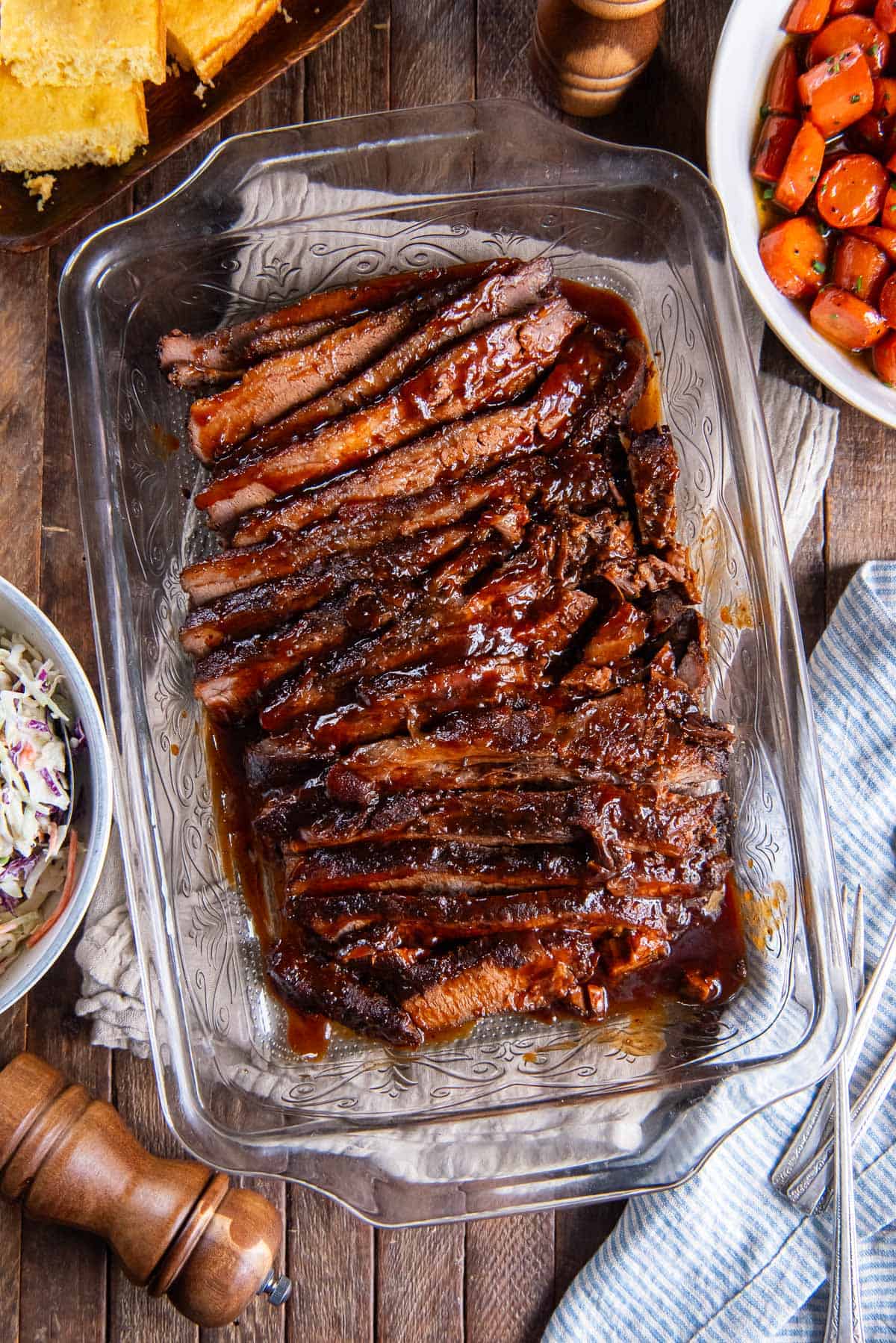
Using brisket in new recipes makes leftovers exciting and reduces waste.
Credit: www.fromvalerieskitchen.com
Common Storage Mistakes And How To Avoid Them
- Leaving brisket out too long: Bacteria multiply quickly at room temperature. Always refrigerate within two hours.
- Improper wrapping: Air exposure leads to dry, tough meat and freezer burn. Wrap tightly.
- Not labeling: Old leftovers can pile up and go to waste. Label with dates.
- Thawing on the counter: This is unsafe and can lead to food poisoning.
- Reheating at high heat: This destroys the meat’s texture.
- Refreezing thawed brisket: Texture and flavor suffer, and it’s unsafe.
- Storing brisket with strong-smelling foods: Brisket can absorb odors in the fridge or freezer. Store away from onions, garlic, or fish.
How Long Can You Store Cooked Brisket?
- Refrigerator: Up to four days at 40°F (4°C) or below.
- Freezer: Up to three months at 0°F (-18°C) or below.
- After these times, brisket is still safe if kept frozen, but quality and flavor decline.
Always trust your senses. If brisket smells off, feels slimy, or has an unusual color, it’s better to discard it.
Food Safety Guidelines For Brisket Storage
- Keep brisket out of the “danger zone” (40°F to 140°F or 4°C to 60°C).
- Refrigerate or freeze within two hours of cooking.
- Store in shallow containers for faster cooling.
- Reheat to at least 165°F (74°C) before eating.
- Don’t mix old and new brisket in the same container.
For more details, the USDA Food Safety Guidelines offer clear standards for cooked meat storage.
Environmental Factors That Affect Brisket Storage
Humidity, temperature, and airflow in your kitchen can change how you store brisket. In hot, humid climates, brisket must be cooled and stored even faster. Opening the fridge often can increase temperature and humidity inside, so avoid unnecessary door openings when storing large cuts of meat.

Credit: www.cravethegood.com
Equipment That Helps Store Brisket
- Vacuum sealer: Removes air and protects from freezer burn.
- Meat thermometer: Checks that brisket is reheated to a safe temperature.
- Shallow containers: Allows rapid cooling and easy stacking.
- Resealable freezer bags: For portioning and labeling.
- Aluminum foil and plastic wrap: For double wrapping.
Investing in these tools can save brisket from going bad and help preserve its flavor.
The Role Of Fat And Bark In Storage
Brisket has a fat cap (layer of fat) and “bark” (crusty exterior from smoking or roasting). Both play a role in storage:
- Fat: Helps keep brisket moist but can get greasy when cooled. Trimming excess fat before storing can reduce greasiness.
- Bark: Adds flavor and texture but may soften in the fridge. To keep bark crispy, store it uncovered for the first hour in the fridge, then cover tightly.
Brisket Storage For Special Events
If you’re cooking brisket in advance for a party or holiday:
- Cook brisket a day ahead.
- Cool and store as described above.
- Reheat, slice, and serve just before guests arrive. This actually improves flavor, as brisket tastes better the next day.
Signs That Stored Brisket Has Gone Bad
You should not eat brisket if you notice:
- Slimy texture: Indicates bacterial growth.
- Sour or off smell: A sign of spoilage.
- Discoloration: Green or gray patches are unsafe.
- Mold: Any mold means the brisket must be discarded.
When in doubt, throw it out. Food poisoning is not worth the risk.
Frequently Asked Questions
How Long Can I Keep Cooked Brisket In The Fridge?
Cooked brisket lasts up to four days in the refrigerator at 40°F (4°C) or lower. Store in airtight containers for best results.
Can I Freeze Brisket With Barbecue Sauce On It?
It’s better to freeze brisket without sauce. Some sauces separate or change texture after freezing and thawing. If you must freeze with sauce, use a thin layer and avoid creamy or dairy-based sauces.
What’s The Best Way To Reheat Brisket Without Drying It Out?
Reheat brisket slowly at low heat with a small amount of broth or pan juices, covered tightly with foil. The oven or sous vide method works best for large pieces.
How Can I Tell If Brisket Has Gone Bad?
Check for an off smell, slimy feel, discoloration, or mold. If you notice any of these signs, do not eat the brisket.
Is It Safe To Leave Cooked Brisket Out Overnight?
No. Cooked brisket should not be left at room temperature for more than two hours. After that, bacteria can multiply quickly and make the meat unsafe to eat.
Storing cooked brisket correctly means you get to enjoy every last bite, whether it’s for a quick lunch or a special meal weeks later. With the right methods, your brisket can stay juicy, flavorful, and safe to eat every time.