
Storing cooked shrimp seems simple, but doing it right makes a big difference. If you just toss leftover shrimp into the fridge, you might be risking both taste and safety. Shrimp is one of the most perishable seafood items, and improper storage can lead to food poisoning or rubbery, tasteless meat.
This guide will help you keep your cooked shrimp delicious and safe, whether you want to eat it tomorrow or next week.
We’ll look at how to store shrimp in the refrigerator and freezer, how to recognize when it’s gone bad, and some professional tips that even experienced home cooks often miss. You’ll also find answers to common questions and learn how storage affects shrimp’s texture and flavor.
Let’s make sure your next shrimp salad or stir-fry is just as good as the first serving.
Why Proper Storage Matters
Shrimp are highly perishable because they contain a lot of moisture and protein, making them perfect for bacteria to grow if not stored correctly. According to the U. S. Food and Drug Administration, cooked seafood should be refrigerated within two hours (or one hour if the room is above 32°C/90°F).
Leaving shrimp out longer can multiply bacteria quickly, which could make you sick.
Many people believe you can simply reheat shrimp to kill any bacteria. While reheating does kill some bacteria, it does not remove all toxins produced by bacteria. That’s why proper storage is more important than just reheating.
Cooling Shrimp Before Storage
If you’ve just cooked a batch of shrimp, don’t rush to pack them hot into the fridge or freezer. Hot food can raise the temperature inside your fridge, which may spoil other items.
Here’s a quick way to cool cooked shrimp:
- Spread shrimp out on a baking tray in a single layer.
- Let them sit at room temperature for up to 10 minutes.
- If you want to speed up cooling, place the tray in front of a fan, or set the tray over a bowl of ice.
Never leave shrimp out for more than two hours after cooking, and just one hour if it’s a hot day.
Storing Cooked Shrimp In The Refrigerator
Refrigeration is the most common way to store cooked shrimp for short periods. Done right, this method keeps shrimp safe for up to three days without losing much texture or flavor.
Best Containers For Refrigeration
The container you choose can make a big difference. Here are the most effective options:
- Airtight glass containers: These keep out odors and maintain moisture.
- Plastic containers with tight lids: Good for a day or two but may absorb smells over time.
- Resealable plastic bags: Squeeze out as much air as possible before sealing.
Avoid containers that are not airtight, as shrimp easily absorb strong odors from other foods.
Steps For Refrigerating Cooked Shrimp
- Pat dry: Use a paper towel to remove extra moisture. This helps prevent sogginess.
- Divide into portions: Store in small batches so you only reheat what you need.
- Label: Mark the date on each container.
- Store at the back: Place containers near the back of the fridge, where the temperature is coldest.
How Long Does Cooked Shrimp Last In The Fridge?
Most cooked shrimp stays safe for 2 to 3 days in the refrigerator. After this, the risk of spoilage increases. If the shrimp smells sour, feels slimy, or looks off-color, throw it out.
Here’s a quick reference for fridge life:
| Shrimp Type | Storage Method | Safe Duration |
|---|---|---|
| Peeled, cooked shrimp | Airtight container | 2–3 days |
| Cooked shrimp with shell | Airtight container | 3 days |
| Shrimp in sauce | Airtight container | 1–2 days |
Tip: Shrimp stored with the shell on often stays fresher a bit longer because the shell helps protect the meat from drying out.
Freezing Cooked Shrimp
If you want to store cooked shrimp for more than three days, freezing is your best choice. Properly frozen shrimp can stay good for up to three months.
Preparing Shrimp For Freezing
- Cool completely: Make sure shrimp is at room temperature.
- Portion: Divide into meal-sized batches for easy thawing.
- Moisture: Pat shrimp dry to avoid ice crystals.
- Packaging: Place shrimp in freezer bags or vacuum-seal bags. Remove as much air as possible. If you don’t have a vacuum sealer, use a straw to suck air out of the bag before sealing.
- Double bag: For extra protection against freezer burn, place the first bag inside a second bag.
Label And Date
Mark the date and contents on each bag. This helps you use older shrimp first.
Freezing Shrimp In Sauce
If your cooked shrimp is in a sauce (like garlic butter), freeze shrimp and sauce separately if possible. Sauces often change texture when frozen and can affect the shrimp’s quality.
Freezer Storage Times
| Shrimp Form | Freezer Storage Time | Quality Notes |
|---|---|---|
| Plain cooked shrimp | Up to 3 months | Best texture and flavor |
| Shrimp with sauce | 1–2 months | Sauce may separate |
| Shrimp in airtight vacuum bags | 3–4 months | Lowest risk of freezer burn |
Freezer burn is the biggest enemy for frozen shrimp. It happens when air touches the shrimp and dries it out. Vacuum sealing reduces this risk.
Credit: whatsinthepan.com
Thawing Stored Shrimp Safely
How you thaw cooked shrimp matters almost as much as how you store it. The wrong method can lead to tough texture or even food poisoning.
Best Ways To Thaw Cooked Shrimp
- In the Refrigerator: Move shrimp from the freezer to the fridge and let it thaw overnight. This is the safest way.
- Cold Water Method: Place the sealed shrimp bag in a bowl of cold water. Change the water every 30 minutes. Shrimp usually thaws in 30–60 minutes.
- Never Room Temperature: Do not thaw shrimp on the counter. Bacteria grow quickly at room temperature.
Can You Cook Shrimp From Frozen?
Yes, you can add frozen cooked shrimp directly to hot dishes like soups or stir-fries. Just add a few extra minutes to the cooking time.
Keeping Shrimp Fresh: Pro Tips
Don’t Store With Strong-smelling Foods
Shrimp absorbs odors easily. Keep it away from foods like onions, garlic, and cheese, even in the fridge. Use an airtight container.
Use Paper Towel Liners
Place a layer of paper towel at the bottom of the container. This absorbs extra moisture and keeps shrimp from getting soggy.
Marinate After Storage, Not Before
Marinating before storage can change the shrimp’s texture and speed up spoilage. It’s better to store cooked shrimp plain, then marinate before serving.
Avoid Frequent Temperature Changes
Each time you open the fridge or freezer, temperature rises slightly. Try to take out only the portion you need, not the entire container.
Quick Chilling
If you need to cool shrimp quickly before refrigerating, use an ice bath. Fill a large bowl with ice and water, then place the container with shrimp inside until cool.
Recognizing Spoiled Cooked Shrimp
Even with good storage, shrimp eventually goes bad. Don’t taste shrimp to check if it’s safe. Use your senses instead.
Here’s what to watch for:
- Smell: Fresh shrimp smells mild or slightly salty. Spoiled shrimp smells sour, fishy, or ammonia-like.
- Texture: Slimy or mushy shrimp is usually bad.
- Color: Good shrimp is pink and white. If it looks grey or has dark spots, throw it away.
- Mold: White or green fuzz means it’s unsafe.
If you notice any of these signs, discard the shrimp. Eating spoiled seafood can cause serious illness.
Storing Cooked Shrimp In Different Dishes
Sometimes you want to store cooked shrimp that’s mixed into salads, pastas, or soups. Here’s how to handle these cases:
Shrimp Salads
Keep shrimp separate from greens and dressings if possible. Greens wilt faster than shrimp spoils. Store shrimp in an airtight container and add to salad just before serving.
Pasta And Rice Dishes
Shrimp can dry out if stored with pasta or rice. Add a little olive oil or sauce before refrigerating to keep everything moist.
Soups And Stews
Store soup and shrimp separately. Add shrimp to the soup when reheating, as overcooked shrimp becomes rubbery. If you must store them together, consume within one day.
Storage Mistakes To Avoid
Many people make simple mistakes that spoil their cooked shrimp. Here are some common errors:
- Storing while hot: This leads to condensation and sogginess.
- Using non-airtight containers: Shrimp dries out and absorbs odors.
- Freezing large batches: It’s harder to thaw only what you need.
- Forgetting to label: You might keep shrimp too long and risk illness.
- Mixing with other foods: Flavors can mix, making shrimp taste off.
How Storage Affects Shrimp Quality
Over time, even with perfect storage, shrimp loses some flavor and texture. Here’s a quick comparison:
| Storage Method | Day 1 | Day 3 | Day 7 |
|---|---|---|---|
| Refrigerator | Fresh, juicy | Slightly drier, mild loss of flavor | Not recommended |
| Freezer | Excellent (when thawed) | Good | Some texture loss, but safe if well-packed |
Non-obvious insight: Shrimp with the shell still on keeps better texture in the freezer. If you know you’ll freeze leftovers, leave the shells on and peel after thawing.
Reheating Stored Cooked Shrimp
Reheating shrimp is tricky—overcooking makes it rubbery. Here’s how to do it right:
Stovetop
Heat a small amount of oil or butter in a pan. Add shrimp and cook just until warm, about 1-2 minutes. Stir gently.
Microwave
Place shrimp in a single layer on a microwave-safe plate. Cover with a damp paper towel. Heat for 30 seconds at a time, checking often.
Steaming
Place shrimp in a steamer basket over simmering water. Cover and steam for 1-2 minutes. This keeps shrimp moist.
Tip: Always reheat only the portion you’ll eat. Shrimp should not be reheated more than once.
The Science Behind Shrimp Spoilage
Shrimp spoil quickly because their flesh contains enzymes and bacteria that multiply even at cool temperatures. Studies show that bacteria like Vibrio and Salmonella can double in less than an hour at room temperature. Freezing slows down these bacteria, but doesn’t kill them.
That’s why proper handling before storage is as important as the storage method itself.
Myths About Storing Cooked Shrimp
Many home cooks believe that adding lemon juice or vinegar will help shrimp last longer. While acid can slow some bacteria, it’s not enough to keep shrimp safe for more than a few hours. Another myth is that cooked shrimp can be left at room temperature if covered.
This is false—bacteria grow under covers just as easily.
Environmental Factors: Humidity And Temperature
High humidity in your fridge can make shrimp soggy. If you live in a humid climate, check your refrigerator’s humidity setting. Keeping shrimp toward the back and in airtight containers helps protect against moisture changes.
Temperature is also key. The ideal fridge temperature for shrimp storage is 1–3°C (34–38°F). For the freezer, -18°C (0°F) or lower is best.
Using Stored Shrimp In Recipes
Stored cooked shrimp works well in many recipes, especially when you add it at the end of cooking. Try these ideas:
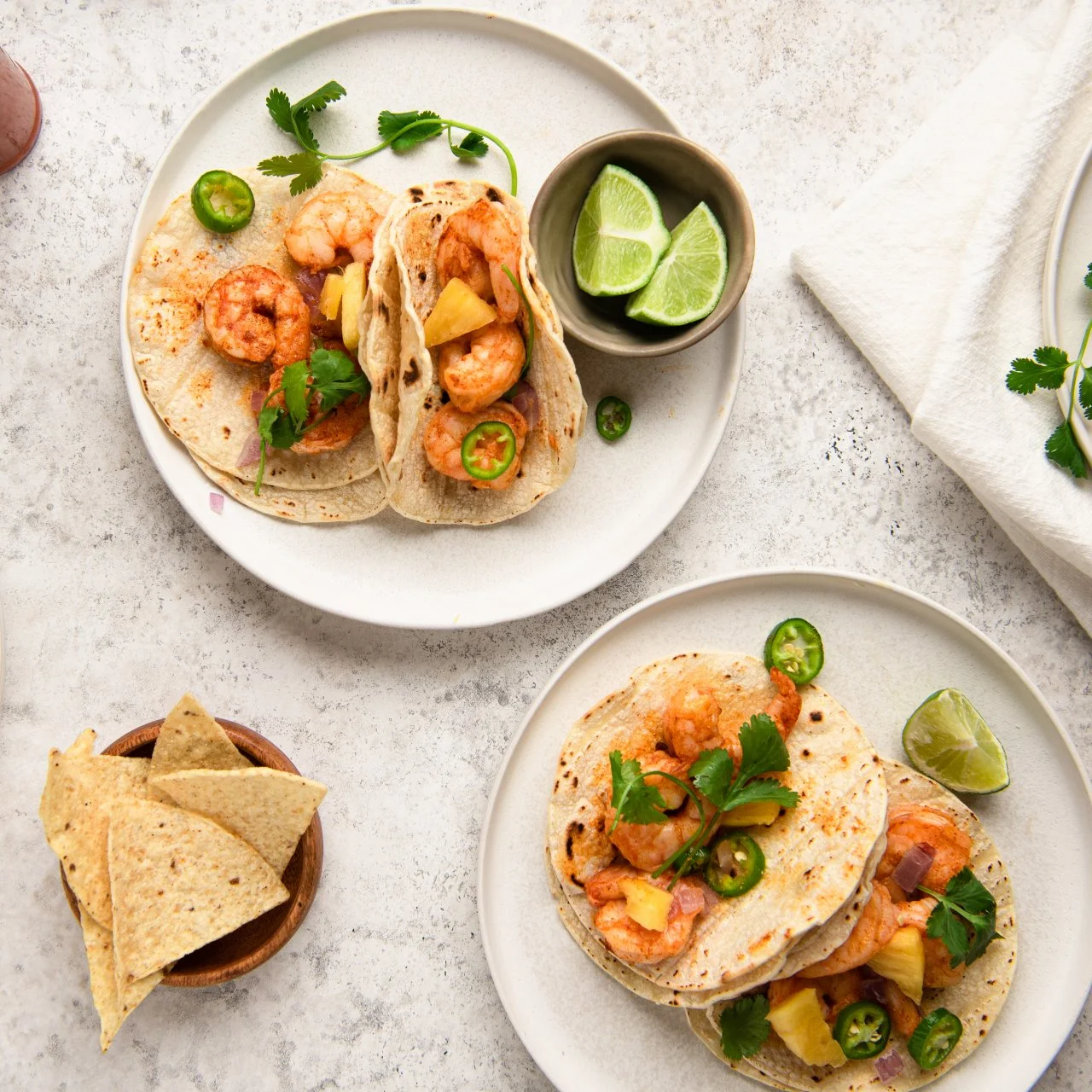
- Shrimp tacos: Add thawed shrimp to warm tortillas with fresh toppings.
- Fried rice: Mix cold shrimp in during the last minute.
- Cold salads: Toss shrimp with greens, beans, or pasta.
- Shrimp cocktail: Serve cold with sauce for a quick appetizer.
Remember, for best texture, avoid long cooking times.
Sustainable Storage: Reducing Waste
Many people throw out leftover shrimp because they’re unsure about safety. By dividing shrimp into meal-sized portions and labeling each batch, you can use what you need and waste less. If you find yourself with extra, try freezing in small amounts instead of one large bag.
Credit: www.foodnetwork.com
Storing Cooked Shrimp While Traveling
If you need to transport cooked shrimp (for a picnic or trip), keep it cold in an insulated cooler with ice packs. Use a thermometer to check that the temperature stays below 4°C (40°F). Eat shrimp within four hours, or transfer to a fridge as soon as possible.
Cleaning Containers After Storing Shrimp
Shrimp can leave a strong odor in containers. Wash them with hot water and dish soap. For stubborn smells, fill the container with a mix of baking soda and water, and let it sit for a few hours before washing.
Quick Reference: Best Practices
- Cool shrimp quickly before storing.
- Use airtight containers.
- Store at back of fridge or bottom of freezer.
- Label and date every batch.
- Keep shrimp away from strong-smelling foods.
- Eat refrigerated shrimp within 2–3 days, frozen within 3 months.
- Thaw safely—never at room temperature.
- Reheat gently and only once.
Frequently Asked Questions
How Can I Tell If Cooked Shrimp Has Gone Bad?
If shrimp smells sour, fishy, or like ammonia, it’s no longer safe. Slimy texture, dull color, or visible mold are also signs of spoilage. Trust your senses—when in doubt, throw it out.
Is It Safe To Eat Cold Cooked Shrimp From The Fridge?
Yes, as long as the shrimp was stored correctly and eaten within 2–3 days. Cold shrimp is perfect for salads and shrimp cocktail. If unsure, check for any signs of spoilage.
What’s The Best Way To Thaw Frozen Cooked Shrimp?
Thaw in the refrigerator overnight for best results. If you’re short on time, use the cold water method: place shrimp (in a sealed bag) in a bowl of cold water and change the water every 30 minutes. Never thaw at room temperature.
Can I Freeze Cooked Shrimp More Than Once?
It’s not recommended. Each freeze-thaw cycle affects shrimp’s texture and flavor. For best quality and safety, freeze shrimp only once and thaw just before use.
Where Can I Learn More About Seafood Safety?
For official guidance and the latest research on seafood storage and safety, visit the U.S. Food & Drug Administration (FDA) website.
Storing cooked shrimp the right way isn’t difficult, but it does require care and attention to detail. Using the tips and steps above, you can enjoy delicious, safe shrimp dishes anytime—without worry or waste.

Credit: www.youtube.com