
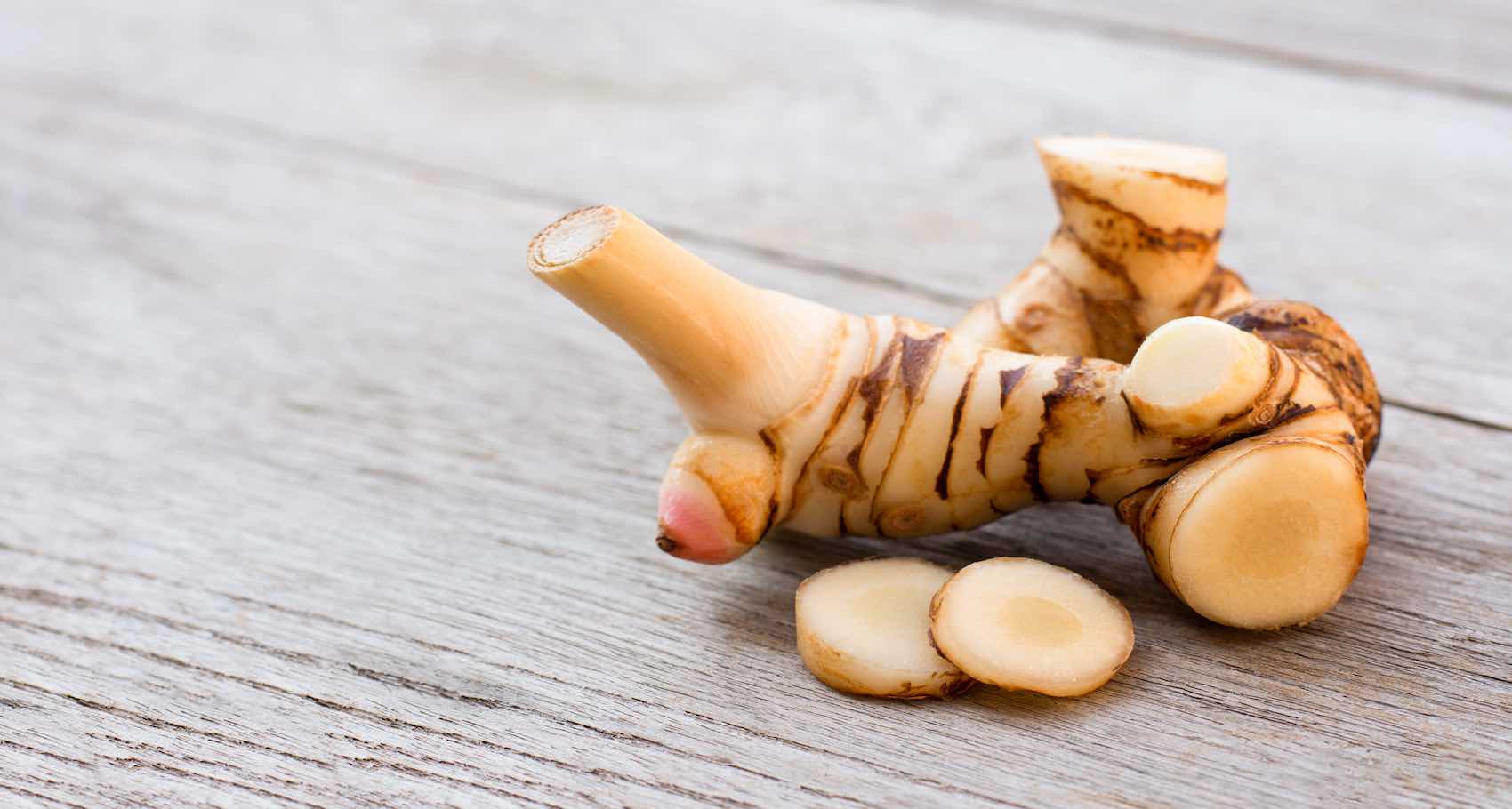
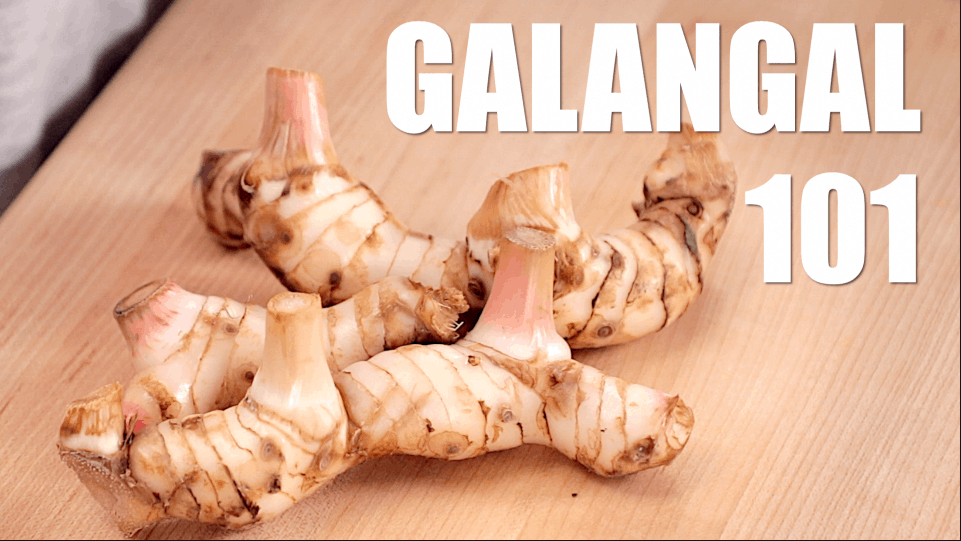
Galangal is an essential spice in Southeast Asian cuisine, valued for its unique citrusy, peppery, and pine-like flavor. Used in Thai curries, Indonesian soups, and many traditional dishes, galangal looks similar to ginger but has a firmer texture and a stronger aroma.
Whether you buy it fresh, dried, or powdered, proper storage is crucial to keep its taste and aroma at their best. Many people make mistakes and end up with dry, flavorless, or moldy galangal.
Storing galangal is not just about tossing it in the fridge. The right method depends on the form—fresh, sliced, paste, dried, or powdered. Even the way you cut or prepare galangal before storage can affect its shelf life and flavor.
This guide will help you understand every method to store galangal, keep it fresh longer, and avoid common mistakes. You will also discover practical tips, what to do with leftovers, and how to tell when galangal is no longer usable.
Why Proper Storage Of Galangal Matters
Galangal is not cheap or always easy to find. If you cook Asian food regularly, you know the pain of buying a big root and watching it rot in the fridge. Fresh galangal loses its flavor quickly if not stored well.
Dried and powdered galangal can also become tasteless or moldy. Poor storage can even lead to food safety issues, especially with mold growth and bacterial contamination.
Keeping galangal in good condition means you get the best taste and value from your ingredient. With proper techniques, you can enjoy its vibrant flavor for months, reduce waste, and always have it ready for your next recipe.
Understanding Different Forms Of Galangal
Before you learn how to store galangal, it’s important to know the main forms it comes in:
- Fresh galangal root – The most aromatic and flavorful. Looks like ginger, but harder and paler.
- Sliced galangal – Fresh root cut into thin slices, often sold pre-packed.
- Galangal paste – Blended with oil, vinegar, or water. Used as a cooking shortcut.
- Dried galangal – Slices or chips, usually sold in Asian markets.
- Powdered galangal – Finely ground, with longer shelf life but less aroma.
Each form needs different storage methods. Storing fresh galangal is not the same as storing powder. Misunderstanding this leads to flavor loss and spoilage.
How To Store Fresh Galangal Root
Fresh galangal is prized for its powerful aroma and taste, but it also spoils the fastest. Correct storage can extend its shelf life from a few days to several months.
Cleaning And Prepping
Before storing, always clean the galangal root:
- Rinse under running water to remove dirt.
- Scrub gently with a brush if needed.
- Pat dry with a clean towel. Do not leave it wet, as moisture encourages mold.
If you plan to use galangal within a week, leave the skin on. For longer storage, you can peel and slice it first.
Refrigerating Fresh Galangal
Refrigeration is suitable if you plan to use galangal within 2-3 weeks. Follow these steps:
- Wrap the root in a paper towel to absorb excess moisture.
- Place the wrapped root in a resealable plastic bag or airtight container.
- Store in the crisper drawer of your refrigerator.
Key insight: Never seal galangal in a completely airtight bag without a paper towel, as trapped moisture can cause quick mold growth.
Comparing Storage Methods For Fresh Galangal
Here’s a quick look at how different storage methods affect shelf life and flavor:
| Method | Expected Shelf Life | Flavor Retention | Risk of Spoilage |
|---|---|---|---|
| Room temperature (unwrapped) | 2-3 days | Poor | High |
| Refrigerator (paper towel + bag) | 2-3 weeks | Good | Medium |
| Freezer (peeled & sliced) | 6-12 months | Very good | Low |
Freezing Fresh Galangal
Freezing is the best way to store galangal for long periods (up to a year) without losing much flavor. Here’s how:
- Peel the root (optional, but easier to use later).
- Slice or chop into small pieces.
- Spread pieces on a tray in a single layer. Freeze for 2 hours (this prevents clumping).
- Transfer to a freezer-safe bag or airtight container. Remove as much air as possible.
Label with the date. Use within 12 months for best flavor.
Extra tip: If you often use galangal in soups, freeze pieces in the size you need for recipes. This saves time and avoids thawing the whole batch.
Storing Fresh Galangal In Alcohol
Some cooks store galangal slices in vodka or rice wine. This method preserves both the galangal and creates a flavorful extract for recipes. Submerge peeled slices in a clean jar, cover completely with alcohol, and seal. Store in the fridge.
The galangal will keep for up to 6 months.
Non-obvious insight: This method also works as a quick way to flavor marinades or sauces—just add a spoonful of the galangal-infused alcohol.
Common Mistakes With Fresh Galangal
- Storing wet galangal root in plastic bags without drying first.
- Leaving fresh galangal at room temperature for more than a day.
- Cutting too much at once and letting unused pieces dry out in the fridge.
- Not labeling frozen galangal, leading to forgotten, freezer-burned root.
How To Store Sliced Galangal
Sliced galangal is handy but more prone to drying out or spoiling quickly if not kept correctly.
Short-term Storage (up To 1 Week)
- Place slices in a single layer on a paper towel.
- Cover with another paper towel.
- Store in an airtight container in the fridge.
Check daily for moisture. If the paper towel becomes wet, replace it to prevent mold.
Medium-term Storage (up To 1 Month)
To keep sliced galangal for up to a month, blanch before freezing:
- Boil water, add slices for 1-2 minutes.
- Cool quickly in ice water.
- Pat dry and freeze in a single layer.
- Store in freezer-safe bags.
Why blanching? It helps keep the color and flavor, and reduces enzyme activity that causes browning.
Pickling Sliced Galangal
Pickling is a traditional method in some Asian cuisines. Soak slices in a mixture of vinegar, salt, and sugar. Store in a clean jar in the fridge. Pickled galangal lasts several months and adds a punch to salads and curries.
Non-obvious insight: Pickled galangal can be used as a tangy condiment, not just a spice.
How To Store Galangal Paste
Galangal paste is convenient but spoils quickly, especially if homemade.
Refrigeration
- Store paste in a small, airtight glass jar.
- Smooth the surface, then pour a thin layer of vegetable oil on top. This acts as a barrier to air and bacteria.
- Seal tightly and refrigerate.
Homemade paste lasts up to 2 weeks. Commercial paste may last longer—always check the label.
Key tip: Use a clean spoon each time to avoid introducing bacteria.
Freezing Paste
- Spoon paste into small ice cube trays or silicone molds.
- Freeze until solid.
- Transfer cubes to a freezer bag, label with the date.
Frozen galangal paste keeps for 2-3 months. Just pop out a cube when cooking.
Mistakes To Avoid With Paste
- Leaving the jar at room temperature for more than an hour.
- Using wet or dirty utensils, which can introduce mold.
- Forgetting the oil seal, which keeps paste fresher longer.
How To Store Dried Galangal
Dried galangal is common in Asian markets and has a long shelf life if kept correctly.
Airtight Storage
- Keep dried slices in an airtight glass jar or vacuum-sealed bag.
- Store in a cool, dry, and dark place—pantry, not above the stove.
Humidity is the enemy of dried galangal. Any moisture can cause mold.
Using Silica Gel Or Rice
For extra protection, add a small food-safe silica gel packet or a tablespoon of uncooked rice to the jar. Both absorb moisture and help keep galangal dry.
Shelf Life Of Dried Galangal
Properly stored dried galangal lasts up to 2 years. Over time, it may lose some strength, but the flavor is still good for soups and stews.
Rehydrating Dried Galangal
Soak dried galangal in warm water for 20-30 minutes before using. This makes it softer and brings back some aroma.
How To Store Galangal Powder
Powdered galangal is the easiest form to keep, but it loses aroma faster than dried slices.
Best Practices
- Store in a tightly sealed container, away from light, heat, and moisture.
- Keep the container small—large containers expose the powder to more air each time you open it.
- Label with the purchase or opening date.
Avoid The Spice Rack Trap
Don’t store galangal powder above the stove or near windows. Heat and sunlight speed up flavor loss.
Comparing Dried Vs. Powdered Galangal Storage
Here’s a useful comparison:
| Form | Storage Method | Best Use Period | Flavor Loss Rate |
|---|---|---|---|
| Dried slices | Airtight, dark, dry place | 12-24 months | Slow |
| Powder | Airtight, dark, dry place | 6-12 months | Faster |
Tip: Buy powder in small amounts for best flavor.
How To Tell If Galangal Has Gone Bad
No matter how you store it, galangal will eventually spoil. Here’s what to watch for:
- Fresh galangal: Mold, slimy texture, dark spots, strong sour smell.
- Sliced galangal: Dull color, mushy texture, visible mold.
- Paste: Off smell, color change, mold on surface.
- Dried/powdered: Strange smell, caking, visible insects or webs.
If in doubt, throw it out. Old galangal not only tastes bad but can upset your stomach.
Saving Leftover Galangal
It’s common to have leftover galangal after a recipe. Here’s how to make the most of it:
- Freeze small portions in an ice cube tray.
- Make galangal tea: Simmer slices in water with honey.
- Infuse oil: Heat slices gently in oil, strain, and use for cooking.
- Dry thin slices in a low oven for later use.
Non-obvious insight: Galangal can be blended with lemongrass, garlic, and chili to make spice cubes—freeze and pop one into your next curry.
Best Practices For Buying Galangal
Good storage starts with buying the best galangal. Here’s what to look for:
- Fresh roots: Firm, smooth skin, no soft spots or mold. The aroma should be sharp and citrusy.
- Sliced/dried: Even color, no moisture, no black spots.
- Powder: Bright beige color, strong aroma.
Avoid galangal that looks wrinkled, feels soft, or smells musty.
Practical Tips For Everyday Cooks
- Store galangal in small quantities; buy fresh as needed.
- Label all containers with the date.
- Keep galangal away from strong-smelling foods (like onions) to prevent odor transfer.
- If you travel to an Asian market, buy dried galangal for a long-lasting supply.
How Chefs Store Galangal
Professional kitchens often use a combination of methods for efficiency and flavor:
- Fresh galangal is washed, sliced, and vacuum-sealed, then refrigerated or frozen.
- Dried slices are kept in airtight containers, away from kitchen heat.
- Galangal paste is portioned into small jars and topped with oil.
Some chefs even grind dried galangal into powder just before use for maximum aroma.
Data On Galangal Shelf Life By Storage Method
For a quick reference, here’s a summary table:
| Form | Unopened (Pantry) | Refrigerator | Freezer |
|---|---|---|---|
| Fresh root | 2-3 days | 2-3 weeks | 6-12 months |
| Sliced | Not recommended | Up to 1 week | 1 month |
| Paste | Not recommended | Up to 2 weeks | 2-3 months |
| Dried slices | 12-24 months | Not needed | 2+ years |
| Powder | 6-12 months | Not needed | Not recommended |
How To Use Stored Galangal
Stored galangal can be used directly from the fridge or freezer. There’s no need to thaw frozen galangal for soups or stews—just add slices straight to the pot. For stir-fries or curries, thaw quickly in warm water or chop while still frozen.
Dried galangal should be soaked before use. Powder is ready to use anytime.
Non-obvious insight: The flavor of frozen galangal is almost as good as fresh, especially in cooked dishes.

Credit: www.tilda.com
How To Avoid Common Storage Mistakes
- Do not wash galangal right before storage unless drying completely.
- Never store galangal near fruits like apples or bananas. These release ethylene gas, which speeds up spoilage.
- Do not store galangal in open containers. It will dry out and lose aroma.
- Never freeze whole roots. Slice or chop first for even freezing and easy use.
- Don’t forget to date all stored galangal. This helps you use the oldest stock first.
Environmental Factors Affecting Galangal Storage
Humidity, temperature, and light all affect how long galangal lasts. In tropical climates, galangal spoils much faster. Always store in the coolest, driest part of your kitchen.
If you live in a humid area, use a dehumidifier in your pantry or store dried galangal in the fridge.
Credit: www.tilda.com
How Galangal Storage Differs From Ginger
Although galangal and ginger look similar, they behave differently in storage. Galangal is harder and less juicy, but it dries out or molds faster. Ginger can be stored at room temperature for longer, while galangal needs refrigeration or freezing for best results.
Key difference: Ginger can be stored in a paper bag at room temperature for up to a week. Galangal should not be stored at room temperature for more than a day.
Traditional Methods From Southeast Asia
In Thailand and Indonesia, galangal is often stored by burying fresh roots in sand or dry rice. This keeps moisture away and prevents sprouting. While not common in modern kitchens, this method still works if you have a cool, dry place.
Farmers sometimes hang galangal roots in mesh bags in the shade, allowing air circulation and preventing rot.
Galangal Storage For Home Gardeners
If you grow galangal at home, harvest only what you need. Leave the rest in the ground, as it stores best in living soil. After harvesting, clean and dry roots before storing as described above.
Using Galangal Peels And Scraps
Don’t throw away peels or ends. Simmer them in broths or teas for a mild flavor. Dry peels and add them to spice blends.
Non-obvious insight: Galangal peels can be dried and ground for use in homemade spice mixes.
What To Do If You Have Too Much Galangal
If you find yourself with a large amount of galangal, try these ideas:
- Make a large batch of curry paste and freeze in small portions.
- Slice and dry your own galangal chips.
- Share with friends or neighbors who love Asian cooking.
- Infuse galangal in vinegar for salad dressings.
How To Store Galangal When Traveling
Bringing galangal from overseas? Clean, slice, and dry before packing. Avoid carrying fresh roots across borders, as some countries restrict plant imports.
Final Thoughts
Storing galangal well means you always have this unique spice ready to bring authentic flavor to your kitchen. Whether fresh, sliced, paste, dried, or powder, each form has its ideal method. Freezing and airtight containers are your best friends, but simple tricks like using paper towels, oil seals, and even alcohol can make a big difference.
Always start with quality galangal, store in small quantities, and label everything.
Proper storage not only saves money and reduces waste but also keeps your dishes tasting their best. With these tips, you can enjoy the full flavor of galangal, no matter how often you cook with it.
For more about galangal, its uses, and properties, visit Wikipedia.
Frequently Asked Questions
How Long Does Fresh Galangal Last In The Fridge?
Fresh galangal can last 2-3 weeks in the refrigerator if wrapped in a paper towel and stored in an airtight bag or container. Make sure the root is dry before storing to prevent mold.
Can You Freeze Galangal Without Peeling It?
Yes, you can freeze galangal with the skin on, but peeling and slicing before freezing makes it easier to use later. Whole, unpeeled roots may be harder to cut when frozen.
What Is The Best Way To Store Galangal Powder?
Keep galangal powder in a tightly sealed container, away from heat, light, and moisture. Store in small amounts and label with the date. Powder loses aroma faster than dried slices.
Is Dried Galangal As Good As Fresh?
Dried galangal is good for soups and long-cooked dishes but has a milder, different flavor compared to fresh. For the best taste in stir-fries or salads, use fresh galangal if possible.
Can You Store Galangal With Other Spices?
It’s best to store galangal separately, especially if fresh or paste. Strong-smelling spices can transfer odors. Dried or powdered galangal can be kept with other spices, but always in airtight containers.
Credit: hot-thai-kitchen.com