
Lions mane mushrooms are quickly becoming a favorite ingredient for chefs, health enthusiasts, and home cooks. Their unique appearance, often compared to a lion’s mane, adds visual interest, and their mild seafood-like flavor makes them a versatile addition to many dishes.
But their delicate structure and high moisture content also make them tricky to store. If you want to enjoy the best taste, texture, and health benefits from your lions mane mushrooms, proper storage is essential.
Many people make the mistake of treating lions mane like ordinary button mushrooms. But because lions mane mushrooms bruise easily, spoil faster, and absorb moisture, they need special care. This guide gives you all the knowledge you need to keep your mushrooms fresh, potent, and ready for your next meal.
Whether you just brought home a fresh harvest, bought a bag at the market, or want to preserve your own homegrown mushrooms for months, you’ll find clear steps and reliable advice here.
Understanding Lions Mane Mushrooms
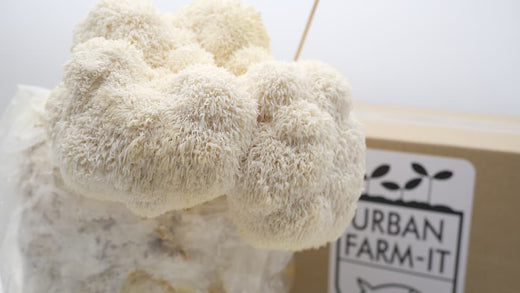
Lions mane (Hericium erinaceus) is not your average mushroom. Its fluffy, cascading spines set it apart from common varieties, but its structure also makes it more sensitive to handling and humidity. Fresh lions mane is about 90% water, which means it can dry out or get mushy quickly if stored wrong.
It also bruises easily, turning brown and losing quality.
Nutritionally, lions mane is rich in beta-glucans, antioxidants, and compounds believed to support brain health and the immune system. These benefits are best preserved when the mushroom is stored correctly. Unlike some mushrooms, lions mane has a short shelf life, even under good conditions.
Why Proper Storage Matters
Lions mane mushrooms are prized for both their culinary and medicinal qualities. But improper storage can lead to:
- Spoilage: Mushrooms can become slimy or moldy.
- Nutrient loss: Valuable compounds degrade with exposure to air, moisture, or light.
- Flavor changes: Fresh taste disappears quickly if not kept in ideal conditions.
Many beginners miss that lions mane is more sensitive than shiitake or cremini mushrooms. Even a few hours at room temperature can make a big difference in shelf life and texture.
How To Store Fresh Lions Mane Mushrooms
Fresh lions mane has the best taste and most nutrients, but keeping it fresh takes a little planning. Here’s how to do it right.
Cleaning Before Storage
Never soak lions mane mushrooms in water. Their sponge-like structure means they absorb water easily, which leads to faster spoilage. Instead, use these steps:
- Brush off dirt with a soft brush or clean toothbrush.
- Wipe gently with a slightly damp paper towel if needed.
- Avoid washing under running water unless absolutely necessary.
A common mistake is storing mushrooms with dirt on them, thinking it will protect them. In fact, dirt can trap moisture and cause faster decay.
Choosing The Right Container
The container you use can make a huge difference. Lions mane needs to breathe but also stay protected from drying out.
- Paper bags: The best choice for short-term storage (up to 5 days). Paper absorbs extra moisture but allows air flow.
- Cloth bags: Also a good option, especially if you have reusable cotton produce bags.
- Plastic containers with holes: If using plastic, add a dry paper towel inside and leave the lid slightly open for air.
- Never use sealed plastic bags: This traps moisture and leads to slime and mold.
Storing In The Fridge
Place your cleaned mushrooms in your chosen container and store in the main compartment of the refrigerator—not in the crisper drawer, which is often too humid.
- Temperature: 1-4°C (34-39°F) is ideal.
- Shelf life: 5-7 days if conditions are good.
It’s helpful to check your mushrooms every day or two. Remove any pieces that look slimy or moldy, as one bad mushroom can spoil the rest.
Comparing Storage Containers
Here’s a look at how different containers affect freshness:
| Container Type | Airflow | Moisture Control | Typical Freshness |
|---|---|---|---|
| Paper bag | Good | Good | 5-7 days |
| Cloth bag | Very good | Good | 5-7 days |
| Plastic bag (sealed) | Poor | Poor | 2-3 days |
| Plastic container (vented) | Moderate | Moderate | 4-5 days |
Signs Of Spoilage
Know when to toss your lions mane:
- Slimy texture
- Dark brown or black spots
- Strong sour odor
- Visible mold
If in doubt, throw it out. Eating spoiled mushrooms can cause digestive upset.
How To Store Cooked Lions Mane Mushrooms
Sometimes you have leftovers or want to meal prep. Cooked lions mane mushrooms store differently than fresh.
Cooling And Storing
Let cooked mushrooms cool to room temperature first. Never put hot food directly into the fridge, as it increases condensation and speeds up spoilage.
- Use an airtight container.
- Store in fridge for up to 3-4 days.
- Label with the date to avoid confusion.
Reheating Tips
Reheat only the amount you need. Repeatedly heating and cooling mushrooms can make them rubbery and less tasty. Use a skillet or microwave, but add a splash of water or oil to help retain moisture.
Nutritional Changes
Cooking lions mane mushrooms does reduce some heat-sensitive nutrients, but it also makes certain antioxidants more available. Storing cooked mushrooms for several days can further reduce their vitamin content, so use them soon after cooking.
Freezing Lions Mane Mushrooms
If you want to keep lions mane for weeks or months, freezing is a good option. But you need to do it right, because raw lions mane can turn mushy and lose flavor when frozen.
Should You Freeze Raw Or Cooked?
Freezing raw lions mane is not recommended. Their high water content leads to texture loss and water-logged mushrooms when thawed.
Freezing cooked or blanched mushrooms gives much better results.
How To Freeze (step-by-step)
- Clean and slice mushrooms into even pieces.
- Blanch in boiling water for 1-2 minutes. This stops enzymes that cause spoilage.
- Cool quickly in ice water to stop the cooking process.
- Drain and dry with paper towels.
- Spread on a tray in a single layer and freeze for 2-3 hours (prevents clumping).
- Transfer to airtight freezer bags or containers, removing as much air as possible.
- Label with date. Frozen blanched mushrooms last up to 6 months.
You can also sauté mushrooms in a little oil or butter before freezing for even better flavor retention.
Thawing And Using
Add frozen mushrooms directly to hot dishes (soups, stir-fries) without thawing. Thawing first can make them watery.
Comparing Fresh Vs. Frozen Quality
| Storage Method | Texture After Thawing | Best For | Storage Life |
|---|---|---|---|
| Frozen Raw | Mushy | Not recommended | 2-3 months |
| Blanched & Frozen | Good | Soups, cooked dishes | 6 months |
| Sautéed & Frozen | Very good | Ready-to-eat meals | 6 months |
Drying Lions Mane Mushrooms
Drying is one of the best ways to store lions mane long-term. When dried and stored well, they can last for a year or more while keeping much of their flavor and nutrients.
Air Drying
Air drying works best in dry, warm climates. Break large pieces into smaller chunks, spread on a mesh or rack, and leave in a well-ventilated area out of direct sunlight. It may take several days.
Using A Dehydrator
A food dehydrator is the fastest and most reliable way. Set the temperature to 40-50°C (104-122°F) and dry mushrooms for 6-10 hours until they are crisp and break easily.
Oven Drying
Set your oven to the lowest setting (usually 60°C or 140°F). Place mushrooms on a baking sheet in a single layer. Leave the oven door slightly open for air flow. Check every hour until fully dry.
Storing Dried Mushrooms
Place fully cooled, dried mushrooms in airtight glass jars or vacuum-sealed bags. Store in a cool, dark, dry cupboard. Keep away from heat and humidity.
Rehydrating
Soak dried lions mane in warm water for 15-30 minutes before cooking. Use the soaking water in soups for extra flavor.
Dried Vs. Fresh
Dried mushrooms have a stronger, sometimes more earthy flavor than fresh. They work especially well in sauces, risottos, and broths.
Common Drying Mistakes
- Not drying completely: Any remaining moisture can cause mold.
- Storing in plastic bags: Not airtight enough for long-term storage.
- Exposing to light: Reduces shelf life.
Data: Shelf Life Of Dried Mushrooms
| Storage Method | Expected Shelf Life | Flavor Retention |
|---|---|---|
| Airtight glass jar, cool/dark place | 12-18 months | Very good |
| Plastic bag, pantry | 4-6 months | Moderate |
| Vacuum sealed, freezer | 2+ years | Excellent |

Credit: lifehacker.com
Storing Lions Mane Mushroom Powder
Many people use lions mane as a supplement by drying and grinding it into a fine powder. This powder is used in teas, smoothies, and cooking.
How To Store The Powder
- Airtight glass jar: Keeps out moisture and air.
- Dark cupboard: Protects from light.
- Silica gel packs: Optional, for extra moisture control.
Keep the powder dry at all times. Even a little moisture can cause caking or mold.
Shelf Life
Properly stored, lions mane powder can last 12-18 months without losing much potency.
Signs Of Bad Powder
- Off smell or mustiness
- Clumping (shows moisture)
- Change in color
If you notice any of these, replace your powder.
Storing Tinctures And Extracts
Tinctures and extracts are concentrated lions mane products, usually made with alcohol or hot water. These are the most stable and have the longest shelf life.
Best Practices
- Store in dark glass bottles.
- Keep in a cool, dark place.
- Seal tightly after each use.
Shelf Life
Alcohol-based tinctures can last 2-3 years. Water-based extracts last 6-12 months. Always check for changes in smell, taste, or appearance.
Credit: urbanfarmproduce.com
Storing Wild-harvested Vs. Farmed Lions Mane
Wild-harvested lions mane often has more dirt, insects, or moisture. Clean gently and inspect for bugs before storing. Wild mushrooms sometimes spoil faster, so use or process them as soon as possible.
Farmed lions mane is often cleaner and more uniform. Still, follow the same storage steps for best results.
Advanced Tips For Maximum Freshness
- Don’t crowd mushrooms: Give them space in the fridge. Crowding traps moisture.
- Use a hygrometer: Serious mushroom fans keep a fridge hygrometer to monitor humidity (ideal is 80-90%).
- Rotate stock: Use older mushrooms first to reduce waste.
- Vacuum sealing: For long-term storage of dried mushrooms, a vacuum sealer is ideal.
Mistakes Beginners Often Make
- Washing before storing: Adds moisture and speeds decay.
- Using sealed plastic: Traps moisture, leading to slime.
- Ignoring bad pieces: One moldy mushroom can spoil a whole batch.
- Overlooking humidity: Too much or too little ruins texture.
- Freezing raw: Causes mushy texture.
- Storing in sunlight: Light degrades nutrients and flavor.
- Not labeling: Can lead to confusion and accidental waste.
How To Tell If Your Storage Is Working
- Mushrooms stay firm and white for several days.
- No off smells develop.
- Dried mushrooms stay crisp and do not bend.
- Powder remains free-flowing.
If you notice changes, adjust your storage methods.
Safety And Food Poisoning Risks
While lions mane mushrooms are generally safe, old or spoiled mushrooms can grow harmful bacteria and molds. Symptoms of food poisoning include nausea, vomiting, and diarrhea. When in doubt, throw it out. Never risk your health for a mushroom.
Sustainable Storage And Reducing Food Waste
Proper storage not only saves money but helps reduce food waste. If you accidentally buy or harvest too much, consider sharing with friends or drying for later use. Compost any mushrooms you can’t use instead of sending them to landfill.
Credit: rrcultivation.com
Comparing Storage Methods: Pros And Cons
Here’s a summary of the main ways to store lions mane mushrooms:
| Method | Ease | Shelf Life | Flavor Retention | Best For |
|---|---|---|---|---|
| Fresh (fridge) | Easy | 5-7 days | Excellent | Immediate use |
| Cooked (fridge) | Easy | 3-4 days | Good | Meal prep |
| Blanched & frozen | Moderate | 6 months | Good | Soups, stir-fries |
| Dried | Moderate | 12-18 months | Very good | Long-term, teas |
| Powder | Easy | 12-18 months | Good | Supplements, drinks |
| Tincture | Moderate | 2-3 years | Good | Medicinal use |
Frequently Asked Questions
How Long Do Fresh Lions Mane Mushrooms Last In The Fridge?
Fresh lions mane mushrooms last 5 to 7 days in the refrigerator if stored in a paper or cloth bag. Check them daily and remove any that show signs of spoilage, such as sliminess or mold.
Can You Freeze Lions Mane Mushrooms Raw?
It’s not recommended to freeze lions mane raw. Their high water content makes them mushy when thawed. Instead, blanch or sauté them before freezing for best results.
What’s The Best Way To Dry Lions Mane Mushrooms At Home?
Using a food dehydrator is best. Set it to 40-50°C (104-122°F) and dry until the mushrooms are crisp. If you don’t have a dehydrator, use your oven on the lowest setting with the door slightly open.
How Do You Know If Lions Mane Mushrooms Are Still Good?
Good lions mane mushrooms are white, firm, and smell fresh. Bad ones are slimy, brown, or have a strong odor. Dried mushrooms should be crisp, not bendy or rubbery.
Where Can I Learn More About The Health Benefits Of Lions Mane Mushrooms?
You can find more detailed information on the health properties of lions mane at the Wikipedia page for Hericium erinaceus.
Storing lions mane mushrooms may take a little extra care, but the rewards are worth it. By following the right steps for cleaning, choosing the best containers, and picking the right preservation method, you can enjoy their unique flavor and health benefits for days, months, or even years.
Whether you’re a home cook, forager, or supplement user, proper storage makes all the difference. Enjoy your lions mane mushrooms at their best, and reduce waste with a few simple habits. Your future meals—and your body—will thank you.