
Crawfish, also known as crayfish or mudbugs, are a popular delicacy in Southern cuisine. If you’re planning a crawfish boil or just want to keep your catch fresh, storing live crawfish overnight is a challenge many people face. Mishandling live crawfish can lead to loss, spoilage, and even foodborne illnesses.
For the best taste and safety, it’s important to know the right methods and tricks to keep crawfish alive and healthy until you’re ready to cook them. This guide will walk you through everything you need to know, from selecting the right crawfish to setting up your storage, handling, and troubleshooting common problems.
Understanding Live Crawfish
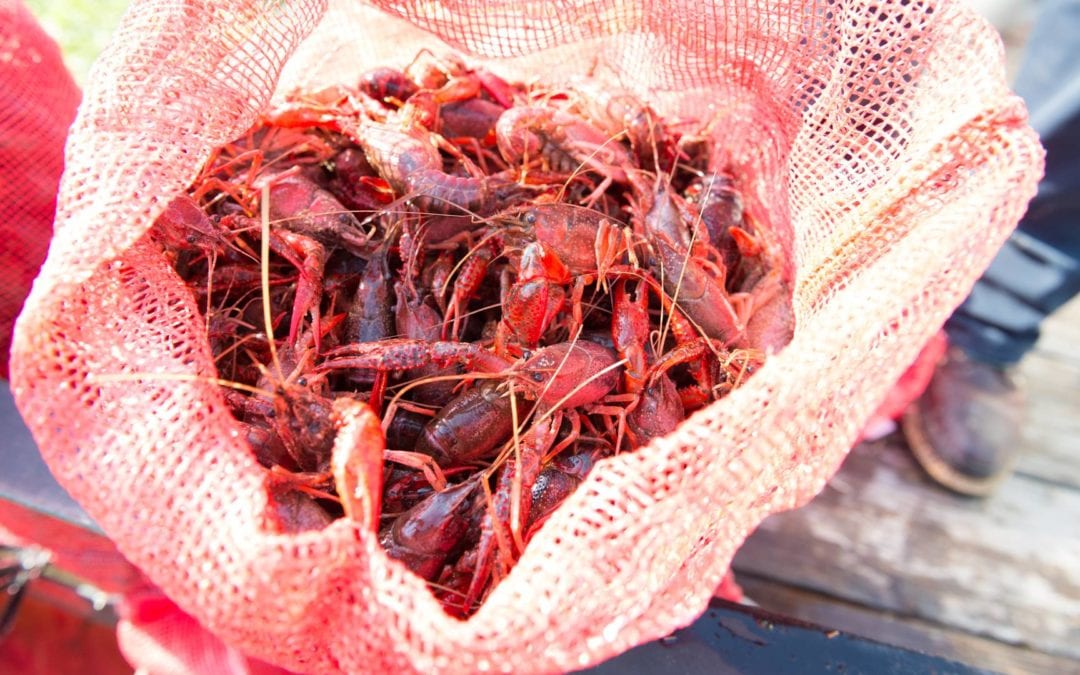
Crawfish are freshwater crustaceans related to lobsters. They’re highly sensitive creatures that need oxygen and the right environment to survive. After being harvested, they can become stressed very easily, which leads to rapid spoilage if not cared for. Healthy live crawfish will move, flick their tails, and look bright in color. Dead crawfish spoil quickly and should not be eaten, so learning to spot the difference is essential.
In the wild, crawfish live in muddy water where they can bury themselves. When removed from their natural habitat, they lose their ability to control temperature and humidity, which makes storage more complicated. If you plan to keep live crawfish overnight, you must create an environment that mimics their natural needs as closely as possible.
It’s also important to note that crawfish are more vulnerable after being transported or handled roughly. Even small injuries, like missing claws or broken shells, can lead to higher stress and faster death. Beginners often overlook the importance of gentle handling.
When you bring crawfish home, avoid tossing or dropping the sack—they’re more delicate than they appear.
Another key factor is oxygen. Crawfish use gills to breathe, but unlike fish, they can survive out of water as long as their gills stay wet and they have access to air. Placing them in water with low oxygen or letting them dry out can be fatal.
That’s why the right balance of moisture and airflow is critical.
Why Proper Storage Matters
Proper crawfish storage is not just about keeping them alive—it’s about food safety and quality. If crawfish die before cooking, their meat can become mushy and unsafe. Cooking dead crawfish increases the risk of foodborne illnesses like Vibrio vulnificus. Also, stress and poor storage can affect the taste and texture of the crawfish.
Every year, thousands of pounds of crawfish are wasted due to improper handling. According to the Louisiana Crawfish Promotion Board, over 10% of commercial crawfish die before reaching the market—often because of poor storage conditions. This loss affects both your wallet and the environment.
Beyond the numbers, there’s a real impact on the flavor and experience of your meal. Live, healthy crawfish have a sweet, clean taste and firm texture. Dead crawfish can develop off flavors and sometimes a strong, unpleasant odor. If you’ve ever tasted a bad crawfish, you know the difference is clear.
Another reason proper storage matters is to avoid cross-contamination. Crawfish often carry dirt and bacteria from their natural habitat. If dead crawfish begin to rot, they can spread bacteria to healthy ones, spoiling the whole batch faster. Taking a few extra minutes to store your crawfish properly not only saves money, but keeps your friends and family safe.
Preparing For Storage
Before you put crawfish away for the night, a few preparations will make a big difference in their survival rate. Here’s what you need to do:
- Rinse the Crawfish: Use clean, cool water to rinse off mud and debris. Never use soap or chemicals.
- Sort Out Dead Crawfish: Remove any crawfish that are not moving or have a fishy smell. These are already dead and should not be stored.
- Choose the Right Container: Use a ventilated container, like a large cooler with drainage holes or a plastic laundry basket.
- Gather Cooling Materials: You’ll need ice packs, bags of ice, or frozen gel packs—not loose ice, as it can melt and drown the crawfish.
- Prepare a Drainage System: Crawfish should never sit in standing water. Make sure your container can drain away melted ice.
These steps might seem simple, but skipping any of them can lead to high crawfish mortality overnight.
One extra tip: before rinsing crawfish, wear gloves if you have sensitive skin. Crawfish can pinch, and their shells sometimes carry bacteria that may irritate cuts or scrapes. Also, don’t use hot water, as it can quickly kill them or cause stress. Cool or room-temperature water is best.
If you have a large batch, split them into two or more containers. This reduces crowding, which means less stress and better air flow. Most people try to store all their crawfish in one big container, but splitting them up can actually improve survival rates.
Choosing The Best Storage Location
Where you keep your crawfish overnight can make or break their survival. Temperature is the main factor, but airflow and moisture also matter.
Indoor Vs. Outdoor Storage
- Indoor Storage: A cool, well-ventilated area like a garage or basement is best, especially if the weather is hot. Avoid kitchens or living areas, as crawfish can release a strong odor.
- Outdoor Storage: If temperatures are between 45°F and 55°F (7°C to 13°C), you can store crawfish outside in a shaded, sheltered area. Avoid direct sunlight, rain, or wind.
If storing outside, protect your crawfish from animals like raccoons, cats, or even dogs. These animals are attracted to the smell of crawfish and can break into containers. Placing a heavy lid or a weighted board over your cooler helps keep unwanted visitors out.
Temperature Control
The ideal temperature for storing live crawfish is just above freezing but not cold enough to kill them. Here’s a quick reference:
| Temperature Range (°F) | Effect on Crawfish |
|---|---|
| 32–40 | Too cold, may kill crawfish |
| 41–55 | Ideal for overnight storage |
| 56–70 | Too warm, increases stress and death rate |
Maintaining the right temperature is the most important factor for keeping crawfish alive overnight.
If you don’t have a thermometer, you can use a bag of frozen vegetables as a rough guide—if it stays mostly frozen in your storage area, it’s likely cold enough. If it thaws quickly, the area is too warm, and you’ll need more ice or a different spot.
Setting Up Your Crawfish Storage
Now that you know the basics, let’s set up your storage for maximum survival.
Step 1: Preparing The Cooler Or Container
- Use a large, sturdy cooler with a drain plug. Avoid foam coolers; they are easily damaged.
- Place a layer of wet burlap sack or towels at the bottom. This keeps crawfish moist without soaking them.
- Add a small rack or platform if possible, to keep crawfish above any melted ice water.
A small plastic or metal rack (even a clean oven rack) can help keep crawfish out of water, which is especially useful if you have a lot of crawfish or plan to store them for more than 12 hours. If you don’t have a rack, adding a couple of extra folded towels can help absorb moisture.
Step 2: Layering The Crawfish
- Pour in crawfish gently, spreading them in a single layer if possible.
- Cover with another wet burlap sack or towel. This helps maintain humidity.
- Do not crowd the container. Overcrowding raises stress and death rates.
If you have to stack crawfish, try to keep the layers thin—no more than 3–4 inches deep. The bottom layer is most at risk for suffocation or being crushed. Gently reshuffling the crawfish after 6–8 hours can help, but don’t overdo it, as too much movement increases stress.
Step 3: Adding Ice
- Place sealed bags of ice or frozen gel packs on top of the wet towel.
- Never put ice directly on the crawfish. Melted ice water can suffocate them.
- Check the ice every few hours and replace as needed.
If you only have loose ice, put it in a zip-top bag or wrap it in a towel before adding it to the cooler. This keeps the melting water away from the crawfish, preventing accidental drowning.
Step 4: Draining Meltwater
- Open the cooler’s drain plug slightly so melted ice can escape.
- If you use a container without a plug, tilt it gently to pour out excess water.
Standing water is the main reason crawfish die in coolers. Even a small amount can cause rapid death, so make it a habit to check for water every time you check your ice.
Step 5: Ensuring Ventilation
- Do not close the cooler lid tightly. Leave a small gap for air to circulate.
- If using a plastic basket, cover loosely with towels but allow air to flow.
If you’re storing crawfish in a garage, crack open a window or door for extra airflow. This can help keep the air fresh and humidity in the right range.
Keeping Crawfish Alive: Pro Tips
Many people lose crawfish overnight due to a few simple mistakes. Here are some advanced tips that make a real difference:
- Use dechlorinated water if you need to moisten the towels or burlap. Tap water with chlorine can harm crawfish.
- Change the towels or burlap every 8-12 hours if storing for more than one night.
- Never freeze crawfish alive. Cold slows them down, but freezing kills them.
- Keep the container away from strong odors. Crawfish can absorb smells from gasoline, paint, or other chemicals.
- Don’t feed crawfish while storing. They can pollute the storage water and die faster.
- Check for weak or dying crawfish every few hours and remove them.
If you live in a dry climate, humidity in the air can drop quickly and dry out your crawfish. In this case, increase the frequency of wetting towels or use two layers of moist burlap. On the other hand, in very humid areas, you may need to check more often for mold or mildew in your storage container.
Another tip: Write a note or set a phone reminder to check your crawfish during the night if you’re storing a large or valuable batch. It’s easy to forget, and a quick check can mean the difference between a fresh boil and a ruined meal.
Common Mistakes To Avoid
Even experienced cooks sometimes make errors when storing live crawfish. Here’s what to watch out for:
- Using tap water with chlorine: Crawfish are sensitive to chemicals in water.
- Letting crawfish sit in melted ice water: This can quickly suffocate them.
- Stacking crawfish too deep: Overcrowding leads to stress and death.
- Forgetting to check on them overnight: Crawfish can die quickly if something goes wrong.
- Storing at refrigerator temperature (below 40°F/4°C): This is too cold and deadly for crawfish.
- Adding salt or seasoning to storage water: This is a common myth and can harm crawfish.
A less-known mistake is using scented trash bags or towels for storage. Perfumed products can introduce chemicals or odors that stress or even kill crawfish. Always use plain, unscented materials and wash new towels before use.
Comparing Storage Methods
Different storage methods work for different situations. Let’s compare the most common options:
| Method | Pros | Cons |
|---|---|---|
| Cooler with wet towels | Simple, effective, portable | Needs regular ice replacement |
| Plastic laundry basket | Great ventilation, easy drainage | Harder to keep cool in hot weather |
| Outdoor shaded pit | Natural cooling, good for large batches | Weather dependent, risk from animals |
| Aquarium with aerator | Best for long-term storage, high survival | Expensive, requires setup |
For most home cooks, the cooler method is best for overnight storage.
If you’re planning a big crawfish boil for a party, consider combining methods—use coolers for the bulk and an aerated tank for a small number you want to keep especially fresh or use as backup.
What To Do The Next Day
When you’re ready to cook, it’s important to handle your crawfish carefully:
- Remove dead crawfish: Before boiling, check for crawfish that are limp, pale, or smell bad. Throw these away.
- Rinse again: Give the crawfish a final rinse to remove any debris or dead crawfish.
- Let them warm up: If crawfish are very cold, let them sit at room temperature for 10-15 minutes before cooking. This wakes them up and improves texture.
- Cook immediately: Do not try to store them another night. Crawfish quality drops quickly after 24 hours.
If you’re cooking for a crowd, have a helper sort and rinse crawfish while you prepare your boil. This saves time and ensures no dead crawfish sneak into your pot. Remember, the final rinse also helps remove any sand or dirt that may have collected in the cooler.
Advanced Storage: Long-term Options
If you need to store live crawfish for more than one night, you’ll need a more advanced setup.
Using An Aerated Tank
- Set up a large aquarium or stock tank with clean, dechlorinated water.
- Add an aquarium air pump and stone to keep water oxygenated.
- Keep water temperature between 50°F and 60°F (10°C to 16°C).
- Change half the water every day.
- Feed lightly with lettuce or commercial crawfish food.
This method can keep crawfish alive for several days, but it’s more work and risk. If you’re not experienced with aquariums, stick to short-term storage.
A practical tip: if you try this method, monitor ammonia levels in the tank. Waste from crawfish can build up quickly, poisoning the water. Home aquarium test strips can help you keep levels safe.
Commercial Storage Tips
Restaurants and seafood markets use special walk-in coolers with high humidity. They use large bins with slatted bottoms and constant airflow. This system is not practical for most home users but is interesting for those who want to scale up their crawfish events.
Some commercial setups even use misters or humidifiers to keep crawfish moist without direct contact with water. If you’re curious, visiting a local seafood market can give you ideas for improving your own setup.

Credit: www.youtube.com
Understanding Crawfish Health
You can tell a lot about your crawfish by their appearance and behavior.
- Active crawfish: Move, flick tails, and react to touch.
- Stressed crawfish: Move slowly, curl up, or lay on their sides.
- Dead crawfish: Limp, smell bad, pale or pinkish color.
It’s normal to lose a small percentage (5–10%) of crawfish overnight, especially if they were stressed during transport. If you lose more than that, review your storage method.
If you notice many crawfish becoming slow or turning pale, check your temperature and humidity levels immediately. Sometimes, just adding a fresh, wet towel or moving the container to a slightly warmer spot can make a big difference.
Cleaning And Disposing Of Dead Crawfish
Always handle dead crawfish with care. Remove them as soon as you find them to prevent spoilage and bad odors. Throw dead crawfish in the trash or compost, not down the sink or toilet. Do not feed dead crawfish to pets.
If you have a compost pile, dead crawfish can be a good nitrogen source, but make sure your compost is hot enough to break down animal products safely. Otherwise, double-bag them before putting them in the trash to avoid attracting pests.

Credit: www.dailymotion.com
How Many Crawfish Can You Store?
The size of your container limits how many crawfish you can store. As a rule of thumb:
- 1 gallon (3.8 L) of cooler space per 2–3 pounds (0.9–1.4 kg) of crawfish.
- Do not stack crawfish deeper than 6 inches (15 cm).
Cramming more crawfish into a small space lowers survival rates. If you have a large batch, use multiple containers.
If you’re unsure how much space you need, err on the side of more containers. Even leaving some empty space in the cooler is better than overcrowding, which can lead to higher death rates overnight.
Comparing Survival Rates
Different storage methods and conditions lead to different survival rates. Here’s a quick comparison:
| Method | 24-Hour Survival Rate | Notes |
|---|---|---|
| Cooler with wet towels | 90–95% | Ideal for most people |
| Plastic basket in refrigerator | 70–80% | Too cold, higher death rate |
| Outdoor pit | 80–90% | Works only in cool weather |
| Aquarium with aerator | 95–99% | Best, but complex |
The small difference in survival can mean a big difference in taste and food safety.
If you want to test your survival rate, count live crawfish before and after storage. This helps you improve your method for next time.
Myths About Storing Crawfish
Many home cooks hear myths about crawfish storage. Here’s the truth:
- Myth: Crawfish need to be in water overnight. Fact: They can drown if submerged. They need moisture and air.
- Myth: Salt purges crawfish. Fact: Salt does not clean crawfish and can stress or kill them.
- Myth: It’s okay to cook dead crawfish if they died recently. Fact: It’s not worth the risk. Dead crawfish spoil quickly.
Another common myth is that adding lemon juice or vinegar to the storage water will keep crawfish fresh. In reality, acids can damage their shells and cause more harm than good. Stick with clean water and proper temperature.
Non-obvious Insights For Beginners
- Humidity matters as much as temperature. Crawfish die not only from heat but from dry air. Wet towels or burlap maintain humidity without drowning them.
- Transport stress kills more crawfish than poor storage. If you buy crawfish from a long distance, ask how they were handled before you got them.
- Crawfish can absorb off-flavors. Store away from gasoline, paint, or strong-smelling foods.
A fourth insight: If you plan to cook in the afternoon or evening, consider starting storage in the coolest part of your home or garage and moving the crawfish outside as temperatures drop at night. This takes advantage of natural temperature changes and can help keep crawfish comfortable.
Credit: www.acadiacrawfish.com
Safety And Hygiene Tips
- Wash hands before and after handling crawfish.
- Clean containers thoroughly after use to prevent bacteria.
- Never reuse ice that has touched crawfish for drinks or food.
If you plan to reuse your storage towels or burlap, wash them in hot water with unscented detergent. Dry them completely before storing, as damp towels can grow mold or bacteria.
Sourcing Quality Crawfish
If you want the best survival rate, buy crawfish from reputable sellers who handle them with care. Ask for crawfish that were harvested the same day, and check for lively, active behavior.
Some sellers will let you see or touch the crawfish before purchase. Look for ones that react quickly to movement or noise. Avoid sacks that look wet, slimy, or have a strong odor, as these may already contain dead or dying crawfish.
For more on crawfish biology and handling, visit the Wikipedia page on Crayfish.
Frequently Asked Questions
How Long Can You Keep Live Crawfish Before Cooking?
Most live crawfish can be kept for up to 24 hours if stored properly with moisture, airflow, and cool temperatures. After that, survival rates drop quickly. For the best quality, cook within 12–18 hours of purchase.
Can You Store Live Crawfish In The Refrigerator?
No, standard refrigerator temperatures (below 40°F/4°C) are too cold and will kill most crawfish. Instead, use a cooler with ice packs and keep the temperature between 41°F and 55°F (5–13°C).
Do You Need To Purge Crawfish Before Storing?
It’s better to purge (soak in clean water) just before cooking, not before storage. Storing wet, purged crawfish can increase death rates and lead to spoilage overnight.
What Should You Do With Leftover Cooked Crawfish?
Refrigerate cooked crawfish within 2 hours. Eat leftovers within 2 days for best taste and safety. Do not try to store cooked crawfish at room temperature or reheat multiple times.
How Do You Know If A Crawfish Is Dead Before Cooking?
Dead crawfish are limp, pale, or smell bad. Live crawfish will move, flick their tails, and react to touch. Always remove dead crawfish before cooking.
Properly storing live crawfish overnight isn’t hard if you follow the right steps. With some planning and care, you can keep your crawfish alive, safe, and delicious for your next boil. Fresh crawfish make all the difference, so invest a little extra effort and enjoy the best flavor possible.