
Making the switch from a traditional chlorine pool to a saltwater system can feel overwhelming, especially if you own a Bestway above-ground pool. Many pool owners are now choosing saltwater for its gentle feel, easier maintenance, and fewer chemicals. But how do you actually convert your Bestway pool to saltwater? If you’re considering this upgrade, you’re in the right place. This guide will walk you through everything, from basic understanding to step-by-step instructions, and even the finer details most guides miss. By the end, you’ll know exactly what to do, what to avoid, and how to keep your pool sparkling clean with saltwater.
Why Convert Your Bestway Pool To Saltwater?
Switching to a saltwater pool is more than just a trend. There are several practical reasons pool owners make the change:
- Softer water: Saltwater feels smoother on the skin and eyes.
- Lower chemical use: You won’t need to handle chlorine tablets as often.
- Cost-effective: After the initial investment, you’ll likely spend less on chemicals.
- Easier maintenance: Salt systems automatically generate chlorine, making upkeep simpler.
- Less smell: Saltwater pools don’t have the strong chlorine odor.
Some users also find that their swimsuits and pool liners last longer, because saltwater is less harsh than traditional chlorine. However, it’s important to understand the process and what’s needed before starting the conversion.
Understanding Saltwater Pool Systems
Before you start, it helps to know how a saltwater system works. Many people think saltwater pools are “chlorine-free,” but this isn’t true. Instead, saltwater pools use a salt chlorine generator (also called a salt cell or chlorinator), which turns dissolved salt into chlorine through a process called electrolysis.
Here’s what happens in a saltwater pool:
- You add pool-grade salt to the water.
- The salt dissolves and passes through the salt cell.
- The generator uses low-voltage electricity to convert salt (NaCl) into chlorine (Cl2).
- Chlorine sanitizes the water, keeping it clean and safe.
- As chlorine does its job, it turns back into salt, and the cycle repeats.
This system keeps chlorine levels more consistent, and you only need to add more salt occasionally (usually after heavy rain or water replacement).

Credit: www.youtube.com
Is Your Bestway Pool Compatible With Saltwater?
Many above-ground pools, including Bestway models, can be converted to saltwater. However, there are some key points to check first:
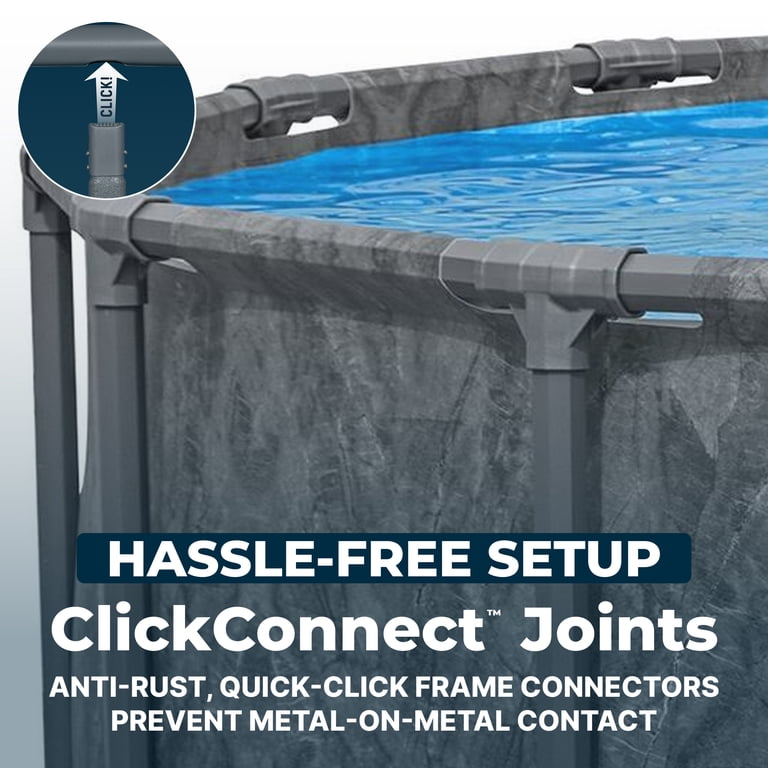
- Pool frame material: Steel and metal frames may corrode over time with saltwater. Bestway’s newer models are often designed to handle salt, but always check your manual.
- Liner compatibility: Most PVC or vinyl liners work fine with salt systems.
- Existing equipment: Your current pump and filter are usually compatible, but make sure the salt system you buy matches your pool’s size and flow rate.
If you have a very old pool or a pool with lots of metal parts, consider consulting Bestway support or a pool professional before converting.
What You’ll Need For The Conversion
You don’t need a lot of fancy equipment to convert your Bestway pool, but it’s important to gather the right items:
- Salt chlorine generator: Choose a model that fits above-ground pools and matches your pool size (measured in gallons or liters).
- Pool-grade salt: Use only high-purity sodium chloride (at least 99.8% pure, with no additives or anti-caking agents).
- Test kit: You’ll need to check salt, pH, and chlorine levels regularly.
- Wrenches, screwdrivers, and Teflon tape: For installation.
- GFCI outlet: A safety outlet for your salt system.
- Replacement hoses or adapters: Sometimes needed for connecting the salt system to Bestway’s filter pump.
- Pool brush and vacuum: For cleaning before and after conversion.
Some salt systems come with everything needed for installation, but double-check before buying.
Step-by-step: How To Convert Your Bestway Pool To Saltwater
Making the change is straightforward, but each step matters. Here’s how to do it:
1. Clean Your Pool Thoroughly
Before adding salt, start with clean water:
- Brush the pool walls and floor.
- Vacuum any debris.
- Balance the water chemistry (pH 7.2–7.6, alkalinity 80–120 ppm, calcium hardness 200–400 ppm).
- Shock the pool if algae or cloudiness is present, then wait 24–48 hours.
This prevents issues after switching to saltwater.
2. Choose And Prepare Your Saltwater System
There are many salt chlorine generators designed for above-ground pools. Bestway and Intex both offer compatible systems. Key factors to compare:
| Feature | Bestway Flowclear Saltwater System | Intex Krystal Clear Saltwater System |
|---|---|---|
| Pool Size Supported | up to 7,000 gallons | up to 15,000 gallons |
| Pump Requirement | 530–3,000 GPH | 700–3,000 GPH |
| Power Supply | 110–120V | 110–120V |
| Self-Cleaning | No | Yes |
Pick a system that matches your pool’s volume and pump flow rate. Read the user manual before starting.
3. Install The Saltwater System
Most salt systems are installed between your pool’s filter pump and the return jet (where water flows back into the pool). The general steps:
- Turn off the filter pump.
- Disconnect the return hose.
- Attach the salt system’s input hose to the filter pump’s outlet.
- Attach the salt system’s output hose to the pool’s return inlet.
- Tighten all clamps and check for leaks.
- Plug the generator into a GFCI outlet.
Some systems need adapters or extra hoses to fit Bestway pools. Don’t force connections—use the right fittings to avoid leaks.
4. Add The Correct Amount Of Salt
Now, it’s time to add salt. You need to know your pool’s water volume:
- Round pool formula: Diameter (feet) x Diameter x Average Depth (feet) x 5.9 = gallons
- Rectangular pool formula: Length x Width x Average Depth x 7.5 = gallons
Most salt systems need 2,500–3,500 ppm (parts per million) salt. For example, a 4,000-gallon pool needs about 120 pounds (54 kg) of salt for 3,000 ppm.
Add salt this way:
- Turn on the filter pump (not the salt system yet).
- Pour salt directly into the pool, spreading it evenly.
- Use a pool brush to help dissolve salt on the bottom.
- Run the pump for 24 hours to fully mix the salt.
Never add all the salt at once without checking your pool’s volume.
5. Test Salt Level And Adjust
After mixing, use a salt test strip or electronic tester to check the salt concentration. If it’s too low, add more salt in small amounts. If it’s too high, dilute with fresh water.
Aim for the range recommended by your salt system (usually 2,700–3,400 ppm). Running the system with low or high salt can damage it.
6. Start The Salt Chlorine Generator
Turn on your generator and set it to the recommended output (often 8–12 hours per day, depending on pool size and use). The system will now produce chlorine from the dissolved salt.
Watch for warning lights or error messages. Most generators have indicators for low salt, high salt, or cell maintenance.
7. Monitor And Maintain Water Chemistry
Saltwater pools still need regular testing and balancing:
- Free chlorine: 1–3 ppm
- PH: 7.2–7.8 (salt systems can raise pH, so check weekly)
- Total alkalinity: 80–120 ppm
- Calcium hardness: 200–400 ppm
- Cyanuric acid (stabilizer): 30–50 ppm
Test at least once a week. Adjust as needed with pool chemicals. Clean the salt cell every 2–3 months, or as recommended, to remove calcium buildup.
Common Mistakes When Converting To Saltwater
Many pool owners make avoidable errors. Here are some to watch out for:
- Adding too much salt: Over-salting can damage equipment and require draining water to fix.
- Using table salt: Only use pool-grade salt (pure sodium chloride, no additives).
- Ignoring water balance: Salt systems make chlorine, but you still need to balance pH, alkalinity, and stabilizer.
- Skipping cell cleaning: Calcium can build up and block the salt cell, reducing chlorine production.
- Not checking compatibility: Some older pool frames or accessories may corrode with saltwater exposure.
- Forgetting to test: Salt levels and water chemistry need regular checking, even with a salt system.
Cost Breakdown: Saltwater Conversion For Bestway Pools
Switching to saltwater is an investment, but it often pays off over time. Here’s an example cost comparison for a 4,000-gallon Bestway pool:
| Item | Upfront Cost (USD) | Annual Cost (USD) |
|---|---|---|
| Salt Chlorine Generator | $180–$350 | $0 (one-time) |
| Pool-Grade Salt | $40–$60 | $10–$20 (top-up) |
| Test Kit | $15–$40 | $10 (refills) |
| Chlorine Tablets (if used) | $0 | $0–$30 (backup) |
| Maintenance (acid, stabilizer, etc.) | $0 | $30–$60 |
Traditional chlorine pools often cost $120–$250 per year in chemicals alone, while saltwater pools usually cost much less after the first year.
Maintenance Tips For Saltwater Bestway Pools
Saltwater systems are simpler, but still need care:
- Test water weekly with a kit or strips.
- Clean the salt cell every 2–3 months (follow the manufacturer’s instructions, usually a mild acid wash).
- Check for leaks around the salt system and hoses.
- Add salt after heavy rains or water changes.
- Inspect the pool liner for damage or wear—saltwater can highlight small leaks.
- Store unused salt and chemicals in a dry, covered area.
An often-missed detail: Saltwater can cause corrosion in metal parts not designed for it. Check ladder, frame, and accessories for rust, and rinse with fresh water if possible.
Saltwater Pool Water Chemistry: What’s Different?
While saltwater pools use the same basic chemistry, there are a few key differences:
- PH tends to rise: The salt cell can cause pH to increase over time. Be ready to adjust with muriatic acid or pH reducer.
- Stabilizer (cyanuric acid) is essential: Saltwater pools need stabilizer to protect chlorine from sunlight. Add if levels are low.
- Calcium scaling: High calcium can cause buildup on the salt cell. Keep levels in check and clean the cell regularly.
- Chlorine is generated steadily: Unlike chlorine shock, the system creates a constant, mild supply of chlorine.
If you notice cloudy water or algae, check the salt cell for buildup—it may not be making enough chlorine.
Choosing The Right Salt Chlorine Generator For Bestway Pools
Not all salt systems are created equal. When shopping for a salt chlorine generator, look for:
- Capacity: Match the generator to your pool’s gallon/liter size.
- Pump compatibility: Make sure the required flow rate matches your filter pump.
- Power supply: Most above-ground systems use standard 110–120V outlets.
- Self-cleaning feature: Some models reverse polarity to reduce calcium buildup.
- Ease of installation: Look for kits with clear instructions and all necessary adapters.
Do not buy a generator meant for in-ground pools or very large pools—it may not work properly and could void your warranty.
Saltwater And Pool Accessories: What To Watch For
Saltwater is gentle for swimmers, but can be tough on some accessories:
- Metal ladders and frames: Stainless steel or coated metal resists corrosion, but regular steel may rust. Consider plastic or resin ladders.
- Heaters: Some electric or gas heaters need special heat exchangers for saltwater. Always check compatibility.
- Pool covers: Saltwater can fade cheap covers faster. Use UV-resistant, salt-safe covers.
- Cleaning tools: Rinse any metal tools with fresh water after use.
A practical tip: Spray metal parts with a silicone-based protectant or rinse with fresh water weekly. This small step extends their lifespan.
Can You Switch Back To Chlorine Later?
Yes, you can return to a traditional chlorine pool if needed. Just:
- Disconnect the salt system.
- Stop adding salt and use fresh water to lower salt levels.
- Resume using chlorine tablets or liquid as before.
However, most owners stick with saltwater after experiencing the benefits.

Credit: www.discountsaltpool.com
Safety Considerations When Installing Salt Systems
Electricity and water are a dangerous mix. To stay safe:
- Use a GFCI outlet for all pool equipment.
- Never touch electrical connections with wet hands.
- Follow the salt system’s instructions exactly.
- Do not bypass safety features or grounding wires.
- Keep children and pets away during installation.
If you’re unsure, hire a licensed electrician to check your setup.
How Saltwater Affects Pool Longevity
A well-maintained saltwater pool can last for years. However, salt is mildly corrosive:
- Liners: High-quality vinyl holds up well.
- Frames: Powder-coated or resin frames resist rust, but check joints and bolts.
- Hoses and pumps: Rinse with fresh water at the end of each season.
- Accessories: Replace rusted or worn items promptly.
Don’t ignore small leaks or rust spots—they can grow quickly in a saltwater environment.
Troubleshooting Common Saltwater Pool Issues
Even with good care, problems can happen. Here’s how to solve the most common ones:
Low Chlorine Production
- Check salt level: Low salt means less chlorine.
- Clean the salt cell: Scale buildup reduces output.
- Test stabilizer: Low cyanuric acid means chlorine breaks down faster.
- Increase system runtime: Run the generator longer.
Cloudy Water
- Test pH and chlorine: Imbalance causes cloudiness.
- Shock the pool: Use non-chlorine shock if needed.
- Clean the filter: Dirty filters can’t remove particles.
Salty Taste Or White Residue
- Reduce salt: Drain a little water and refill with fresh water.
- Rinse accessories: Salt dries and leaves residue on surfaces.
Error Codes On Salt System
- Read the manual: Each code means something different.
- Check connections: Loose wires or hoses can trigger errors.
- Clean the cell: Most errors are due to buildup or low flow.
Real-world Example: Bestway Pool Saltwater Conversion
Let’s say you own a Bestway Steel Pro 12′ x 30″ pool (about 1,700 gallons). You choose an Intex saltwater system rated for pools up to 4,000 gallons.
- You calculate salt needed: 1,700 gallons x 0.027 (pounds per gallon for 3,000 ppm) = ~46 pounds.
- You buy two 40-lb bags of pool salt.
- You install the salt system, connect hoses, and plug into a GFCI outlet.
- You add salt, run the pump for 24 hours, test, and adjust as needed.
- You start the generator, set the timer, and check chlorine levels after 24 hours.
After two weeks, you notice less eye irritation and no strong chlorine smell. Maintenance is easier: just test, brush, and clean the cell every few months.
Environmental Impact: Saltwater Vs. Chlorine Pools
Saltwater pools are often seen as more eco-friendly, but it’s important to look at the facts:
- Fewer harsh chemicals: Less need for storage and handling of chlorine.
- Salt is natural: But high concentrations can be harmful to plants if pool water is drained into your yard.
- Less waste: Fewer empty chemical containers.
- Energy use: Salt systems use electricity, but not much—often less than a standard pool light.
Always dispose of pool water responsibly and avoid draining salty water onto lawns or gardens.
For more details on the science behind saltwater pools, visit the Wikipedia page on saltwater chlorination.
Frequently Asked Questions
How Much Salt Do I Add To My Bestway Pool?
For most above-ground pools, aim for 2,700–3,400 ppm salt. Calculate your pool’s gallons and add about 0.027 pounds of salt per gallon (or 0.32 kg per 1,000 liters). Always check your salt generator’s manual for the exact range.
Can I Use Regular Table Salt In My Pool?
No. Only use pool-grade salt with at least 99.8% purity, and no additives or anti-caking agents. Table salt often contains iodine or anti-caking chemicals that can cloud water or damage equipment.
Will Saltwater Damage My Bestway Pool Frame?
Most modern Bestway pools have corrosion-resistant frames. However, older steel or uncoated metal may rust over time. Inspect your pool regularly, rinse metal parts, and use protectants where possible.
Is A Saltwater Pool Really Maintenance-free?
No pool is truly maintenance-free. Saltwater pools require weekly testing and occasional cell cleaning. However, you’ll spend less time adding chemicals and more time enjoying the water.
Can I Swim Right After Adding Salt?
Wait until the salt is fully dissolved and mixed, usually after running the pump for 24 hours. Test levels before swimming. Undissolved salt can feel gritty and may irritate skin or eyes.
Switching your Bestway pool to saltwater is a practical upgrade that adds comfort and convenience. With careful planning and the right equipment, you’ll enjoy a cleaner, softer, and more enjoyable swimming experience all season long.
Credit: www.walmart.com